

If you or a friend are planning to travel to Europe this summer, I’m pretty sure you’ll appreciate any advice to help make your travels go smoother and safer. Europe is one of the busiest places for tourists over the summer months and 2025 is expected to be no exception. Here are 12 things to know before you travel to Europe. RELATED: 12 Things I Learned From Traveling to Europe This Summer
 FYI: My family and I visited three countries last month and six countries on the continent in 2023. Both times we did a Princess Mediterranean cruise and then continued traveling on our own. Here’s are 22 reasons to sail on Enchanted Princess, I’m still working on our Sun Princess review.
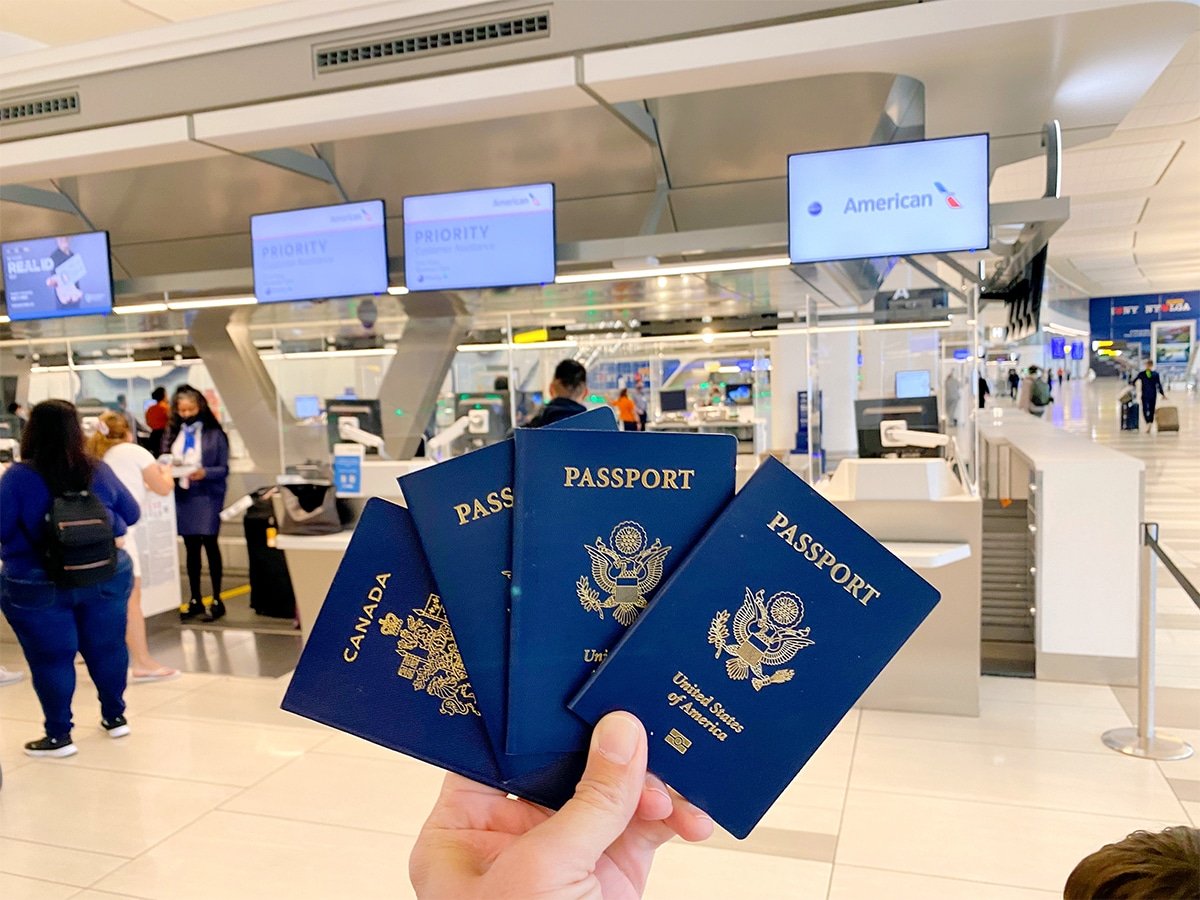
1. Make Sure You Have A Valid Passport
If you’re planning to travel out of the country, make sure your passport is valid. Remember that many countries require that your passport be valid for at least six months (some just three months) after your arrival date before they’ll grant entry to their country. It doesn’t matter if you’re only going for a day; if you don’t have at least six months validity, you could, and probably will be denied entry. Here’s how to renew or apply for a passport. For more, here are 10 passport tips that will save you time, money and headaches.
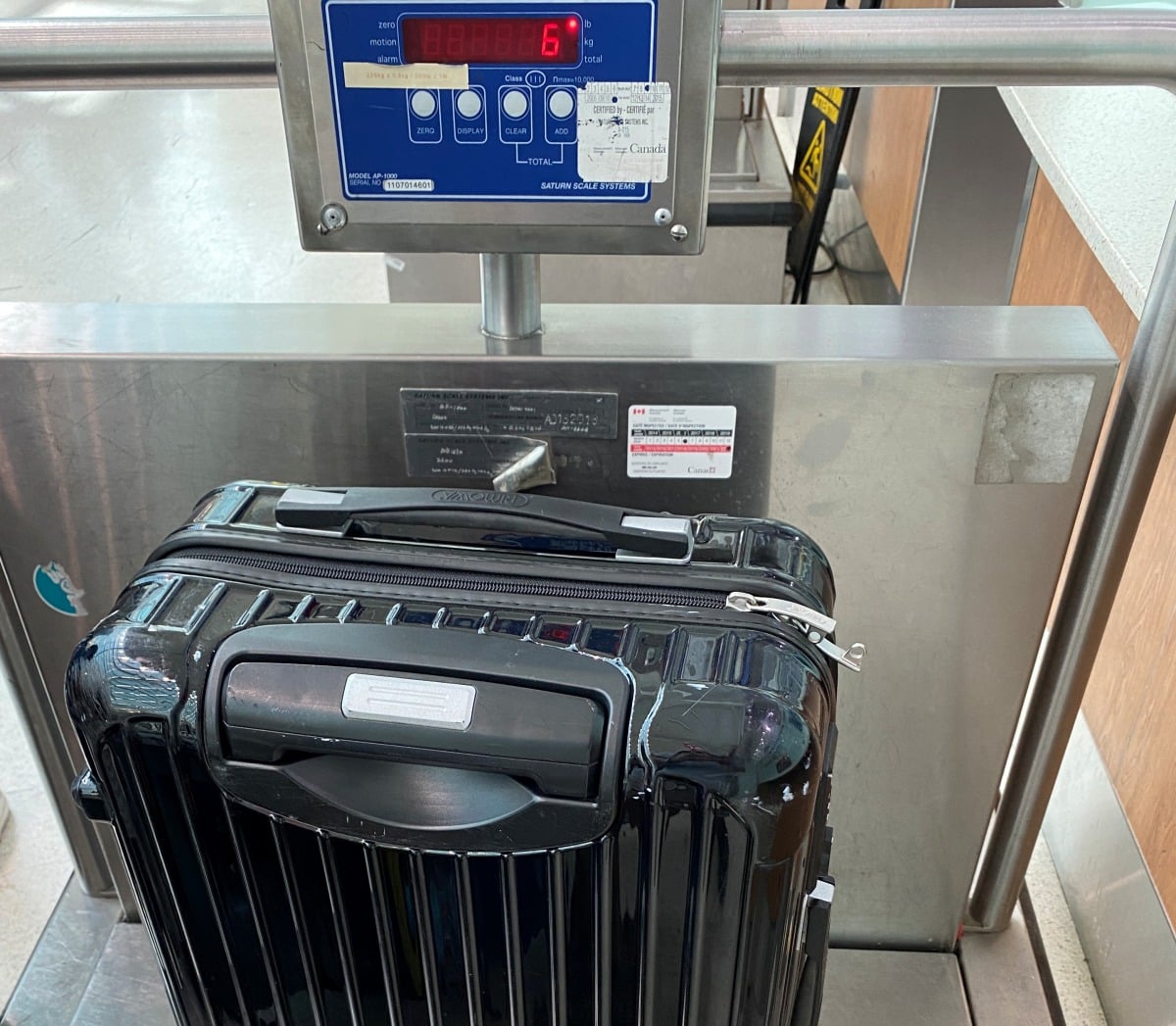
2. Pack Light + What Not to Pack
One of my top three travel tips is to pack light. Trust me: It will make your travel experience so much easier. When my then-girlfriend, now-wife, Natalie, showed up for our first trip together, which was just a weekend trip, she looked like a 1920s transatlantic passenger with the size of her trunk! I had to put on the brakes and show her the light.
I used to pack the same way but I learned the benefits of traveling light, like not having to pay for checked luggage, not having to show up early to the airport, not having to stand in long lines to check your bag or stand around for what seems like an eternity for your bags to come out at baggage claim (if they ever do). You also don’t have to worry about the airline losing your bag, and you’ll be able to switch to an earlier or non-delayed flight more easily and you can take public transportation to get around, which is usually faster and cheaper – especially in Europe.
Then, Natalie figured out how to pack even lighter than me and when I suggested she check a bag for one of our round-the-world trips, she looked at me like I was crazy. Now that we have little kids, our carry-on days are on pause, but if you can, don’t check a bag. And if you have to, make sure you pop an Apple AirTag or Samsung SmartTag inside so you can always track your own luggage, since the airlines are currently losing record numbers of bags.
All I usually take is a Briggs & Riley rolling bag, which has my valuables and work supplies (laptop, tablet, chargers, etc), along with a medium-sized leather duffel bag with clothes for a week. I’ll find a place to wash my clothes when my trips are longer than seven days, which they usually are. However, this trip, I put my clothes in one of our two large suitcases (we’re on a seven week trip).
GOOD TO KNOW: 10 Things You Don’t Need to Pack
3. Pack an Extra Bag
If you think you might do a fair bit of shopping on your travels, then pack a zippered, lightweight bag that packs flat in your carry-on or checked suitcase. That way, if you have too much stuff, you can check an extra bag on the way back. If you purchase expensive items, then put your dirty clothes in the checked bag and carry the more valuable items on the plane.

4. Combat Jet Lag + How to Sleep on a Plane
The best way to combat jet lag is to get on the local schedule as soon as possible. I usually start doing this the day before I fly by going to bed early, and the moment I get on the plane, I set my watch to local time. I then try to sleep and eat at the times they would be doing so at my destination. If you take an overnight flight and don’t get much rest, don’t go to sleep when you arrive. Instead, fight it. Try and stay awake until at least 10pm so you can get on local time as soon as possible. Here are 10 tips for getting some sleep on a plane.
5. Call Your Credit Card Company
Most banks and credit card companies know you’re going away if you used any of their cards to book your trip. However, it’s still smart to let them know before you leave on your trip that you are going out of the country. Let them know the places you are going and the dates you’ll be away because after all of the credit card hacking, they will put a block on your card(s) immediately and this can put a real damper on your trip. So make a quick call in advance or get online to avoid this hassle. Be sure to get a credit card with no foreign transaction fees and a chip and pin. Make sure you know what your four-digit pin is because many automated machines require it.
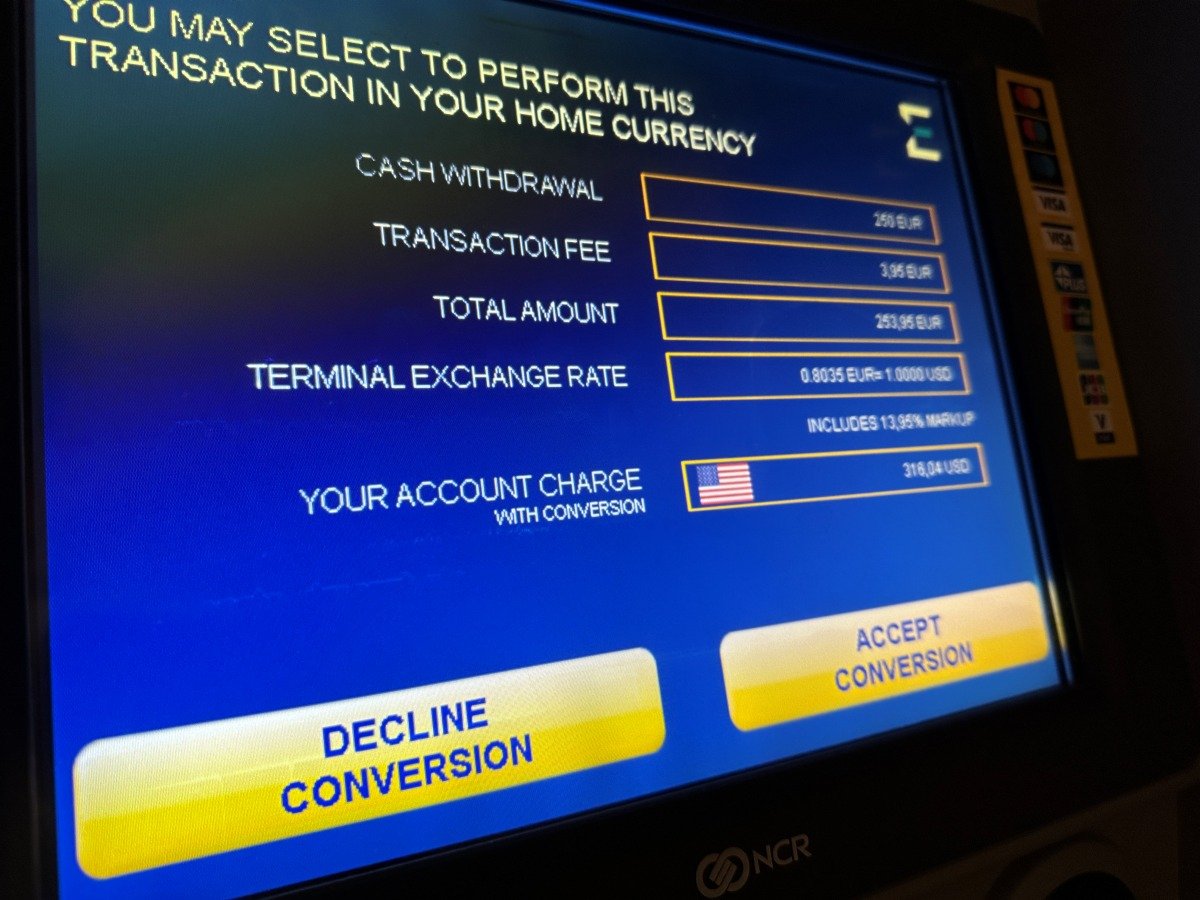
6. Always Pay in Local Currency
One of the biggest scams I find major stores committing overseas is after they swipe your credit card and it registers as U.S., they try and make it sound like they are helping you save money by asking if you would like to pay in U.S. dollars or in the local currency. Paying in U.S. dollars would seem to be the more convenient option, but in reality, it’s not. In fact, it’s a total rip-off, since the stores and ATM machines that do this charge a higher exchange fee than your bank back home does. So, remember to always pay in the local currency of the country you’re in.
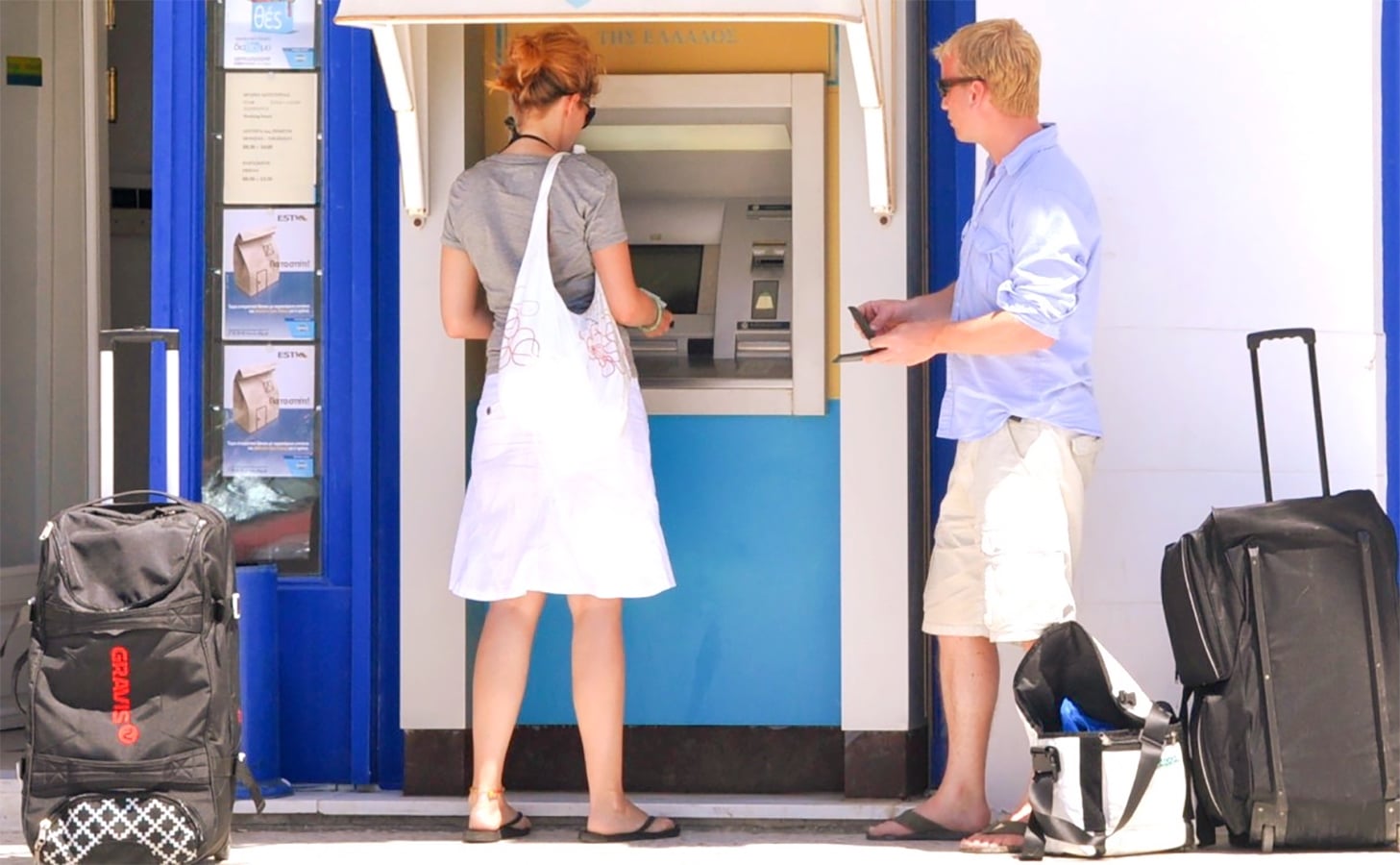
7. Avoid ATM Fees
Before leaving the country, it’s always smart to check with your bank to see what ATM fees to expect. “When you use a foreign ATM, you could be charged a variety of fees, including non-bank ATM usage fees, ATM operator access fees, and international transaction fees for conversion to U.S. dollars.” That quote is directly from Bank of America, which goes on to tell its customers, “One way to limit such fees is to use your Bank of America ATM or debit card at one of our international partner ATMs. This enables you to avoid the Non-Bank of America ATM $5 usage fee for each withdrawal, transfer or balance, as well as the ATM operator access fee.” Here’s a list of Bank of America’s partners.
8. Check Your Phone Plan
Before you start using all of your apps, make sure your cell provider won’t bankrupt you. Before leaving on your trip, call your provider and ask them if you are covered for the countries you are traveling to. If not, either turn your phone off or put it in airplane mode and just use WiFi. If you have T-Mobile, chances are you will be able to get free data and inexpensive phone calls ($0.20 a minute). If you are cruising, follow this advice. If you have a newish phone with an eSIM, use a company called Ubigi to get inexpensive data.
 9. Download Apps like Google Maps & Google Translate
 9. Download Apps like Google Maps & Google Translate
These days, you rarely have to worry about not being able to communicate overseas. People always think I speak multiple languages because I travel so often and don’t have a difficult time doing it. Sadly, I only speak English and I’m not even very good at that. However, more and more people are speaking English in the past 15 years, especially the younger generation.
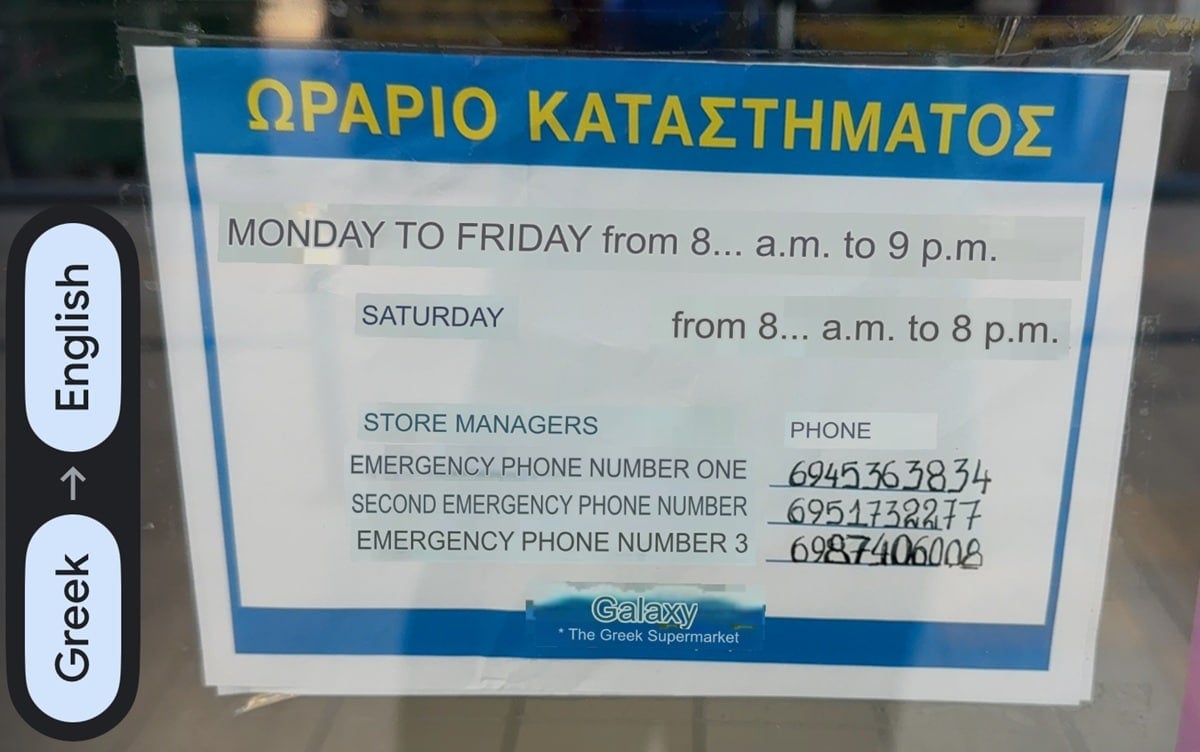
During all my travels, I only once ran into a problem not speaking the local language and that was in China. But since then, there’s been so much technological innovation, including the Google Translate app (Android and iOS). It’s free to download and can translate over 133 languages (you can even translate dozens of languages when there’s no Internet). The app also has instant camera translation whereby you can translate text in images instantly by just pointing your camera (see screenshot above of the elevator buttons in the Hilton MUC Airport Hotel). Travelers can translate any text including street signs and menus just by holding up their camera. The translation appears as an overlay on the phone screen, just like that.
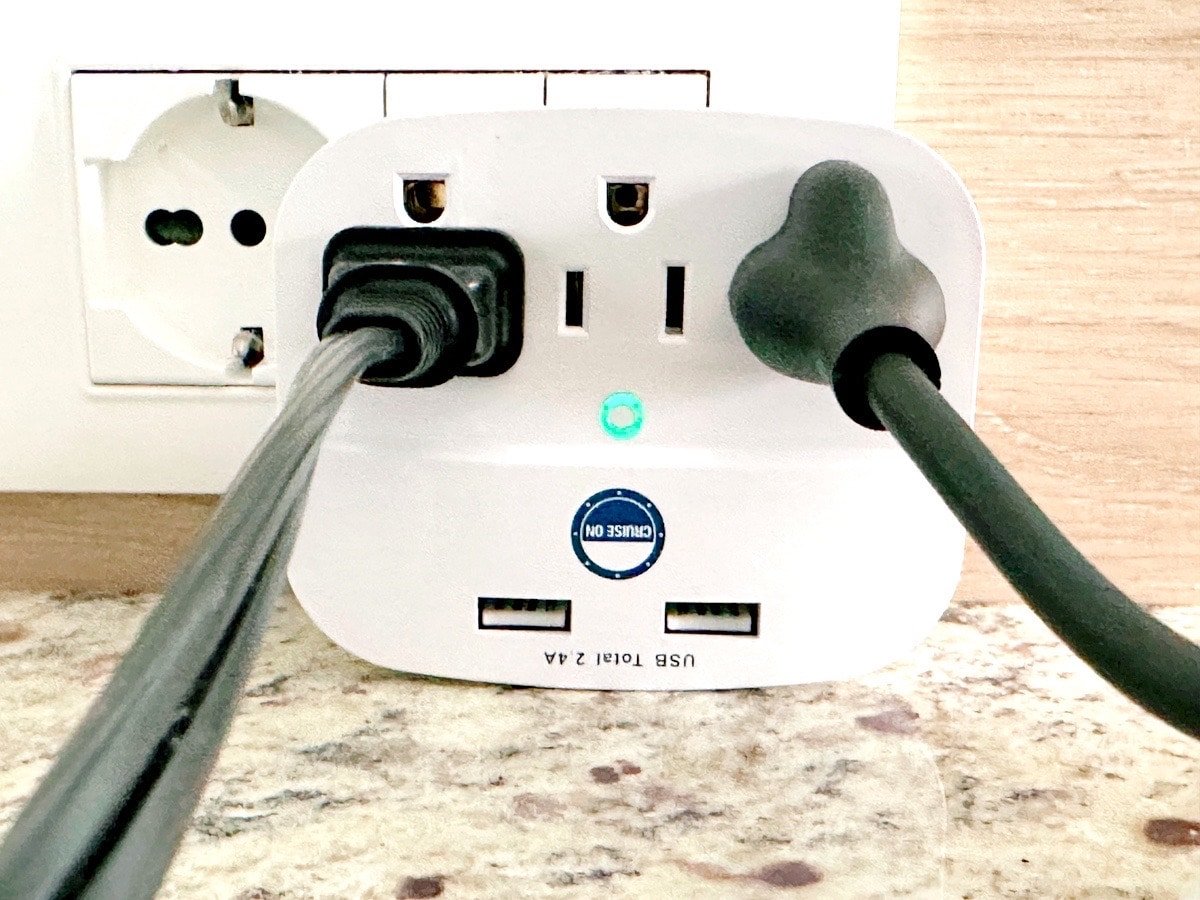
10. Get an Adapter + Power Strip
Instead of buying multiple individual plug adapters, with a power strip, you can just buy one (or if you travel a lot, then buy one multi-country adapter like this one). That way, you can plug multiple cords in and just use one outlet. And that’s key, since a lot of hotel rooms and cabins on cruises only have one or two outlets.
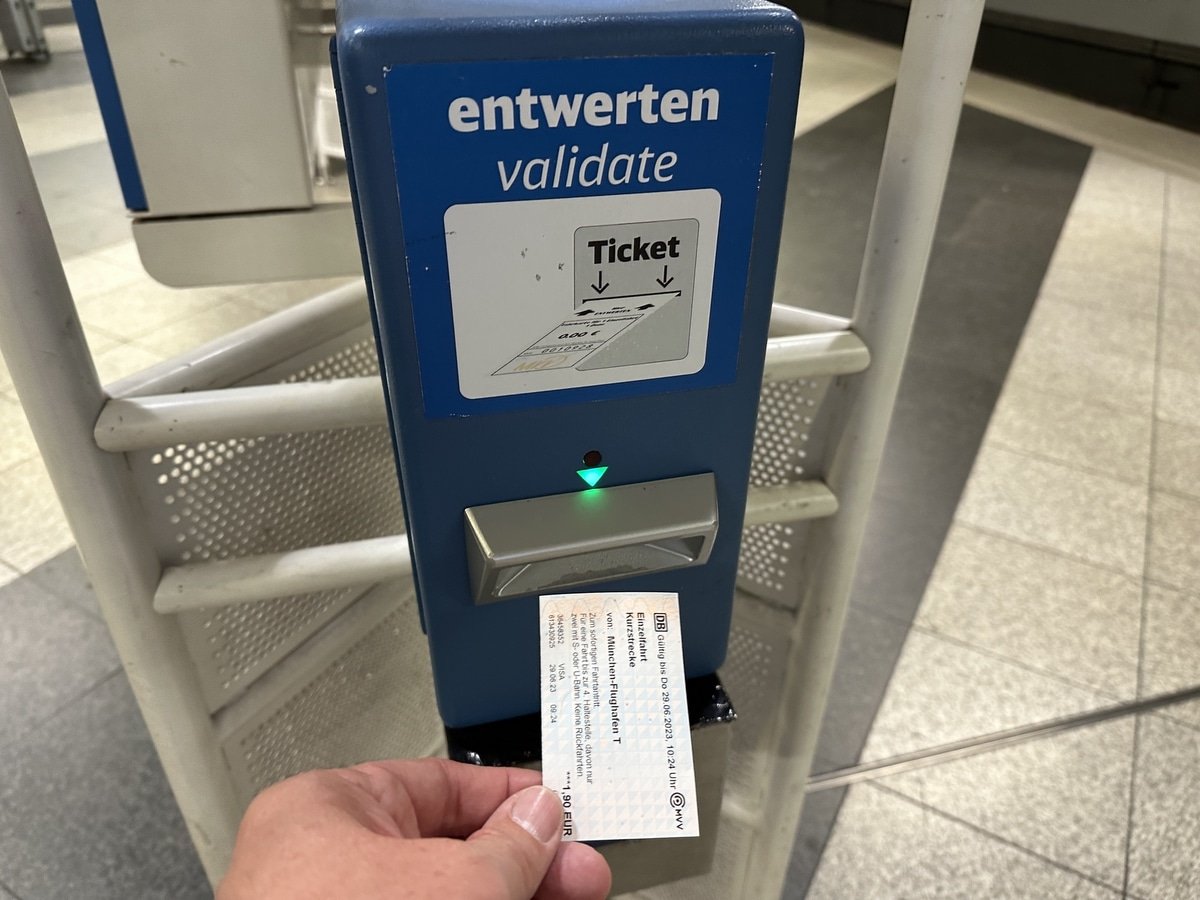
11. Validate Your Bus and Train Tickets in Europe
This tip was left by reader Orit R. from Israel, who says: “I just had friends come back from the Czech Republic where they had bought bus/tram tickets. As in most European countries, this kind of transport works on the honor system, in which you must endorse [validate] your ticket when getting on the transportation. My friends thought that since they’d bought the tickets, they were okay to go. Well, the transport ticket police got on their bus and were checking all the tickets and when one of them got to my friends, he saw the tickets were not endorsed. My friends tried explaining that they were tourists and didn’t understand the language, but that didn’t help. They were ‘off-loaded’ at the next station and taken to the police station, where they received a hefty fine. They were on their way to a prepaid tour, and of course, due to time they missed their tour.” Many European countries have this system so don’t forget to validate your bus, train or boat ticket if it’s required.
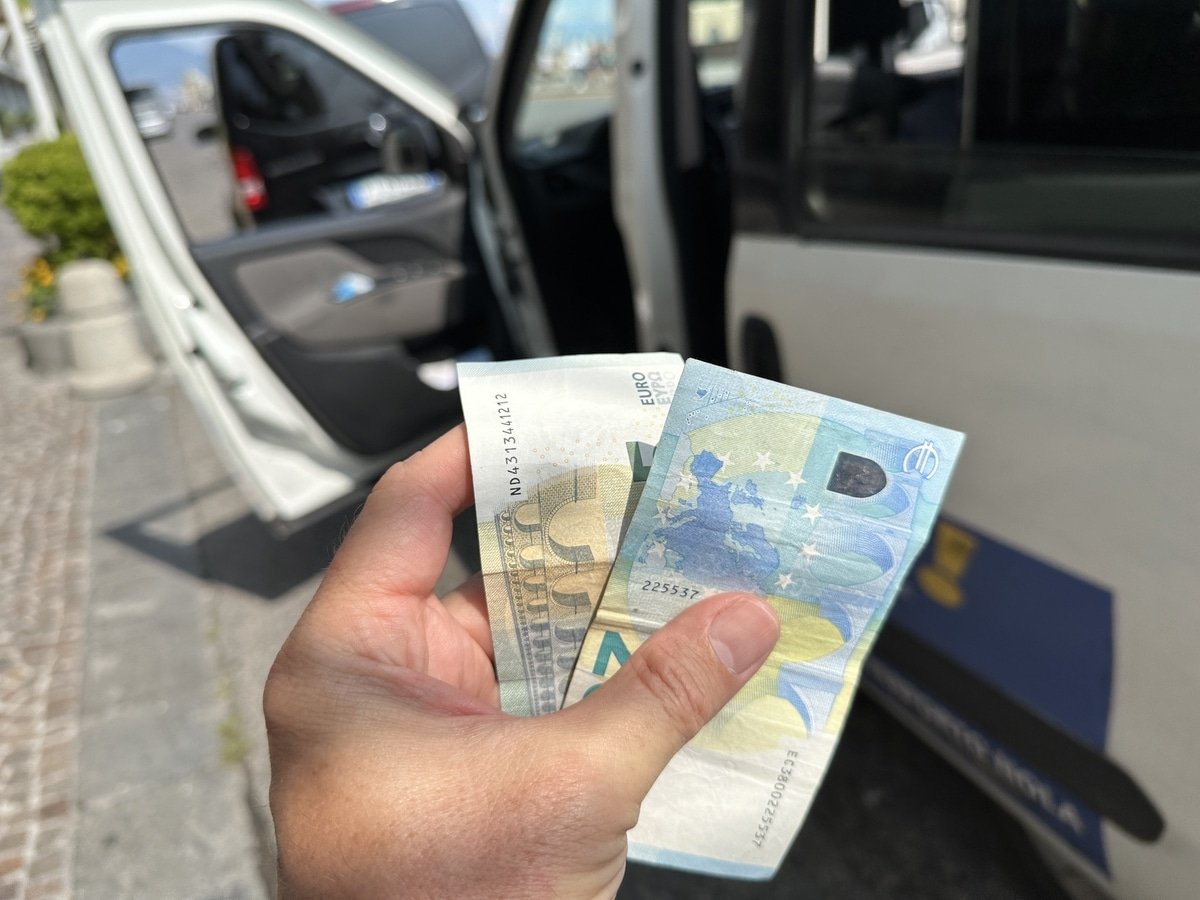
12. Tipping
Tipping has gotten out of control in the U.S. as I’m now being asked to tip on takeout and using automated machines. Fortunately, it’s not as bad in Europe as employees are paid a living wage. Of course, tips are appreciated but they aren’t always expected. The amount really depends not only on the country you’re in. Rick Steves has a good post on it.
This post was originally published in 2015 but has since been updated with current information.
KEEP READING:
–12 Things You Never Knew About Italy
–7 Things to Do in Naples, Italy
–12 Things to Know Before Going to Paris
–19 of the Best Off-the-Beaten Path Things to See and Do in Paris
Want more travel news, tips and deals? Sign up to Johnny Jet’s free newsletter and check out these popular posts: The Travel Gadget Flight Attendants Never Leave Home Without and 12 Ways to Save Money on Baggage Fees. Follow Johnny Jet on MSN, Facebook, Instagram, Pinterest, and YouTube for all of my travel posts.


I have a wonderful travel agent. I am a detailed traveler and he is capable of doing things that I cannot do. You are a great advisor. Thanks for advising these simple for you-travel-to-europe.
Do you know what brand your power strip plug converter is? I only have plug converters and there never seem to be enough outlets.
Several countries in Europe have a bottle recycling system. For example, Germany has a Pfand system that has brought about a wonderful change for the better. In this system, eight to twenty-five cents are added to your receipt when you buy plastic bottles, cans of soda or glass bottles of alcoholic or non-alcoholic beverages which are then returned to another shop. The shop has to accept the bottle even if they weren’t the shop that sold those bottles to you in the first place. The Pfand system is a wonderful idea implemented to bring about environmental change for the better.
Thank you for your travel tips. I like how you said to always use local currency. My husband and I are thinking of going to Europe soon.
https://nomads4life.com/category/httpnomads4life-comadvice-from-featured-nomads
Regarding credit card exchange fees, we upgraded to the UBS Infinite credit card that has higher yearly fees but you make it back with all the benefits, one of them being no foreign exchange fees when you use the card in Europe. I think we can also use this card in ATMs without fees but need to check. You may want to consider trading up to the higher level credit card when traveling abroad.
Some of this is very helpful but dont know how true this is about your friend as i am from Europe and can confirm that there is no way your friend got arrested for not validating there ticket…. they may have been asked to pay for another ticket and then became abusive and got finedfor that as the police take no part in checking tickets on buses this is the job of a ticket inspector. Transport police are used for abusive or drunk people that may cause trouble.
Yes validate your ticket by all means as you may have to pay an extra fare but please dont go there with your back up because someont told you online you would be arrested for this. This is europe we are talking about not the middle east.
Excellent advice. Here’s another piece of advice for Americans traveling to Europe – especially with a lot of political unrest and terrorists threats and activity: Register your foreign travel with the U.S. Department Of State to receive ‘travel warnings and alerts’ – as follows:
The U.S. Embassy and/or Consulate in the European nation (s) you are traveling in will issue a Travel Warning when they want you to consider very carefully whether you should go to a country at all. Examples of reasons for issuing a Travel Warning might include unstable government, civil war, ongoing intense crime or violence, or frequent terrorist attacks. We want you to know the risks of traveling to these places and to strongly consider not going to them at all. Travel Warnings remain in place until the situation changes; some have been in effect for years.
Also, the U.S. Embassy and/or Consulate will issue a Travel Alert for short-term events they think you should know about when planning travel to a country. Examples of reasons for issuing a Travel Alert might include an election season that is bound to have many strikes, demonstrations, or disturbances; a health alert like an outbreak of H1N1; or evidence of an elevated risk of terrorist attacks. When these short-term events are over, we cancel the Travel Alert.
web site to register: https://travel.state.gov/content/passports/en/alertswarnings.html
The ATM fee recommendations are a little outdated. Look into online banks with no atm fees. It would be interesting to hear your views on how much cash to bring as well as how to use wifi safely when abroad.
Thanks for your website, it is really great :)
I really love to travel too because it an amazing experience! I also did a website than you can visit and share if you like it !
This is great! This has been my dream but my problem is I don’t have any relative over their is it possible to come any house for visitors
I also tend to check if you can drink the water. In many countries the water is drinkable, but only to locals. And the quality varies per region. So if they put some icecubes in your glass and you aren’t used to the water then you could end up with diarrhea. A bit of research saves having to pack some extra underwear.
I was not able to purchase Islandic Kroner before a trip to Iceland and was advised could only purchase in Iceland. In addition I was unsure how much cash I would need for daily costs
I was there for four or five days and found I did not need any local currency. I used credit card everywhere for everything including a single coffee on one occasion
The upside being I did not pay to purchase currency,or get left with any useless currency or lose on exchanging back. The credit card international transaction fees were a few cents.