

If you or a friend are planning to travel to Europe this summer, I’m pretty sure you’ll appreciate any advice to help make your travels go smoother and safer. Europe is one of the busiest places for tourists over the summer months and 2025 is expected to be no exception. Here are 12 things to know before you travel to Europe. RELATED: 12 Things I Learned From Traveling to Europe This Summer
 FYI: My family and I visited three countries last month and six countries on the continent in 2023. Both times we did a Princess Mediterranean cruise and then continued traveling on our own. Here’s are 22 reasons to sail on Enchanted Princess, I’m still working on our Sun Princess review.
1. Make Sure You Have A Valid Passport
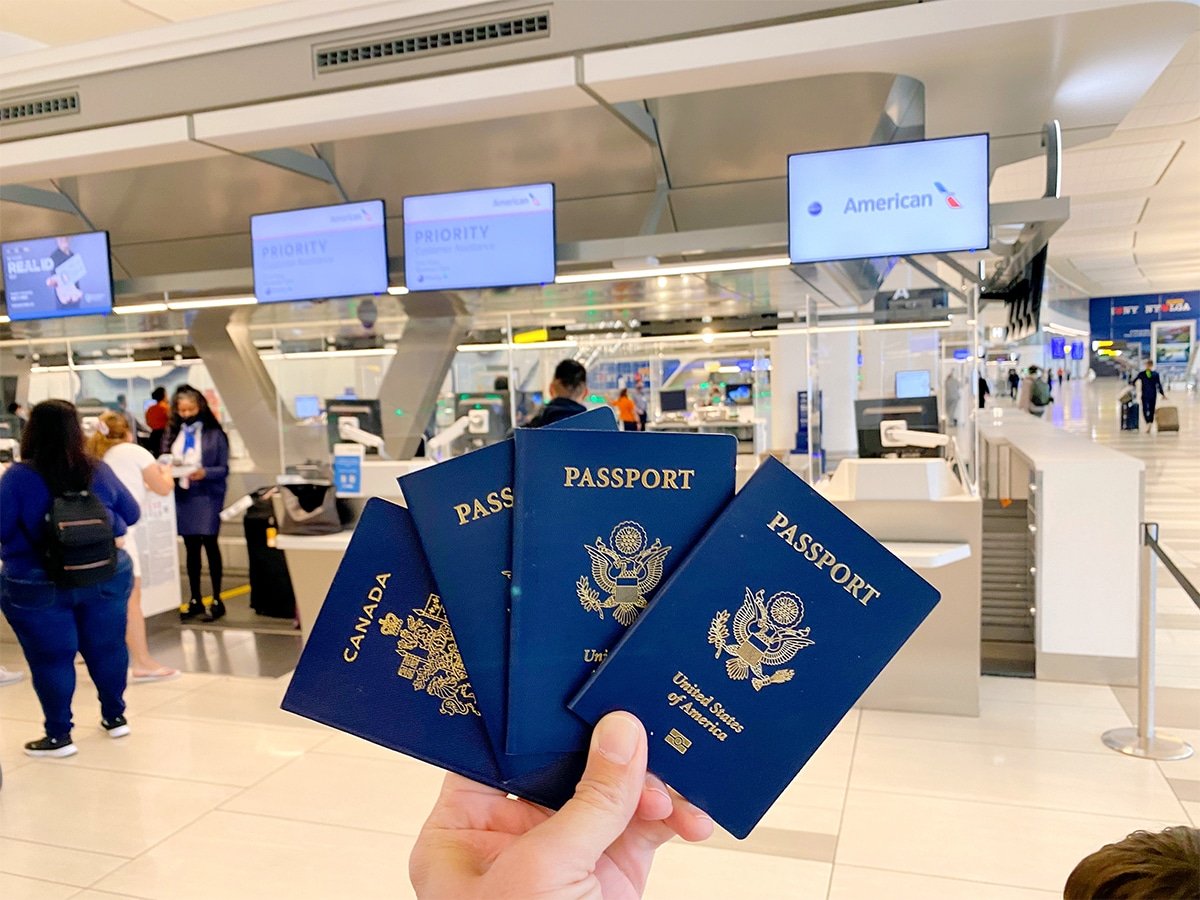
If you’re planning to travel out of the country, make sure your passport is valid. Remember that many countries require that your passport be valid for at least six months (some just three months) after your arrival date before they’ll grant entry to their country. It doesn’t matter if you’re only going for a day; if you don’t have at least six months validity, you could, and probably will be denied entry. Here’s how to renew or apply for a passport. For more, here are 10 passport tips that will save you time, money and headaches.
2. Pack Light + What Not to Pack
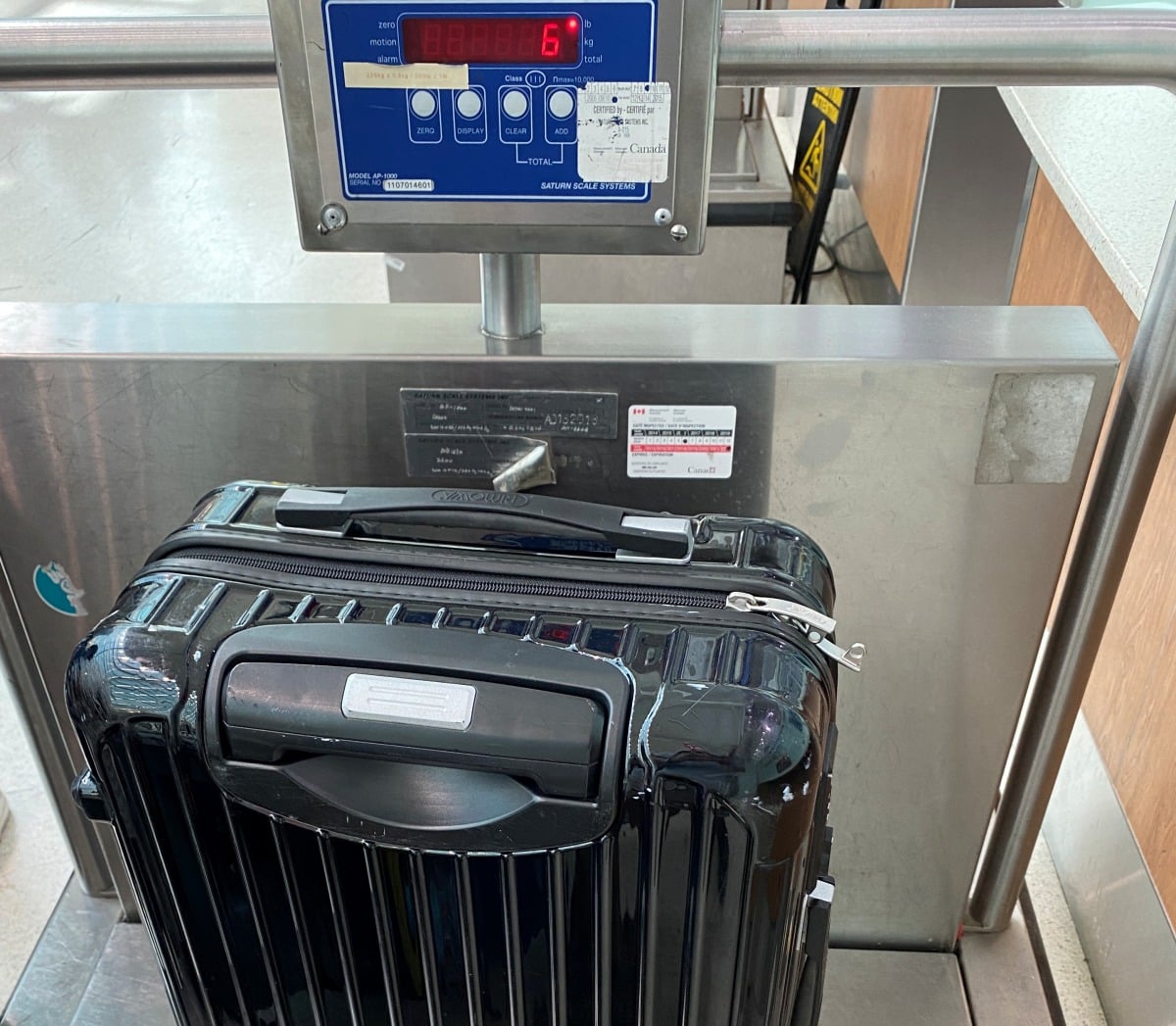
One of my top three travel tips is to pack light. Trust me: It will make your travel experience so much easier. When my then-girlfriend, now-wife, Natalie, showed up for our first trip together, which was just a weekend trip, she looked like a 1920s transatlantic passenger with the size of her trunk! I had to put on the brakes and show her the light.
I used to pack the same way but I learned the benefits of traveling light, like not having to pay for checked luggage, not having to show up early to the airport, not having to stand in long lines to check your bag or stand around for what seems like an eternity for your bags to come out at baggage claim (if they ever do). You also don’t have to worry about the airline losing your bag, and you’ll be able to switch to an earlier or non-delayed flight more easily and you can take public transportation to get around, which is usually faster and cheaper – especially in Europe.
Then, Natalie figured out how to pack even lighter than me and when I suggested she check a bag for one of our round-the-world trips, she looked at me like I was crazy. Now that we have little kids, our carry-on days are on pause, but if you can, don’t check a bag. And if you have to, make sure you pop an Apple AirTag or Samsung SmartTag inside so you can always track your own luggage, since the airlines are currently losing record numbers of bags.
All I usually take is a Briggs & Riley rolling bag, which has my valuables and work supplies (laptop, tablet, chargers, etc), along with a medium-sized leather duffel bag with clothes for a week. I’ll find a place to wash my clothes when my trips are longer than seven days, which they usually are. However, this trip, I put my clothes in one of our two large suitcases (we’re on a seven week trip).
GOOD TO KNOW: 10 Things You Don’t Need to Pack
3. Pack an Extra Bag
If you think you might do a fair bit of shopping on your travels, then pack a zippered, lightweight bag that packs flat in your carry-on or checked suitcase. That way, if you have too much stuff, you can check an extra bag on the way back. If you purchase expensive items, then put your dirty clothes in the checked bag and carry the more valuable items on the plane.

4. Combat Jet Lag + How to Sleep on a Plane
The best way to combat jet lag is to get on the local schedule as soon as possible. I usually start doing this the day before I fly by going to bed early, and the moment I get on the plane, I set my watch to local time. I then try to sleep and eat at the times they would be doing so at my destination. If you take an overnight flight and don’t get much rest, don’t go to sleep when you arrive. Instead, fight it. Try and stay awake until at least 10pm so you can get on local time as soon as possible. Here are 10 tips for getting some sleep on a plane.
5. Call Your Credit Card Company
Most banks and credit card companies know you’re going away if you used any of their cards to book your trip. However, it’s still smart to let them know before you leave on your trip that you are going out of the country. Let them know the places you are going and the dates you’ll be away because after all of the credit card hacking, they will put a block on your card(s) immediately and this can put a real damper on your trip. So make a quick call in advance or get online to avoid this hassle. Be sure to get a credit card with no foreign transaction fees and a chip and pin. Make sure you know what your four-digit pin is because many automated machines require it.
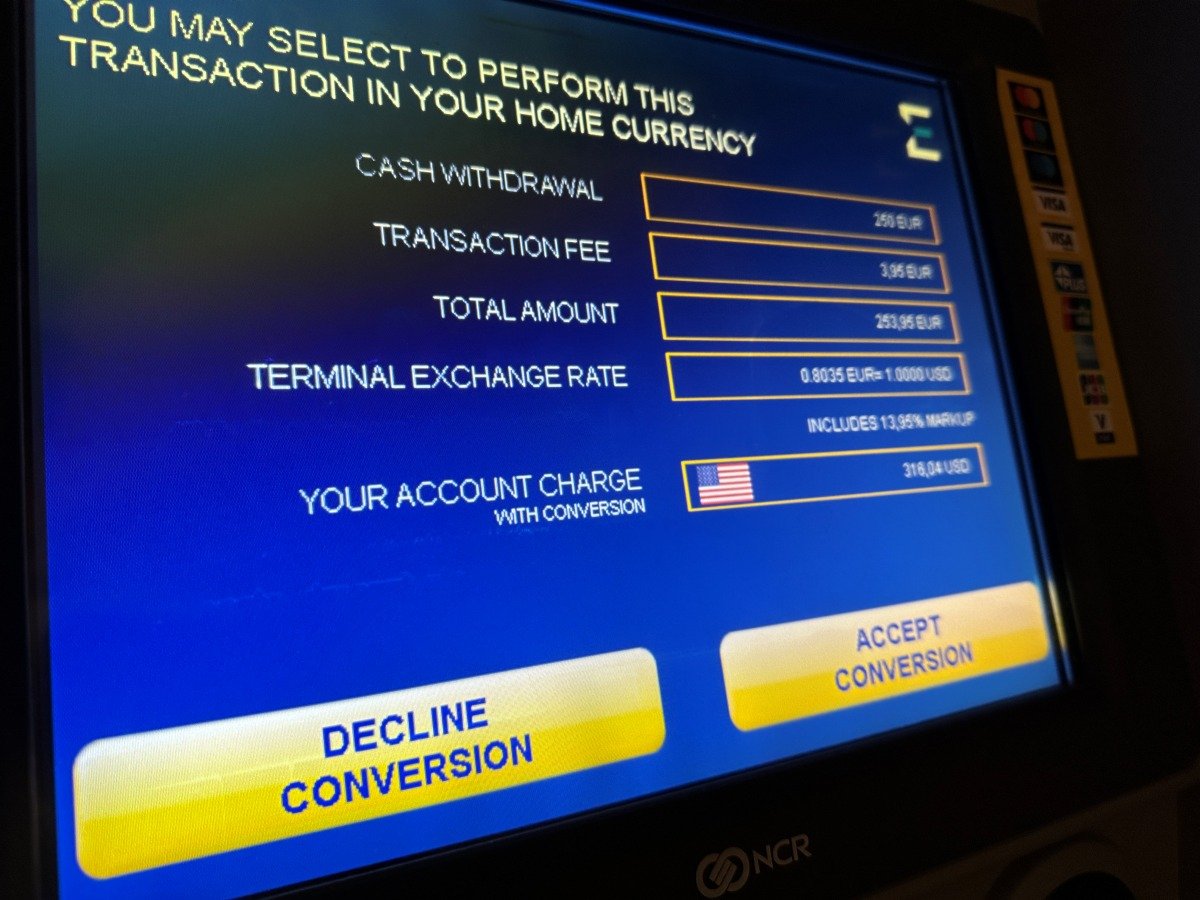
6. Always Pay in Local Currency
One of the biggest scams I find major stores committing overseas is after they swipe your credit card and it registers as U.S., they try and make it sound like they are helping you save money by asking if you would like to pay in U.S. dollars or in the local currency. Paying in U.S. dollars would seem to be the more convenient option, but in reality, it’s not. In fact, it’s a total rip-off, since the stores and ATM machines that do this charge a higher exchange fee than your bank back home does. So, remember to always pay in the local currency of the country you’re in.
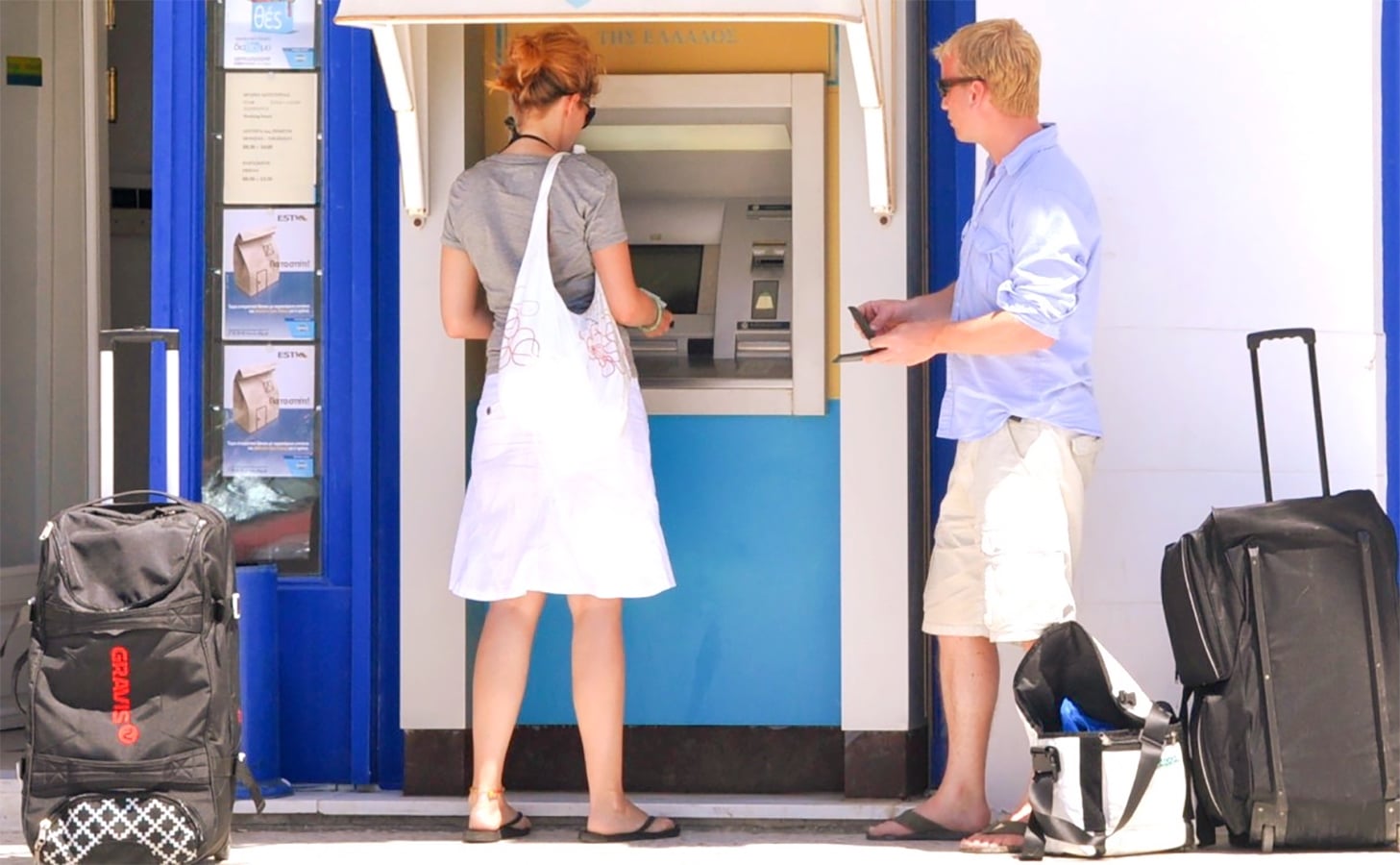
7. Avoid ATM Fees
Before leaving the country, it’s always smart to check with your bank to see what ATM fees to expect. “When you use a foreign ATM, you could be charged a variety of fees, including non-bank ATM usage fees, ATM operator access fees, and international transaction fees for conversion to U.S. dollars.” That quote is directly from Bank of America, which goes on to tell its customers, “One way to limit such fees is to use your Bank of America ATM or debit card at one of our international partner ATMs. This enables you to avoid the Non-Bank of America ATM $5 usage fee for each withdrawal, transfer or balance, as well as the ATM operator access fee.” Here’s a list of Bank of America’s partners.
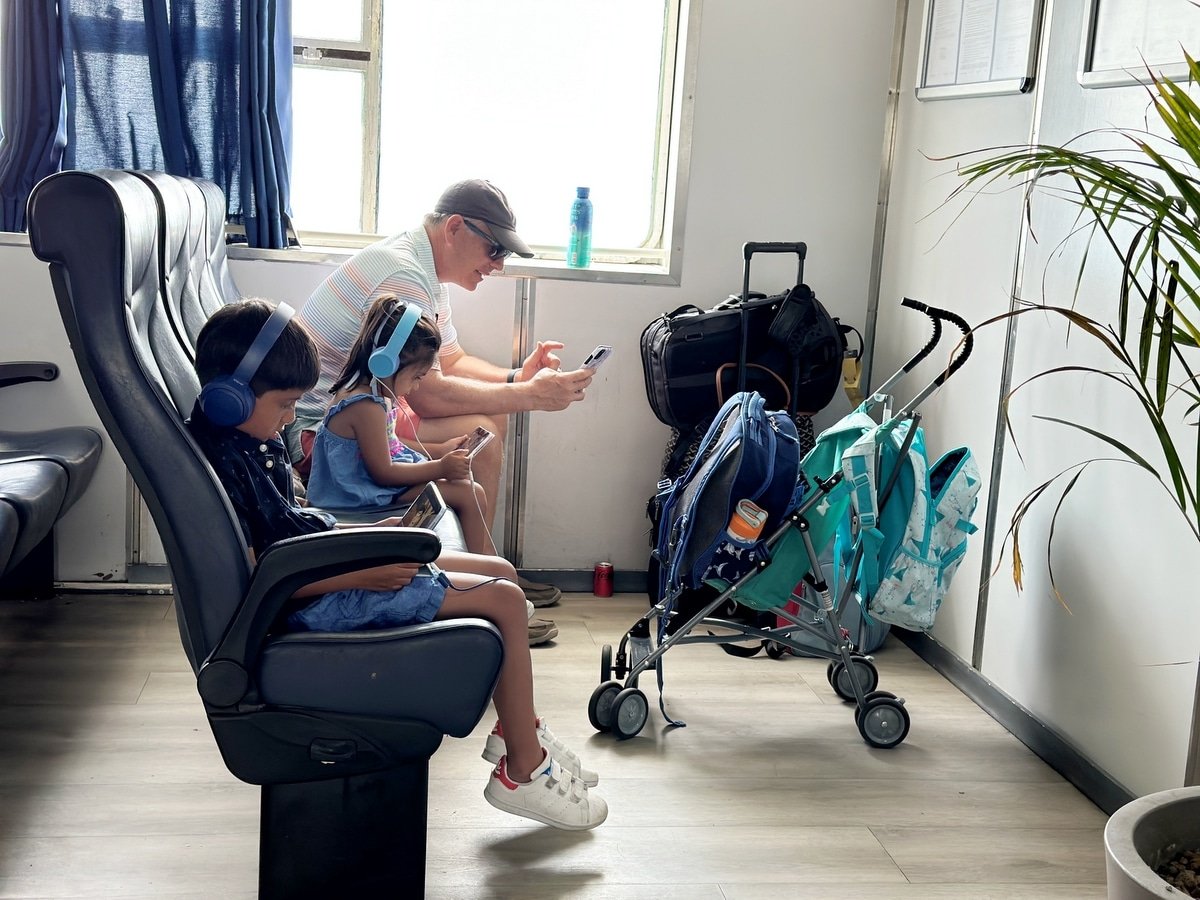
8. Check Your Phone Plan
Before you start using all of your apps, make sure your cell provider won’t bankrupt you. Before leaving on your trip, call your provider and ask them if you are covered for the countries you are traveling to. If not, either turn your phone off or put it in airplane mode and just use WiFi. If you have T-Mobile, chances are you will be able to get free data and inexpensive phone calls ($0.20 a minute). If you are cruising, follow this advice. If you have a newish phone with an eSIM, use a company called Ubigi to get inexpensive data.
 9. Download Apps like Google Maps & Google Translate
 9. Download Apps like Google Maps & Google Translate
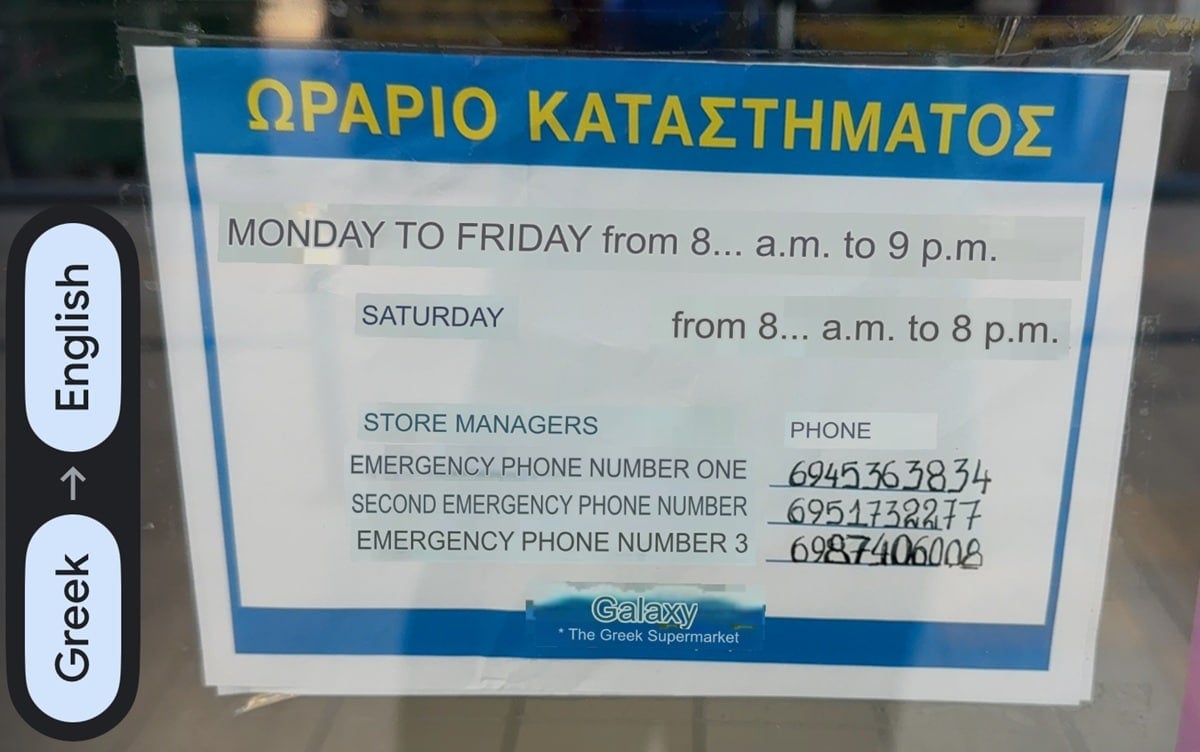
These days, you rarely have to worry about not being able to communicate overseas. People always think I speak multiple languages because I travel so often and don’t have a difficult time doing it. Sadly, I only speak English and I’m not even very good at that. However, more and more people are speaking English in the past 15 years, especially the younger generation.
During all my travels, I only once ran into a problem not speaking the local language and that was in China. But since then, there’s been so much technological innovation, including the Google Translate app (Android and iOS). It’s free to download and can translate over 133 languages (you can even translate dozens of languages when there’s no Internet). The app also has instant camera translation whereby you can translate text in images instantly by just pointing your camera (see screenshot above of the elevator buttons in the Hilton MUC Airport Hotel). Travelers can translate any text including street signs and menus just by holding up their camera. The translation appears as an overlay on the phone screen, just like that.
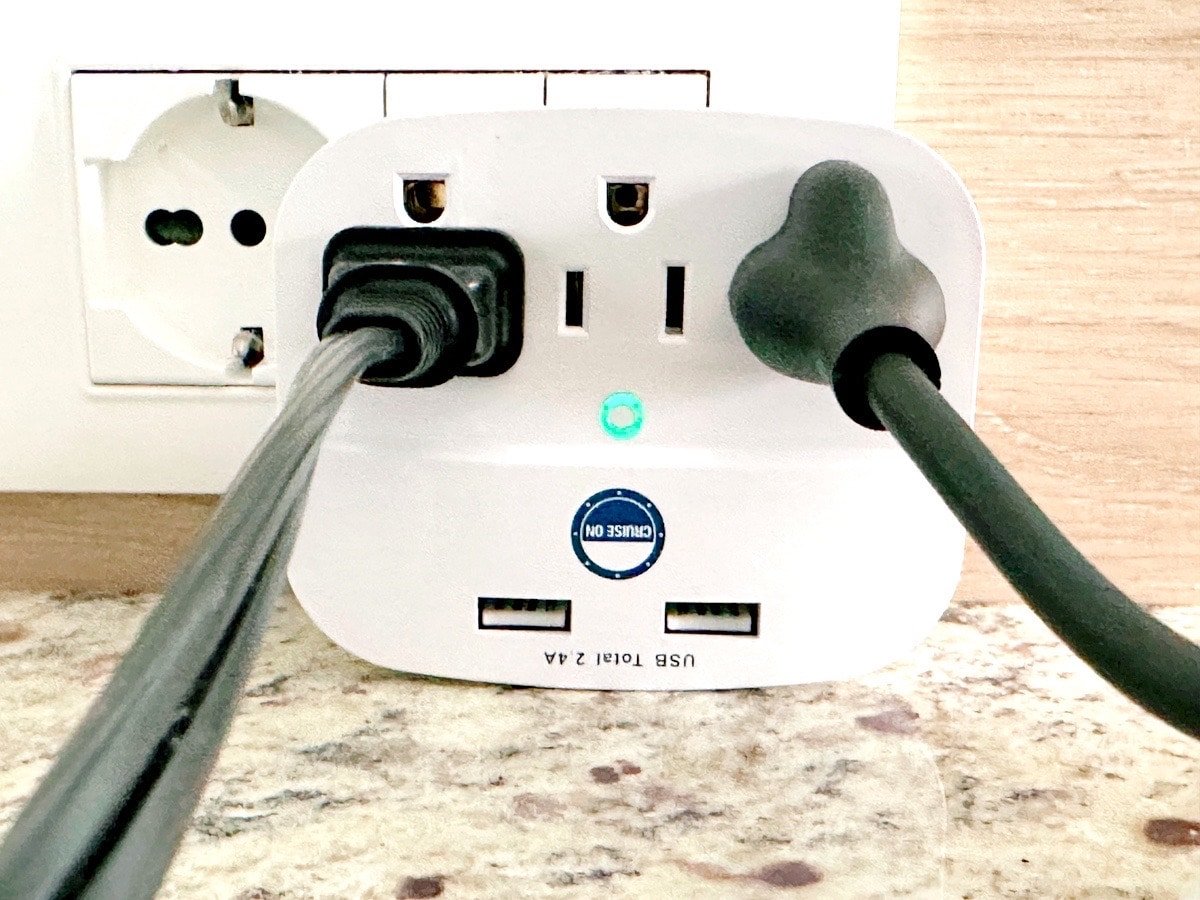
10. Get an Adapter + Power Strip
Instead of buying multiple individual plug adapters, with a power strip, you can just buy one (or if you travel a lot, then buy one multi-country adapter like this one). That way, you can plug multiple cords in and just use one outlet. And that’s key, since a lot of hotel rooms and cabins on cruises only have one or two outlets.
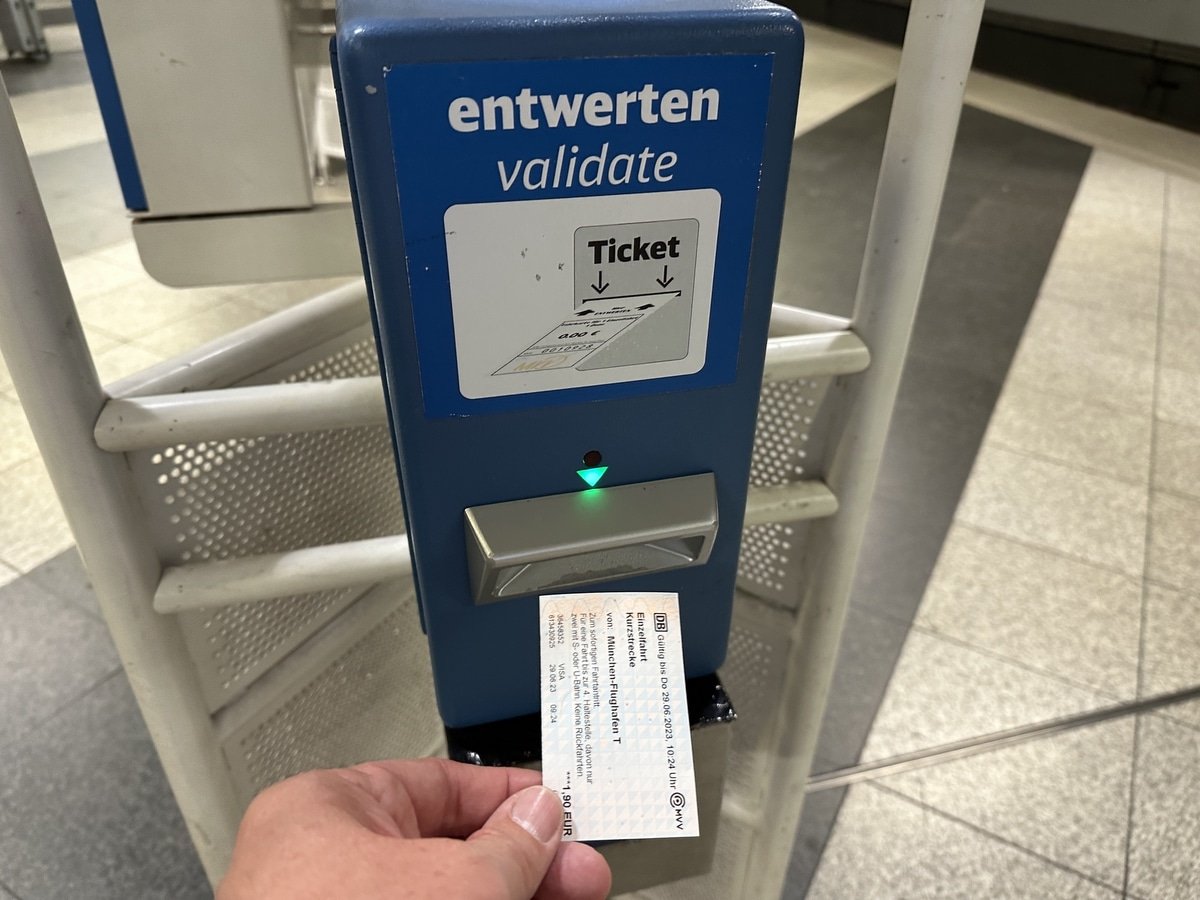
11. Validate Your Bus and Train Tickets in Europe
This tip was left by reader Orit R. from Israel, who says: “I just had friends come back from the Czech Republic where they had bought bus/tram tickets. As in most European countries, this kind of transport works on the honor system, in which you must endorse [validate] your ticket when getting on the transportation. My friends thought that since they’d bought the tickets, they were okay to go. Well, the transport ticket police got on their bus and were checking all the tickets and when one of them got to my friends, he saw the tickets were not endorsed. My friends tried explaining that they were tourists and didn’t understand the language, but that didn’t help. They were ‘off-loaded’ at the next station and taken to the police station, where they received a hefty fine. They were on their way to a prepaid tour, and of course, due to time they missed their tour.” Many European countries have this system so don’t forget to validate your bus, train or boat ticket if it’s required.
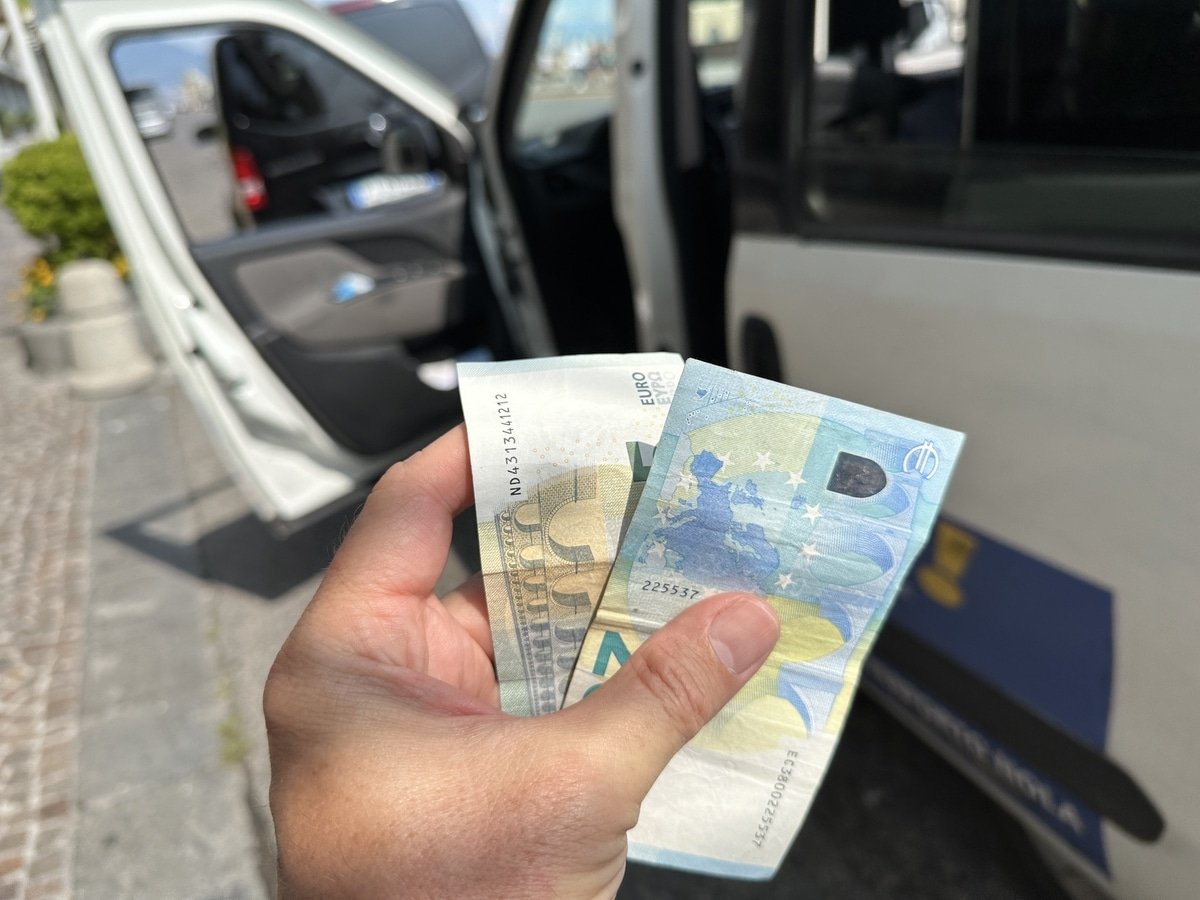
12. Tipping
Tipping has gotten out of control in the U.S. as I’m now being asked to tip on takeout and using automated machines. Fortunately, it’s not as bad in Europe as employees are paid a living wage. Of course, tips are appreciated but they aren’t always expected. The amount really depends not only on the country you’re in. Rick Steves has a good post on it.
This post was originally published in 2015 but has since been updated with current information.
KEEP READING:
–12 Things You Never Knew About Italy
–7 Things to Do in Naples, Italy
–12 Things to Know Before Going to Paris
–19 of the Best Off-the-Beaten Path Things to See and Do in Paris
Want more travel news, tips and deals? Sign up to Johnny Jet’s free newsletter and check out these popular posts: The Travel Gadget Flight Attendants Never Leave Home Without and 12 Ways to Save Money on Baggage Fees. Follow Johnny Jet on MSN, Facebook, Instagram, Pinterest, and YouTube for all of my travel posts.


Without checked luggage how can I take manicure scissors, toothpaste, hair goop, lipstick, liquid makeup, suntan lotion, etc. i know you can buy things in other countries, but it is not the first thing I want to do.
Try these https://johnnyjet.com/2014/06/travel-product-of-the-week-squeeze-pod/
Great tips on traveling to Europe, but I had a couple questions about your travel bags. In particular, which model of the Briggs & Riley rolling bag do you use and have you had any problems stowing it under the seat, especially on smaller commuter planes? I am in the market for such a bag, but am concerned about getting a bag that will fit on those smaller planes. I live in Montana and many of our flights have migrated to the smaller commuter planes. Thanks!
Hi Erik,
I’m not even sure what mine is but it doesn’t always fit under every regional jets seat – that’s why i try and avoid tem
I would also add a “heads-up” about low cost carriers and different countries. I travelled all over SEAsia on Air Asia with a single day style backpack/laptop bag (easily fits in overhead compartment) and a shoulder bag. They were pretty heavy, but no worries, no measurements. They seemed pleased I had so little. Now I live in Australia. I recently took a Jetstar flight w/my business wheelie bag and a small laptop backpack. During boarding, they brought out a scale and weighed everyone’s carry-on. I was going away for 6 days. I had 4 shirts (it’s winter here!), 2 pants, workout shorts & shirt, 3 changes of underclothes (bras, undies, sox), bikini, flip flops (for the pool/spa) and running shoes. The limit is 7 kg. I was at 9 kg including my laptop bag. I was charged $50 at the gate, and $23 by booking my bag on line for my return trip – for a regulation wheelie bag! It may have seemed like a cheap fare at the time, but BUYER BEWARE. Know your limits and how stringently they’ll enforce them!
Better option on foreign ATMs that trying to avoid the typical big bank charge (aka the $5 non Bank of America ATM charge) is use a smaller bank or credit union for your banking. My credit union rebates up to $10 per month that a foriegn bank may charge and doesn’t add a fee of its own!
Next should be the 12 things to know after you arrive in Europe.
Nowadays many European cities use smart cards for public transport. It’s a good idea to google in advance what kind of cards are available and what’s the best option for your visit — and most importantly, how to load money on them. Buying single, old fashioned tickets is usually the most expensive way to travel and they may no longer be available at all.
It’s also worth checking if the country has easily obtainable prepaid SIM cards. In some countries you’ll get an unlimited data SIM card for something like 20€ for a month that makes using Google Maps and other apps a lot easier.
You asked for comments and without wanting to be negative I have to ask: What does this common sense travel advice that any traveler reading your blog would know, help them while in Europe except maybe #12. Surely these simple items would benefit anyone travelling most places beyond North America .anywhere in the
Good tips but the article isn’t really related to Europe. The tips are very general.
My main tip for travelling to Europe is to learn some basic of the language you’re travelling in. You’ll be greeted with smiles in stores etc and you won’t feel like a tourist.
Very true! When we went to Mexico I used as much Spanish (poorly) as possible and the locals really appreciated it. Remember you are visiting their country.
We just got back from Europe. We we’re shown compassion by the conductor for un-validated train tickets. We also saw the “pay with Canadian Dollar” on our credit cards in Switzerland. Finally for any Canadian travellers – consider dealing with “Tangerine” online bank. They have no service charges on withdrawals from several European bank ATMs belonging to Scotiabank Global Alliance.
We travelled with first class rail tickets and just loved the speed and comfort. First class was not much more but well worth it! It was a real step down getting back on a transatlantic flight home back in economy class.
European airlines have different carryon bag rules so be prepared.
That move by the police in the Czech Republic reminds me of some police departments in rural areas of Pennsylvania who target drivers from out of the area with speed traps, knowing that they will usually pay fines without making a fuss. This is a major source of revenue for some of the police departments. Your tip about making sure your passport is still valid for 6 months after you plan to travel is a very important one because airlines do not consider it their responsibility to tell you this. I had a friend who was denied boarding for a trip to Europe because she did not know this. Also, it is important for travellers to take responsibility for knowing the visa requirements for anywhere to which they are traveling. Again, it is important to do your own research. When booking a cruise for Southeast Asia, I was once given incorrect visa information by the cruise line. Fortunately, I had done my own research and found the mistake before it was too late.
I’m a Canadian, and I’ve only been pulled over for speeding once. I was going 57 in a 55 in Beaver Springs, Pennsylvania. Those PA cops are dicks when it comes to out-of-towners. Some reputation they’re building for that state, lol.
Another tip when it comes to hand luggage, make sure you don’t have too much. Airlines in America have more hand luggages allowens than the European airlines. The “trolly” suitcase have to fit in under the seat in front of you and on most airlines you are only allowed to bring one carry one. Not one trolly bag and one back pack, but only one carry on in total. If you travel on low cost airlines, like Ryan Air, read all the information in advance, too much luggage will cost you tons of money (just one of the 100 reasons why I don’t fly Ryan Air or many other low cost airlines).