

I once interviewed my friend Sebastian Harrison, who splits his time between Italy and Los Angeles. Since recording that podcast, I’ve visited Italy four or five times, including right now, so I’ve decided to update this post with some observations and insights of my own.
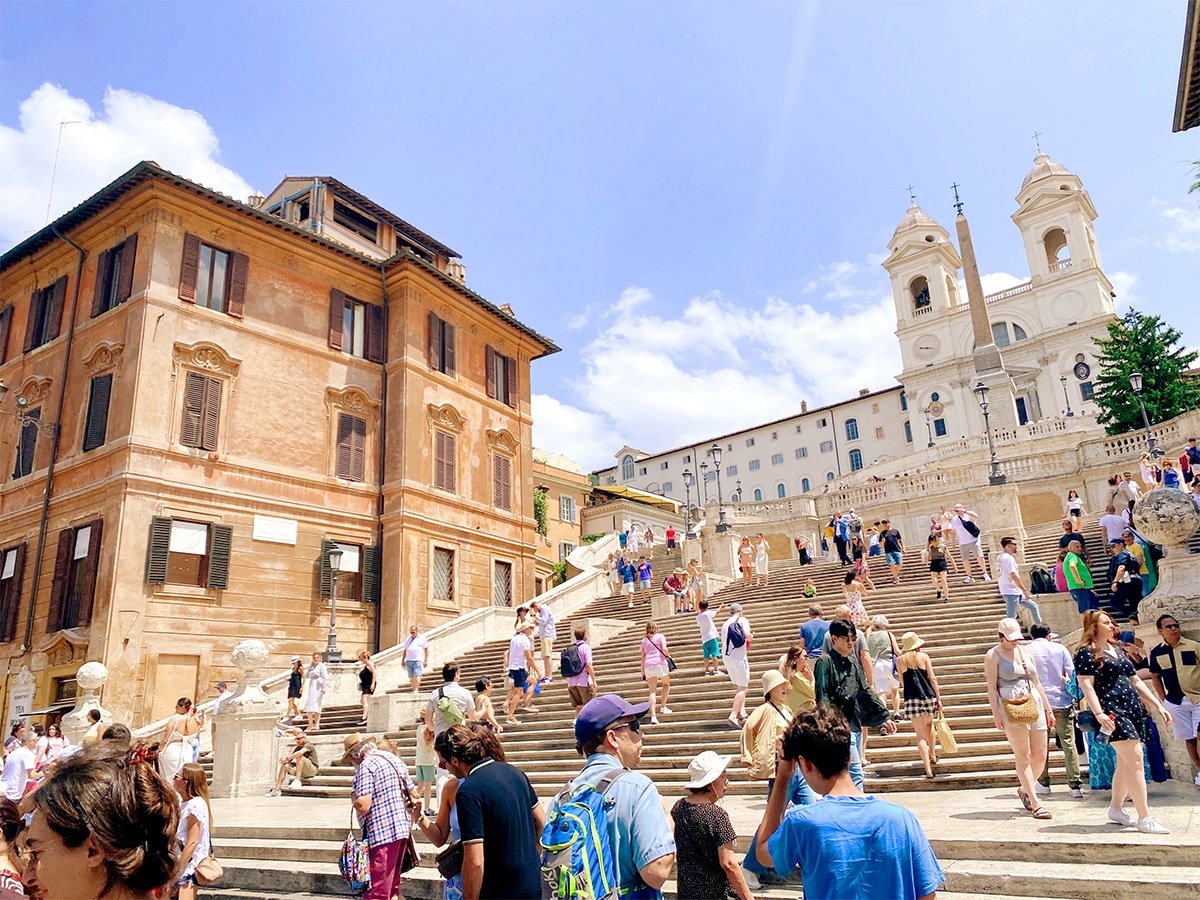 I realize there are a lot of people heading to Italy for the first time this summer, as well as returning travelers like myself who could use a refresher on local customs or pick up a few new tips and tricks. Hopefully, the advice from an Italian native, combined with my own experiences, will help make your trip even better. You can read some of the tips below, watch my full interview with Sebastian, or listen to the podcast on Apple podcasts or Spotify.
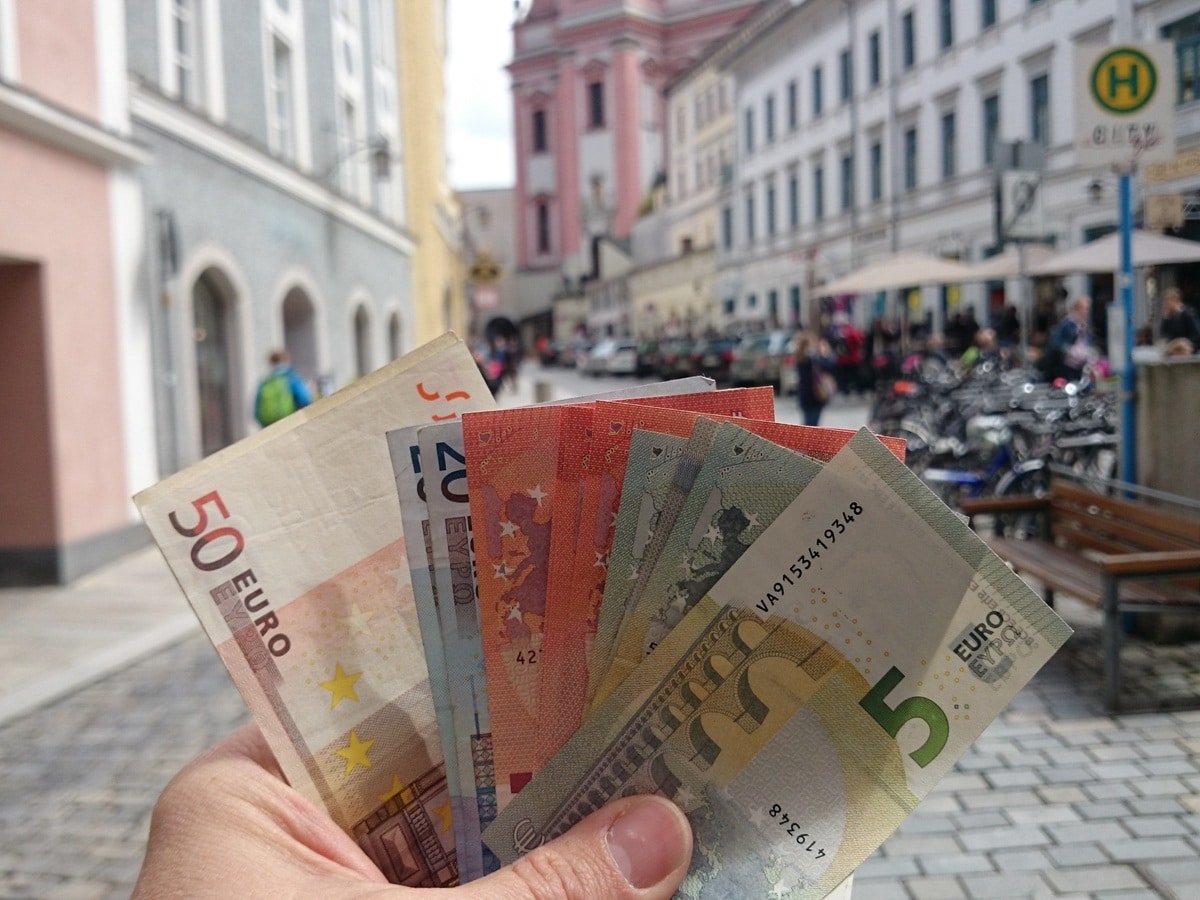
1. Carry petty cash
These days in the major Italian cities, you can pretty much pay for everything with a credit card or Apple Pay. But if you’re going to smaller towns or visiting the markets, then you will want to have local currency. RELATED: Why You Should Wear a Money Belt When You Travel
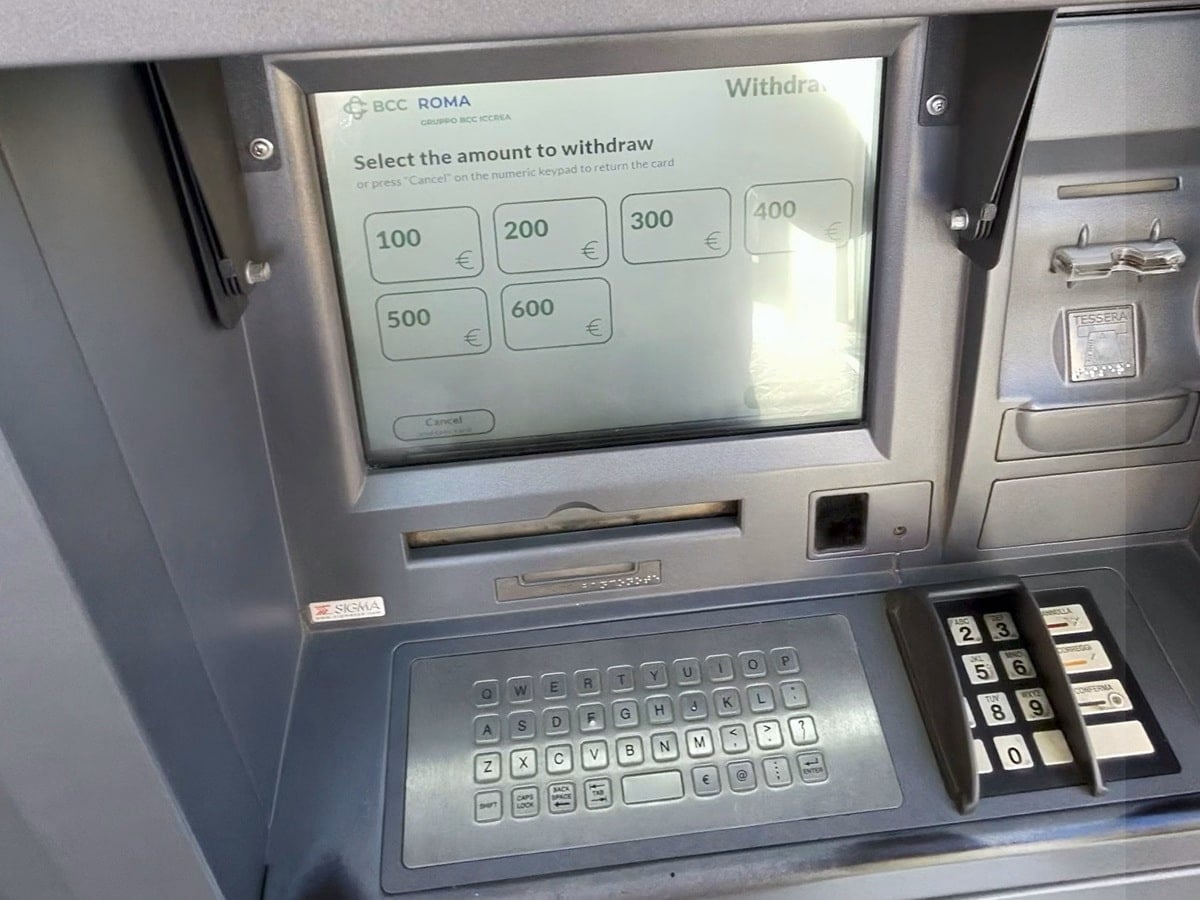
2. Don’t go to currency exchange booths
Sebastian and I both recommend staying away from currency exchanges and instead getting money from the ATM of a reputable bank. Better yet, find out if your bank at home has a partnership with a bank at your destination so you can avoid transaction fees. Also, be sure your credit card doesn’t charge international foreign transaction fees.
 3. Always pay in local currency
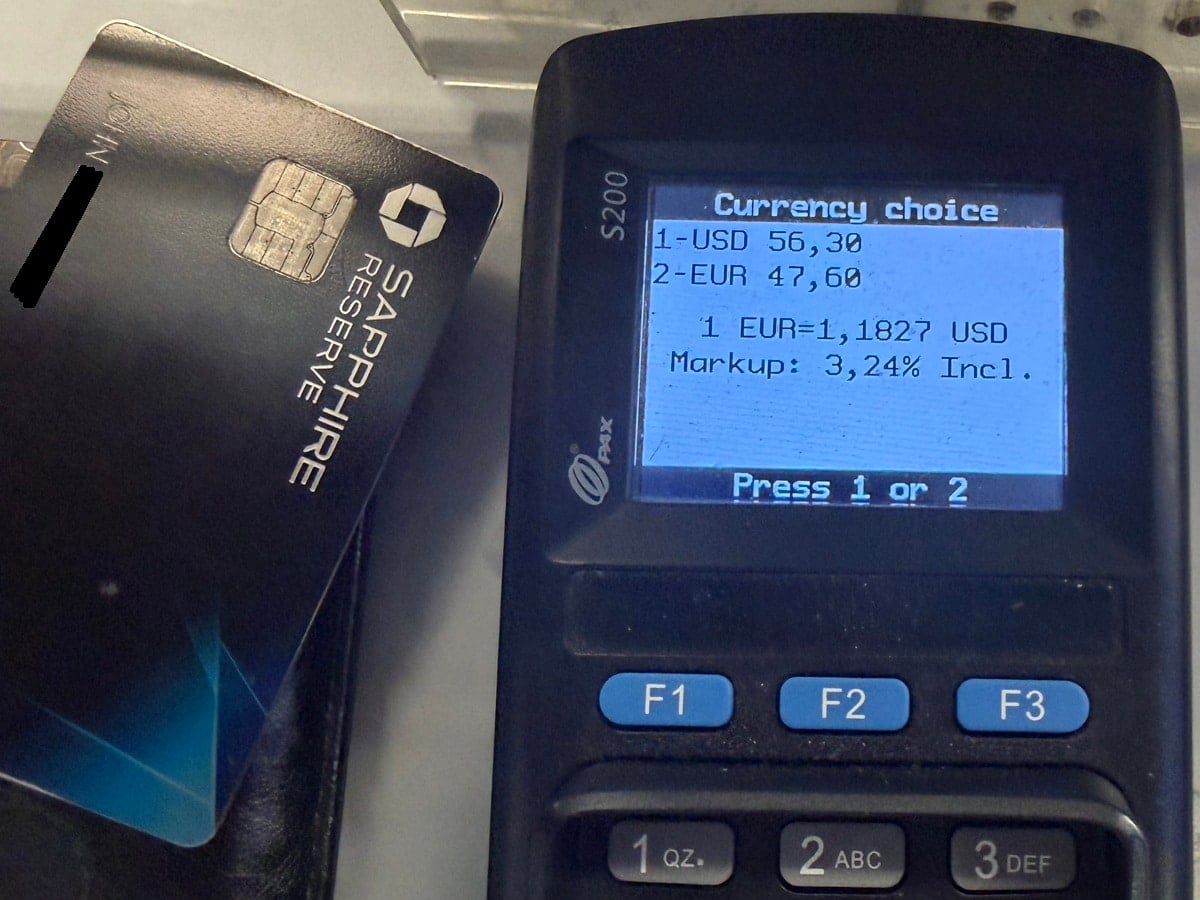 3. Always pay in local currency
Don’t fall for it when vendors ask whether you’d like to pay in U.S. dollars. This practice, known as dynamic currency conversion, typically comes with a less favorable exchange rate and additional fees. Whenever possible, choose to pay in the local currency to get the best rate from your bank or credit card provider.
4. Stay connected
 4. Stay connected
If you have a newer phone with eSIM capability, consider using it as either a backup or your primary source of cellular data while traveling. It’s often much cheaper than relying on your U.S. carrier’s international plan, though it’s always worth checking with your provider to understand your options and costs before you leave.
There are several eSIM providers to choose from, but I use Ubigi because it offers affordable international data plans. I activate it whenever I travel abroad since it allows me to use GPS, book Ubers, make FaceTime calls and stay connected whenever my T-Mobile service slows down or becomes unreliable. Here’s how to set it up.
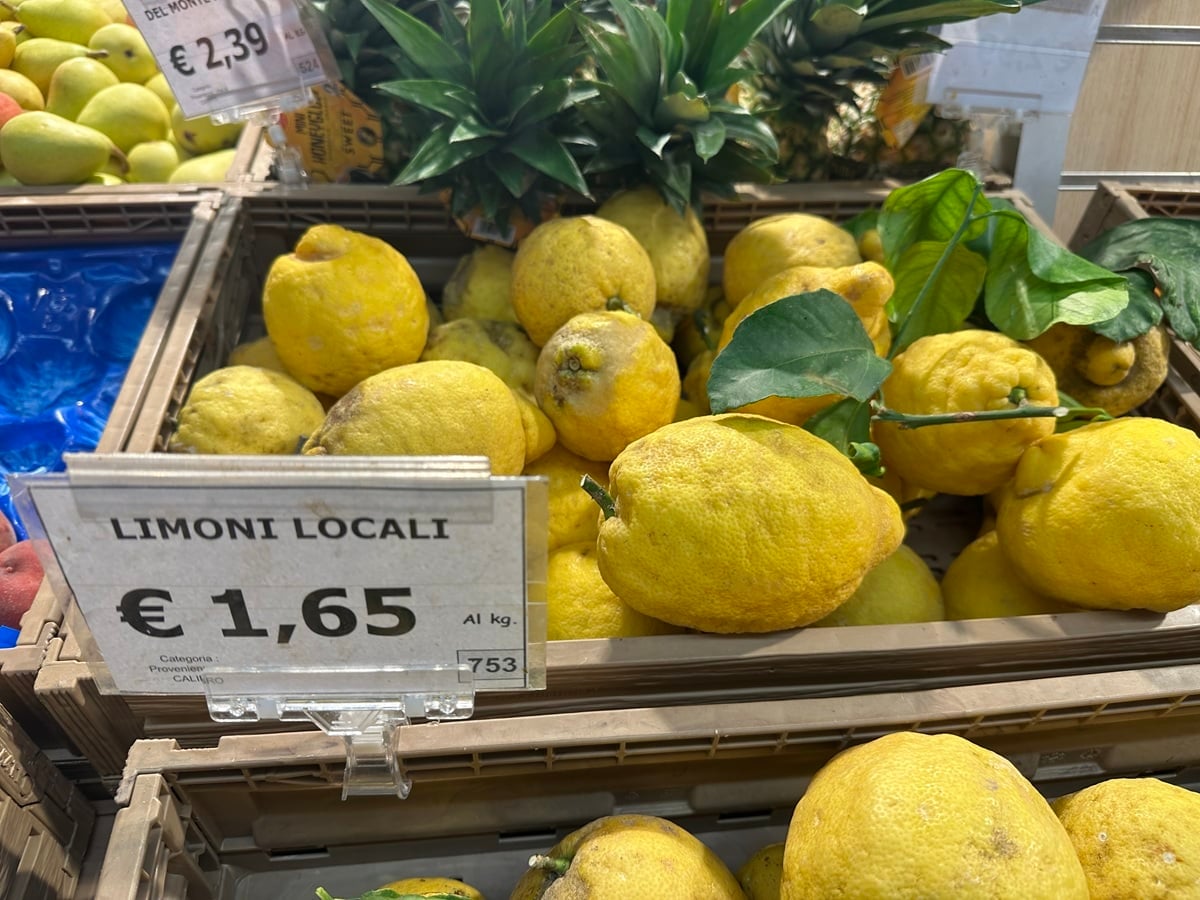
5. Don’t touch the fruit and vegetables
Some things in Europe are quite different than they are here in America, including acceptable behavior at the local markets (not grocery stores). In Italy, for example, you’re not supposed to touch the fruit and vegetables. You just point to what you want. Especially if it’s something delicate like a tomato, which can get easily bruised.

6. Don’t rent a car in Rome or other major cities
When he’s in Rome or other major cities, Sebastian avoids renting a car because parking can be extremely difficult to find. Instead, he uses the FreeNow app. While Uber is available in Italy, it is generally limited to premium services like Uber Black, which can be expensive. FreeNow works much like Uber, but it connects you with licensed local taxis. The app eliminates the need to speak Italian or the local language, works in cities across Europe, and allows you to pay directly through the app by linking a credit card to your account. The app also tracks your route and fare, helping to ensure drivers take efficient routes and providing greater accountability.
 7. Watch for pickpockets
 7. Watch for pickpockets
Always stay alert, especially in crowded places such as train stations, public transportation, tourist attractions, and churches. Keep your backpack, purse, or crossbody bag in front of you whenever possible, and maintain a hand on it in busy areas. Be cautious of anyone who tries to block your path, create a distraction, or slow you down unexpectedly. Pickpockets use a variety of distraction techniques, which you can learn more about in this article on distraction theft.
When traveling—and even at home—it’s wise to keep valuables such as cash, credit cards, and your phone concealed. Women may want to consider an RFID-blocking anti-theft crossbody bag with slash-resistant straps. A money belt is another excellent option for keeping valuables secure while still easily accessible.
I also sometimes wear a Scottevest jacket when I travel. With more than 20 pockets, it allows me to keep my valuables organized, secure, and on my person at all times. They offer a variety of styles for both men and women.
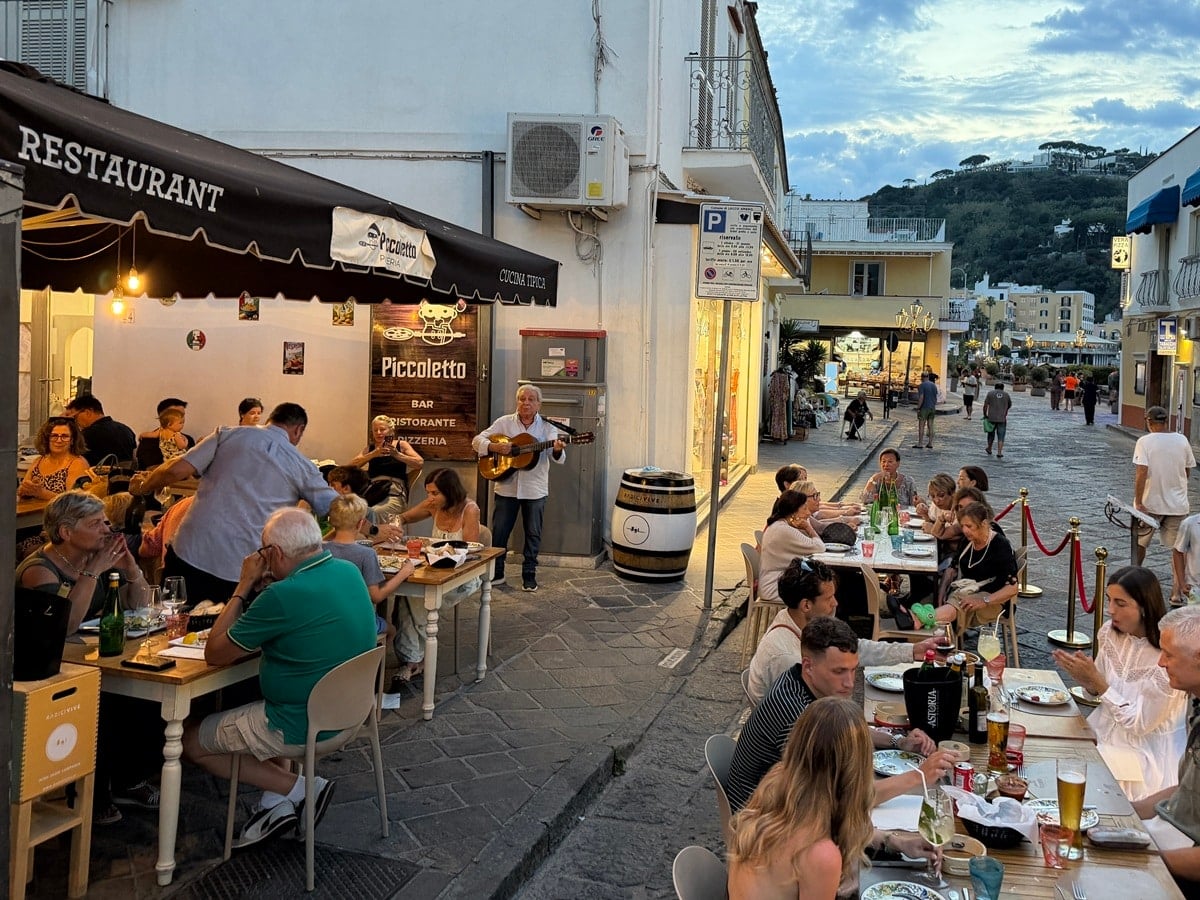
8. Tipping
Sebastian says he always (and it’s kind of customary) to leave a couple of Euros as a tip at a restaurant. Let’s say the bill is €50, it’s customary to leave two or three Euros but he says he would generally leave closer to five.
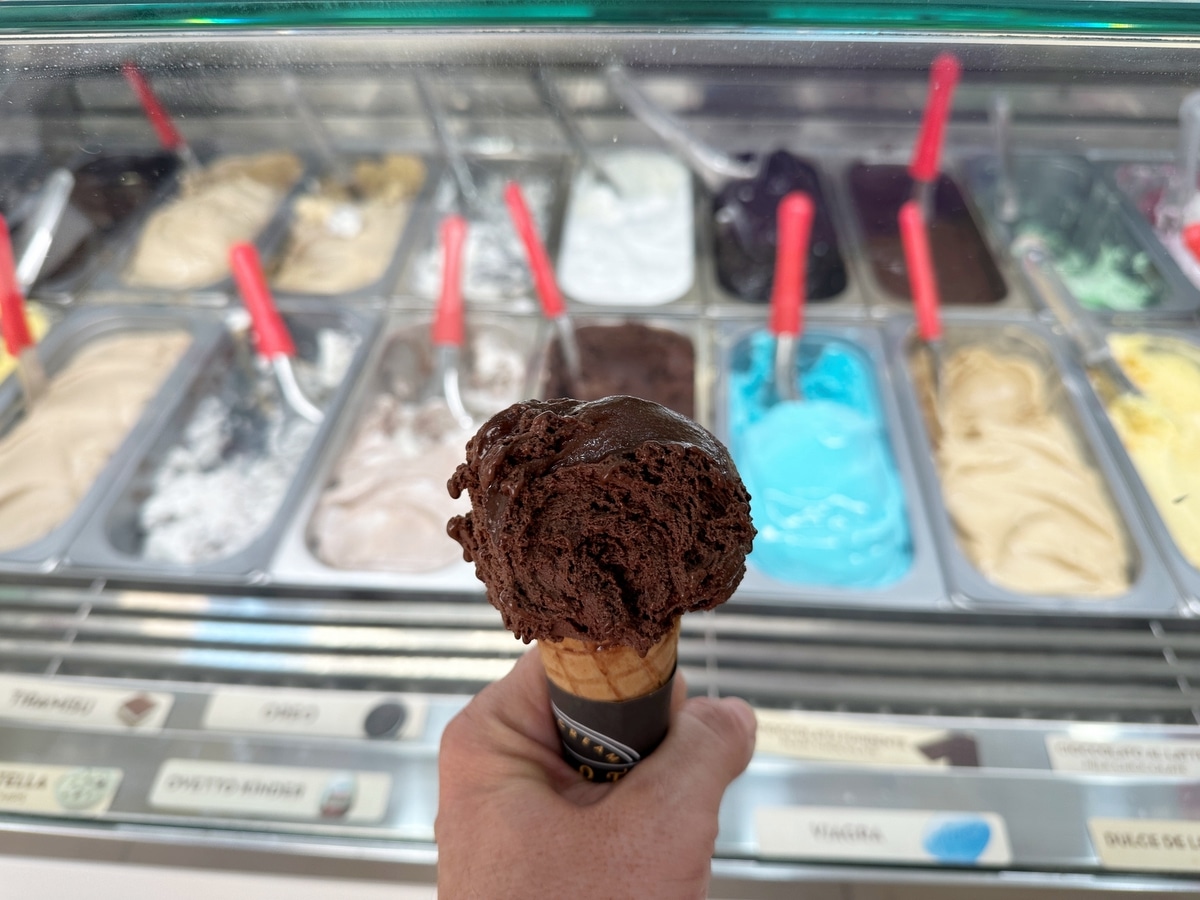
9. How to spot homemade gelato
Who doesn’t like to end an evening on a sweet note? Sebastian says: “How do you know the gelato is the good stuff. If it’s too fluffy and too colorful, you stay away from it.” And what’s his favorite gelateria in Rome? “It’s a little bit out outside of the city center called Juliette. It’s near The Pantheon.”
10. Check for strikes
Unfortunately, my Italian cugini like to strike, which can really put a snafu in your travel plans. If you’re planning a trip to Italy, it’s a good idea to check—or better yet, subscribe to—the Italy Strike Tracker website or app. It could save you a major headache.
Bonus: Sicily’s secret beach
There are two main airports in Sicily: Palermo and Catania. And around those areas, things are a lot more expensive. But near Agrigento, which is the furthest point away from any of these airports, you will find the most beautiful beaches that you’ve ever seen and nobody’s there. Sebastian gives this example: “I was renting a villa on the beach there for 10 days and it was $1,000 for the whole 10 days and people in the area said, “Oh, you overpaid.” Sebastian’s favorite villa is called La Pergola. He says there are no hotels, just Airbnbs. BTW: This is Sebastian’s Airbnb he rents out in Rome.

About Sebastian Harrison
Sebastian Harrison was born in Rome, Italy and grew up between Rome and Los Angeles. After high school, he followed his father’s footsteps and began an acting career in Italy. At 25, he decided that if he didn’t go to university then, he probably never would so he enrolled at UCLA where he eventually obtained two degrees. After graduation, he spent the following few years traveling abroad. It was during this time that he came up with the idea of creating Cellular Abroad, Inc., a company that offers affordable cellular service for Americans traveling internationally. Sebastian continues to helm Cellular Abroad but still finds time to pursue his other many other passions, including writing, travel and stand-up paddling. He is married to Livia Pillmann, a Hungarian actress and he has one son from a previous marriage.
KEEP READING:
–10 Best Budget-Friendly Vacation Destinations For 2023
–10 Best Budget-Friendly Destinations in the United States For 2023
–8 Affordable Beach Vacations to Take in 2023
–Free Things to Do in 10 Canadian Cities If You’re Traveling on a Budget in 2023
–The 10 Most Instagrammable Tourist Attractions in California
Want more travel news, tips and deals? Sign up to Johnny Jet’s free newsletter and check out these popular posts: The Travel Gadget Flight Attendants Never Leave Home Without and 12 Ways to Save Money on Baggage Fees. Follow Johnny Jet on MSN, Facebook, Instagram, Pinterest, and YouTube for all of my travel posts.


Tlhe airport in Sicily is Catania, not Catalonia. Catalonia is a region in Spain where Barcelona is located.
Good catch! I just made the edit. Thanks