An experienced traveler says she and three companions were directed to an unusual airport location, charged $100 each and given vaccination certificates without receiving any shots. Her experience is an important warning for anyone planning an international trip.
I’ve traveled all over the world and one thing I’ve learned is that even the most experienced travelers can get caught off guard by unexpected entry requirements. That’s especially true when visiting multiple countries, where the rules can change depending on where you’ve been, not just where you’re going.
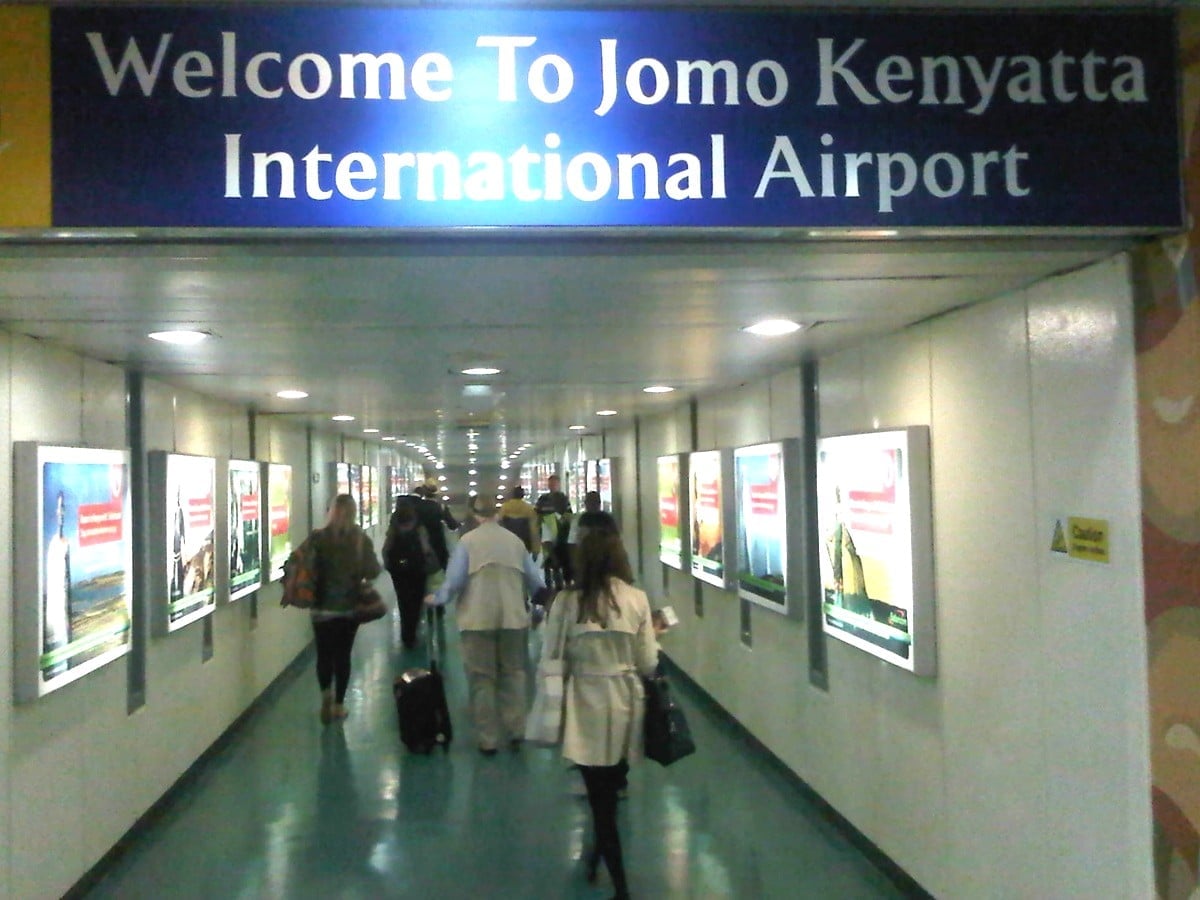
I’ve been fortunate enough to visit Kenya myself and have traveled through Nairobi’s Jomo Kenyatta International Airport. My own experience was different from what this reader describes, which is why her story caught my attention. Kenya is an incredible destination and I certainly wouldn’t want this incident to discourage anyone from visiting. But her experience is an important reminder that travelers need to understand health requirements before arriving at the airport.
A JohnnyJet.com reader recently contacted me about a troubling experience at Nairobi’s Jomo Kenyatta International Airport in Kenya. After spending three wonderful weeks exploring the country, she and three traveling companions were preparing to fly to Cairo, Egypt, when they encountered a problem they never anticipated.
They needed proof of yellow fever vaccination to enter Egypt, and none of them had it.
What happened next left them $400 poorer and holding vaccination certificates despite never receiving a vaccine.
The reader, who is 78 and has traveled extensively, asked to remain anonymous. I’m honoring that request. She also provided photographs of the location where the incident occurred and the vaccination documents they received.

A late-night surprise at Nairobi Airport
The incident occurred during the early morning hours of October 25, 2026, as the four travelers attempted to check in for an EgyptAir flight scheduled to depart Nairobi at 2:55 a.m.
According to the reader, they had carefully researched their trip, including obtaining malaria medication through an online travel medicine service that asked for their itinerary. They had also booked separate tours in Kenya and Egypt.
Somehow, they missed one important requirement: Egypt requires proof of yellow fever vaccination from travelers arriving from countries where the disease poses a risk, including Kenya.
At check-in, they were told they couldn’t proceed without the necessary documentation.
The reader says an airport supervisor directed them to a nearby clinic, supposedly located about five minutes away in a parking garage. They were told the facility operated around the clock and could provide the required vaccinations.
A man wearing a suit was assigned to escort them. As they walked away from the terminal, the travelers became increasingly suspicious. The price, they were told, would be $100 per person.
An airport clinic that didn’t look like a clinic
When the group arrived, they found what the reader described as a dimly lit parking garage with a small, unmarked space. There were no obvious signs identifying a medical clinic and no medical personnel waiting to administer vaccinations.
Another man appeared and offered to obtain the necessary documents after photographing their passports. The travelers were reluctant to surrender their passports or let them out of sight.
They were also informed of another major problem: Yellow fever vaccination certificates generally don’t become valid until 10 days after vaccination. Even if they received the shots that night, they wouldn’t immediately satisfy the normal vaccination certificate requirement.
The travelers felt trapped. They had already completed their Kenya trip, had reservations in Egypt and were facing the possibility of missing their flight. After some waiting, the man returned with vaccination documents containing their personal information and official-looking stamps.
According to the reader, none of the four travelers received a yellow fever vaccine. They were simply handed the documents.
 Four passengers, $400 in cash and no vaccinations
 Four passengers, $400 in cash and no vaccinations
The group initially protested the $400 charge and said they didn’t have enough cash. They were told an ATM was available.
Eventually, they paid the full amount in U.S. currency. The reader says they insisted on having the documents reviewed by their original airport contact before paying. She also reported that one of the men escorted them through airport security without being questioned.
The documents were subsequently inspected at two airport checkpoints, according to her account, and the travelers were allowed to continue their journey. When they arrived in Cairo, she says no one asked to see the certificates again.
The reader believes the incident was a scam and suspects that some of the people involved may have had connections within the airport. However, those suspicions have not been independently verified, and there is no established evidence that Kenyan government officials or EgyptAir authorized or participated in the alleged activity.
The reader has not filed a formal complaint with the airline or airport authorities.
JohnnyJet.com has reviewed photographs supplied by the reader, including images of the vaccination documents and the airport location she described. The photographs alone cannot establish who issued the documents or whether the individuals involved were authorized to provide medical services.
What the official yellow fever rules actually say
After receiving her email, I researched the requirements and confirmed that Egypt does require yellow fever vaccination certificates for travelers arriving from countries with a risk of yellow fever transmission, including Kenya.
According to the Centers for Disease Control and Prevention (CDC), travelers generally need an International Certificate of Vaccination or Prophylaxis, commonly called a yellow card.
There are several important details travelers should understand:
- Yellow fever vaccination certificates generally become valid 10 days after the initial vaccination.
- A properly documented yellow fever vaccination is generally valid for life.
- Some countries require proof of vaccination based on where you’ve recently traveled, even if you are only connecting through certain countries.
- Travelers without valid documentation may be denied entry, quarantined or required to receive vaccination, depending on the destination’s rules.
Interestingly, Kenya’s Ministry of Health lists an official Port Health vaccination facility at Jomo Kenyatta International Airport that operates 24 hours a day.
That doesn’t mean a traveler can obtain a vaccine minutes before departure and immediately satisfy another country’s 10-day validity requirement.
More importantly, a vaccination certificate is not a substitute for actually receiving a vaccine. Providing documentation without administering the vaccine, unless properly reissuing a record of an earlier legitimate vaccination, undermines the purpose of international health requirements.
For official information, visit the CDC’s yellow fever vaccination certificate guidance and Kenya’s Ministry of Health vaccination center directory.
Then another airport nightmare happened in Cairo
Unfortunately, the Nairobi incident wasn’t the end of the group’s travel troubles. On November 3, the same four travelers arrived at Cairo International Airport four hours before their scheduled 1:05 p.m. Qatar Airways flight to Doha, where they planned to connect onward to the United States.
They arrived unusually early because they didn’t want to experience another airport problem. Instead, they encountered a new health documentation requirement related to the Ebola outbreak in the Democratic Republic of the Congo.
The reader says they were instructed to complete an online declaration confirming they had not recently visited the country. Despite spending approximately two and a half hours attempting to complete the process, unreliable airport internet access made it extremely difficult.
Eventually, two members of the group completed the forms and received confirmation emails. Their two companions weren’t so fortunate. Although the group managed to submit the remaining forms using a borrowed phone, the confirmations didn’t arrive in time for those travelers to board.
The reader and one companion reluctantly continued their journey, while their friends remained behind and purchased replacement flights through London to Phoenix.
The CDC had announced a new Ebola-related attestation requirement for international air travelers to the United States. The requirement was scheduled to take effect at 11:59 p.m. Eastern on November 3, 2026, and continue through December 18 unless modified or rescinded.
Importantly, the reader’s difficulties at Cairo occurred earlier on November 3, before the CDC order’s stated effective time. It remains unclear why the airline required the documentation at that point or whether it was applying its own advance procedures.
The incident illustrates how confusing the implementation of international health rules can be, particularly when travelers are relying on airline communications, internet access and tight connections.
How travelers can avoid similar problems
There are several lessons here that I hope every international traveler takes seriously.
1. Check the entry requirements for every country on your itinerary. Don’t just research your final destination. If you’re visiting multiple countries, check how arriving from one country might affect your entry into the next.
2. Review vaccination requirements well before departure. Some vaccines need to be administered weeks before travel. Yellow fever certificates generally aren’t valid until 10 days after vaccination, so don’t assume you can resolve the issue at the airport.
3. Use official government and health sources. I recommend checking CDC Travelers’ Health and the U.S. State Department’s country information pages. Confirm the requirements with your airline as well.
4. Be cautious when someone directs you away from an official airport counter. If you’re told to visit a medical facility or pay an unexpected fee, ask for the facility’s name, credentials and an official receipt. Verify the instructions directly with airport health authorities when possible.
5. Never purchase vaccination documentation for a vaccine you haven’t received. Aside from the potential legal consequences, inaccurate medical records can create serious public health risks. If you’ve missed a required vaccine, ask an authorized medical professional and your airline about legitimate options.
6. Save important documents before leaving home. Download vaccination records, travel authorizations, airline confirmations and other necessary forms to your phone. Keep paper copies when appropriate, especially when traveling somewhere with unreliable internet access.
7. Recheck requirements shortly before every flight. Rules can change during a trip. Don’t assume the information you researched before leaving home will still be current several weeks later.
My take: Even experienced travelers can get caught off guard
I’ve been traveling internationally for decades and I’ve learned that no amount of preparation guarantees a trouble-free trip. But the more homework you do, the better your chances of avoiding a costly surprise.
What concerns me most about this reader’s experience is the possibility that people were able to obtain official-looking vaccination certificates without actually receiving the required vaccines.
If her account is accurate, that raises serious questions about how the documents were issued and checked.
At the same time, I don’t want this story to discourage anyone from visiting Kenya. The reader repeatedly emphasized that she and her companions had an amazing three weeks in the country. Her frustration was with what happened at the airport, not with Kenya or its people. I think that’s an important distinction.
She ended her correspondence with a piece of advice that I couldn’t agree with more: “I guess the bottom line is check, check and recheck med requirements, know that travel is story making of all kinds, and remember to breathe!”
That’s good advice for all of us.
Have you ever encountered an unexpected vaccination requirement, suspicious airport charge or last-minute travel restriction? I’d love to hear your experience.