I’ve spent decades traveling through airports and if there’s one thing I’ve learned, it’s that getting through an airport quickly isn’t always about walking faster or having elite airline status. Sometimes, it’s just knowing which services are available and how to use them.
 Most travelers know about TSA PreCheck, and increasingly, more people are discovering newer services like TSA PreCheck Touchless ID. But there are other ways to save time at the airport that have nothing to do with signing up for another trusted traveler program.
Some are free, some require a little advance planning and some are only worth using under certain circumstances. With Thanksgiving and the busy holiday travel season approaching, here are five airport shortcuts worth knowing about, along with my advice on when they actually make sense.
 1. Use expedited bag drop instead of waiting at the ticket counter
 1. Use expedited bag drop instead of waiting at the ticket counter
If you’re checking a bag, don’t automatically assume you need to stand in the regular airline check-in line.
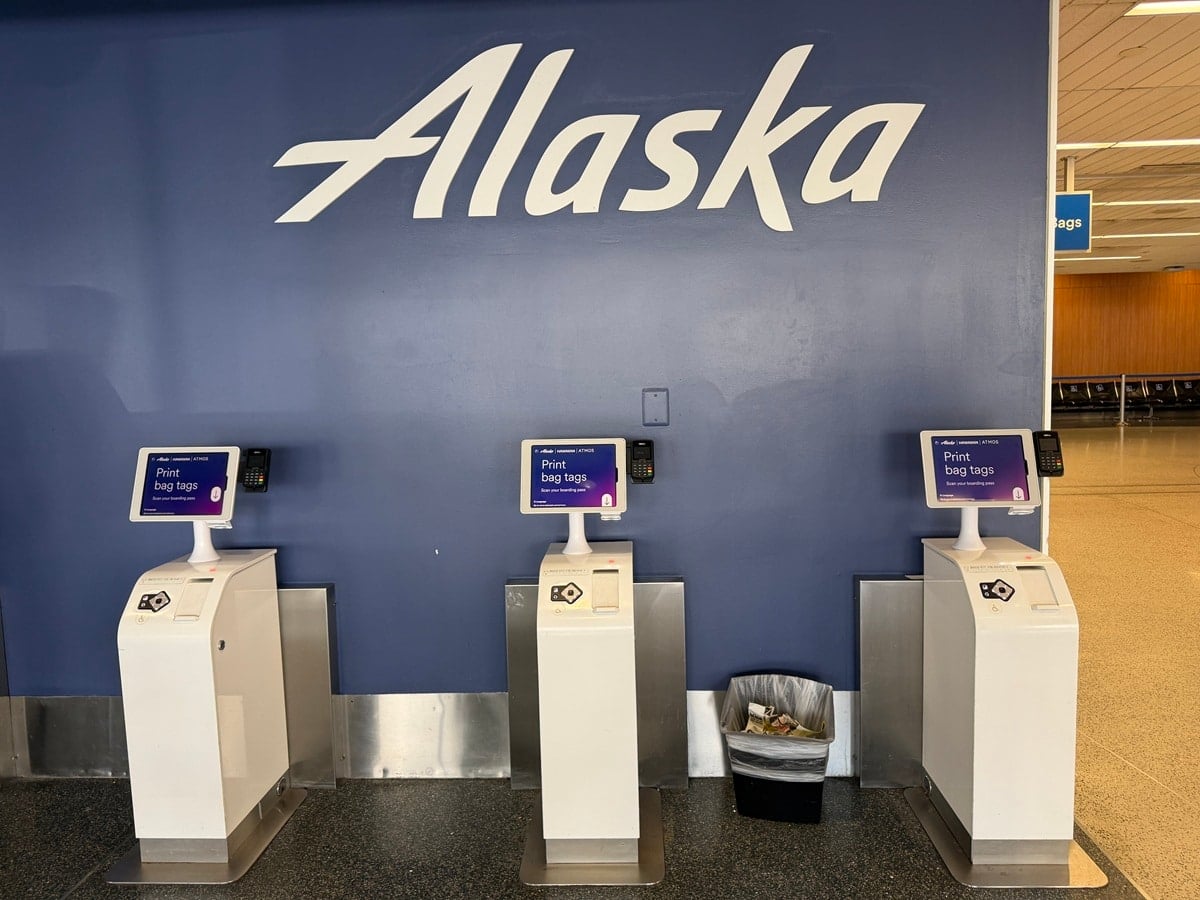
Many airlines offer self-service bag tagging or expedited baggage drop-off options that can save you time, especially when the ticket counter is crowded.
For example, American Airlines offers Express Bag Tags for eligible passengers flying domestically in Main Cabin. You can add and pay for your checked bags online or in the airline’s app, then scan your boarding pass at an airport kiosk to print your bag tags. Attach the tags and take your luggage to the designated bag-drop area.
I’ve used expedited bag drop services myself, and they’re something I recommend for domestic flights.
For international travel, it gets complicated. Depending on your destination, airline and itinerary, you may still need an airline employee to verify your passport or other travel documents. That can eliminate some of the time savings you were hoping for.
My advice: Before leaving for the airport, check your airline’s app to see whether you can pay for baggage and prepare your bag tags in advance. When you arrive, look for signs directing passengers to self-service bag drop rather than automatically joining the longest line. Just remember that expedited bag drop doesn’t mean you can arrive at the airport at the last minute. Airlines still enforce baggage acceptance deadlines.
2. See whether your airport offers free security reservations
 2. See whether your airport offers free security reservations
Here’s an airport shortcut many travelers don’t know about: At some airports, you can reserve a time to go through security, and it won’t cost you a penny. Think of it as making a reservation for airport security. Instead of simply showing up and joining the regular line, you book a time slot in advance and use a designated entrance when you arrive. You’ll still go through TSA screening, but you may avoid a lengthy wait just to reach the checkpoint.
A few airports currently offering free security reservations include:
- Orlando International Airport (MCO): MCO Reserve is available in Terminals A, B and C. You can book your time slot up to seven days before your flight.
- Phoenix Sky Harbor International Airport (PHX): PHX RESERVE is available in Terminals 3 and 4, with reservations opening six days before departure. The airport expanded the program in July 2026 to include all Terminal 4 security checkpoints.
- Seattle-Tacoma International Airport (SEA): SEA Spot Saver is another free option, although the airport is discontinuing the program on November 30, 2026. Reservations will be honored through November 29.
I’ve actually tried SEA Spot Saver myself, although when I arrived at the airport, the regular security line was so short that I didn’t need to use my reservation. Apparently, I’m not alone. One reason SEA is discontinuing the program is that many travelers make reservations but never use them. The airport has also improved its security checkpoints, and according to the Port of Seattle, 94% of travelers now get through security in 20 minutes or less. So, just because you have a reservation doesn’t necessarily mean it’s the fastest option.
It’s also worth knowing that these reservation programs generally use standard TSA screening, so you typically won’t receive your TSA PreCheck benefits in the reserved lane. If you have PreCheck, compare the lines before deciding which option to use.
My advice: Before your next trip, check your departure airport’s website to see whether it offers free security reservations. If it does, book a time slot in advance, especially during busy travel periods. You can always decide not to use it if the regular line is shorter. And remember, these programs can change or disappear altogether, so always confirm availability before traveling.
3. Check security wait times before choosing a checkpoint
 3. Check security wait times before choosing a checkpoint
Most travelers walk into the airport, find the nearest security checkpoint and get in line. But depending on the airport, that might not be the smartest move.
Some airports have multiple security checkpoints that provide access to the same gates. If one checkpoint is backed up and another has a much shorter wait, choosing the less crowded option could save you time. Seattle-Tacoma International Airport, for example, has six security checkpoints, and travelers can access all gates from any checkpoint once they’re through security.
The airport also provides checkpoint wait-time information, along with details about which checkpoints offer general screening, TSA PreCheck and other services. This matters because the closest checkpoint isn’t necessarily the fastest one.
Of course, there are a couple of catches. Not every airport publishes useful wait-time information, and not every checkpoint offers the same screening options. A checkpoint with a short general screening line might not have TSA PreCheck, for example. Wait-time estimates can also change quickly.
My advice: Before heading to security, check your airport’s official app, website or terminal signage. If the airport allows passengers to access all gates from multiple checkpoints, compare your options before getting in line.
But don’t walk halfway across a massive terminal just to save a few minutes on a wait-time estimate that could change before you arrive.
 4. Reserve your airport parking before you leave home
 4. Reserve your airport parking before you leave home
Airport parking might not sound like an exciting travel hack, but here’s something many travelers don’t realize: Booking your parking online in advance can sometimes save you a significant amount of money. Many airports and off-site parking operators offer discounted rates for advance reservations, and the savings can really add up if you’re leaving your car for several days.
Beyond saving money, reserving ahead can also save you time and stress. Anyone who’s circled a crowded parking garage while watching the clock knows how frustrating that can be, especially during the busy holiday travel season. And if you’re using an economy lot that requires a shuttle, you’ll need to factor in the extra time getting to the terminal.
Not all parking reservations are designed to save you money, though. Some are premium services that charge extra for convenience. For example, Denver International Airport offers Premium Reserve parking, which guarantees travelers a covered parking space on Level 4 of the airport’s East or West garages, just steps from the terminal. Reservations can be made between 24 hours and 90 days in advance.
The convenience comes at a price: $45 per day, plus a one-time $5 reservation fee. That’s $10 more per day than regular garage parking, before the reservation fee. But during busy travel periods, knowing exactly where you’re going to park could be worth the extra expense.
My advice: Never just show up at the airport and assume you’ll get the best parking rate. Check the airport’s official website ahead of time to see whether you can reserve a spot at a discount. It’s also worth comparing reputable off-site parking lots, which can sometimes be considerably cheaper than parking at the airport. Just be sure to factor in shuttle times, fees and cancellation policies.
And here’s another tip: Parking closest to the terminal is usually the most expensive, so if you’re looking to save money, compare the airport’s economy lots and nearby off-site parking facilities. Just remember that cheaper parking often means taking a shuttle, so factor in the extra time. If you’re traveling with kids, lots of luggage or have an early morning flight, paying more to park within walking distance of the terminal might be worth it. Either way, a few minutes of planning before you leave home could save you both time and money.
5. Skip baggage claim altogether when it makes sense
 5. Skip baggage claim altogether when it makes sense
One of the simplest ways to save time at an airport doesn’t require an app, a reservation or a special membership. It’s traveling with carry-on luggage only. I’ve been preaching the benefits of this for years because there are so many advantages beyond simply avoiding baggage claim.
When you travel carry-on only, you can usually check in online and head straight to security without stopping at the airline counter. If your flight is significantly delayed or canceled, it’s often much easier to switch flights because you don’t have to worry about retrieving or rerouting your checked luggage. You also eliminate the risk of the airline losing your bag, avoid checked baggage fees and can get out of the airport much faster after landing. Plus, taking public transportation is generally easier when you’re traveling light.
My wife and I used to travel around the world with carry-on bags only, even on month-long trips. We’ve visited almost 70 countries together, and for years, we rarely checked luggage. But that changed when we had kids. Traveling with two young children means bringing a lot more stuff, and checking bags is sometimes unavoidable. Fortunately, they’re getting older and can now help carry more of their own belongings.

Here’s another option many travelers overlook: Ship your luggage ahead of time.
I’ve done this myself using both FedEx Ground and UPS Ground. Instead of checking a suitcase with the airline, I’ve packed my belongings, sometimes just dirty clothes from a trip, into a box and shipped them home. When you plan far enough ahead, the price can be comparable to checking a bag, depending on the size, weight and destination.
There are also companies that specialize in luggage shipping, including:
- LugLess: Offers luggage shipping services using major shipping carriers, with different service levels and delivery options.
- Luggage Forward: Specializes in door-to-door luggage delivery for domestic and international trips.
- Luggage Free: Offers luggage and sports equipment shipping, including international destinations.
- FedEx and UPS: You can also ship your belongings directly through these carriers, potentially saving money by packing them in a standard cardboard box and choosing ground shipping.
The catch is that shipping luggage requires advance planning. For domestic ground shipping, I recommend allowing at least five business days when possible, although actual transit times depend on the route and service. You’ll also want to compare the total shipping price with your airline’s baggage fees, especially if you already receive free checked bags through elite status or a credit card.
Another important tip: Check with your hotel before shipping anything there. Some hotels charge package receiving or handling fees, which can quickly eat into any savings. You’ll also want to confirm that the hotel will accept your shipment and hold it until you arrive.
And whether you’re checking your bag with an airline or shipping it ahead, I recommend putting an Apple AirTag or another compatible luggage tracker inside for added peace of mind. Just remember that shipping services have their own restrictions, including limitations on certain items and liability coverage.
My advice: Think about the entire journey, not just the flight itself. If you can comfortably travel with a carry-on and your ticket allows it, skipping baggage claim can be a terrific time-saver. But don’t make yourself miserable trying to squeeze everything into a tiny suitcase just to avoid checking a bag.
If you’re traveling with lots of luggage, holiday gifts or bulky items, compare the cost of shipping your belongings ahead with what the airline would charge. This can be especially helpful for travelers with mobility challenges or anyone who simply doesn’t want to drag heavy bags through a crowded airport.
Sometimes convenience means bringing less. Other times, it means checking your suitcase or having it delivered right to your destination.
The best airport shortcut? Knowing what works for your trip
After decades of flying, I’ve learned that the best airport shortcuts aren’t necessarily the newest or most expensive ones. They’re the ones that solve an actual problem. Expedited bag drop can help when the ticket counter is crowded. A free security reservation might save you time at a busy checkpoint. Checking airport wait times can help you avoid an unnecessarily long line. And planning your parking or baggage strategy in advance can eliminate frustrating delays.
But there’s no single shortcut that works for every airport, every airline or every trip.
My biggest piece of advice is to spend a few minutes researching your airport and airline before you travel. Find out which services are available, understand their limitations and decide which ones are actually worth using.
Because the goal isn’t to rush through the airport. It’s to spend less time standing in lines and more time enjoying your trip.