

I’ve been fortunate in so many ways, including being born in the United States of America, where dreams really can come true.
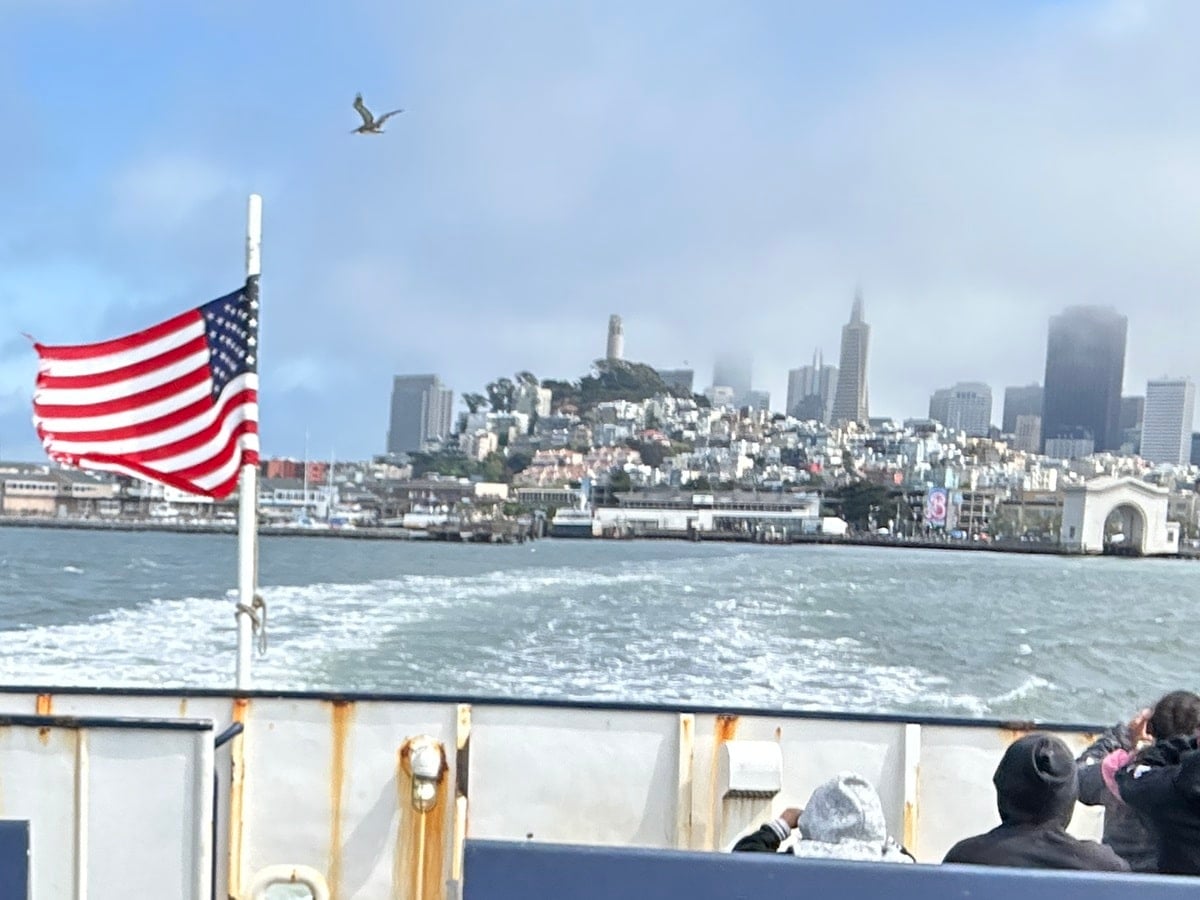 I know the U.S. has developed some negative perceptions around the world because of the news and the messaging coming out of Washington D.C. But it’s worth remembering what Mark Twain once said: “Loyalty to the country always. Loyalty to the government when it deserves it.”
Just because you travel to a country doesn’t mean you agree with its government. I’ve been to more than 80 countries, and in many cases I didn’t even know what positions their governments took. I was there to explore, see the sights, taste the food, and, most importantly, meet the people.
From my travels around the world and across the U.S. (I’ve visited 47 of the 50 states), I’ve learned that the overwhelming majority of people, including Americans, are good. It’s the small minority, maybe 1-3%, who make the headlines and give the rest a bad name.
The news can make you hesitant to travel, but my experience has been the opposite. Time and time again, I’ve visited countries, states, and even neighborhoods in my own city of Los Angeles that I was initially nervous about because of what I’d seen in the media. Then I got there and realized that what makes the news is rarely the norm.
NBC 10 Boston recently interviewed a German traveler (embedded below) who became emotional talking about how kind Americans had been during the World Cup after arriving with reservations about visiting the U.S.

Sebastian Krause admitted he was hesitant about coming to America, but after just a few weeks he said he had fallen in love with the country. He even teared up describing how welcomed he felt. After a German celebration at Fenway Park, a group of strangers offered him a ride back to his hotel. It was such a simple act of kindness, but it’s the kind of moment people remember.
I’ve experienced moments like that both at home and abroad. Last year, I was walking to play volleyball when a middle-aged man with a thick European accent asked me for directions to the beach. Since I was headed there, I invited him to walk with me. I asked where he was from, and he replied, “Switzerland.” I told him how much I love Switzerland, and he smiled and said how much he loves the United States. When I asked what his favorite part of America was, he didn’t hesitate: “The National Parks” and “the people.”
I think hosting the World Cup gives the U.S. a tremendous opportunity to remind the world what our country is really like.
Geoff Freeman, President and CEO of the U.S. Travel Association, captured it perfectly in a recent Washington Examiner essay: “The early days of the World Cup have offered many inspiring moments… a quieter revelation: Everyday Americans, not politicians, are the most effective ambassadors our country has.”
That’s exactly right.
The goodwill created by the World Cup is a tremendous opportunity, but we shouldn’t squander it. As Freeman argues, America needs to pair the hospitality of its people with policies that encourage, rather than discourage, international visitors. Proposals such as a new $250 visa integrity fee for many travelers who need a U.S. visa, and requiring travelers from certain countries to post bonds of up to $15,000 before visiting, send the wrong message. Whether someone agrees with those ideas or not, they make visiting America feel more expensive, more complicated, and less welcoming.
As Freeman also wrote, visitors are discovering “America’s warm welcome, unique attractions, local food… these images tell a very different story than many people see in the headlines.”
If we want to rebuild America’s reputation, we should make it as easy as possible for people to come here, spend their money, and experience the country for themselves. America’s greatest ambassadors aren’t in Washington. They’re the everyday people welcoming visitors in communities across the country.
Well said. We need to counter the damage our government is doing to our standing and reputation as much as possible. I agree overall with your premise about most Americans being welcoming; I simply don’t understand the disconnect between the hospitable way we act as individuals and the inhospitable way we vote.