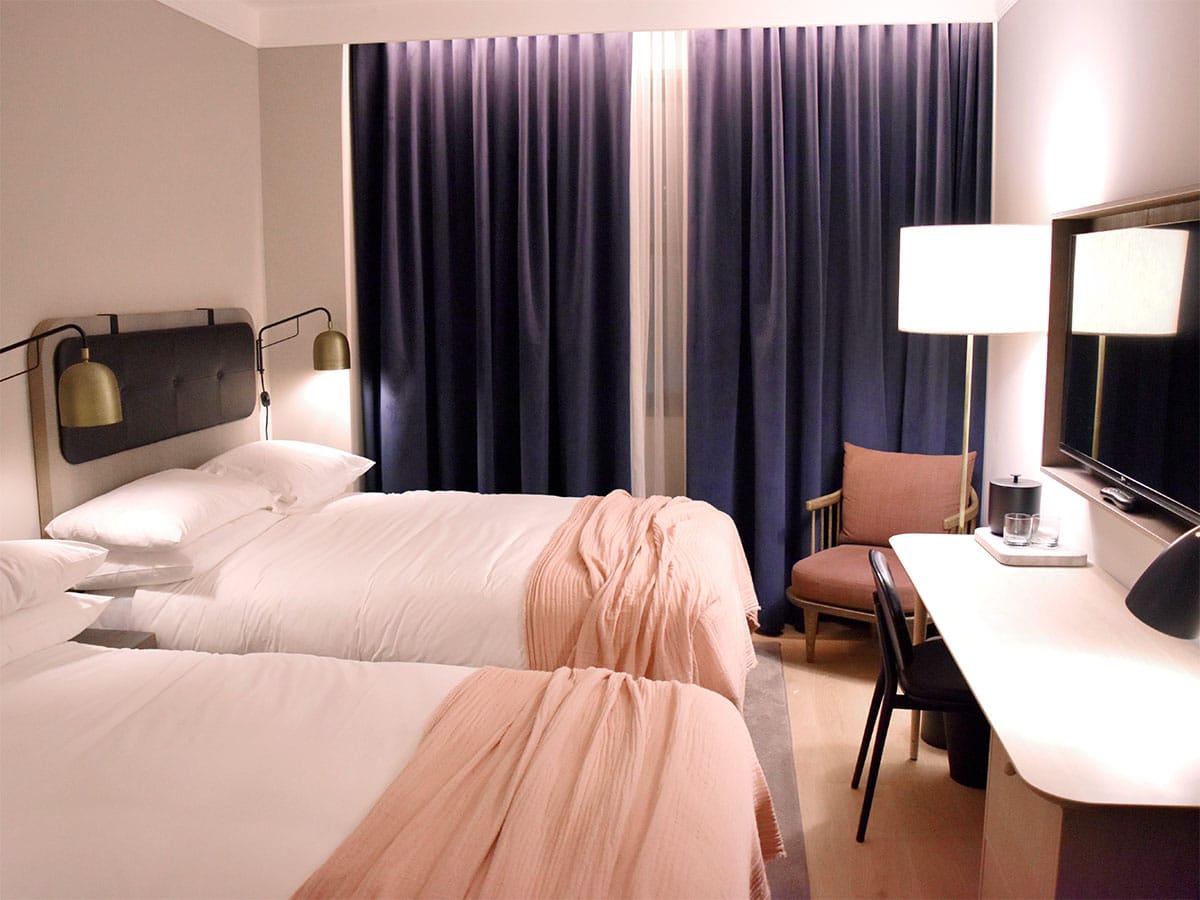
If you’re following along on our Tahiti adventure, this is part three. After flying from Los Angeles to Papeete (part 1) and staying in a house rental instead of a hotel (part 2), we finally hit the sites.

The first few days brought an unusual and unprecedented storm. It rained so hard I wasn’t sure our tour, arranged by the tourism board, was still on. I messaged our guide, Marie-Jeanne Nordhoff from Nordhoff Adventure, via WhatsApp to check, and she quickly replied, “I just arrived at your house.” Sure enough, she was waiting in her comfortable van. I invited her in since she was early and we were still getting ready. The kids gave her a tour of our amazing vacation rental and then we were off.
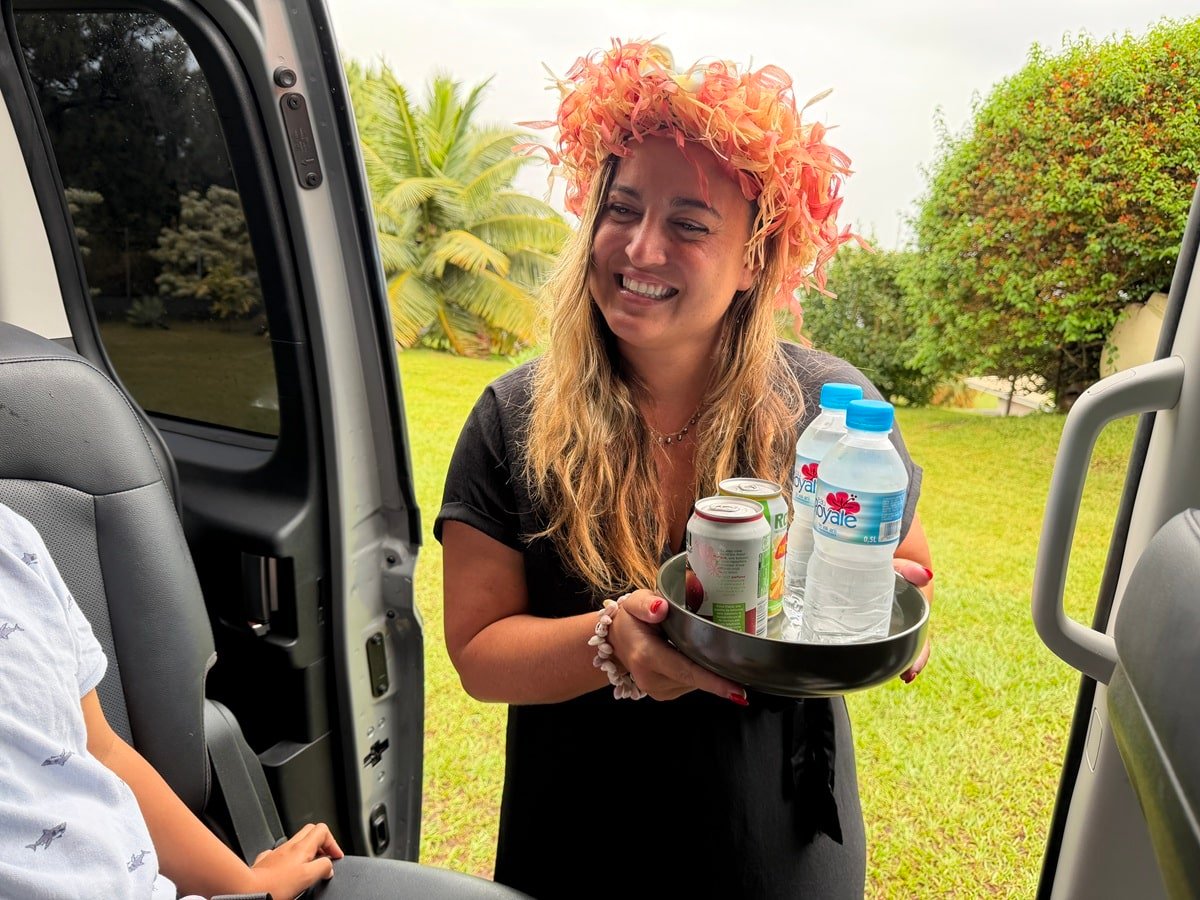
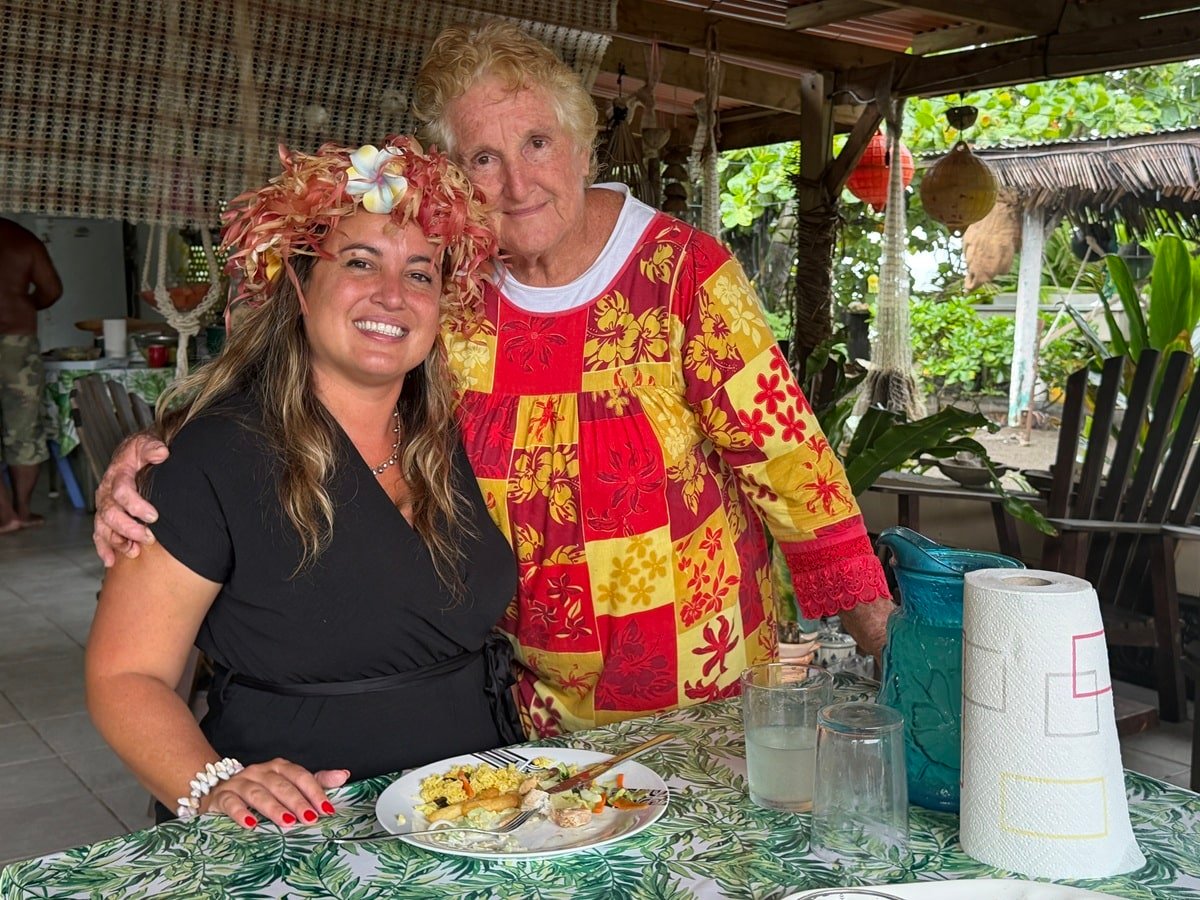
For our tour, we were reminded to pack a backpack with a swimsuit, towel, hat, change of clothes, flip-flops, mosquito repellent and ecological-friendly sunscreen. Marie-Jeanne was incredibly friendly and knowledgeable. Born in Tahiti, she shared that her grandfather was Charles Bernard Nordhoff (1887–1947) who co-authored Mutiny on the Bounty with James Norman Hall. She leads small guided excursions, particularly half-day tours of Tahiti Nui, the main island. On TripAdvisor she is highly rated with customers praising her knowledge of local history, friendliness and personal touch. Visitors often note that she offers commentary about Tahitian culture, sites and landscapes and includes special touches like local snacks or a stop at her family home for homemade food.

Pointe Vénus
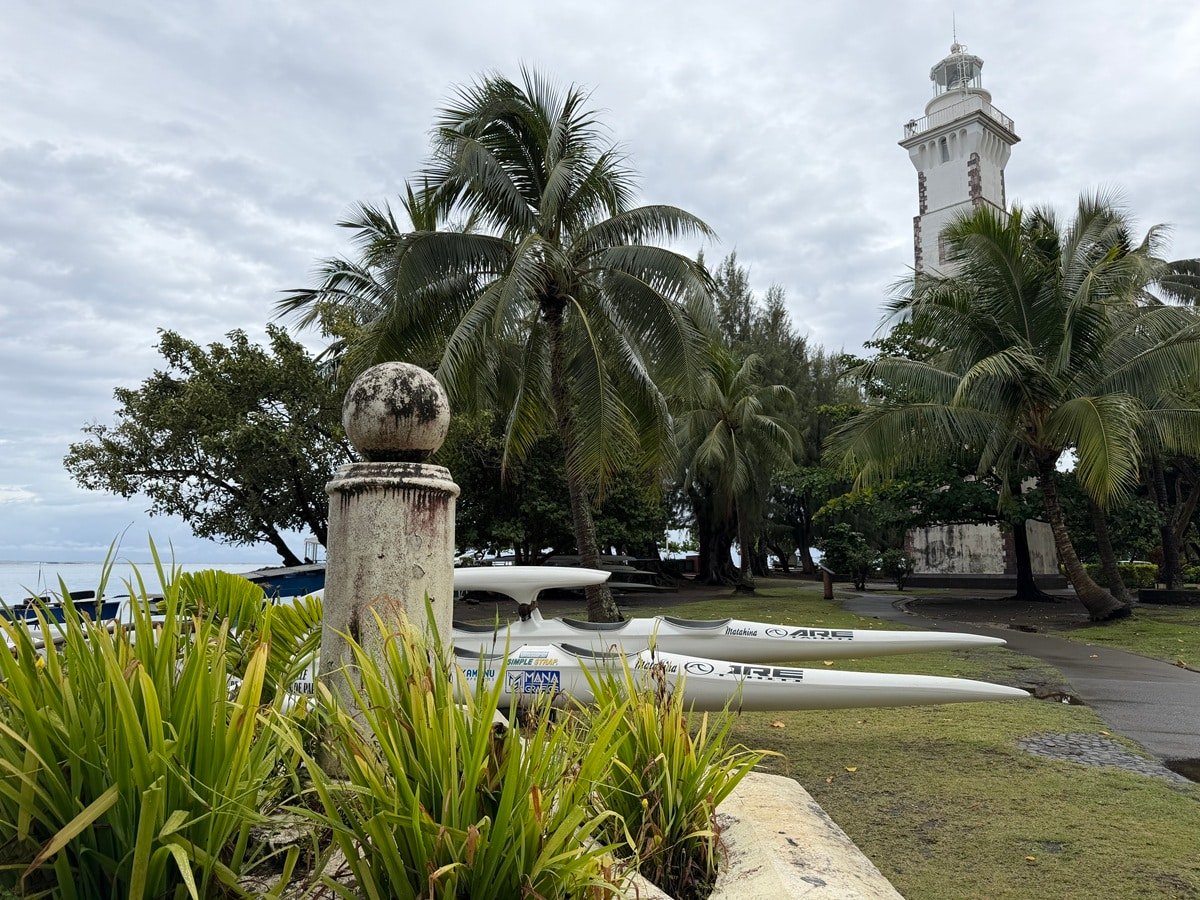
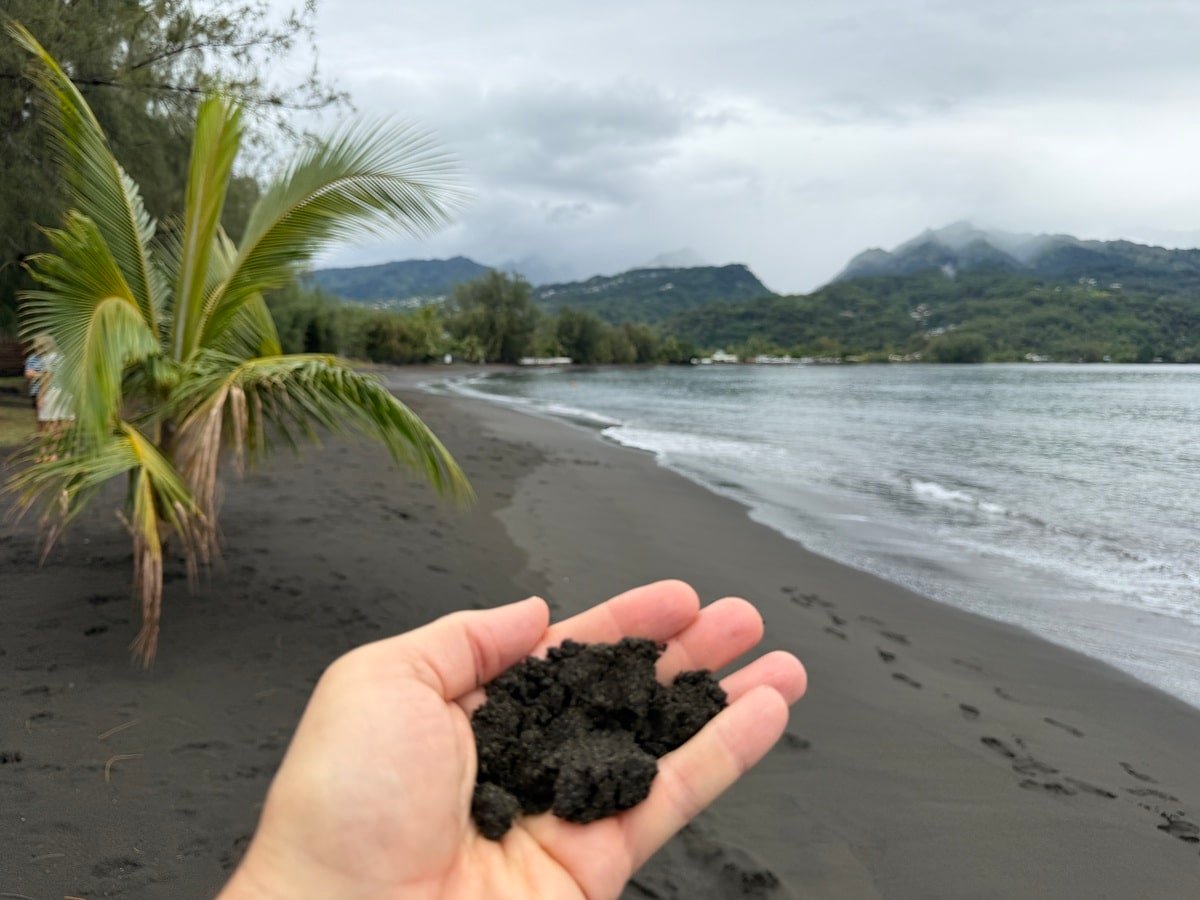
My kids were most excited about the black sand beach lined with coconut trees. The storm turned out to be a blessing because Marie-Jeanne said the beach and other sites would normally be packed.
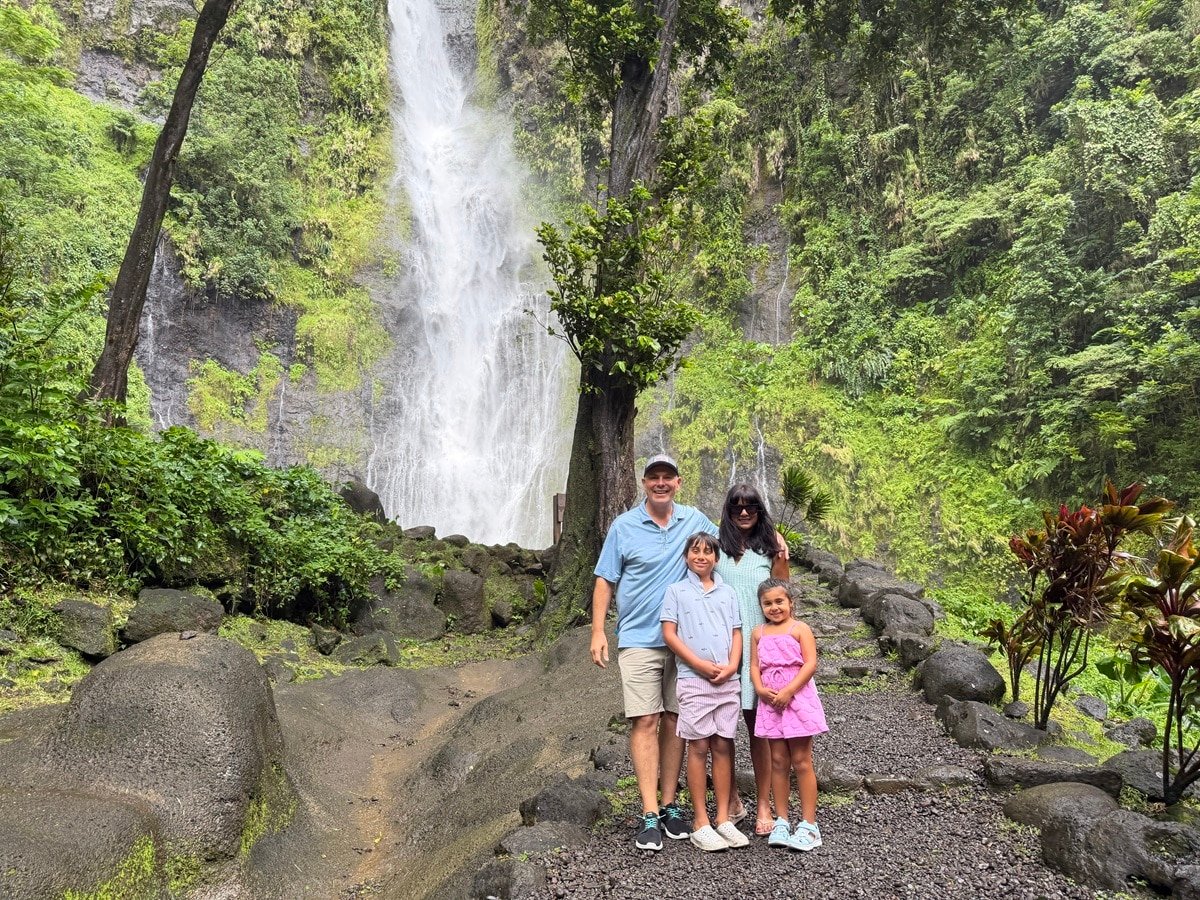
Les Trois Cascades
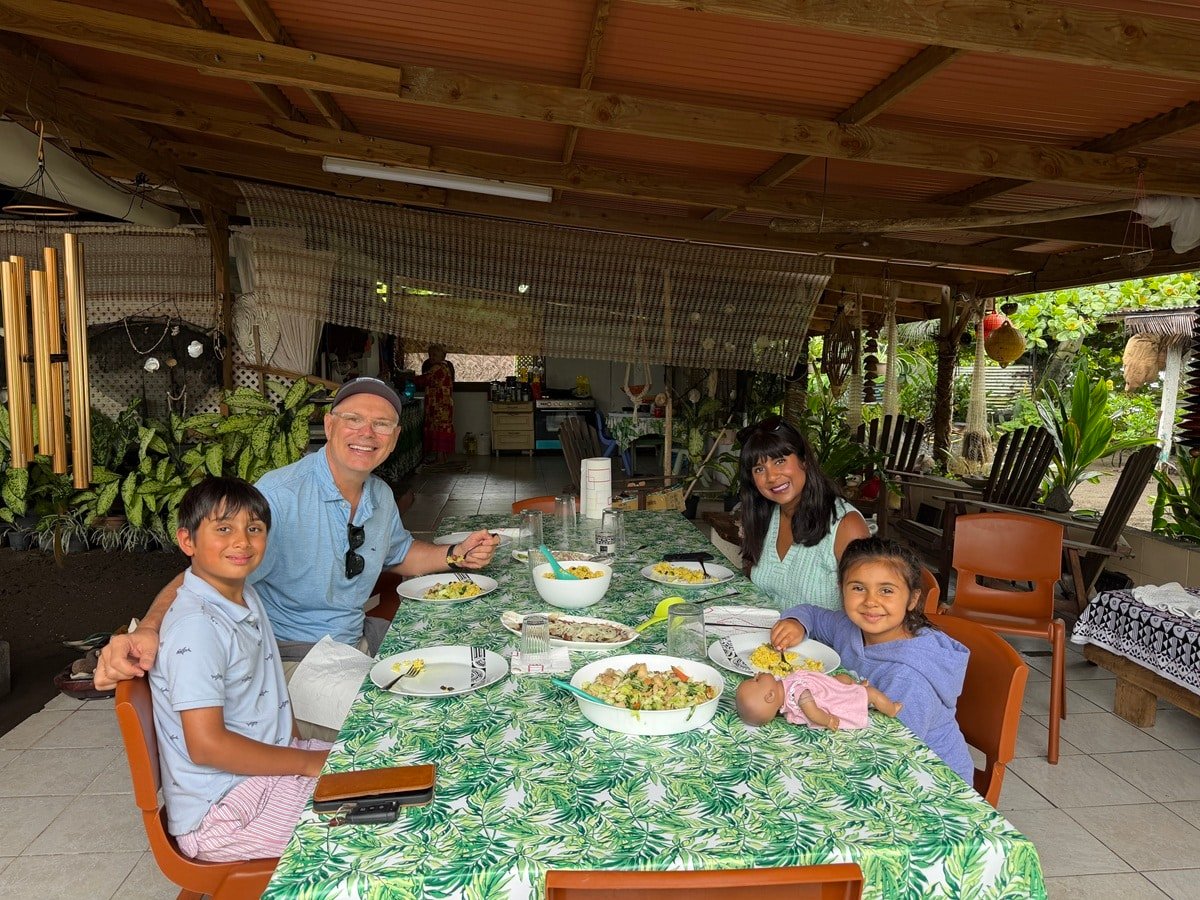
Lunch at a Local Home
Grocery Store

Église de Saint-Jean Baptiste

The Water Garden

Grotte Vaipoiri (aka The Cave)

Marae de Mataiea
KEEP READING
–How to Save Money With a Secret Third Carry-On
–How to Use Your Wireless Headphones to Watch In-Flight Movies
–10 Airport Security Hacks Every Traveler Should Know
–How to Get the Best Coach Seat on the Plane
–The Sleep Hack Every Traveler Needs to Know
Want more travel news, tips and deals? Sign up to Johnny Jet’s free newsletter and check out these popular posts: The Travel Gadget Flight Attendants Never Leave Home Without and 12 Ways to Save Money on Baggage Fees. Follow Johnny Jet on MSN, Facebook, Instagram, Pinterest, and YouTube for all of my travel posts.