

Growing up in Connecticut in the 1970s and ’80s, international travel was always just a dream. My family of six rarely flew and when we did, it was just a few trips to Florida. It wasn’t until I was 23 years old that I took my first international flight, traveling with my college girlfriend to Hong Kong to visit her family. We flew from Los Angeles on United Airlines, and boy was I nervous.

Not only because I used to be afraid to fly, or even leave the house, but because the news made me think everywhere was dangerous. Then there was the thought of being on the other side of the world. It was mind-boggling.
Actually, I’m still amazed by travel, planes and technology. Travel websites that show you the way, FaceTime to stay connected with loved ones, social media where you can see and learn how friends, family and travel experts get around, and apps that help you navigate, translate and so much more have made international travel infinitely easier.
Don’t get me wrong, international travel can still be stressful, but it’s a lot different and much easier than when I started traveling in the nineties.
 Fortunately, I went from rarely leaving the house to visiting almost 100 countries, including taking my young kids (seven and 10) to more than 30. Their childhood is obviously much different from mine.
I take copious amounts of notes and photos wherever we go so I can share what I learn with friends, family, readers and followers. After decades of traveling around the world, I’ve developed a routine that helps make the international airport experience much smoother. Some of these tips might seem obvious, but I’ve learned that it’s often the little things that can save you time and prevent a major headache.
Whether I’m traveling alone or with my wife and two kids, here are some of the things I do when flying internationally.
 1. Check your passport well before your trip
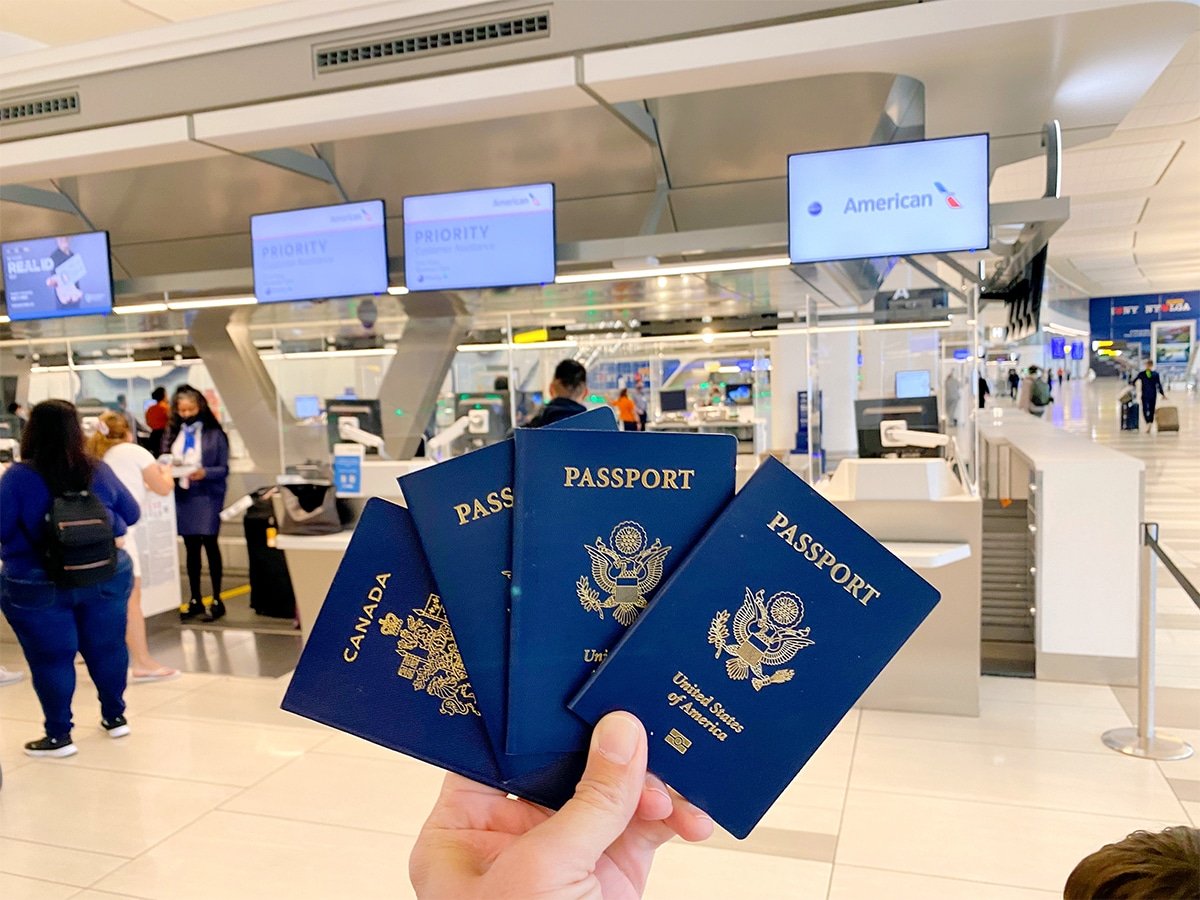 1. Check your passport well before your trip
Don’t wait until you’re heading to the airport to make sure you know where your passport is and, more importantly, that it’s valid. Some countries require your passport to be valid for six months beyond your trip, so even if you’re just traveling for a week but your passport expires in four months, you might be denied entry. Entry requirements vary by destination, so do your research.
My wife and I also make sure everyone’s passport is easily accessible while we’re traveling. When you’re traveling with kids, the last thing you want to do is dig through an overstuffed carry-on while standing at the check-in counter or immigration booth.
2. Get to the airport earlier than you would for a domestic flight
 2. Get to the airport earlier than you would for a domestic flight
I love airports but I’m not someone who likes sitting around an airport for no reason. However, an international flight is not the time to cut it close, especially on the return flight since you probably don’t know that airport too well.
Even if you’ve checked in online, you may still need to have your passport or other travel documents verified by an airline employee. Check-in and security lines can also be unpredictable, especially at busy international airports.
I always check my airline’s recommendation for how early to arrive, then factor in the time of day, airport, traffic and whether I’m checking bags. I also ask hotel concierges, rideshare drivers, friends and colleagues what they recommend for getting to the airport.

3. Double-check your terminal before leaving for the airport
At some airports, terminals can be miles apart or require a train, shuttle or long walk to get between them. International flights don’t always leave from the terminal you might expect either.
Sign up for your airline’s updates and keep checking your gate since it can change at the last minute.
4. Download your airline’s app
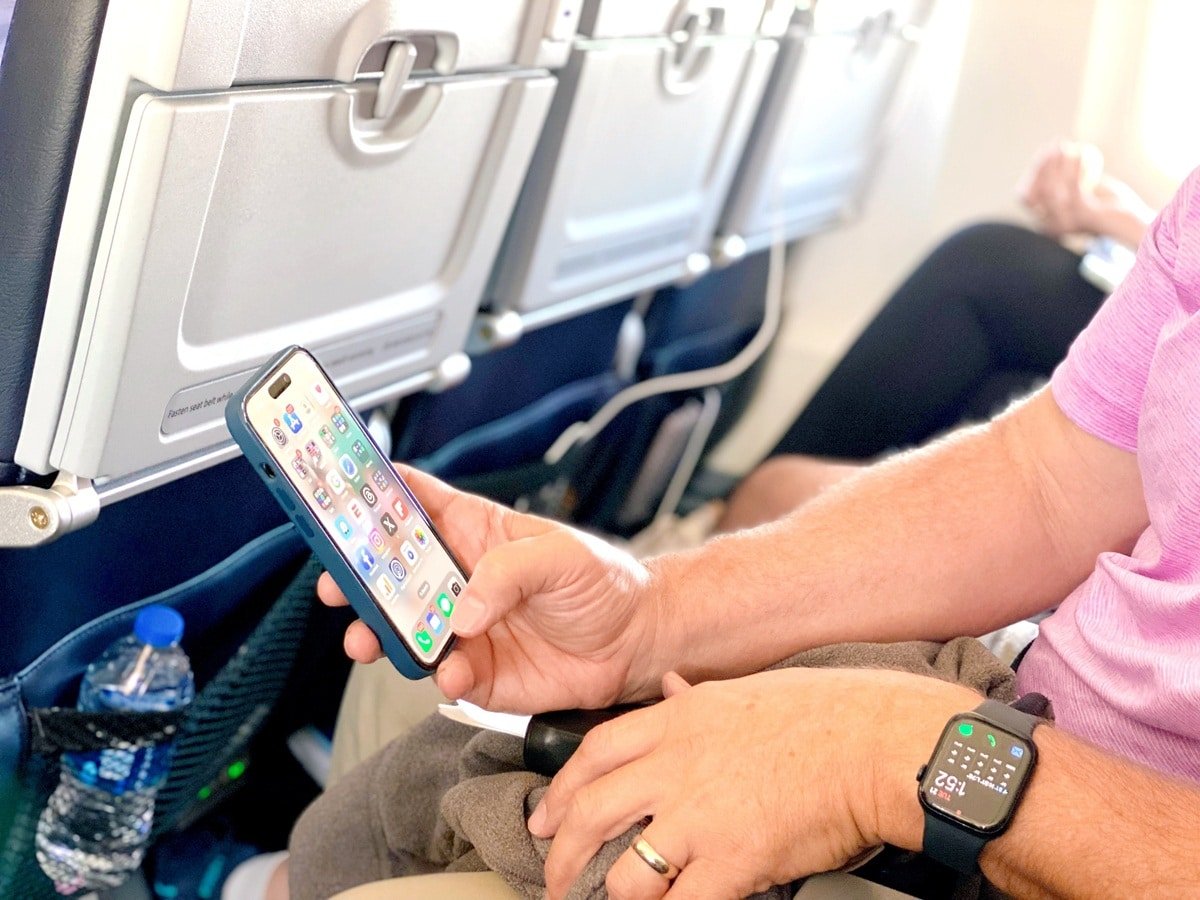 4. Download your airline’s app
If you don’t already have your airline’s app, download it before you leave home. Before leaving for the airport, I check the airline app and the airport’s website to confirm our terminal and gate information. I also use the Flighty app to keep me updated on my plane’s status.
Airline apps are one of the easiest ways to keep track of gate changes, delays, boarding times and cancellations. I also like to track the inbound aircraft whenever possible. If the plane operating your flight is several hours late getting to your airport, there’s a good chance your departure could be delayed too.
Make sure notifications are turned on so you receive updates immediately.
5. Don’t assume airport security works the same way everywhere
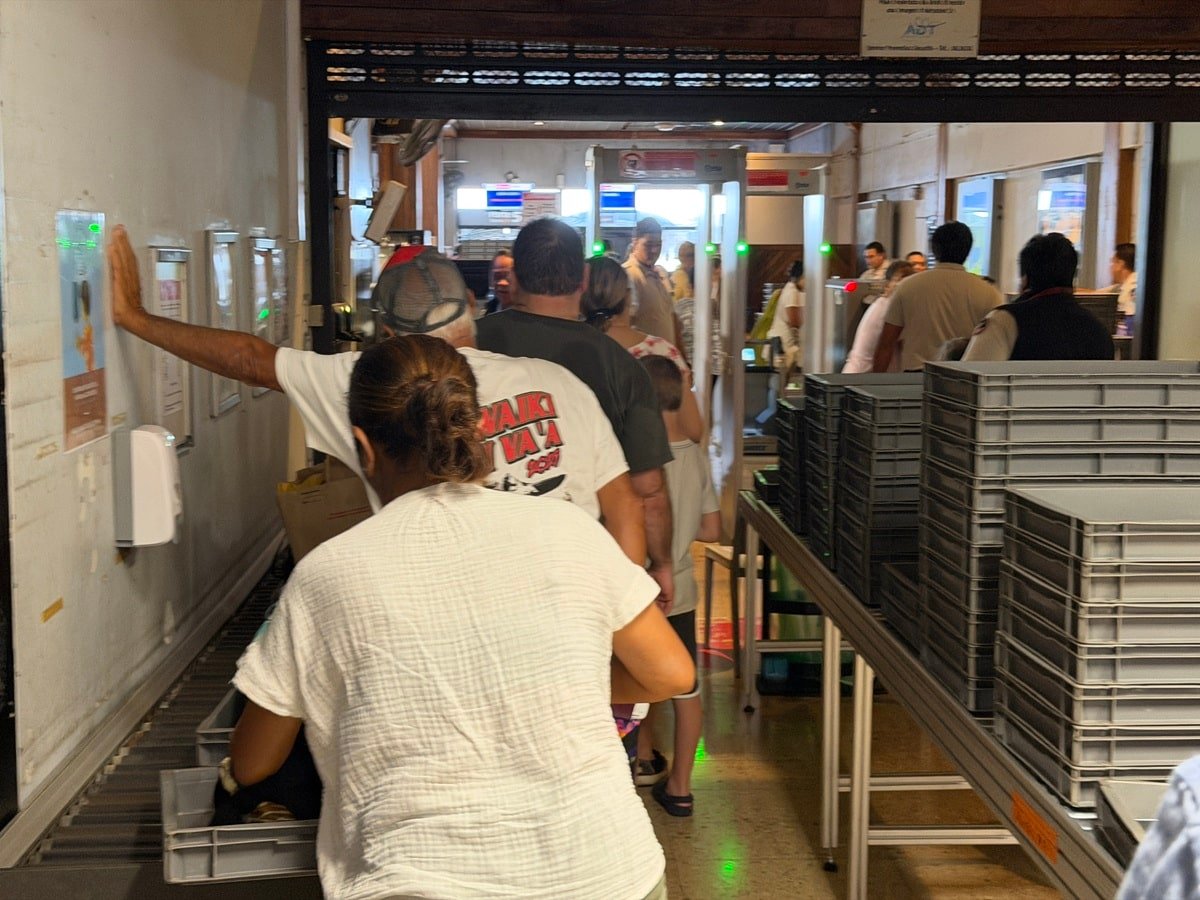 5. Don’t assume airport security works the same way everywhere
Frequent U.S. travelers get accustomed to TSA procedures, but airport security can be very different overseas.
At some airports, you may need to remove electronics, liquids or other items you normally leave inside your bag. Some airports are stricter about liquids than others, and procedures can even differ between terminals at the same airport.
Pay attention to the signs and listen to the security officers instead of automatically doing what you normally do at home. I usually wear the same outfit on my flights since I know it’s comfortable and it won’t trigger any alarms.
6. Keep your phone and other devices charged
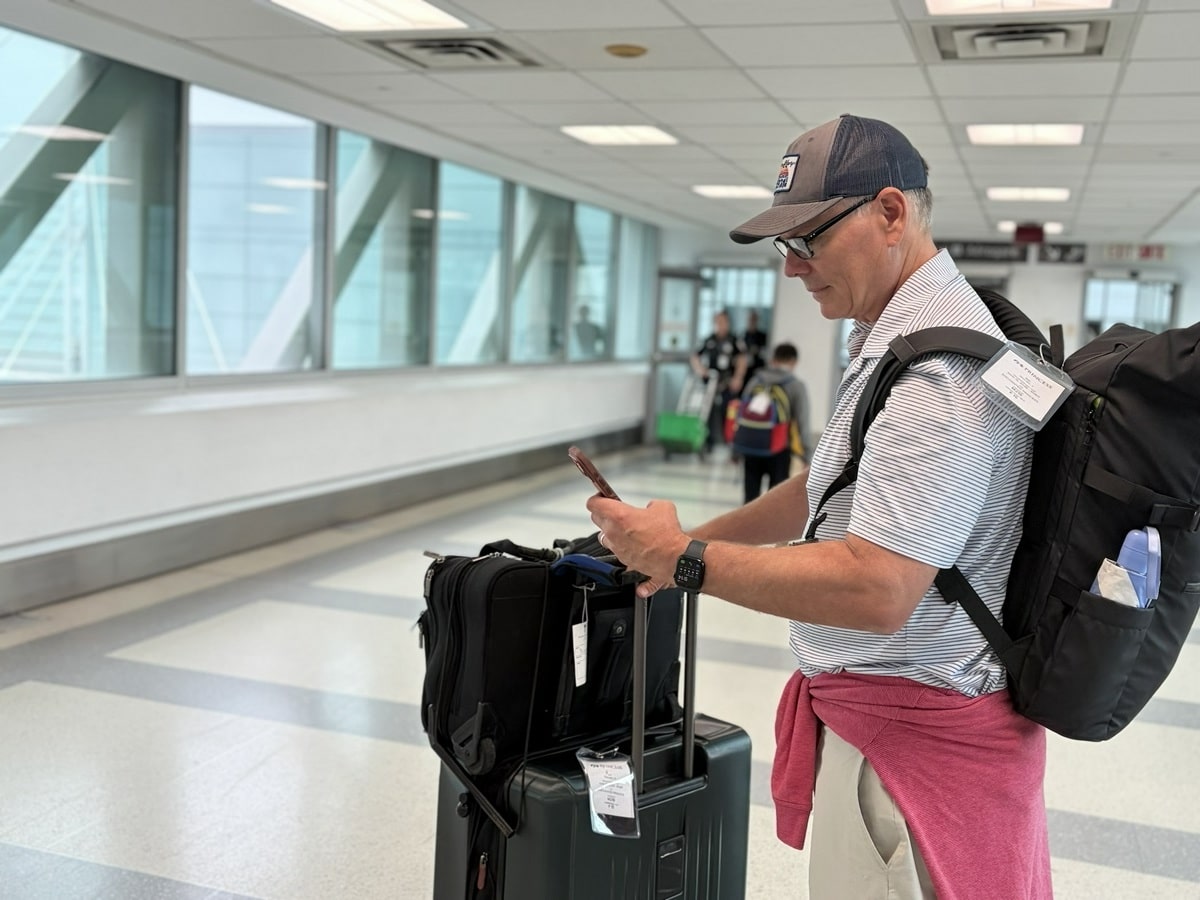 6. Keep your phone and other devices charged
Your phone has become one of the most important things you carry when traveling internationally. It can hold your boarding pass, airline app, hotel reservation, maps, translation apps, rideshare apps and important phone numbers.
That’s why I never want to arrive at an international airport with a dying battery.
I carry my own charging cables and chargers instead of relying on the airport to provide them. When traveling internationally, I also bring a TESSAN universal travel adapter so I can plug my devices into different types of outlets around the world. Depending on the model, you can charge several devices at the same time using USB and USB-C ports, which is especially helpful when traveling as a family.
Another TESSAN product that comes in handy is a multi-port charging station. With four people in our family, it doesn’t take long for the hotel nightstand to become covered with phones, iPads, Apple Watches, headphones and charging cables. Having one charger that can handle multiple devices means fewer adapters and charging bricks to pack and fewer things to accidentally leave behind.
Just remember that a travel plug adapter is not necessarily a voltage converter, so always check that your device supports the voltage at your destination. If you need a voltage converter, the TESSAN Voltage Converter US to Europe, 220 to 110 Voltage Converter is designed for stepping higher-voltage electricity down for compatible lower-voltage devices. It also comes with multiple international plug adapters, which can make it useful for trips involving more than one destination.
7. Carry a portable battery
 7. Carry a portable battery
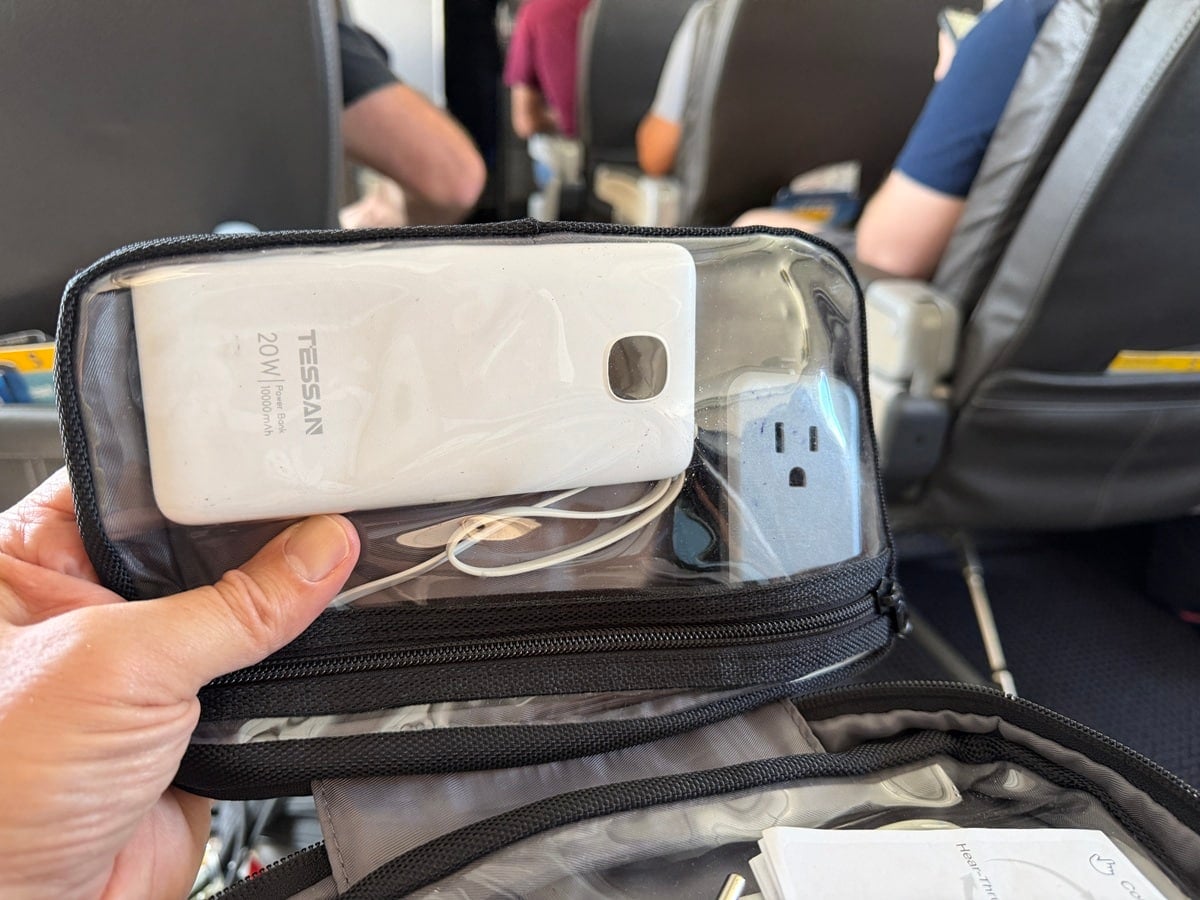
Even with a charger, you need an outlet. That’s why I also travel with a portable power bank.
You might spend hours at the airport without having convenient access to an outlet, especially during delays. I’ve also encountered plenty of airport outlets that simply don’t work.
A portable battery can be especially important when you land since you may need your phone to call an Uber, pull up directions, contact your hotel or show a reservation.
Just remember that spare lithium batteries and power banks need to travel in your carry-on rather than your checked luggage.
FYI: This article has been produced in partnership with TESSAN. JohnnyJet.com may earn a commission on purchases made through the links above.
8. Have your arrival plan figured out before you land
 8. Have your arrival plan figured out before you land
One of the easiest ways to make an international arrival less stressful is to know what you’re doing after you collect your luggage.
Before the trip, I research how we’re getting from the airport to our hotel. Does Uber operate there? Is there a train? Are taxis readily available? Do you need to buy a train ticket before boarding? Is there an official taxi line?
This is also a good way to avoid airport transportation scams. Travelers who walk out of an international terminal looking confused and unsure of where they’re going can be easy targets.
 9. Know what happens during an international connection
 9. Know what happens during an international connection
International connections can be much more complicated than domestic ones.
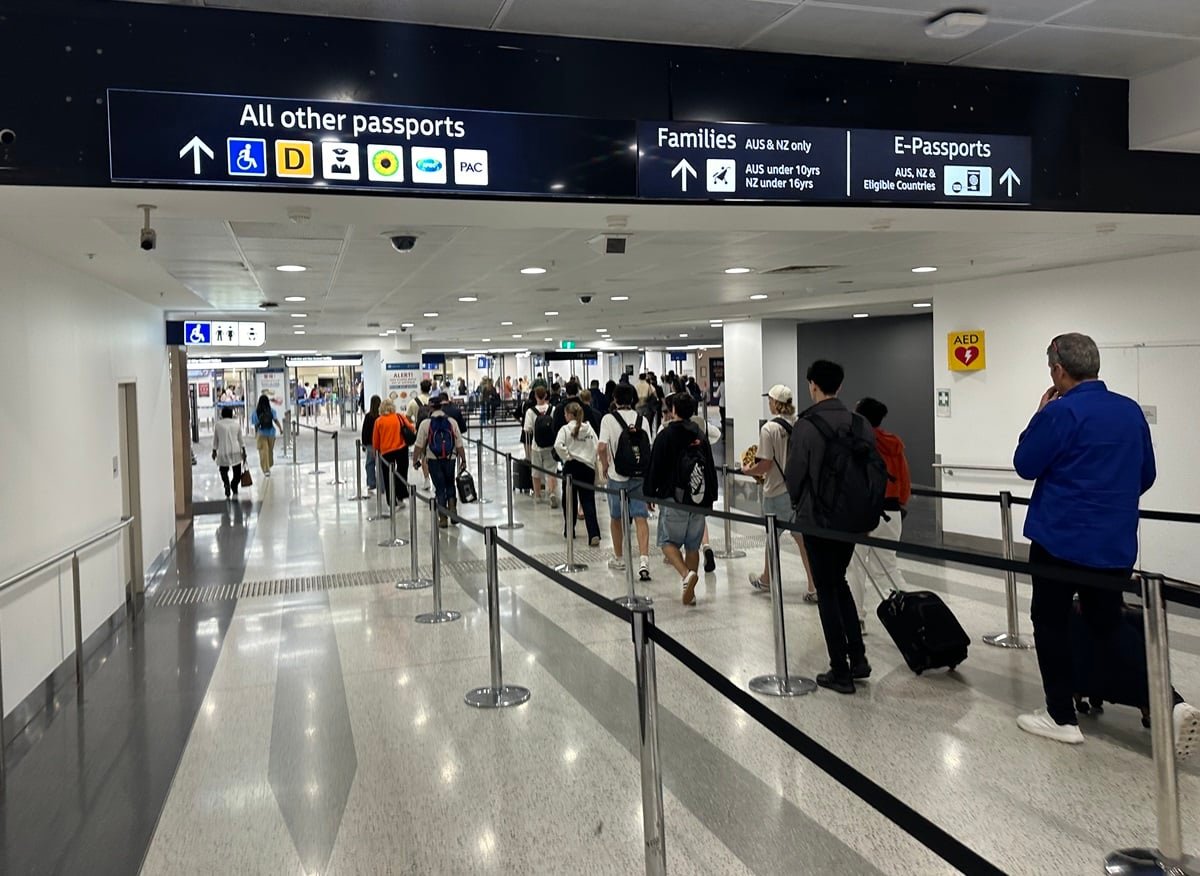
Depending on the airport, country and itinerary, you may need to go through immigration, collect your checked bags, clear customs, recheck your luggage and go through airport security again.
That’s why I’m cautious about booking tight international connections. An itinerary that looks perfectly reasonable when you’re booking it can become stressful if your incoming flight is delayed or there are long lines at immigration.
If you’re traveling on separate tickets, I would leave even more time. When possible, I like to build in a large cushion or even spend the night before continuing on a separate ticket.
10. Go straight to immigration after landing
 10. Go straight to immigration after landing
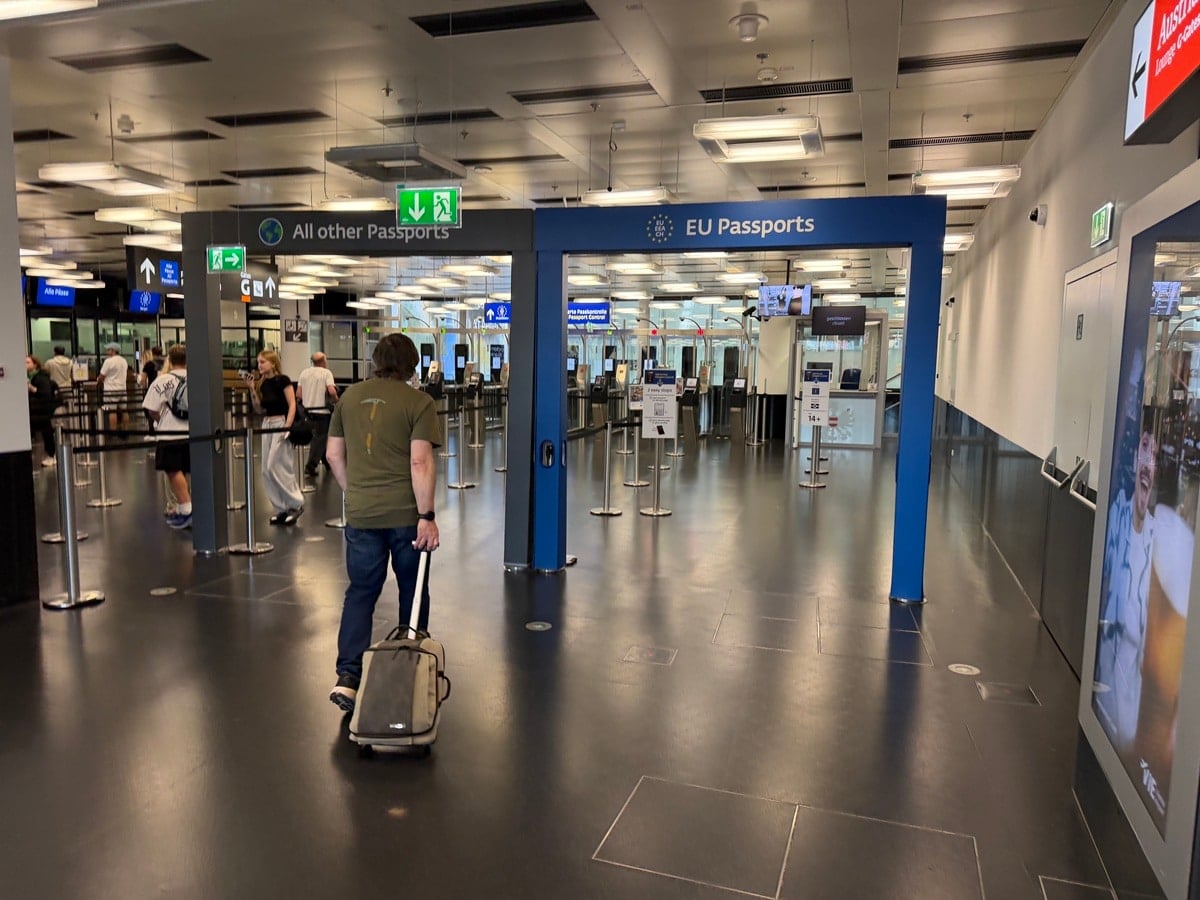
Lines can be long at immigration, which is why I always make my kids use the bathroom before landing. That way, we don’t have to stop as we make a beeline to immigration. One pit stop could cost you 30 minutes or more in the immigration line, depending on the destination.
Instead, we use the bathroom near baggage claim while we’re waiting for our bags. That also means we hopefully won’t have to stop on the drive to the hotel or rental car facility.
11. Set up international cell service before leaving home
 11. Set up international cell service before leaving home
Before I leave home, I check with my cellular provider to see what it costs to use my phone at my destination. I also set up an eSIM so if my T-Mobile service starts to slow down, I can quickly toggle to a local carrier.
Having reliable service is important since I use my phone to order rideshares, look at maps, translate languages and communicate via WhatsApp, which is widely used around the world. Here’s exactly how I use my phone when traveling abroad without getting hit with expensive roaming charges.
12. Do a belongings check every time you get up
 12. Do a belongings check every time you get up
This is one of the simplest travel tips but also one of the most important. Every time I leave a taxi, train, airport lounge, airplane seat or restaurant, I do a quick check to make sure I didn’t drop or leave anything behind, especially my passport, phone, wallet or carry-on.
I’ve left all of them behind at one point or another, so I’m speaking from experience.
Obviously, international travel, like all travel, is unpredictable. Flights get delayed, immigration lines can be long and airport procedures aren’t always what you’re used to back home. The more you plan ahead, have a backup plan and take care of the little things in advance, the easier it is to roll with the inevitable surprises and enjoy the trip.

Flying out of Brussels earlier this month Delta recommended arriving 3 1/2 hours before departure. Really? Well, I breezed through check-in and security and sat for 3 hours. Some of us were at check-in before Delta’s staff was. However, I learned later my flight was the first one out that morning and if I’d arrived an hour later I’d likely still be in line at security. All my liquids needed to be in a separate clear plastic bag, which they provided. And, wow, did they search my bags. Point is, I got lucky because of my departure time. So, my recommendation is leave on the earliest flight you can reasonably make as security lines get longer as the day wears on.
Good to know! Thanks for sharing