

If you’ve been following travel news for the last two weeks, then you’ve probably seen one of the biggest stories making the rounds: the idea of United Airlines (UA) buying American Airlines (AA).
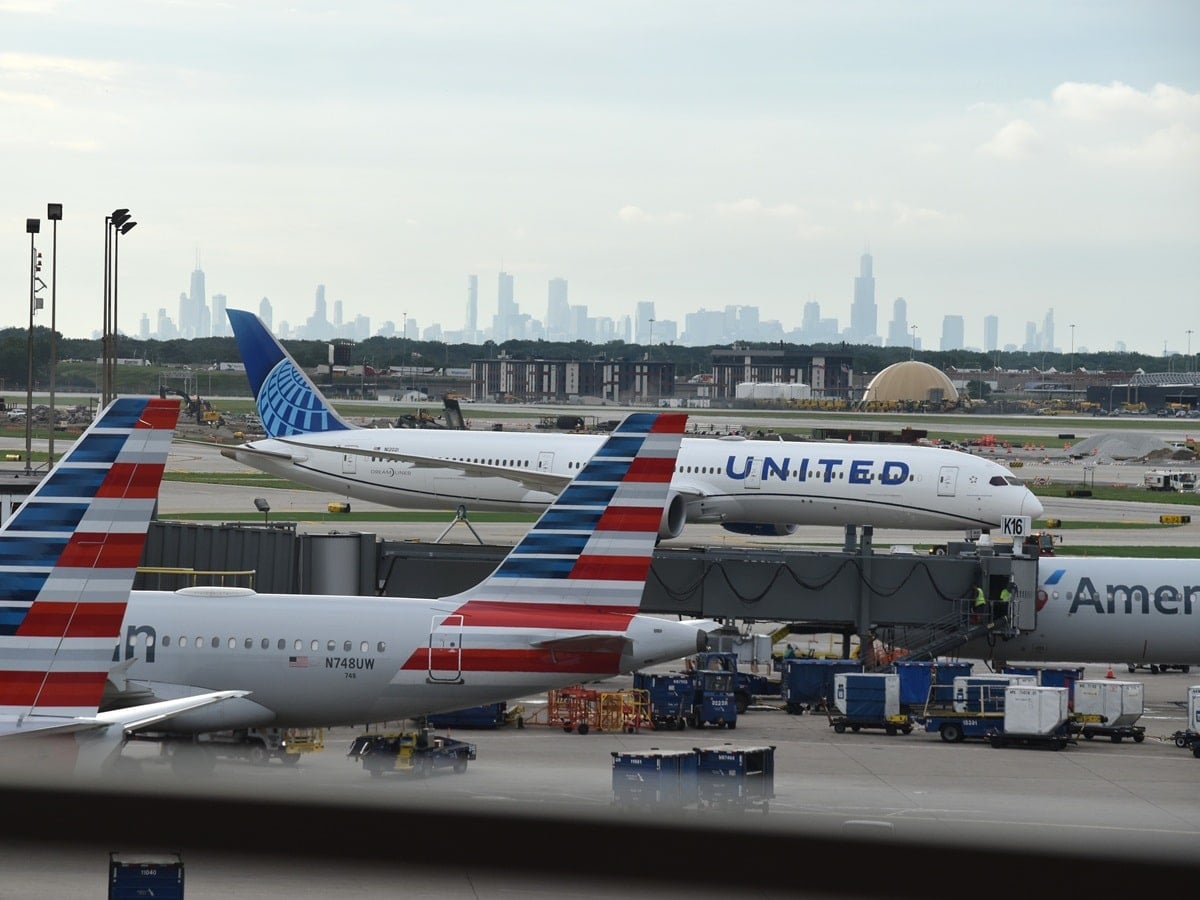
According to CNBC, United Airlines CEO Scott Kirby reportedly floated the idea of a potential tie-up with rival American Airlines to the Trump administration earlier this year, a move that would create the world’s largest airline. American and United are not only two of the largest airlines in the United States but in the world. Most people would assume a deal like this would never get approved, but the story gained traction quickly because, as we’ve seen with the Trump administration, you never quite know what could happen.
The two airlines stayed quiet, but that changed two days later when American Airlines released a statement shutting down speculation about a potential merger, making it clear the company is not interested in pursuing any deal. United Airlines wouldn’t confirm or deny the story until this morning when Kirby released a lengthy and rather bizarre statement.
Here’s the introduction: “Over the last two weeks, there’s been a lot of commentary about a potential merger between United Airlines and American Airlines. And to be direct, here’s what happened: I approached American about exploring a combination because I thought we could do something incredible for customers together. I always knew that the only way any merger could be successful (and approved) is if it was great for customers and with a willing partner that shared my big, bold vision. I was confident that this combination, which would have been about adding and not subtracting, creating a truly great airline that customers love, could get regulatory approval. I was hoping to pitch that story to American, but they declined to engage and instead responded by publicly closing the door. And without a willing partner, something this big simply can’t get done.”
What the merger could have meant for travelers
Even though the talks are over, Kirby outlined what travelers might have gained from such a combination, and it paints a picture of a significantly reshaped aviation landscape. One of the most immediate benefits would have been network expansion. A combined United American carrier could have offered more destinations, particularly internationally and in underserved smaller U.S. communities. For frequent flyers, this would likely translate into more seamless connections, broader route options, and a more powerful loyalty program with expanded earning and redemption opportunities.
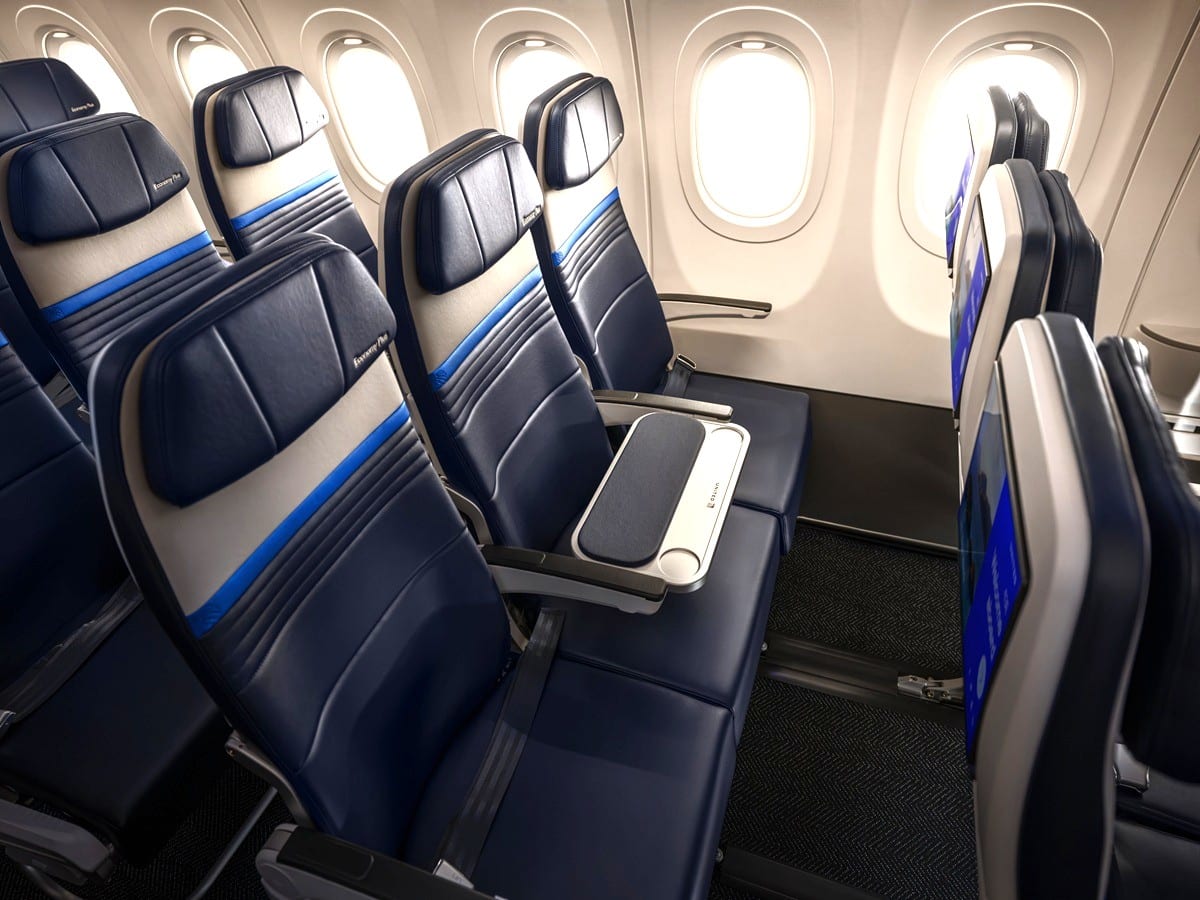
Kirby also said ongoing investments United has already made, newer aircraft, larger overhead bins, seatback screens, Bluetooth connectivity, and free Starlink Wi Fi, as a blueprint for what could scale across a merged airline. The implication is that American customers might have seen faster access to these upgrades, while United customers would gain access to an even larger global network.
Fares, value, and competition
One of the biggest concerns in any airline merger is pricing. Kirby attempted to address this directly, arguing that the deal would not have led to higher fares. Kirby pointed to data showing that inflation adjusted ticket prices in 2025 were significantly lower than pre-pandemic levels and suggested that increased scale would actually expand the number of economy seats in the market. However, I don’t believe for a second – especially in markets like Chicago where they compete directly with each other.
For now, United is moving on. I think he’s going after another airline, maybe JetBlue Airways, though Spirit Airlines would be easy pickens.
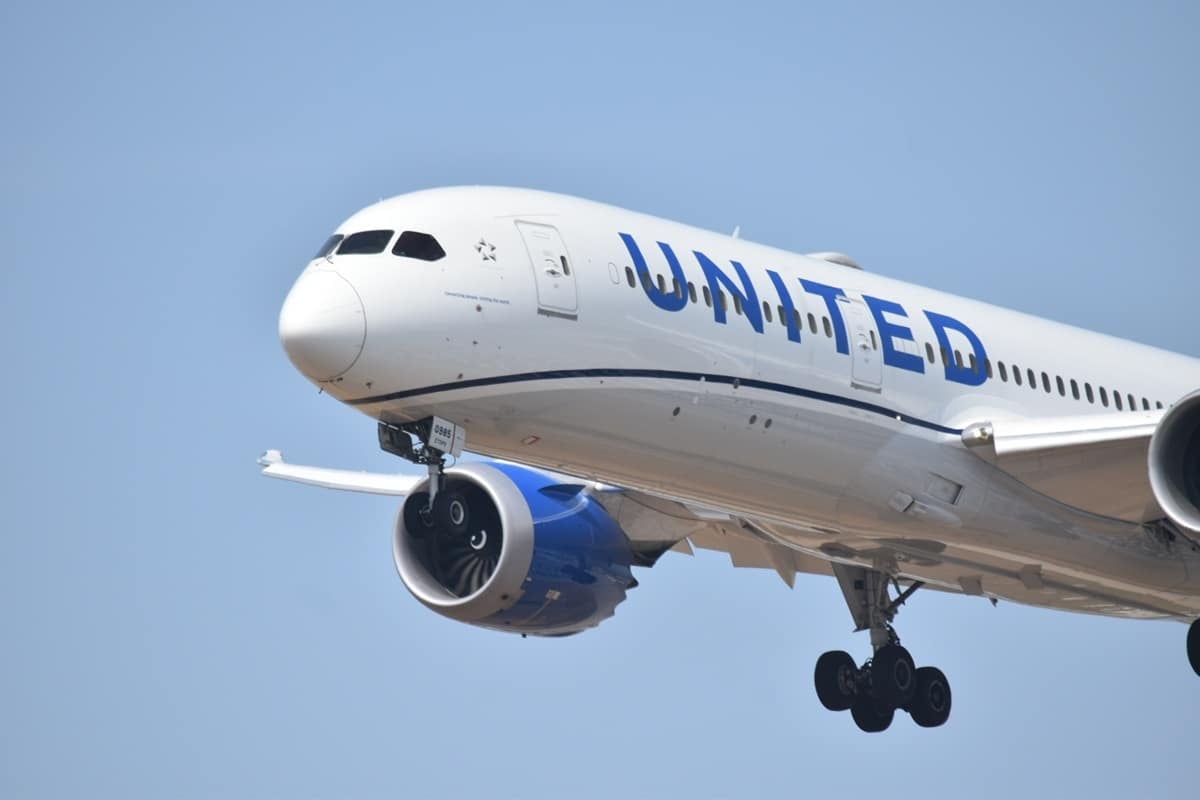
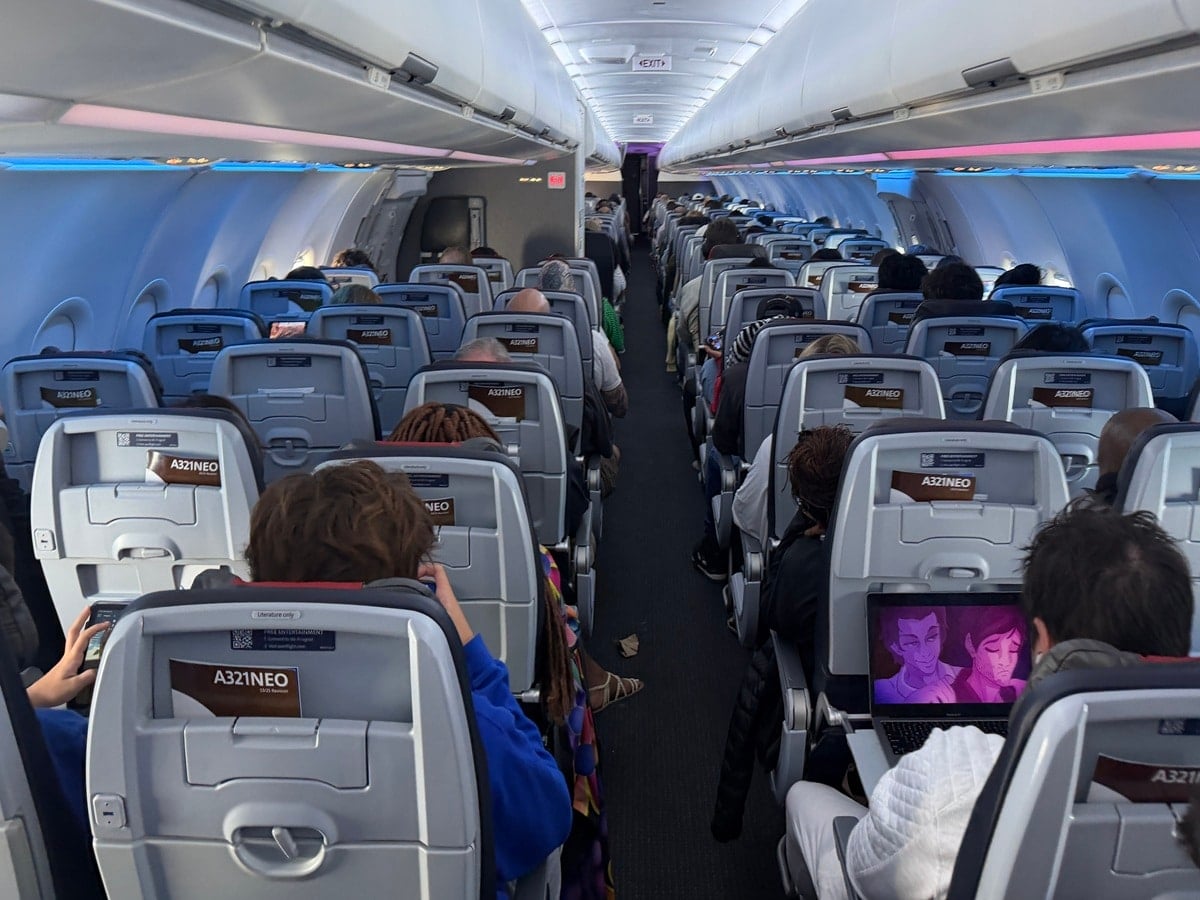
I will say that American’s Board has a history since the last merger of supporting inept bunglers who – while often well meaning – are desperately out of their depth at running a large full service international airline, being better suited to running an ULCC.
Interestingly, Kirby fit the same ULCC mentality bill, coming from AA but with the table set by Oscar Munoz he had no choice but to pivot to better quality. In fairness, Kirby has done fairly well in following Oscar’s improvements, with only medium downgrades. That would likely have worked well enough except that Kirby started regularly spouting something that started out as perhaps childish digs at AA and strange hyperbole but has expanded to blatant lies that truly border on the delusional. A supposed Captain Of Industry shouldn’t be speaking like somebody’s sick uncle who escaped the caretakers. Kirby really has me stumped these days as to whether this is all some incredibly weird act or just delusion that calls for immediate medical attention.