A couple of weeks ago, I attended United Airlines Media Day inside one of their hangars at Los Angeles International Airport. During the event, United announced several updates, including Relax Row and the new Coastliner, which will primarily serve routes from EWR to LAX and SFO. They also showcased their new CRJ450, which they hope will improve how customers, especially premium passengers, perceive regional flying.
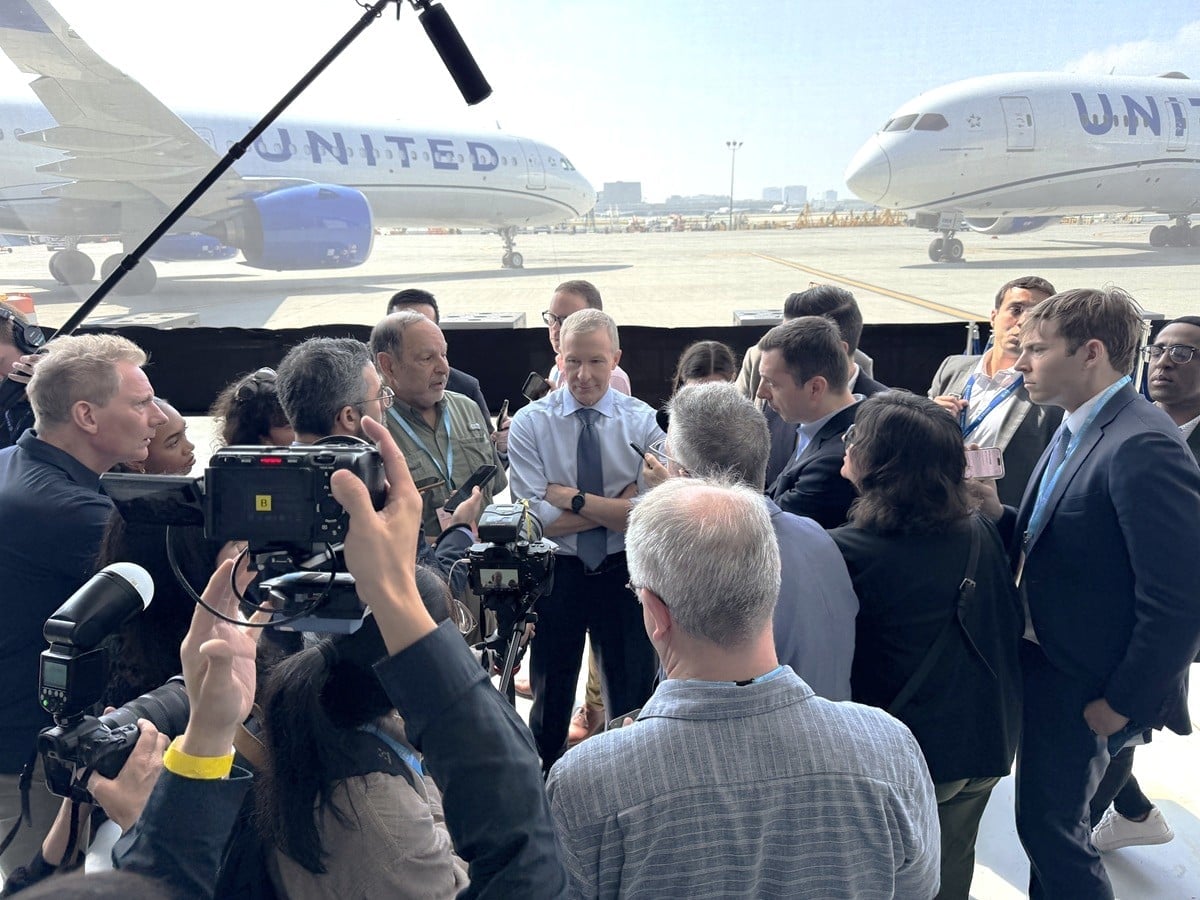
But when I caught up with CEO Scott Kirby during a break, I asked him for his best travel tip that does not involve flying his airline.
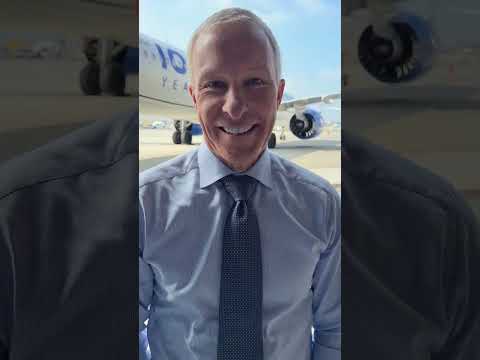
If you’re looking for Scott Kirby’s top travel tip, it’s in the video embedded above.
The answer might surprise you: “Sleep as much as you can.”
As someone who travels frequently, I can definitely relate. I wanted to follow up, but did not get the chance. However, I later came across an episode of Brilliant Moves: Coffee with CEOs, where Bob Sternfels, the Global Managing Partner at McKinsey & Company, asked Kirby about the same topic. Here is part of that conversation:
Bob Sternfels: “I have been at McKinsey for nearly 32 years, and over that time, I have seen how CEOs have changed the way they operate. When it comes to sleep and exercise, CEOs today treat themselves more like elite athletes.”
Scott Kirby: “One thing I do that people have always thought is a little weird is that, throughout my career, I will close my office door and take a 20-minute nap. When I first got to United, people were like, ‘Oh my God, where do you take a nap?’ I said, ‘I lay on the floor.’ They told me, ‘We have got to get a couch in here!’ They were all stressed out. But if I take a 20-minute nap, I have accomplished more than anything else I would have done in that time. When you are tired, your brain is not operating at 100 percent. If you are not at 100 percent, you should not be making decisions.”
He’s maintained this habit across decades and three major airlines — US Airways, American Airlines, and now United. It’s not a quirk. It’s a system.
I have been taking naps since I was a kid, and I still do today. In fact, I took one just an hour ago while working on my laptop. Sometimes I will sit in a La-Z-Boy recliner and drift off for anywhere between two and 30 minutes, depending on whether my kids come in and wake me up. If I lie down on a couch or bed, I usually sleep much longer.
Even a quick nap makes a noticeable difference. It is especially valuable when traveling, which is why I always fly with earplugs and an eye mask since it helps me get uninterrupted rest wherever I am.
Why the science backs him up
The Scott Kirby top travel tip isn’t just intuition — it’s backed by research. Studies from Harvard Medical School published in 2024 found that a power nap of 30 minutes or less can boost alertness and mood, improve mental clarity, and reduce fatigue. The U.S. Air Force — where Kirby trained as a pilot — has long understood the operational value of sleep management for performance under pressure.
For frequent travelers, this matters. Long flights, early departures, red-eyes, and back-to-back time zone changes don’t just make you tired — they degrade your judgment, patience, and decision-making in ways that are hard to notice in the moment. A short nap before or during travel can meaningfully reset your baseline.
How to actually pull this off while traveling
Over hundreds of long-haul flights, here’s what actually works:
Use a quality eye mask. Light is the enemy of sleep on planes. Even partial darkness signals your brain to wind down. I never board a flight without one.
Bring earplugs or noise-canceling headphones. Cabin noise runs around 85 decibels at cruising altitude. Blocking it is the single fastest way to fall asleep faster and stay asleep longer.
Keep naps under 30 minutes. Going past 30 minutes risks entering deep sleep, which leaves you groggy (sleep inertia) rather than refreshed. Set a phone alarm before you close your eyes.
Time it right. On long-haul flights, the best window is usually 2–3 hours after takeoff, once meal service is done and the cabin settles. On shorter flights, nap immediately after boarding if you can.
Try a “coffee nap.” Drink a coffee, then immediately nap for 20 minutes. Caffeine takes about 20–30 minutes to kick in, so you wake up naturally as it starts working. It sounds counterintuitive, but it’s one of the most effective alertness strategies in the research.
The broader travel lesson
Kirby also limits himself to no more than four hours of meetings per day and reads for roughly three hours daily — habits that point to someone who thinks seriously about how to protect cognitive capacity. The Scott Kirby top travel tip fits the same philosophy: guard your mental bandwidth, because once it’s depleted, you’re not getting it back mid-trip.
Most travelers treat exhaustion as a cost of traveling. Kirby treats it as a problem to solve. For someone running a $30 billion airline who spends as much time in the air as anyone, that reframe is worth taking seriously.
So the next time you are exhausted at work or on the road, do not just push through it. Take a cue from the CEO of one of the world’s largest airlines. A short nap might be the smartest and most productive travel tip you can follow.