I grew up just outside New York City in a Connecticut suburb. My dad‘s side of the family is 100% Italian, so every Sunday after church we made the short drive to my grandparents’ house for lunch. It was one of the highlights of my childhood. My grandparents had 17 grandchildren, which meant every gathering was loud, crowded and filled with enough homemade food to feed a small army.
 Despite those deep Italian roots, I didn’t actually visit Italy until I was in my twenties. The moment I stepped foot in the country, I was hooked. There was something about seeing the places my ancestors came from that made all those family stories feel real. Unfortunately, getting to Italy wasn’t always easy on my budget.
 That changed when I discovered the world of miles and points, along with vacation rental platforms like Airbnb and Whimstay. Suddenly, Italy became much more accessible. In fact, visiting Ischia, the island my grandparents emigrated from, is often almost cheaper than staying home.

Recently, while watching PBS’s Finding Your Roots with Henry Louis Gates Jr., I found myself paying particularly close attention to an episode featuring Jimmy Kimmel. It turns out his grandfather came from the same island, the same town, and even shared the same last name as my grandparents. There’s a decent chance we’re distant relatives.
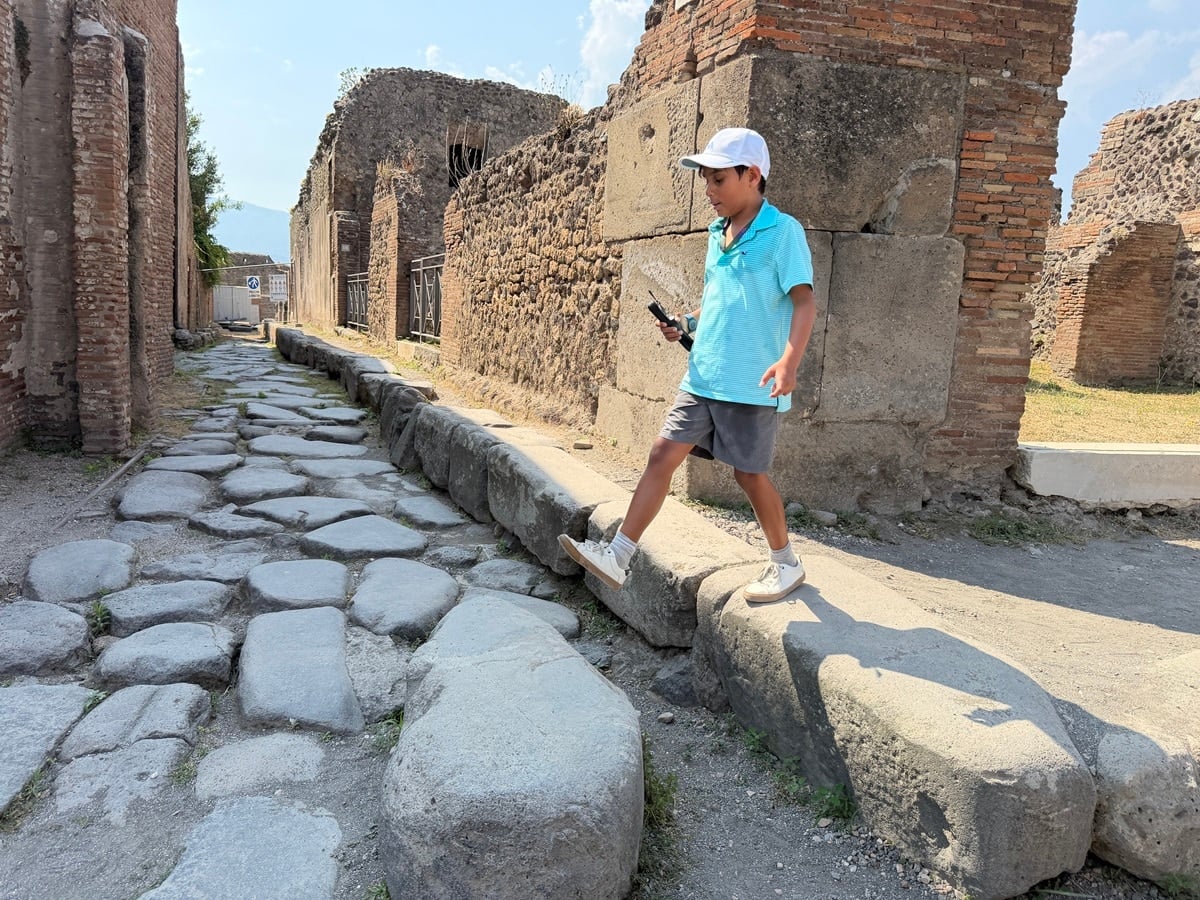
What surprised me most wasn’t the possible family connection. It was my 9-year-old son. He’s fascinated by DNA and genealogy, and when he wandered into the room while I was watching, he became instantly captivated. Now he regularly watches the show with me.
That’s one reason a recent study from Walks of Italy immediately caught my attention. The subject line read: “Tracing Your Roots: The Italian Destinations Behind America’s Most Common Italian Last Names.” If you’ve ever wondered where your family name originated—or dreamed of visiting the places your ancestors once called home—you’ll probably find it fascinating too.
The Rise of Ancestry Travel
Genealogy tourism is booming. More travelers are looking beyond traditional sightseeing and using travel as a way to reconnect with their heritage. Instead of simply checking famous landmarks off a bucket list, they’re seeking out the villages, churches, and neighborhoods that shaped their family histories.
Walks of Italy analyzed U.S. Census data to identify the states with the highest percentages of residents claiming Italian ancestry. They also examined the most common Italian-American surnames in those states and traced them back to their Italian origins.
The results reveal just how deeply Italian heritage remains woven into many American communities, particularly throughout the Northeast.
The Most Italian States in America
If you grew up in the Northeast, the rankings probably won’t come as a surprise. Rhode Island ranks first, with 15.57% of residents reporting Italian ancestry. The state’s most common Italian surname is Ricci, which traces its origins to Tuscany.
My home state of Connecticut comes in second. Nearly 15% of Connecticut residents report Italian heritage, and the most common Italian surname is Esposito, a name deeply connected to the Campania region around Naples.
New Jersey rounds out the top three, where Romano is the most common Italian surname. The name literally means “from Rome,” connecting many families directly to Italy’s capital city.
Massachusetts, Pennsylvania, and New York follow closely behind, demonstrating the lasting impact of Italian immigration throughout the region.
For anyone who grew up in these states, the statistics feel familiar. Italian bakeries, family-owned restaurants, neighborhood festivals and multigenerational family gatherings have long been part of the cultural landscape.
Your Last Name Might Be Your Next Travel Itinerary
What makes this study especially interesting is the connection between surnames and destinations.
Across America, the most common Italian surnames often point to specific regions of Italy:
- Marino traces back to Orvieto in Umbria.
- Bruno has roots in Florence and Tuscany.
- Romano points directly to Rome.
- Esposito originates in Campania.
- Gallo is also linked to Florence and Tuscany.
For many travelers, discovering the origin of a surname can provide a starting point for planning a future trip. Maybe your family has spent generations in New York, Boston, or Philadelphia. But your last name could reveal connections to a medieval hill town in Umbria, a village outside Naples, or a neighborhood in Florence.

Instead of simply booking a trip to Italy, you suddenly have a more personal mission: finding the place where your family’s story began.
Beyond Rome, Florence, and Venice
One of the most rewarding aspects of ancestry travel is that it often leads visitors beyond Italy’s most famous destinations.
Of course, there’s nothing wrong with experiencing iconic sites like the Colosseum, the Vatican, or Florence’s Duomo. But many travelers are now adding smaller towns and villages to their itineraries.
According to Valentina Telese, Italy Tours Director at Walks of Italy, travelers frequently ask for recommendations that go beyond the major attractions. They’re looking for the places where grandparents, great-grandparents and even great-great-grandparents once lived.
Those smaller destinations often become the most memorable part of the journey.
I’ve experienced that firsthand in Ischia. While many visitors know the island for its thermal spas and stunning coastline, my connection runs much deeper. Every visit feels like stepping into a living family history book. Streets, churches and neighborhoods that may seem ordinary to tourists carry special meaning when they’re tied to your family’s story.
Why Heritage Travel Matters
Travel has always been about discovery. But ancestry travel adds another layer entirely. It’s one thing to admire a beautiful Italian piazza. It’s another to stand in a town square knowing your ancestors walked the same streets generations ago.
For Italian Americans, a surname is often more than just a name. It’s a clue. A breadcrumb. A connection to a specific place across the Atlantic. Whether your roots lead to Rome, Tuscany, Campania, Umbria, or somewhere else entirely, researching your family history could transform an ordinary vacation into something far more meaningful.
And who knows? Like me, you may discover unexpected family connections, fascinating stories, or even inspire the next generation to become curious about where they come from.

The next time you’re planning a trip to Italy, don’t just ask where you want to go. Ask where your family came from. The answer might lead you to the most memorable trip of your life.