

This post contains affiliate links and references to products or services from sponsors and other partners. We may receive compensation if you click on or make purchases through those links.
My family and I just returned from Paris and a lot has changed since my previous visits. I took copious notes between new entry systems, stricter museum access and shifting transportation options. A little advance planning goes a long way. Here are 10 practical things to know before you go so your trip runs smoother and you avoid the most common headaches.
1. Be Prepared for New Arrival Procedures
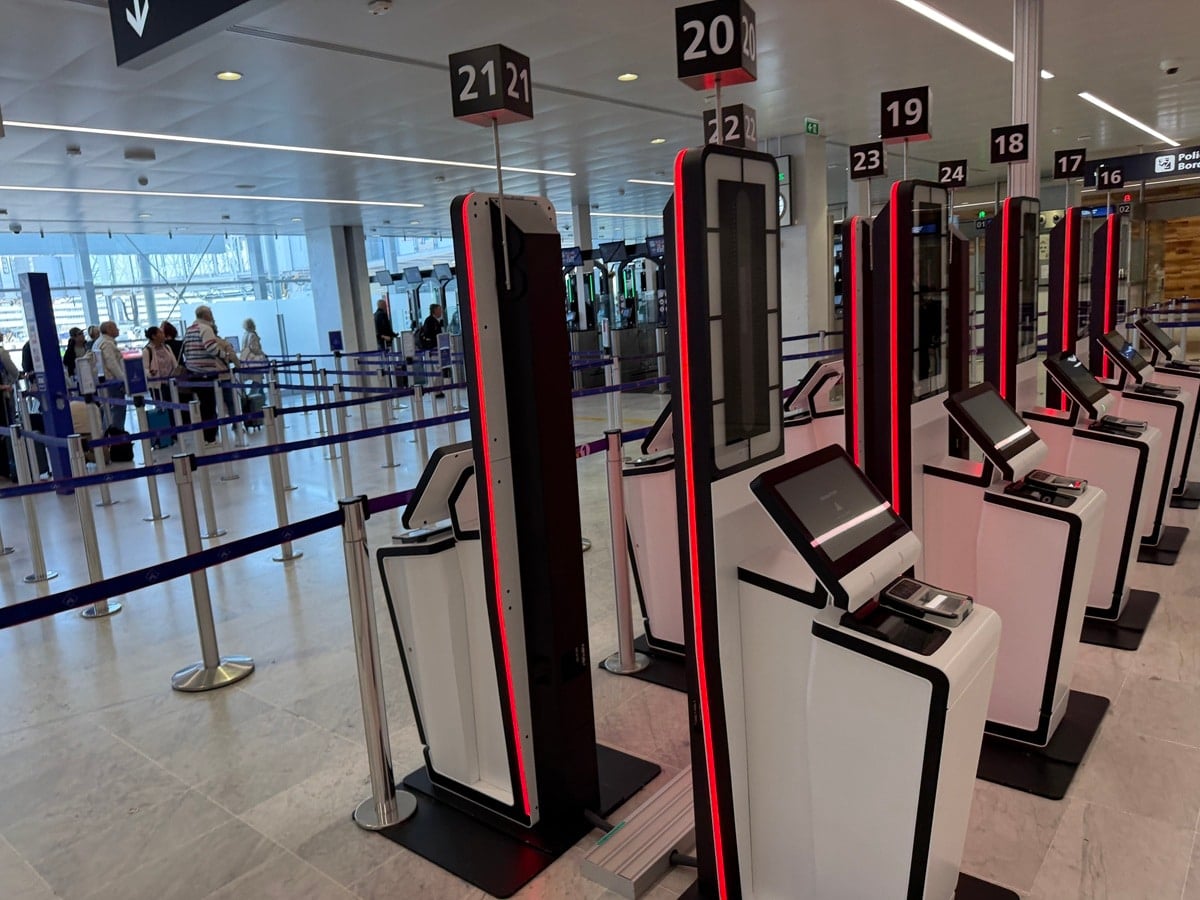
In April, Europe began rolling out the EES (Entry/Exit System) across Schengen border crossings. Instead of traditional passport stamps, travelers are now registered digitally when entering and exiting participating countries. This includes biometric data such as a facial scan and fingerprints on first entry, which are then stored to track entries, exits, and length of stay in the Schengen Zone (29 countries, including France). While no advance application is required, travelers should expect slightly longer processing times at border control, especially during busy travel periods as the system continues to stabilize.
In practice, it can be hit or miss. We flew Air Tahiti Nui (here’s my trip report) and found Terminal 2B relatively easy and efficient. It tends to be less busy than other terminals, especially Air France’s Terminal 2E. If you haven’t booked yet and are flying Air France, it can help to time your arrival to avoid the early-morning rush from multiple transatlantic flights. If you’ve already booked, sit near the front of the plane, don’t stop for anything unnecessary (like the loo) when deplaning and note that families with young children often have a separate line.
2. Don’t Fall for Airport Taxi Scams
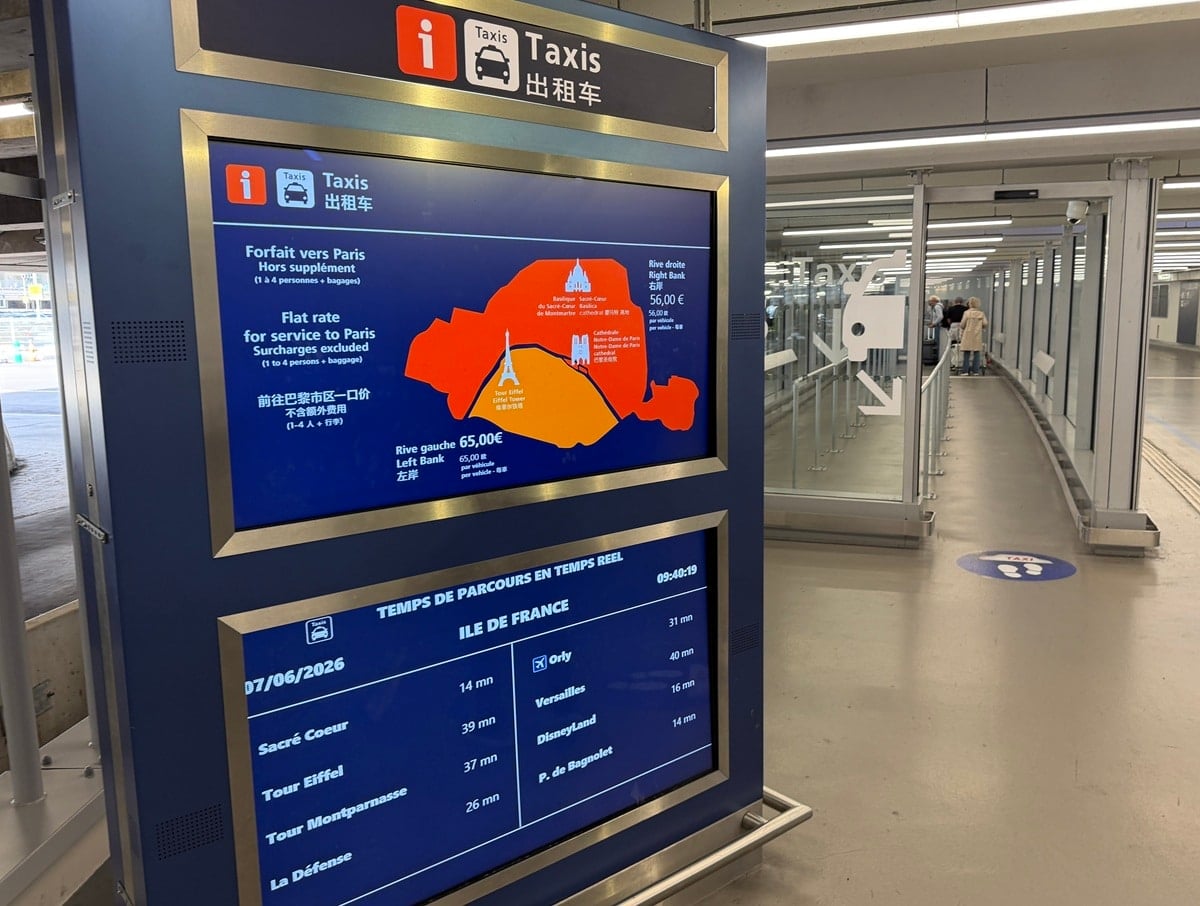
If you plan on taking a taxi, always go to the official taxi stand. Avoid unauthorized drivers approaching you in the terminal offering rides or giving directions—this is a known scam at some airports. You can see how it plays out here. Here’s a more detailed post on CDG taxi scams.
 3. Use Bolt Instead of Uber
 3. Use Bolt Instead of Uber
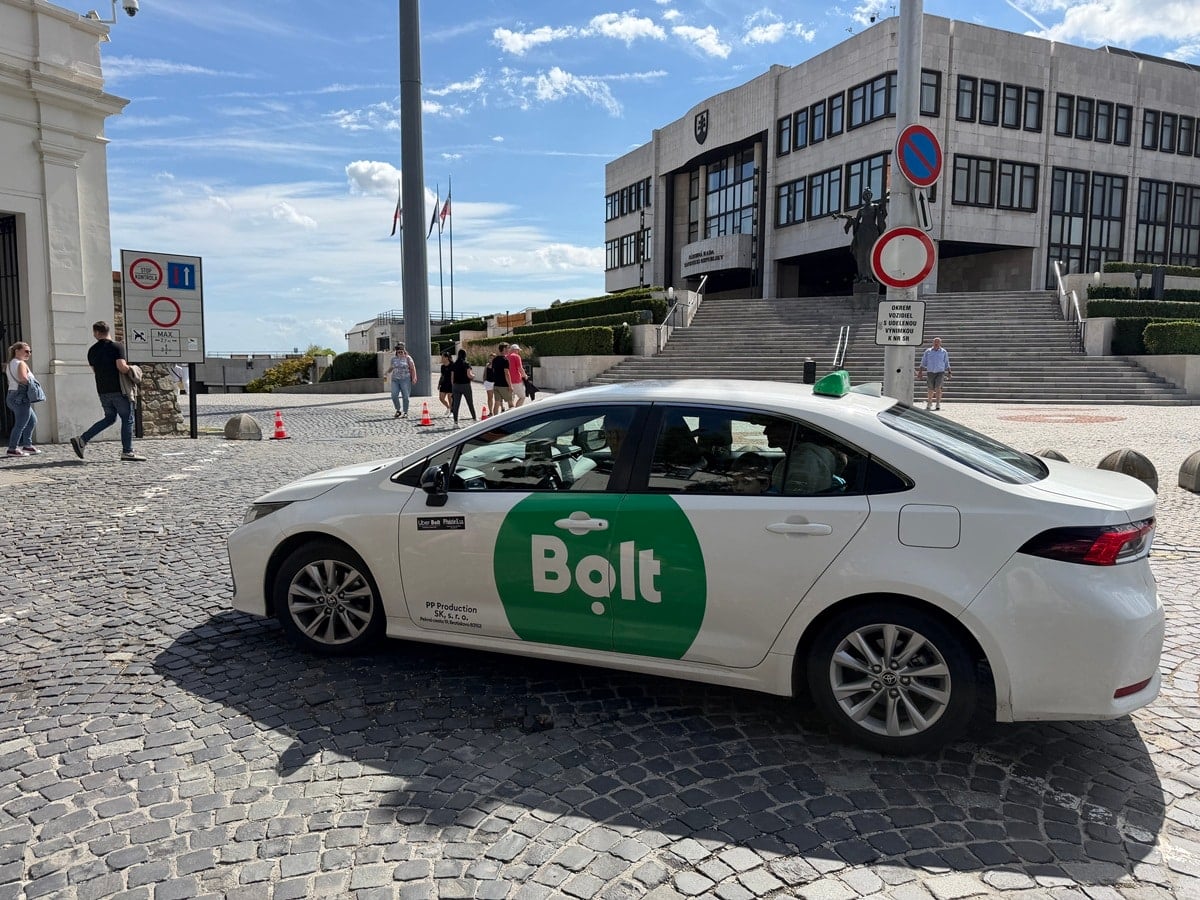
Just like in the U.S., ride-hailing prices can fluctuate significantly, so it’s smart to compare options. In Europe, Bolt (photo above is from Slovakia) is often cheaper than Uber, so it’s worth downloading before you arrive. You can also pay by cash if needed. On my first trip, I accidentally didn’t add a credit card and ended up paying cash—but it worked fine. After that, it functioned just like Uber or Lyft in the U.S. That said, expect occasional long waits or cancellations, especially during peak times. My drivers were also not particularly friendly, which was disappointing.
4. Consider a “Day Trip” or Hourly Driver
 4. Consider a “Day Trip” or Hourly Driver
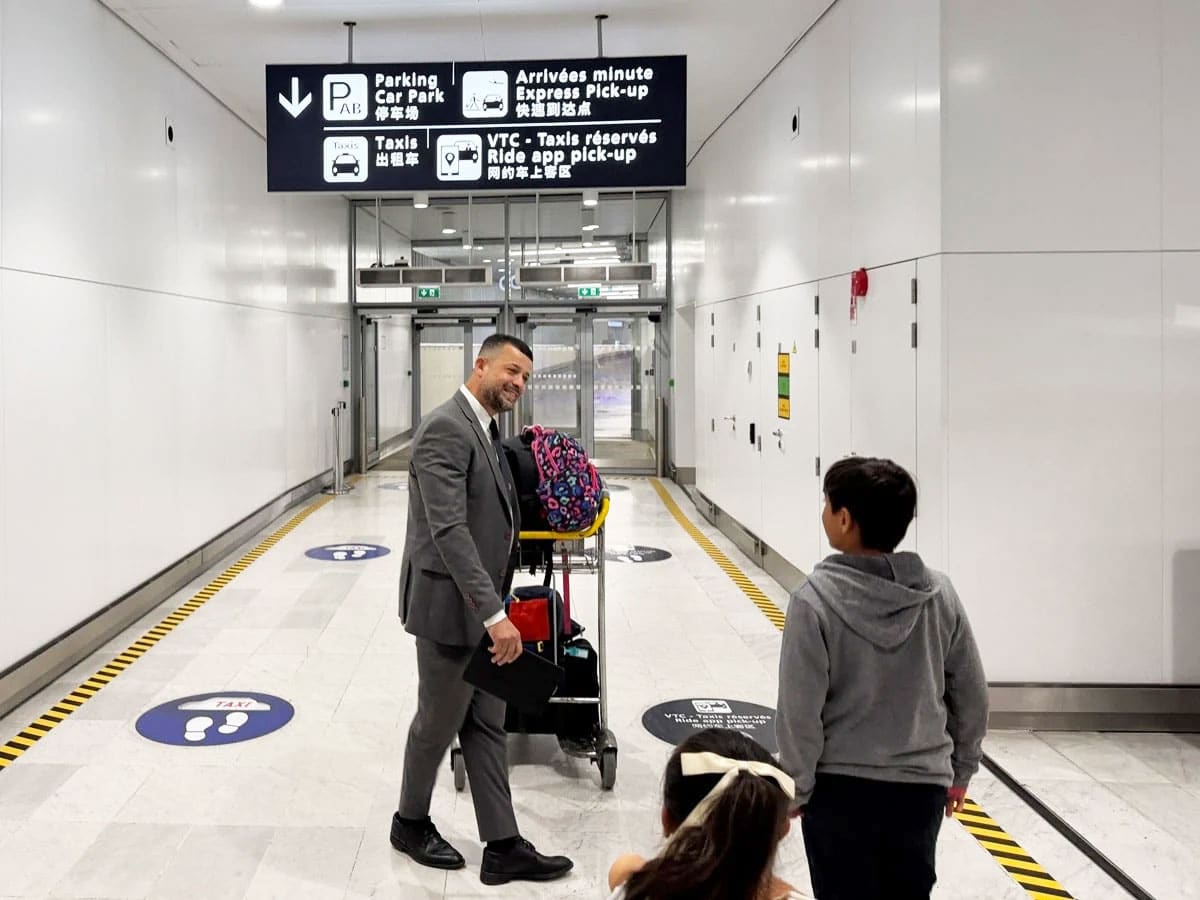
If you arrive early and your hotel or apartment isn’t ready, a service like Daytrip can make your first hours much smoother. Unlike standard transfers, Daytrip specializes in private city-to-city rides with English-speaking drivers and optional sightseeing stops along the way. They also offer airport transfers and curated day trips. They now offer an “Hourly Driver” option, allowing you to book a private car and driver by the hour (up to eight hours), with flexibility for multiple stops. Here’s my trip report.
If your accommodation can’t store luggage or is inconveniently located and you don’t want to pay for a service like Daytrip, services like Bounce are also useful for short-term bag storage.
5. Check for Labor Strikes
 5. Check for Labor Strikes
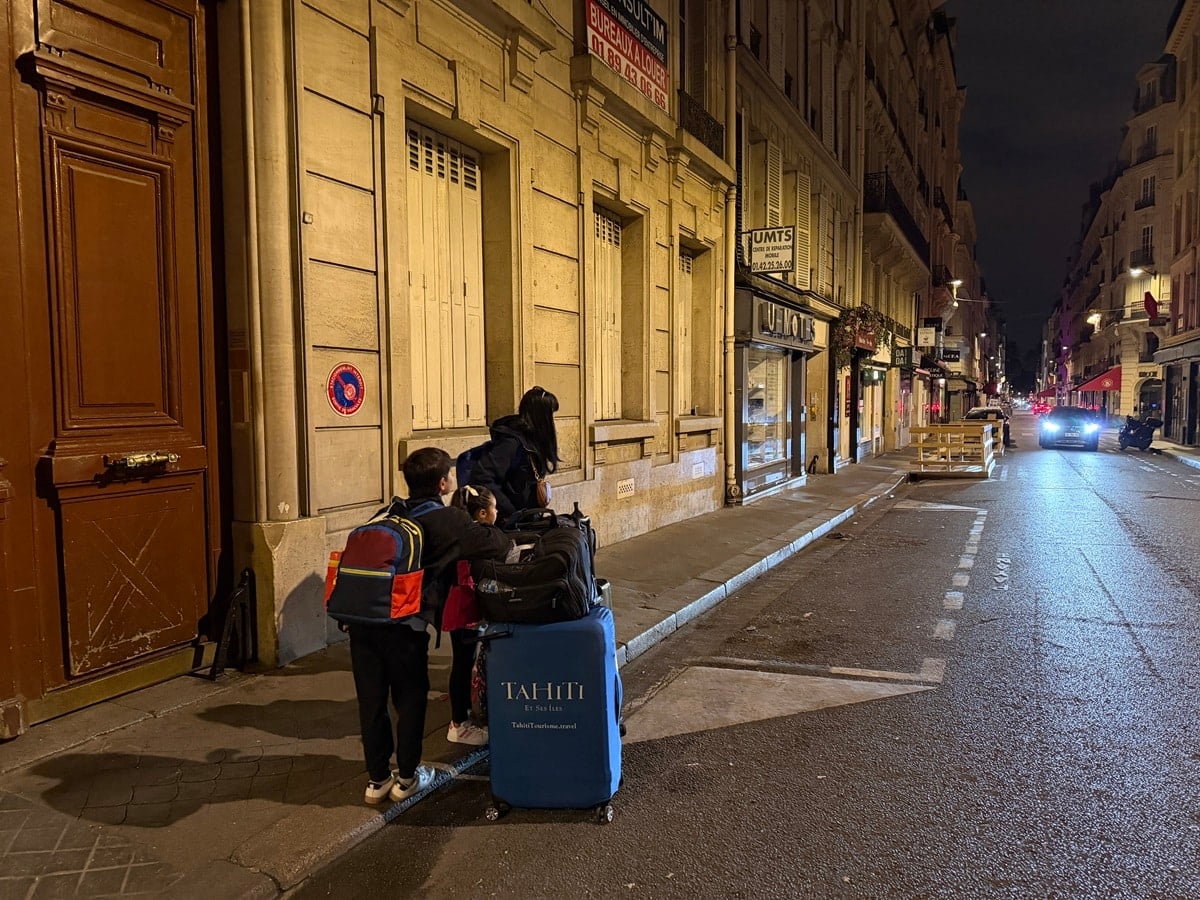
Before heading to the airport, always check for transportation strikes in France using Strike Tracker. I had planned to take Uber or Bolt to CDG at 4:30 a.m. for a 7 a.m. flight to Vienna, but a major rail strike was scheduled that day. I ended up pre-booking a local taxi (Victor Cabs) for €115 to avoid risking delays. In hindsight, I should have used Daytrip, but I booked before testing them. When there are strikes, backup transportation becomes essential.
6. Make Advance Reservations for Museums
 6. Make Advance Reservations for Museums
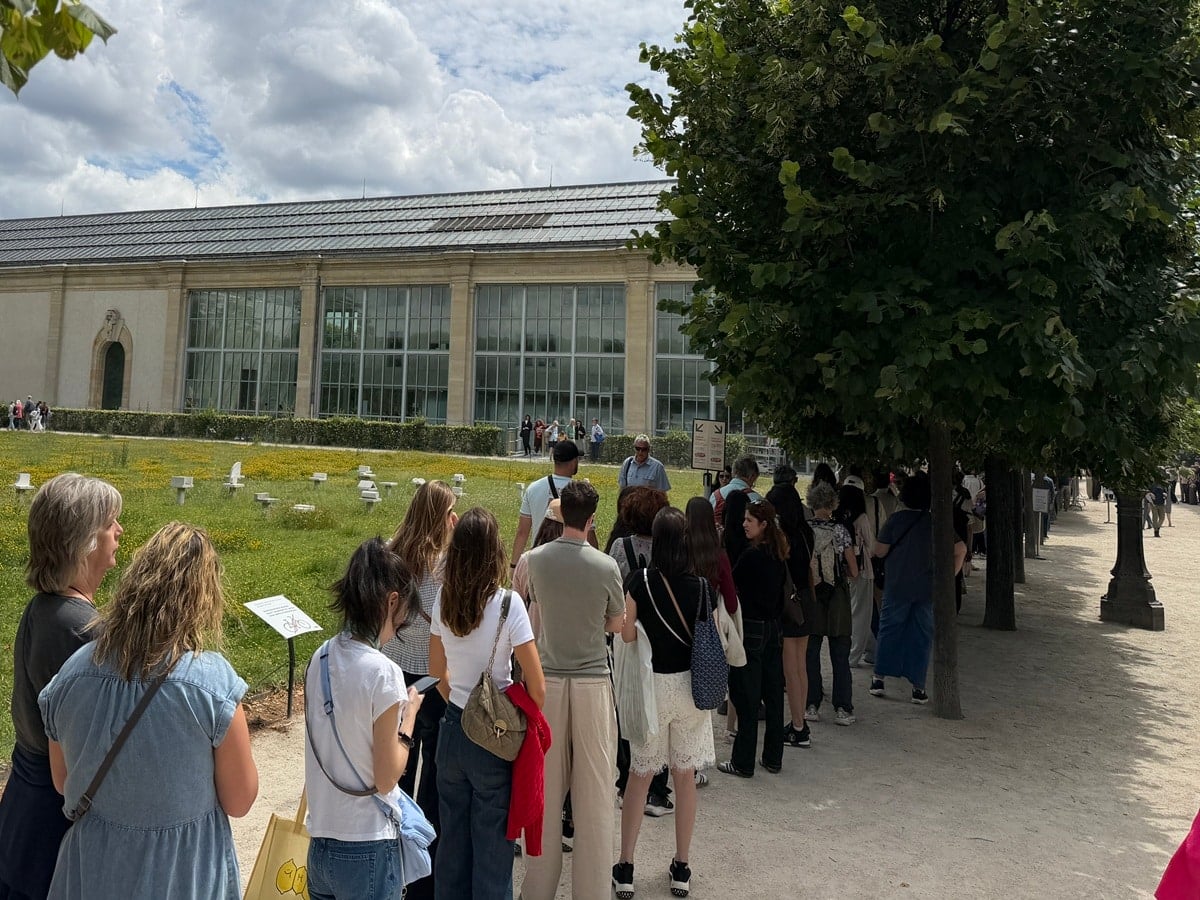
In Paris, last-minute planning can backfire. We nearly missed the Louvre because tickets were sold out, but luckily my wife managed to secure the final timed entry of the day through the official website. While waiting in line, I overheard visitors being turned away because the museum was fully booked. We had a similar experience at the Musée de l’Orangerie (photo above) as all the tickets were sold out. Pre-book everything. If you’re looking for tours, platforms like GetYourGuide or The Tour Guy are good options.
7. Go to Mass at Notre-Dame
 7. Go to Mass at Notre-Dame
Since our apartment wasn’t ready when we landed, our Daytrip driver offered to take us to Notre-Dame, which was a great way to start the trip. The Sunday morning line was long but moved quickly once doors opened. If you’re not attending Mass but want to visit the cathedral, you’ll need a timed entry ticket. These are released 24 hours in advance. Find more information about visiting Notre-Dame Cathedral here.
8. Say Bonjour and Bring a Bag
 8. Say Bonjour and Bring a Bag
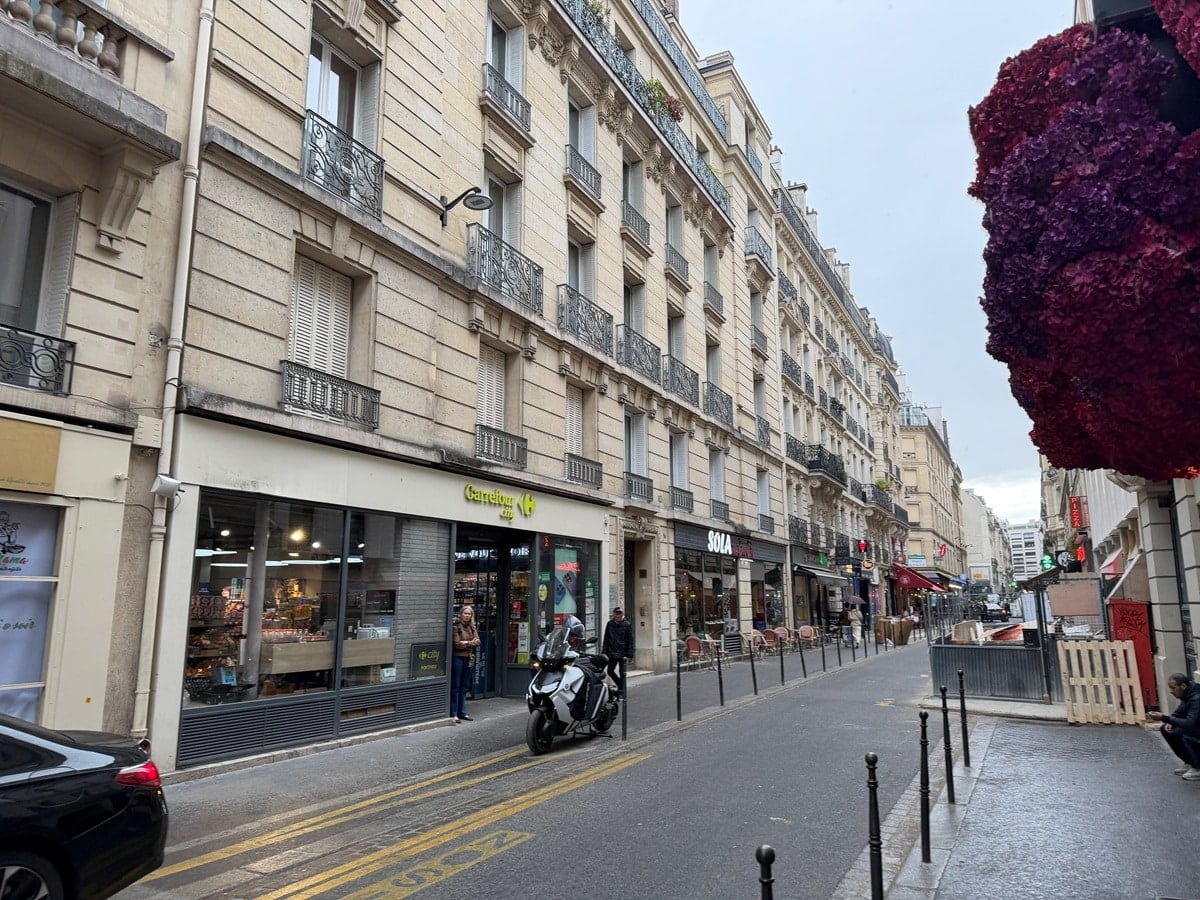
In France, it’s considered polite to say “Bonjour” when entering a shop and “Au revoir” when leaving. Skipping greetings can come across as rude. Also, bring a reusable bag when shopping at grocery stores unless you want to pay about €0.29 per bag. I always travel with a compact foldable bag like this.
9. Stay in Touch
 9. Stay in Touch
Before traveling, check your mobile carrier’s international roaming charges. I’m on a grandfathered T-Mobile plan, which is solid, but speeds can still be inconsistent and calls can be expensive. To supplement coverage, I also use an eSIM service like Ubigi or Holafly.
10. Bring a Fan
 10. Bring a Fan
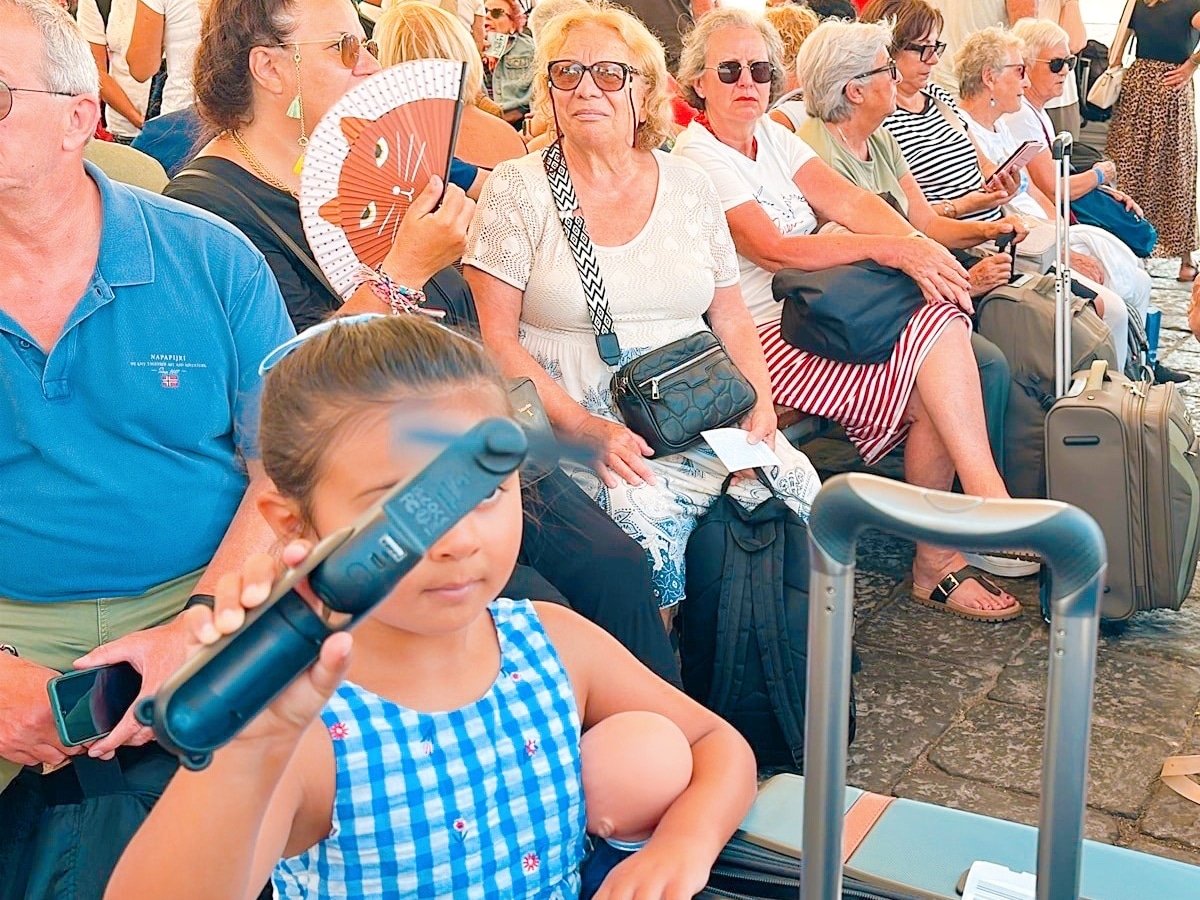
If you’re traveling to Europe in the summer, a portable fan can be a lifesaver. Even when temperatures are mild outside, indoor spaces like the Louvre can feel hot and stuffy, especially near high-traffic areas like the Mona Lisa. I wish I had brought one on our last trip but this time, every family member has their own because in stifling heat, trying to share a fan isn’t ideal.
Paris has plenty more nuances and travel tips, but these are some of the most important lessons I’ve learned from recent trips.


Good tips. Been to Paris lots of times. Museums we used to just walk into and we’re not crowded were a “zoo” this past Spring. My tip: avoid Paris in Summer. Yes to reservations everywhere if first time. Yes being polite is an excellent idea. We spend a reasonable amount of time sitting at a sidewalk cafe. We are quite comfortable using trains to get around Country. Metro very easy. Don’t hesitate to use Big Bus to get oriented to City. Learn what the districts are (no they are not called that.) Wear comfortable walking shoes.
Great additions!