The sudden shutdown of Spirit Airlines is sending shockwaves through the aviation industry, leaving airports, local economies and travelers scrambling to adjust to a rapidly changing air travel landscape. I went on NewsNation to discuss the impact.

Spirit officially ceased operations at 3 a.m. ET last Saturday after months of financial turmoil, failed restructuring efforts and an inability to secure additional funding. While many industry insiders saw the collapse coming, the impact is already being felt far beyond the airline itself.
Travel expert Peter Greenberg said the failure highlights the growing fragility of the ultra-low-cost airline model.
“There is no such thing as an ultra-low-cost carrier anymore,” Greenberg explained during his Global Travel Update. “They have to pay the same fuel prices, labor costs and aircraft expenses as everyone else. Low fares alone were no longer enough to sustain the business.”
Spirit’s downfall comes amid rising oil prices, increasing operating costs and weaker demand across parts of the travel sector. The airline had already been operating under Chapter 11 protection and reportedly sought a $500 million government-backed rescue package. But unlike some competitors, Spirit lacked valuable assets to leverage.
“JetBlue survived because they actually owned aircraft they could use as collateral,” Greenberg noted. “Spirit didn’t own their planes and had nothing substantial to pledge for additional loans.”
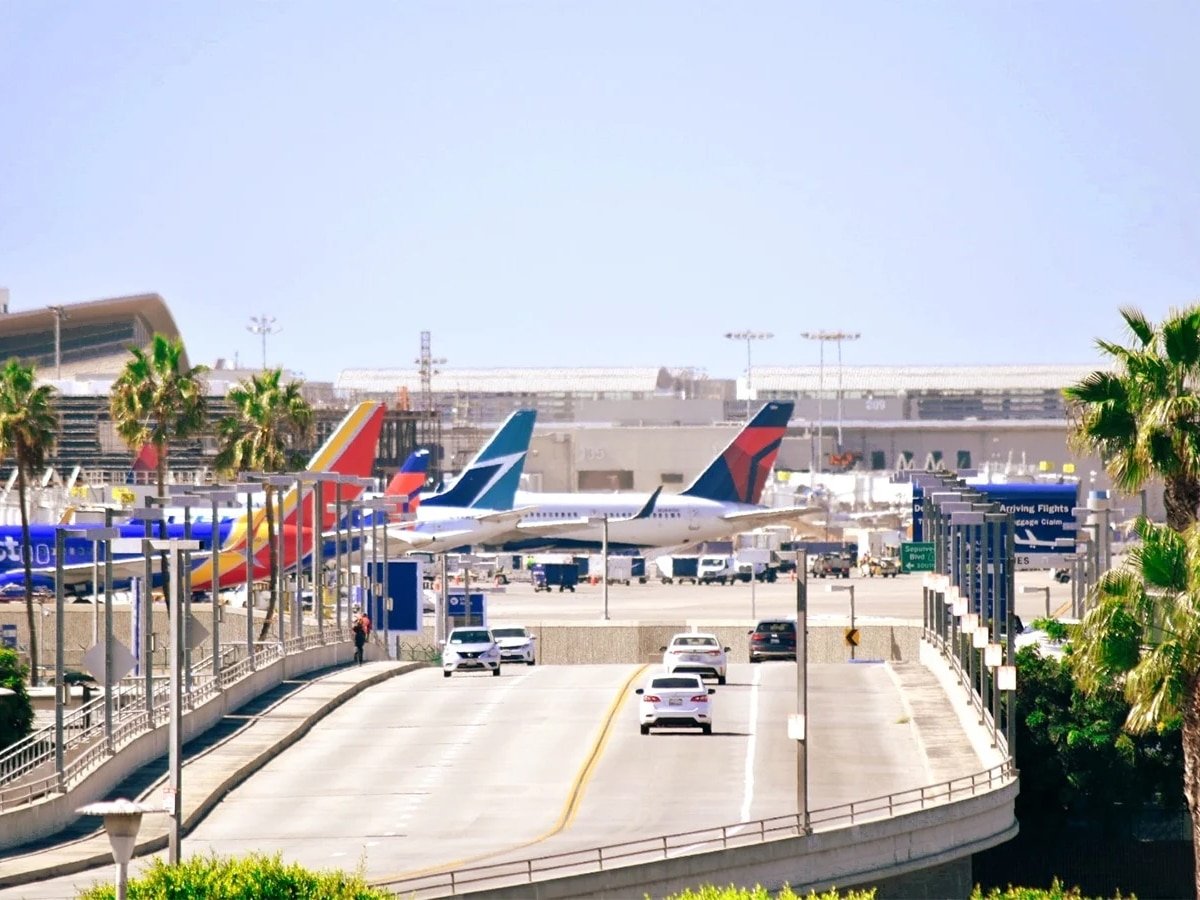
The collapse is creating immediate ripple effects at airports where Spirit maintained a dominant presence. In some cities, Spirit wasn’t just another airline — it was the backbone of the airport’s passenger traffic.
Atlantic City International Airport is among the hardest hit. Spirit reportedly accounted for roughly 75% of flights at the airport, leaving a massive void in service after the shutdown. Fort Lauderdale-Hollywood International Airport also depended heavily on Spirit, where the airline once controlled more than 30% of passenger traffic.
Now, competing airlines are rushing to capture stranded demand.
JetBlue, which now becomes Fort Lauderdale’s dominant carrier, quickly announced 11 new routes from FLL to help fill the gap left behind by Spirit’s disappearance. The airline is launching or restoring service to destinations including Baltimore, Charlotte, Columbus, Indianapolis, Barranquilla and Cali, Colombia. Additional frequencies are also being added to cities such as Austin, Dallas, Raleigh-Durham and Santo Domingo.
Other carriers are making aggressive moves as well.
Breeze Airways announced plans to take over several former Spirit routes from Atlantic City, including Orlando, Fort Myers, Myrtle Beach and West Palm Beach. The carrier is also expanding with seven additional leisure-focused routes, including new international service to Cancun, Punta Cana and St. Thomas.
Southwest Airlines is also stepping in, expanding service in markets heavily impacted by Spirit’s exit, including Las Vegas and Orlando.
While the rapid expansion by competitors may soften the blow for some travelers, Greenberg warns that consumers should still prepare for higher fares.
“Anytime you shrink airline capacity while demand remains the same, airfares go nowhere but up,” he said.
According to Greenberg, international fares are already up 37% compared to February levels, while domestic fares have increased approximately 20%, with prices continuing to rise every few days.
The shutdown also reignites debate over the blocked JetBlue-Spirit merger back in 2022. The Department of Justice opposed the deal on antitrust grounds, arguing it would reduce competition. Greenberg believes the merger may not have ultimately saved Spirit anyway.
“JetBlue didn’t want Spirit’s brand. They wanted the planes and pilots,” he explained. “Both airlines were already facing financial pressure. The question became which airline could survive longer while losing money. JetBlue could. Spirit couldn’t.”
Despite its often-mocked reputation, Spirit served an important role in keeping airfare prices low, particularly for leisure travelers willing to trade comfort for affordability.
Greenberg even shared a personal example, recalling a flight between Chicago and Orlando where legacy airlines charged over $400 while Spirit sold seats for just $69.
“For many travelers, that was real value,” he said.
Now, with Spirit gone and other low-cost carriers also facing financial pressure, industry analysts warn the airline industry could experience additional consolidation or even more failures in the coming years.
For airports and cities that depended heavily on Spirit, the recovery process is only beginning.