There’s no doubt that safety is one of the most important factors for travelers. I know it is for me, my family and my friends. Unless you’re an adrenaline junkie, there’s really no reason to put yourself or your loved ones in danger by visiting places that are known to be unsafe.
However, you also have to take rankings like these with a grain of salt. Almost every major city has neighborhoods that are safer than others, which is why doing a little research before you travel is so important. Even when I’m visiting a city I know well but haven’t been to in a while, I’ll ask the hotel front desk or bellman if it’s safe to walk in a particular area, especially at night. Why take the chance?
That’s why I was interested to see WalletHub’s new Safest Cities in America for 2026 rankings. The personal finance website compared 182 U.S. cities using 41 different indicators of safety, and some of the results might surprise you. In fact, several of America’s most popular tourist destinations landed near the bottom of the list, including Las Vegas, Chicago, Los Angeles and New Orleans. But before you cancel that vacation, there’s something important you should know about how these rankings were calculated.
The 10 safest cities in America for 2026
According to WalletHub, these are the 10 safest cities in the United States:
- Juneau, Alaska
- Warwick, Rhode Island
- Overland Park, Kansas
- Burlington, Vermont
- South Burlington, Vermont
- Virginia Beach, Virginia
- Cedar Rapids, Iowa
- Casper, Wyoming
- Boise, Idaho
- Yonkers, New York
Juneau, Alaska, took the top spot, which might surprise travelers who don’t typically think of Alaska’s capital when planning a vacation. I know, I don’t. According to WalletHub, Juneau performed particularly well because of its low murder and pedestrian fatality rates, relatively low exposure to several types of natural disasters and strong financial indicators.
Warwick, Rhode Island, came in second, followed by Overland Park, Kansas. Interestingly, Yonkers, New York, rounded out the top 10. That’s just north of New York City, which ranked much lower at number 133.
How popular tourist destinations ranked
This is where things get really interesting, especially for travelers. Here are some of the cities millions of people visit for vacations, business trips and family getaways, along with their positions on WalletHub’s list of 182 cities.
| City | Overall safety ranking |
|---|---|
| Honolulu, Hawaii | 13 |
| Boston, Massachusetts | 38 |
| Seattle, Washington | 79 |
| Miami, Florida | 112 |
| San Diego, California | 124 |
| New York City, New York | 133 |
| Orlando, Florida | 146 |
| Las Vegas, Nevada | 159 |
| Chicago, Illinois | 163 |
| Los Angeles, California | 168 |
| New Orleans, Louisiana | 182 |
I have to admit, some of these rankings surprised me. I live in Los Angeles and travel frequently to New York City and Chicago, so I know firsthand that these cities have plenty of safe neighborhoods and wonderful places to visit. I certainly wouldn’t tell someone to avoid them just because they scored poorly on this particular list.
The key is knowing where you’re going, being aware of your surroundings and avoiding neighborhoods where you have no reason to be, particularly late at night.
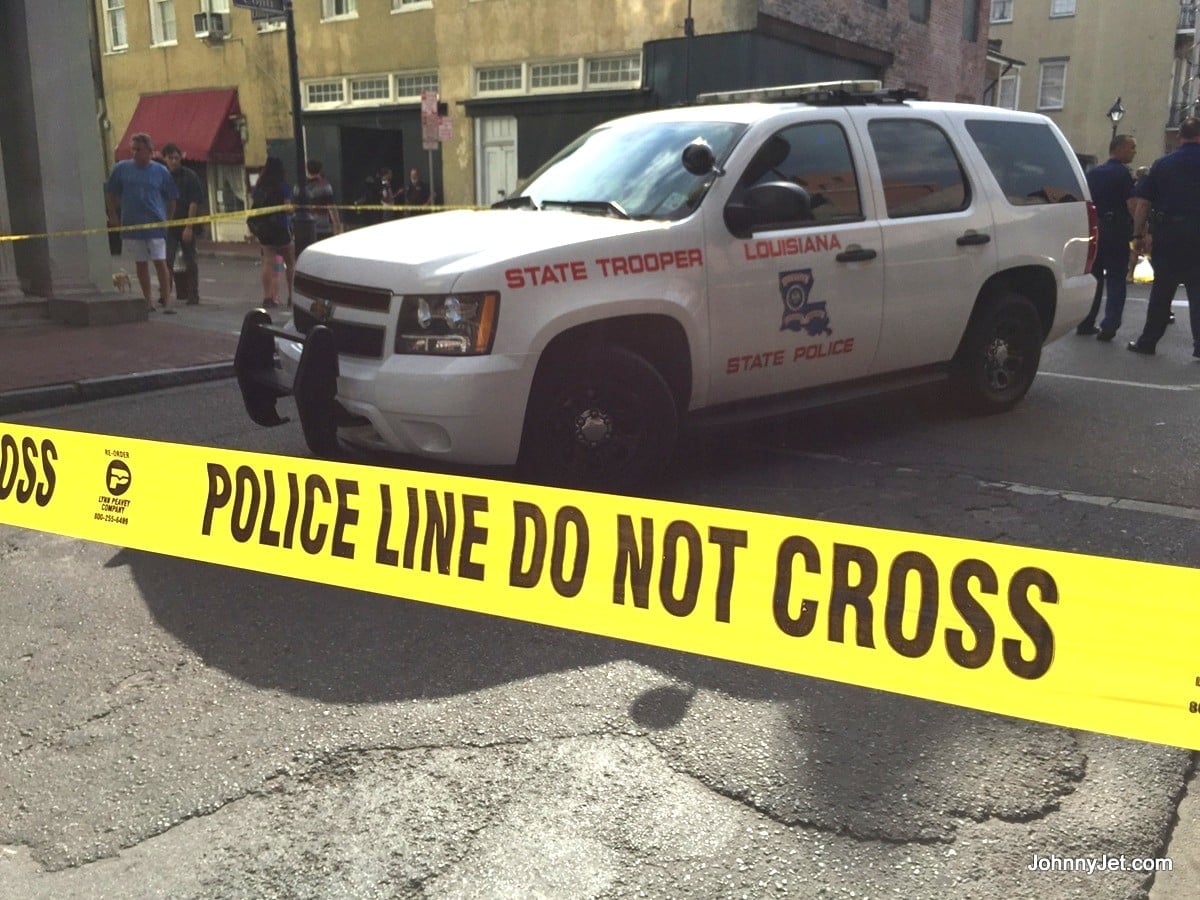
New Orleans, however, is one city where I always tell travelers to be especially careful about where they’re walking. I remember visiting once and asking the bellman at our hotel if there were any areas we should avoid. He warned me to stay away from a particular section just a few streets away, and he wasn’t kidding. While we were out exploring, we came across a street just a block from our hotel in the French Quarter that had been cordoned off with police tape. Someone had just been shot in broad daylight. Gulp.
It doesn’t mean you shouldn’t visit New Orleans. It’s an incredible city with fantastic food, music, culture and history. But it certainly reinforces why I always recommend asking locals for advice and being aware of your surroundings, even when you’re just a block or two from your hotel. And this advice applies to just about any major city, whether you’re in the United States or overseas.
Why these rankings don’t tell the whole story for travelers
Here’s something important to understand about WalletHub’s study: It’s not simply a ranking of which cities have the most or least crime.
The researchers examined 41 indicators across three major categories:
- Home and community safety (60%): Including murders, assaults, thefts, traffic fatalities, pedestrian safety and other public safety measures.
- Natural-disaster risk (20%): Including exposure to earthquakes, flooding, hurricanes, tornadoes and wildfires.
- Financial safety (20%): Including unemployment, poverty, insurance coverage, credit scores, fraud and other financial indicators.
That means a city can receive a relatively poor overall ranking even if many of its popular tourist neighborhoods are perfectly reasonable places to visit.
Take Los Angeles, for example. It ranked 168th overall, but its natural-disaster risk ranking was even worse at 179th out of 182 cities. Its home and community safety ranking was 157th. Or consider Irvine, California. It ranked 28th overall and seventh for home and community safety, but 165th for natural-disaster risk. These differences matter.
If you’re visiting a city for a weekend, you’re probably more concerned about personal safety, traffic and avoiding crime than the local unemployment rate or average credit score.
That’s not to say natural disasters aren’t important. They absolutely are, especially if you’re traveling during hurricane season, wildfire season or periods of severe weather. But it’s important to understand what these rankings actually measure before drawing conclusions.
Another important distinction is that WalletHub’s rankings cover individual cities, not their entire metropolitan areas. A city ranking doesn’t necessarily reflect the safety of nearby suburbs, attractions or neighborhoods outside its boundaries.
It’s also worth noting that WalletHub collected the data for this study as of September 21, 2026. So while these rankings offer an interesting snapshot of overall safety, they’re not necessarily a reflection of what travelers might experience on the ground today. That’s another reason I wouldn’t rely on this list alone when deciding whether to visit a destination.
My tips for staying safe when traveling
I’ve traveled extensively for decades, and one thing I’ve learned is that you don’t need to be paranoid to be a smart traveler. You just need to pay attention, prepare ahead of time and use common sense.
Research your destination before you arrive
Don’t just look at hotel reviews and restaurant recommendations. Research the surrounding neighborhood, especially if you plan to walk around after dark. A hotel might look great online, but that doesn’t necessarily mean you’ll feel comfortable walking several blocks from it at night.
Ask locals who know the area
This is something I do all the time. Hotel concierges, front desk employees, bellmen and friends can be great sources of local information. If I’m unsure whether it’s safe to walk somewhere, I ask. And if they suggest taking a taxi or rideshare instead, I listen.
Don’t wander around distracted
I see travelers doing this constantly. They’re walking down the street staring at their phones, wearing headphones or carrying expensive electronics without paying attention to what’s happening around them. You don’t have to be on high alert every second, but you should know what’s going on around you.
Be especially careful at night
A neighborhood that feels safe during the day can feel very different after dark. If you’re unfamiliar with the area, don’t be afraid to spend a few extra dollars on transportation rather than walking somewhere you’re unsure about.
Trust your instincts
If something doesn’t feel right, leave. Don’t worry about appearing rude or overreacting. It’s better to change your plans than put yourself in an uncomfortable or potentially dangerous situation.
One of the best travel safety tips I’ve ever received
A few years ago, I interviewed travel security expert Kevin Coffey, a former Los Angeles Police Department detective who helped create the LAPD’s LAX Airport Crimes Investigation detail. Kevin spent decades investigating crimes against travelers at airports, hotels and rental car agencies, so he knows a thing or two about keeping people safe.
During our conversation, he shared a simple tip that I’ve never forgotten. He recommends that travelers think about the “What If?” before something goes wrong. For example, what if you lose your passport? What if you’re involved in an accident overseas? What if someone finds your identification but has no way of contacting you?
One of his recommendations is to fill out the emergency contact information in your U.S. passport and include additional contact information on a separate piece of paper tucked inside, such as your cell phone number and the phone numbers of loved ones who are and aren’t traveling with you.
Kevin shared an example of a traveler who accidentally dropped her passport on Chicago’s L train while heading to O’Hare International Airport. Fortunately, she’d included her contact information, and the person who found it was able to reach her quickly enough that she didn’t miss her flight.
This advice really hit home because my wife once lost her passport while we were on a Baltic cruise. We were on a bicycle tour in Tallinn, Estonia, and she’d put her passport in her back pocket. At some point, it disappeared.
We retraced our steps and the tour company even sent someone to help us search, but we couldn’t find it. Suddenly, our dream cruise was in jeopardy because the captain explained that she couldn’t continue sailing without a valid passport.
Even though she had copies of her passport and an expired one, those weren’t sufficient for the cruise line’s requirements. She faced the possibility of having to obtain an emergency passport and fly home at her own expense, which would have cost thousands of dollars. Fortunately, the story had a happy ending, but it’s something we’ve never forgotten.
One additional tip: Keep your passport secure and don’t put it in an easily accessible back pocket. Also, keep digital copies of your important travel documents in a secure location. Copies may help with replacement procedures, but they generally won’t substitute for a valid passport when crossing international borders.
Traveling internationally? Check more than one government’s travel advisories
Whenever I’m traveling internationally, I always recommend checking the U.S. State Department’s travel advisories before leaving home.
But here’s another tip: Don’t stop there.
I also like to compare travel advisories from other governments because they sometimes provide different perspectives, additional details or more specific warnings about certain destinations.
Here are four resources worth bookmarking:
- United States: U.S. Department of State Travel Advisories
- Canada: Government of Canada Travel Advice and Advisories
- Australia: Smartraveller
- United Kingdom: UK Foreign Travel Advice
I especially recommend checking these resources before visiting a country you’ve never been to or returning somewhere you haven’t visited in years. Conditions can change quickly, and something that was perfectly safe during your last visit might require additional precautions today.
Bottom line
WalletHub’s 2026 safest cities rankings are interesting and worth paying attention to, but I wouldn’t use them as the sole deciding factor when planning a trip. After all, some of America’s most popular destinations ranked near the bottom of the list, and millions of travelers still enjoy wonderful, trouble-free vacations in these cities every year.
The key is to do your homework, choose your accommodations carefully, ask questions and pay attention to your surroundings.
Have you ever visited a city where you felt unsafe, or were you surprised by any of these rankings? I’d love to hear your experiences in the comments.