This article has been produced in partnership with TESSAN. JohnnyJet.com may earn a commission on purchases made through the links below.
There are plenty of things most of us do before leaving for a trip. Me? I obsessively check that I have my passport, make sure all the doors are locked, double-check my flight details and, of course, make sure my phone is charged. But there’s another habit I’ve picked up over the years that’s saved me more than once: Taking photos of things I might need to reference later.
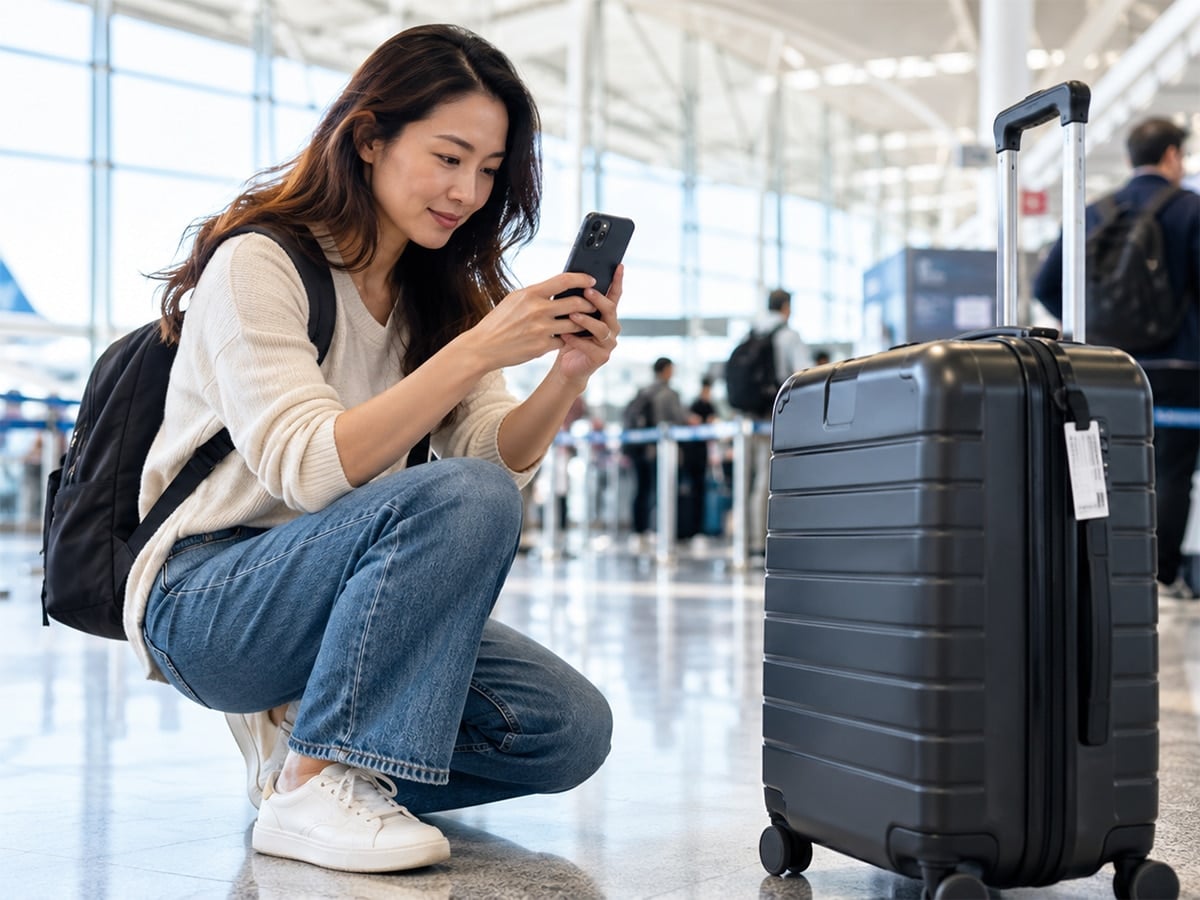
Your phone’s camera can be a real lifesaver when you’re traveling. A few quick photos can help you locate a missing suitcase, remember where you parked your car, document damage to a rental vehicle or find important information when you need it most.
And the best part? It takes just a few seconds to snap that photo you might find yourself relying on later. Here are 10 things worth photographing before you leave for the airport and throughout your trip.
1. Your checked luggage
Before you hand your suitcase over to the airline, take a clear photo of it. If your bag gets lost or delayed, having a photo makes it much easier to describe to an airline representative.
Make sure the photo shows the entire suitcase, including its color, size and any distinguishing features like straps, stickers or luggage tags. If your bag is a basic black suitcase (like approximately seven million others at baggage claim), consider adding a colorful luggage strap to make it easier to identify.
It’s also worth taking a photo of your suitcase’s contents before you close it. If your luggage is lost or damaged and you need to file a claim, having a visual record of what you packed can be helpful. For expensive items, keep receipts as well.
2. Your luggage tag and baggage claim receipt
This is one of those travel tips that’s easy to overlook but could save you a major headache. After checking your bag, take a photo of the baggage claim receipt the airline gives you. It contains a tracking number that can help the airline locate your luggage if it doesn’t arrive at your destination.
But don’t stop there. Take a photo of the airline’s baggage routing tag attached to your suitcase, too. That tag contains important information, including the bag’s barcode, identification number and destination airport.
If your suitcase goes missing, you’ll have a record of the information the airline needs to help track it down. Just make sure to take the photo after the airline has attached the tag and before the suitcase disappears down the conveyor belt.
3. Where you parked your car
Have you ever returned from a long trip, exhausted and ready to get home, only to realize you have absolutely no idea where you parked?
Airport parking garages can be enormous and after a week or two away, it’s surprisingly easy to forget which level or section you left your car in. Before heading into the terminal, take a photo of your parking spot, including the level number, section letter and any nearby signs. If you’re parking in a large outdoor lot, photograph the row marker or shuttle stop as well.
You can also drop a pin in your phone’s map app, but a photo is a handy backup, especially in multilevel garages where GPS isn’t always reliable.
4. Your passport and other important documents
Losing your passport while traveling internationally is one of those situations nobody wants to deal with. Having a photo of the identification page won’t replace the actual document but it can make it easier to access your passport number and other details when reporting it lost or applying for a replacement.
It’s also smart to keep secure digital copies of your driver’s license, travel insurance information and any visas you need for your trip.
One important note: These documents contain sensitive personal information, so don’t leave them sitting in an unsecured photo album or shared folder. Store copies in a password-protected or encrypted location, and consider keeping a separate paper copy somewhere safe.
5. Your rental car before driving away
This one is especially important if you’re renting a car on vacation. Before leaving the rental lot, walk around the vehicle and take photos of all four sides, paying close attention to existing scratches, dents or other damage. Don’t forget the wheels, windshield and interior.
I also recommend taking a quick video of the entire car. It takes less than a minute and provides an even more complete record of its condition. While you’re at it, photograph the dashboard showing the fuel level and mileage.
Repeat the process when you return the car, especially if you’re dropping it off after hours. If there’s ever a dispute about damage or fuel charges, you’ll have timestamped documentation to refer to.
6. Your hotel room when you arrive
Before unpacking, take a few quick photos of your hotel room, especially if you notice anything damaged, stained or broken.
Most hotels aren’t going to charge you for a small scratch on a desk or a stain on the carpet, but documenting preexisting damage can help protect you from an unfair charge later.
This can be really useful when you’re staying in vacation rentals, where security deposits and damage claims can sometimes become an issue. If you’re staying in a rental property, consider photographing the condition of the rooms when you arrive and again before you leave.
7. Your hotel’s name and address
If you’re traveling somewhere unfamiliar, especially internationally, you may forget the exact name or address of your hotel. Take a photo of the hotel’s business card, entrance sign or address before heading out to explore. This can really be useful if you’re in a country where you don’t speak the language and need to show a taxi driver where you’re staying.
You might also want to save your hotel’s location in Google Maps so that you can find your way back without having to search for it.
8. Your electronics and chargers
Before leaving your hotel room, take a quick photo of the desk, bedside tables and any outlets where you’ve plugged in devices.Why? Because phone chargers, travel adapters and charging cables are among the easiest things to leave behind in a hotel room.
It’s a simple visual reminder to check those spots before you walk out the door.This is also where having a good travel charging set-up makes a difference. Rather than plugging devices into outlets all over the room, I prefer keeping everything in one place.
A compact travel adapter with multiple USB ports can make it easier to charge your phone, tablet and other small electronics from one location when traveling internationally. Just make sure the adapter supports the plug types used at your destination and remember that most plug adapters don’t convert voltage.
9. Your parking or transportation receipts
Whether you’re leaving your car at an airport parking lot, paying for a shuttle or using a transportation service, take a photo of any paper receipts or tickets you’re given.
Small slips of paper have a way of disappearing into the depths of a purse or carry-on bag, usually right when you need them. A photo can help you reference a booking number, confirm what you’ve already paid or locate the contact information for a parking facility.
This is particularly useful for airport parking reservations, where you may need a confirmation number or QR code to exit the lot.
10. Your home’s condition before leaving
This might sound a little excessive but hear me out. Before leaving for a longer trip, take a few photos of your home, especially areas you’ve checked as part of your pre-departure routine.
For example, you might photograph the stove after confirming it’s off, the locked back door or the garage after you’ve closed it.If you’re anything like me, you’ve probably been halfway to the airport and suddenly wondered, Did I turn off the stove? Did I close the garage door? Did I unplug my flat iron?
Having a photo can provide some peace of mind without having to turn around and check. Just remember that a photo isn’t a substitute for actually checking that everything is secure!
Bonus: 7 things to screenshot before your trip
Photos aren’t the only images worth saving to your phone. Screenshots can be just as helpful, particularly when you’re traveling somewhere with spotty Wi-Fi or unreliable cell service.
Before leaving home, I recommend saving screenshots of:
1. Your flight details: Flight numbers, departure times, confirmation numbers and terminal information. Just remember that gates and schedules can change, so always check for updates.
2. Hotel reservations: Booking confirmation numbers, addresses, check-in details and contact information.
3. Rental car reservations: Pick-up locations, confirmation numbers and instructions for collecting or returning the vehicle.
4. Airport parking reservations: QR codes, payment confirmations and directions to the parking facility.
5. Train tickets and other transportation bookings: Especially helpful when you’re underground or somewhere without reliable cell service.
6. Important directions: Screenshot walking directions or transit instructions for places you’ll be visiting. Downloading offline maps is even better.
7. Event tickets and reservations: Whether it’s a museum admission, guided tour or dinner reservation, having the details saved can prevent a last-minute scramble. Some rotating barcodes won’t work in screenshots, so use the official ticket app or digital wallet when required.
I recommend creating a dedicated album on your phone for each trip or ‘favoriting’ each photo so that everything is organized and easy to find. Keep sensitive documents in secure storage rather than a regular shared photo album.
One more thing: Make sure your phone stays charged
Of course, all these photos and screenshots are only useful if your phone has enough battery to access them.
Between checking flight updates, navigating unfamiliar cities, taking photos, using mobile boarding passes and staying in touch with family, it’s amazing how quickly a phone battery can drain while traveling.
That’s why a reliable charging set-up is one of my travel essentials. For international trips, a TESSAN universal travel adapter is a convenient way to keep your devices powered without packing a separate plug adapter for every country. Models with multiple USB-A and USB-C ports are especially helpful when you’re traveling with several devices or sharing an outlet with family.
And for hotel stays, a TESSAN compact power strip with USB charging ports can be useful when outlets are limited or inconveniently located. Just make sure the model is compatible with the local voltage and your destination’s electrical standards; many power strips are intended for domestic use only.
A portable power bank is another smart addition to your carry-on, especially for long travel days. Remember that spare lithium-battery power banks belong in your carry-on, not your checked luggage, and airline capacity restrictions apply.
Travel doesn’t always go according to plan. Bags get delayed, rental cars get scratched, parking spots get forgotten and important documents have a way of disappearing at the worst possible moment. Taking a few extra photos before and during your trip won’t prevent those things from happening but it can make dealing with them a whole lot easier.