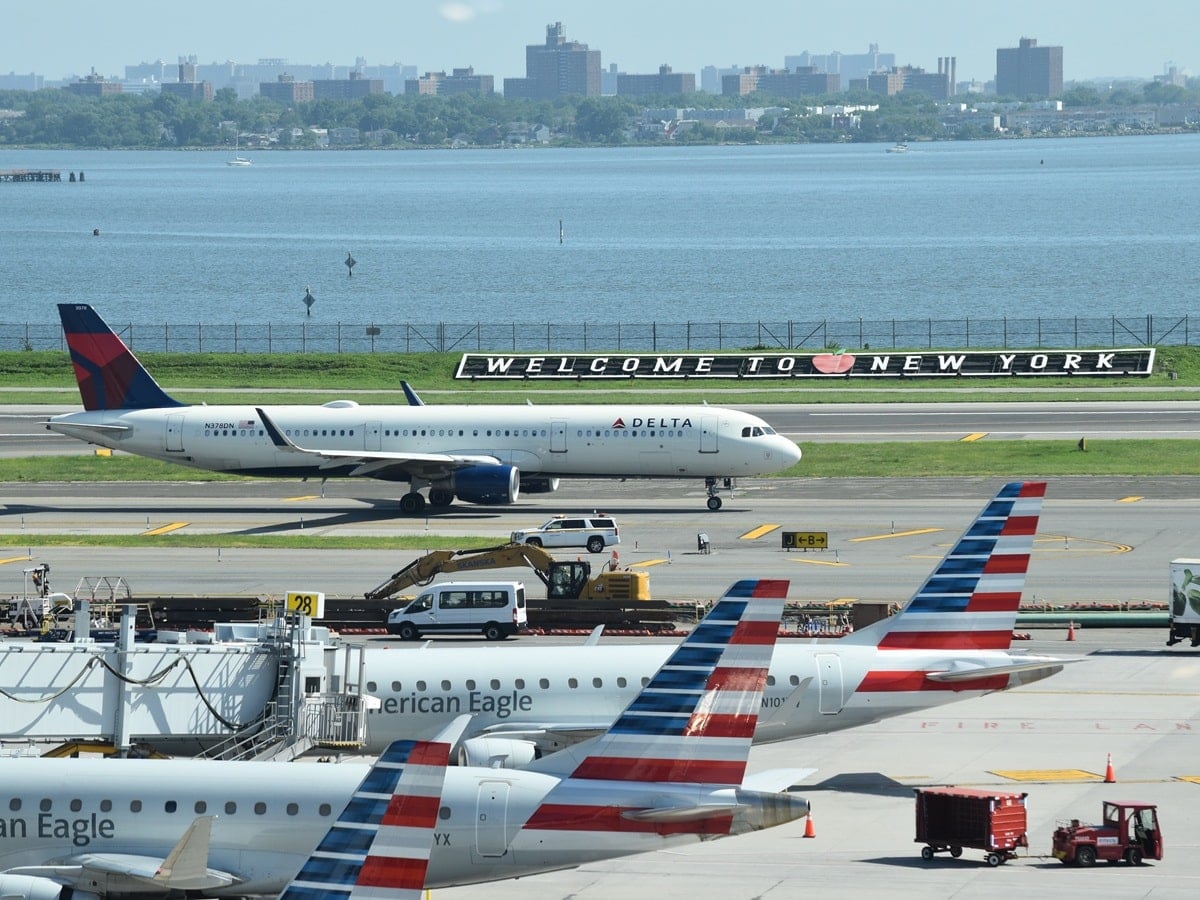
I received an email from a reader over the weekend that brought back some great memories. He wrote: “I really wish they would bring back their American Way Magazine, and the other airlines would follow the same, that used to be in the seat back with the other flight literature. I know it is only wishful thinking!”
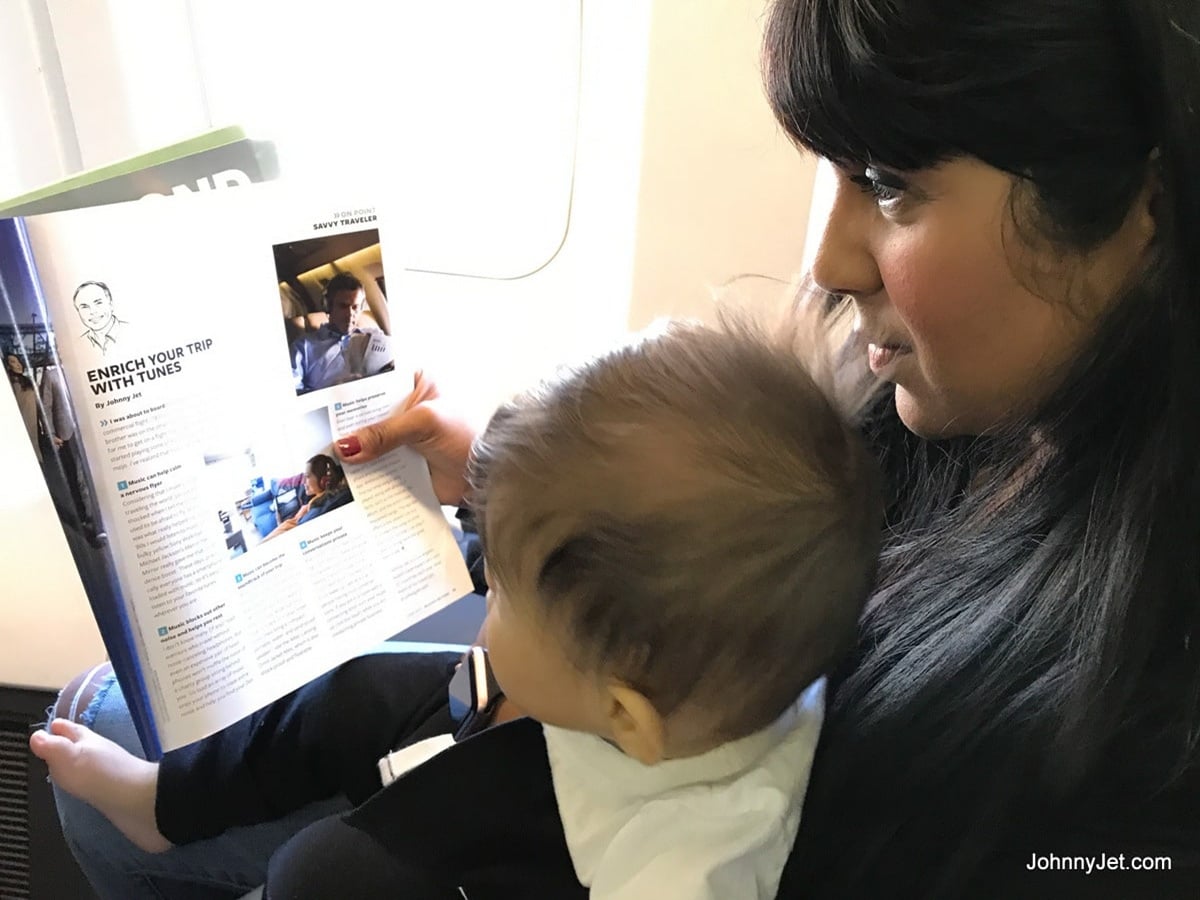
I couldn’t agree more! For those of us who have been flying for decades, there’s something nostalgic about reaching into the seatback pocket, pulling out the airline’s magazine and flipping through the pages while waiting for takeoff. Before smartphones, tablets and Wi-Fi became commonplace, those magazines were one of the best ways to pass the time on a flight.
I especially loved the destination features, travel tips, airline route maps and stories about interesting people around the world. They were also a great way to discover places you might never have considered visiting.
I have an even more personal connection to airline magazines because I used to write a column for Alaska Airlines Magazine. It was a wonderful experience and I always enjoyed seeing my work in print when I boarded an Alaska Airlines flight. Even better was when friends would spot my column, take a picture with it and post it on social media.
Unfortunately, times have changed.
Why did airlines get rid of their magazines?
Like so many print publications, airline magazines have struggled financially. Advertising revenue has shifted toward digital platforms and producing, printing and distributing thousands of magazines every month isn’t cheap.
There’s also another reason airlines have been eager to eliminate them: weight. Every extra pound on an airplane means burning additional fuel, and when you multiply the weight of hundreds of magazines across thousands of flights, it adds up.
When American Airlines announced it was discontinuing American Way in June 2021, the airline specifically mentioned reducing paper waste and aircraft weight as benefits of the decision.
United Airlines followed suit in September 2024, publishing the final print edition of its popular Hemispheres magazine after more than 30 years.
Here’s something that surprised me: According to United’s 2024 Corporate Impact Report, eliminating the printed magazine removed an average of 79 pounds from each aircraft. United estimated that the change could reduce carbon dioxide emissions by approximately 12,000 metric tons annually. That’s a pretty significant savings for something most passengers probably never thought twice about.
Of course, the biggest factor is most likely money. Printing and distributing magazines to thousands of flights isn’t cheap, especially at a time when print advertising dollars have dried up and passengers increasingly consume content on their phones and tablets. Reducing weight and fuel consumption is another bonus.
The good news is that some airline magazines are still around, although you may have to read them on your phone, tablet or computer instead.
5 airline magazines you can still read online
1. United Airlines: Hemispheres
If you were a frequent United flyer, you probably remember Hemispheres, especially its popular Three Perfect Days destination guides. They were my favorite.
Although the print edition disappeared in September 2024, United has kept the brand alive online. You can still find destination guides, travel inspiration, hotel recommendations and stories about places around the world. The Three Perfect Days features are particularly useful because they provide suggested itineraries for travelers who have limited time in a destination.
2. British Airways: High Life
British Airways has a long history with inflight magazines. Its High Life publication dates back to 1973 and remains one of the airline industry’s best-known travel publications. Today, the magazine has a substantial online presence, featuring destination guides, hotel reviews, travel tips and airline news.
Unlike some airline magazines that simply stopped publishing, High Life has evolved into a digital travel publication. You don’t have to be flying British Airways to enjoy the stories, either.
3. Hawaiian Airlines: Hana Hou!
Hawaiian Airlines’ Hana Hou! has long been one of my favorite examples of an airline magazine that goes beyond promoting destinations. The publication focuses on Hawaiian culture, history, food, people and the islands themselves. The magazine makes you want to visit Hawaii, even if you’ve already been dozens of times. You can find Hana Hou! stories and archived material on Hawaiian Airlines’ website.
4. KLM: Holland Herald
KLM’s Holland Herald is another longtime airline publication with a history of featuring international destinations, culture and travel inspiration. Digital editions and archived content have been available online, although the experience is different from browsing a traditional magazine website. If you’re interested in aviation history or enjoy seeing how European airlines approach travel storytelling, it’s worth exploring.
5. KLM: Flying Dutchman
KLM also has a Dutch-language publication called Flying Dutchman. It’s geared toward Dutch-speaking readers and features travel stories, interviews and lifestyle content. If you don’t speak Dutch, you can use your browser’s translation feature to explore the articles.
What happened to American Airlines’ American Way?
Unfortunately, the magazine that inspired my reader’s email is no longer being published. American Way first appeared in 1966 and remained a familiar sight in American Airlines seatback pockets for more than five decades. The airline published its final issue in June 2021, ending a 55-year run.
At the time, American said it was focusing on digital entertainment, including movies, television shows and other content passengers could stream to their personal devices. You can read American Airlines’ official farewell to American Way here.
Will airline magazines ever make a comeback?
I wouldn’t hold my breath. Between rising operating costs, environmental considerations and the fact that almost everyone now travels with a smartphone or tablet, it’s difficult to imagine the major U.S. airlines bringing back printed magazines on a large scale.
Still, I think we’ve lost something special. There’s a big difference between scrolling through your phone and flipping through a magazine at 35,000 feet. With a printed magazine, you might stumble upon a fascinating story about a destination you never knew existed. You weren’t searching for it. You just happened to turn the page.
I’m glad that at least some airlines are keeping their magazines alive digitally. But like my reader, I still miss finding one in the seatback pocket.
What about you? Do you miss airline magazines? Which one was your favorite? And did I miss any airline magazines that are still available online? If so, please let me know in the comments below.