This article has been produced in partnership with TESSAN. JohnnyJet.com may earn a commission on purchases made through the links below.
Thanksgiving is just around the corner and if you’re planning to travel for the holiday, now is the time to start preparing. It may seem early but trust me, the sooner you get organized, the less stressful your trip will be.
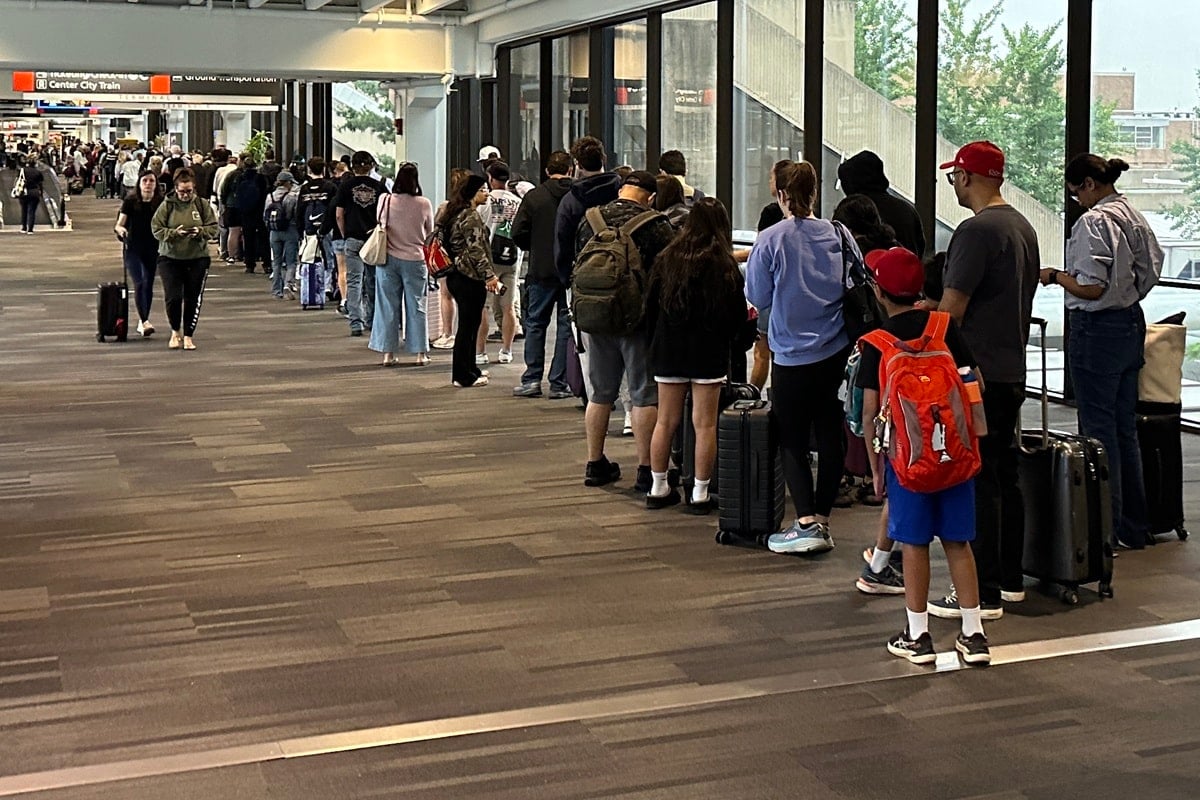
 Thanksgiving is traditionally one of the busiest travel periods of the year, with millions of Americans hitting the roads and taking to the skies to visit family and friends. Airports will be crowded, flights will be full and traffic around major cities could be a nightmare.
Last year, the Transportation Security Administration (TSA) expected to screen more than 17.8 million travelers from Tuesday, November 25 through Tuesday, December 2, including more than three million travelers on the Sunday after Thanksgiving alone. We don’t have the official 2026 numbers yet, but travelers should prepare for another very busy holiday travel period.
Since I’ve been traveling professionally for the last three decades, I have learned that a little preparation can make a huge difference. Whether you’re flying across the country, driving to grandma’s house or heading overseas, here are 12 things you can do now to make Thanksgiving travel easier.
1. Book your flights now and set airfare alerts
If you haven’t booked your Thanksgiving flights yet, I wouldn’t wait much longer. Holiday flights are already expensive, especially if you’re traveling on the most popular days around Thanksgiving. Here’s what Google’s suggesting according to their data.
I booked my family’s holiday flights months ago because I wanted to make sure we could sit together in the bulkhead row. Unfortunately, the prices were significantly higher than what we paid last year, both in cash and miles.
My advice is that if you find a flight that works for your schedule and budget, book it rather than gambling on prices dropping. Just make sure you understand the fare rules since Basic Economy and some other fares can have significant restrictions.
If you book an eligible ticket and the price drops, you may be able to rebook and receive the difference as a travel credit. That’s why I recommend setting airfare alerts and continuing to check prices even after you’ve purchased your tickets. I’ve saved money over the years by taking advantage of price drops.
2. Check your reservations and choose your seats
This is something many travelers overlook until it’s too late. Don’t assume that because you booked your flights months ago, everything is still exactly as you left it. Airlines frequently change flight schedules, aircraft types and seat assignments. I’ve had airlines move my family around after an equipment change, which is especially frustrating when you’re traveling with young children. I also set seat alerts so I know the moment an airline moves me, giving me a chance to act fast instead of discovering it at the last minute when all the good seats are gone.
Log in to your airline’s website or app and double-check your flight times, seat assignments and contact information. If you’re traveling with family, make sure everyone is still seated together. While you’re at it, confirm your hotel and rental car reservations, too. If you booked refundable rates, check to see whether prices have dropped since you made your reservation.
If you’re unhappy with your seat, don’t give up. Airlines often release desirable seats closer to departure as elite travelers receive upgrades or other passengers change their plans. I recommend checking AeroLOPA to see the layout of your aircraft and using ExpertFlyer to set an alert for the seat you want so you don’t have to keep checking yourself.
3. Download your airline’s app and turn on notifications
If there’s one thing every traveler should do before flying, it’s download their airline’s app. I can’t tell you how many times having the app has saved me from unnecessary stress. Airline apps can notify you about delays, cancellations, gate changes and boarding times, and many allow you to rebook a disrupted flight without waiting in a long customer service line or spending an hour on hold.
I also recommend downloading Flighty if you have an iPhone. It’s become my favorite flight-tracking app because it provides detailed information about your flight, including where your incoming aircraft is coming from.
This is especially helpful during the holidays because delays can have a domino effect. If your plane is stuck in another city because of weather or a mechanical problem, you’ll want to know about it as soon as possible since there will be so few seats left on other planes. While you’re at it, make sure the airline has your correct mobile phone number and email address so you don’t miss important updates.
One more thing you should do now: Program your airline’s official customer service number into your phone. Do the same for your hotel and rental car company. If something goes wrong during your trip, you’ll have the correct numbers at your fingertips instead of Googling them in a panic. Scammers have been known to impersonate airlines and other travel companies online, and the last thing you want to do when your flight is canceled is accidentally call a scammer and hand over your credit card or personal information. Get the numbers directly from each company’s official website or app and save them in your contacts before you leave home.
4. Get your chargers, portable power bank and travel adapter ready
There’s nothing worse than having your phone battery die when you’re trying to check your flight status, pull up your boarding pass, order a rideshare or contact your family. That’s why I never travel without a portable power bank. During busy holiday travel periods, airport charging outlets can be difficult to find, and even when you find one, it might not work.
Charge your portable battery before leaving home and keep it somewhere easily accessible in your carry-on bag. And remember: According to the Federal Aviation Administration, portable power banks containing lithium batteries must travel in your carry-on baggage, not your checked luggage. Most batteries rated at 100 watt-hours or less are permitted, although individual airlines may have additional restrictions.
The TESSAN Magic 65W Charging Station is also particularly handy when you’re traveling with a family because everyone seems to have a phone, tablet, watch or other device that needs charging. Instead of fighting over the two outlets hidden behind a hotel nightstand, you can charge multiple devices from one convenient spot.
And if you’re traveling overseas for Thanksgiving, don’t forget an international travel adapter that can work with different outlet types around the world, which means one less thing to worry about when you arrive. Just remember that a plug adapter doesn’t necessarily convert voltage, so always make sure your electronics are compatible with the voltage at your destination.
5. Check your passport, identification and travel documents
If you’re traveling internationally for Thanksgiving, pull out your passport right now and check its expiration date. Don’t wait until the week before departure to discover that it’s expired or doesn’t meet your destination’s entry requirements. Some countries require passports to remain valid for three or six months beyond your travel dates, while others have different rules, so check the requirements for your specific destination.
If you’re flying domestically, make sure you have an acceptable form of identification. REAL ID enforcement began in May 2025, but travelers can also use certain alternatives, including a valid U.S. passport.
I recommend taking photos of your important travel documents and storing copies somewhere secure that you can access if your phone, wallet or passport is lost or stolen. If you’re traveling internationally, now is also the time to verify whether your destination requires a visa, electronic travel authorization or any other documentation.
6. Sign up for TSA PreCheck and activate Touchless ID
If you don’t already have TSA PreCheck, now is the time to sign up. It’s one of the best investments frequent travelers can make, especially during busy holiday travel periods. TSA PreCheck allows eligible travelers to use expedited security lanes at participating airports, and you generally don’t have to remove your shoes, belt, light jacket or laptop from your bag. Most applicants receive their Known Traveler Number (KTN) within three to five days after enrollment, although some applications can take longer. With Thanksgiving still several weeks away, there’s a good chance you can get approved in time.
But here’s something even better that many travelers still don’t know about: TSA PreCheck Touchless ID. I’ve used it myself many times and it’s fantastic. Instead of pulling out your driver’s license or passport at the security checkpoint, you simply look into a camera that verifies your identity. In my experience, it can make getting through security even faster than regular TSA PreCheck.
Touchless ID is available to eligible passengers flying participating airlines, including American, Delta, United and Alaska Airlines, at select airports. To enroll, you generally need an active TSA PreCheck membership, a valid passport and a frequent flyer account with a participating airline. Add your Known Traveler Number and passport information to your airline profile, then opt in to Touchless ID through the airline’s website or app. The exact process varies by airline.
For example, on American Airlines, log in to your AAdvantage account, select “Information and password,” then enter your passport information and Known Traveler Number under “Secure traveler.” Scroll down to TSA PreCheck Touchless ID, check the opt-in box and save your preferences. Once you’re enrolled, look for the Touchless ID symbol on your mobile boarding pass and follow the signs for the appropriate lane at participating airports.
Touchless ID isn’t available at every airport or checkpoint, so check with your airline before traveling and always carry your physical identification as a backup.
If you’re thinking about applying for Global Entry, which includes TSA PreCheck benefits and expedited processing when returning to the United States from international trips, it’s probably too late to count on having it for Thanksgiving. Some applicants are conditionally approved quickly while others can wait months, and securing an interview can sometimes be the biggest hurdle. However, if you’re planning an international trip next summer, sign up now so you’ll hopefully have everything completed well before your vacation.
7. Learn what Thanksgiving foods you can bring through TSA security
Every Thanksgiving, I get questions from friends, family and readers about what they can and cannot bring through airport security. Can you carry on a pumpkin pie? What about homemade cranberry sauce? And can you really bring an entire turkey on an airplane?
The good news is that TSA allows most solid foods in carry-on bags, including pies, cookies, brownies, cakes, bread, turkey, ham, stuffing, fresh fruits and vegetables and many casseroles. Believe it or not, travelers really do fly with whole turkeys and TSA allows it.
Liquids and spreadable foods are a different story. TSA has an easy guideline to remember: If you can spill it, spread it, spray it, pump it or pour it, and it’s more than 3.4 ounces, it needs to go in your checked luggage. That includes things like cranberry sauce, gravy, jams, jellies and maple syrup.
If you’re bringing homemade dishes, pack them carefully and make sure they’re easily accessible because TSA officers may need to inspect them separately. If you’re transporting perishable food, ice packs are permitted through security when completely frozen, but partially melted or slushy packs may be subject to the liquid restrictions.
And if you’re not sure whether something can fly, don’t guess. Use TSA’s What Can I Bring? search tool, contact @AskTSA on social media or text “Travel” to 275-872 and ask them directly.
One more holiday tip: Don’t wrap gifts before you fly. If TSA needs to inspect what’s inside, they may have to unwrap your beautifully wrapped present. Use a gift bag or pack wrapping paper and wrap everything when you arrive.
8. Pack light and prepare your luggage now
If you’ve been reading JohnnyJet.com for a while, you know I’m a huge believer in traveling with carry-on luggage whenever possible. Checking a bag means arriving earlier, potentially paying baggage fees and waiting at baggage claim after landing. It also creates another opportunity for something to go wrong.
During Thanksgiving, when flights are packed and travelers are rushing to make connections, traveling light can make a big difference. If your flight is canceled and you need to jump on another flight, having your bag with you gives you much more flexibility.
If you must check luggage, I strongly recommend putting an Apple AirTag or another compatible luggage tracker inside your suitcase. This allows you to monitor its location instead of relying entirely on the airline’s tracking information.
Also, weigh your luggage (I bring a portable scale) before leaving home. Airlines can charge hefty fees for overweight bags, and nobody wants to start Thanksgiving vacation by paying an unexpected $100 fee. And don’t pack essential medications, valuables, electronics or important travel documents in checked luggage. Keep them with you.
9. Pack snacks and bring a refillable water bottle
I never travel without snacks, and when I’m traveling with my wife and kids, our carry-on bags sometimes resemble a miniature convenience store. Even if you’re taking a short flight, you never know when a delay could turn a one-hour trip into an all-day ordeal.
Airport food is expensive, lines can be long and some flights have limited onboard food service, so having snacks readily available can save money and prevent everyone from getting cranky. I usually have granola bars and other easy-to-pack foods with me, and if I’m traveling with the kids, I pack more than I think we’ll need.
Don’t forget a refillable water bottle. You can’t bring a full bottle of water through a standard TSA checkpoint, but you can bring an empty bottle and fill it after security at a water-refilling station, fountain, airport lounge or restaurant.
Here’s my germ-conscious tip: When filling your bottle at a water fountain or refill station, don’t let the opening of your bottle touch the spout. Leave an inch or two of separation so you’re not picking up anyone else’s germs or leaving yours behind.
10. Plan your airport transportation and give yourself extra time
I probably sound like a broken record, but this is something that can’t be overstated. Thanksgiving is not the time to cut it close. If there’s a traffic jam, you can’t find parking and you miss your flight, you’re going to be as cooked as grandma’s turkey. Flights are likely to be packed, so getting another seat that day may be extremely difficult.
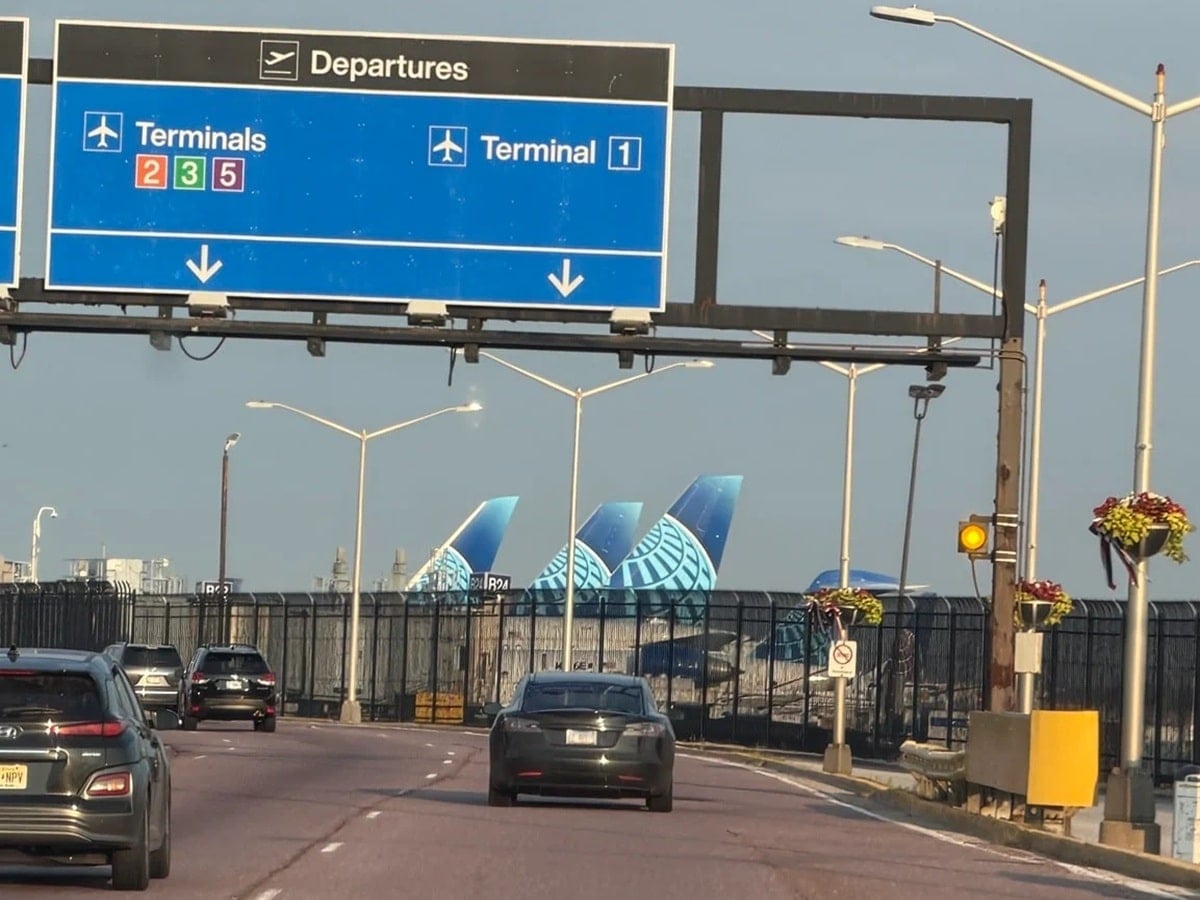
Airport roads can become parking lots during peak holiday periods. If you’re driving yourself, check parking availability and make a reservation in advance if your airport offers that option (it’s usually much cheaper). If you’re taking Uber or Lyft, remember that demand and prices can surge during the holidays.
Savvy travelers should also check traffic at both the departures and arrivals levels before reaching the airport. At LAX, I’ve saved around 20 minutes by getting dropped off at arrivals when departures was backed up and then taking the escalator or elevator upstairs. Obviously, this depends on the airport’s layout and rules, but it’s a trick worth remembering.
And if you’re driving to your Thanksgiving destination instead of flying, get your car ready now. Check your tires, battery, windshield wipers and fluid levels. Nobody wants to spend Thanksgiving waiting for roadside assistance on the side of the highway. Related: 10 Road Trip Essentials to Keep in Your Car This Fall and Winter.
11. Book an early flight and have a backup plan
One of the best ways to reduce your chances of a major delay is to take the first flight of the day. Planes and crews are often already at the airport from the night before, and your flight hasn’t had an entire day’s worth of delays building up ahead of it.
Weather, mechanical problems, air traffic control restrictions and crew scheduling issues can still disrupt flights, of course. That’s why I recommend researching alternative flights before your departure day. Take a screenshot or make a note of the other flights that could get you to your destination. If something goes wrong, you’ll already know what to ask for instead of frantically searching while thousands of other passengers are doing the same thing.
For travelers who absolutely cannot get stuck, I’ve previously written about a more extreme strategy: buying a refundable back-up ticket on another airline for a few hours after your original flight. It’s not for everyone, and you need to understand the cancellation and refund rules of the ticket you’re buying, but during extremely busy travel periods, it can provide an extra layer of protection.
Whatever you do, don’t wait until your flight is canceled to start figuring out your options. During Thanksgiving, by the time hundreds of passengers receive the cancellation notification, everyone is competing for the same handful of available seats.
12. Be patient, be kind and remember why you’re traveling
Travel can be stressful, but Thanksgiving travel takes it to another level. Airports are crowded, flights are full, children are tired and everyone wants to get where they’re going. But getting angry with airline employees isn’t going to make a delayed airplane arrive any faster.
If you’re a regular reader, then you know that one of my number one travel tips is to always be genuinely nice to everyone, especially gate agents and flight attendants. I always make sure to greet them with a smile and I often bring them a box or bag of chocolates.
You’d be surprised how far a little kindness can go, particularly during the holidays when airline and airport employees are dealing with huge crowds while many of us are heading off to spend time with our families.
Just remember …
Thanksgiving travel doesn’t have to be miserable. The key is to start preparing now instead of waiting until the last minute. Book your flights, double-check your reservations, get your documents in order, sign up for TSA PreCheck if you don’t already have it, charge your portable power bank and make sure you have a backup plan.
Then, when Thanksgiving week arrives, give yourself plenty of time and pack a little extra patience. The goal isn’t just to get there. It’s to arrive safely, hopefully with your luggage, your sanity and enough energy left to enjoy Thanksgiving dinner.
Happy Thanksgiving and travels!