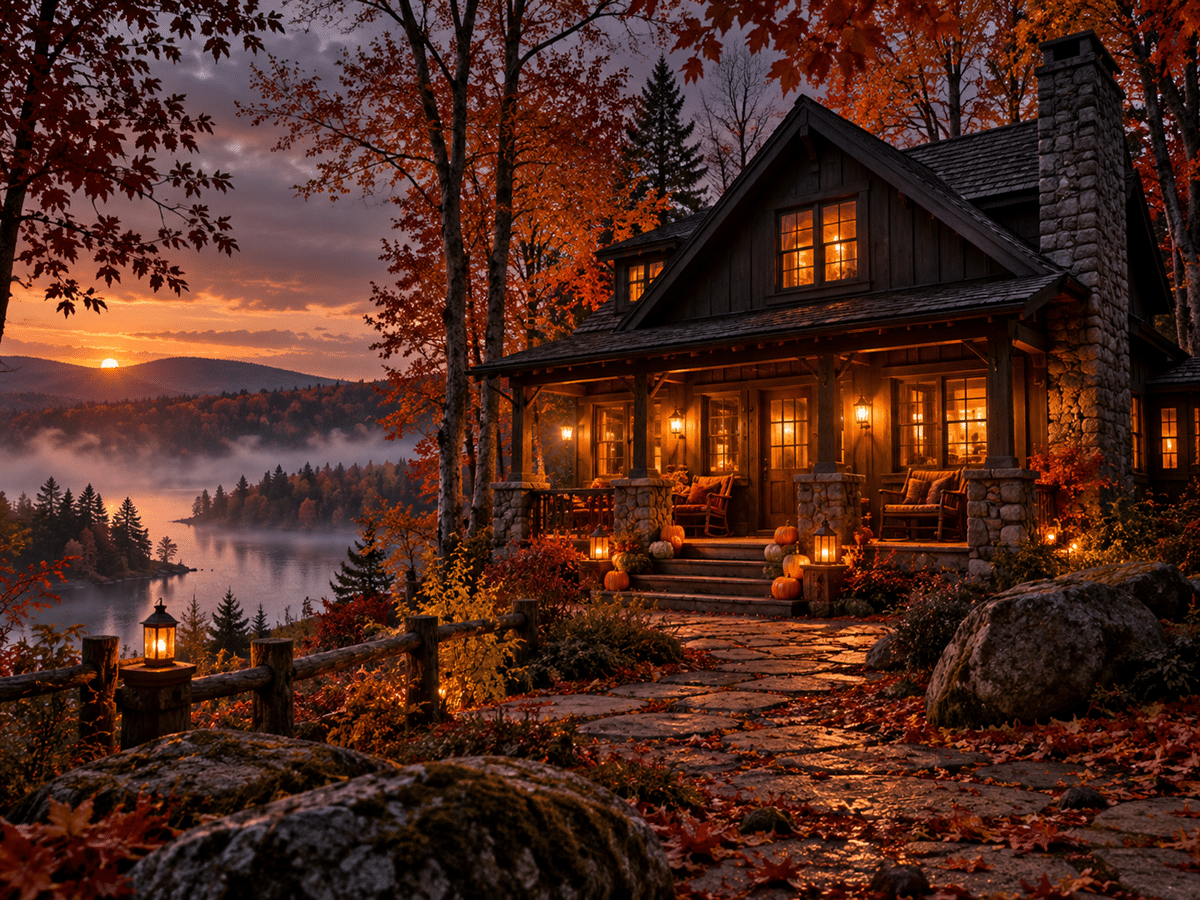
Forget vampires and haunted hotels. My Hungarian friend grew up in the real Transylvania and shares her childhood memories, family traditions and insider travel tips.
My kids are obsessed with the Hotel Transylvania movies, and I have to admit, I love them too. We’ve watched all three, and there’s something about Dracula running a hotel full of monsters that never gets old. But watching the movies with my children got me thinking: What’s the real Transylvania actually like?
Most Americans probably associate Transylvania with Dracula, vampires, creepy castles and things that go bump in the night. But Transylvania is a real region in Romania, filled with beautiful medieval towns, spectacular mountain scenery, centuries of history and fascinating traditions.
As luck would have it, I have a friend who actually grew up there! My friend Timi is Hungarian and spent the first nine years of her life in Transylvania before moving to the United States. She’s returned several times over the years, most recently two years ago with her mother. With Halloween approaching, I thought it would be fun to ask her what life was really like in one of the world’s most mysterious-sounding destinations.
Her answers surprised me, especially when it came to Dracula and Halloween. And after hearing about the beautiful towns, incredible scenery and warm hospitality, I’m thinking Transylvania deserves a spot on our family’s travel wish list.
Growing up in Transylvania was nothing like the movies
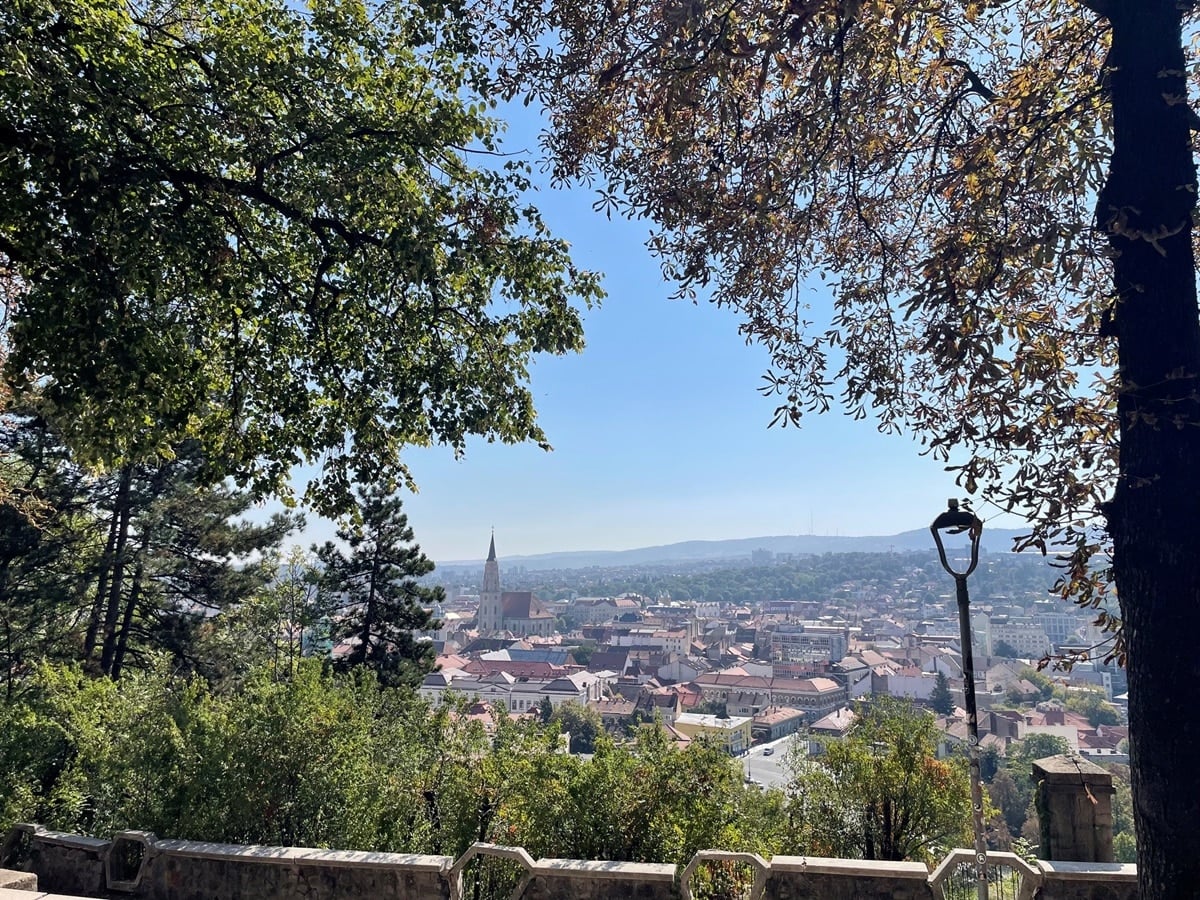
Timi grew up in Cluj, also known as Cluj-Napoca, the largest city in Transylvania. As a child, it seemed like a bustling metropolis, especially compared to the smaller towns and villages where her grandparents and great-grandparents lived. But when she returned as an adult, she saw it differently. “When I went back to visit with my mom two years ago, it felt small and cozy,” she told me.
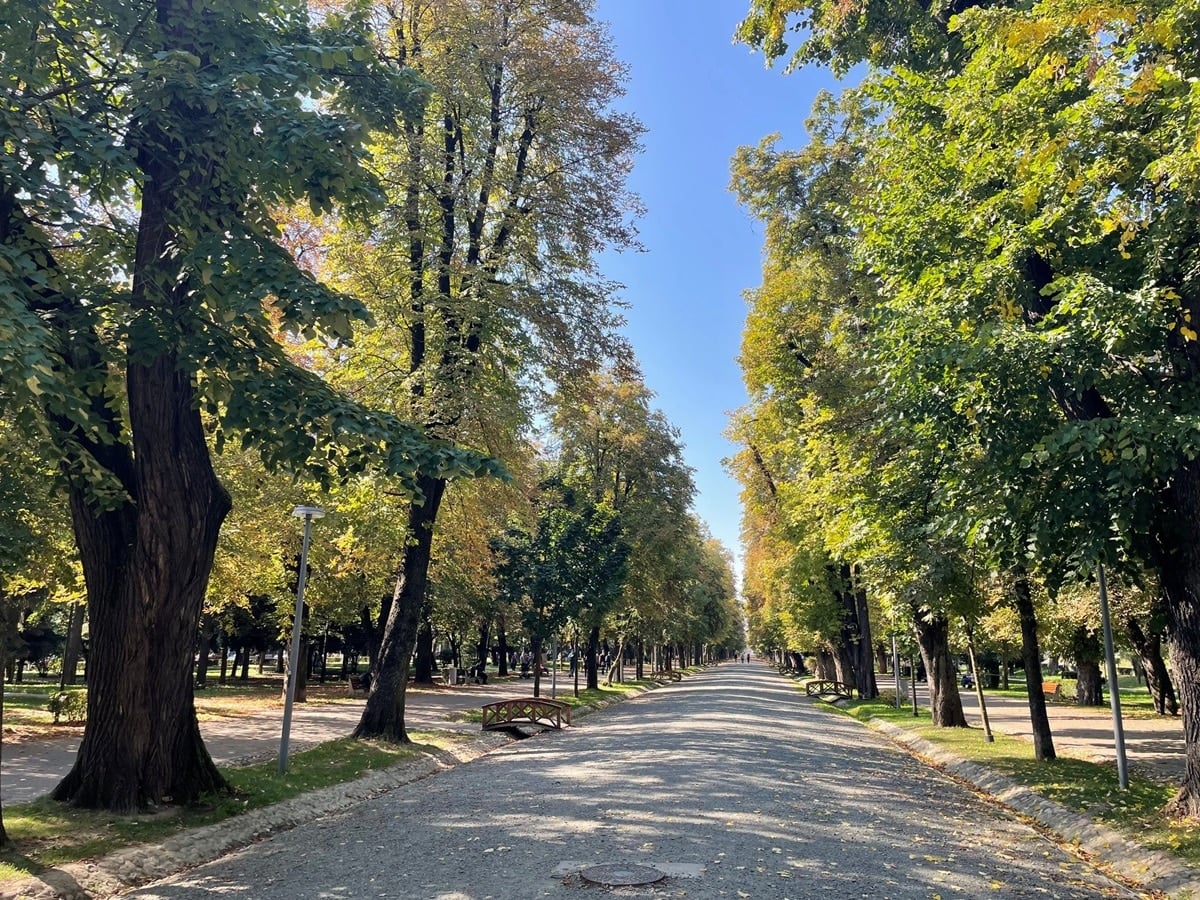 She describes Cluj as a walkable city with good public transportation, beautiful historic buildings and a lively city center. One of her favorite spots is the plaza surrounding St. Michael’s Church, where visitors can sit outside with a coffee or meal and watch the world go by.
But her fondest childhood memories aren’t of city life. They’re of visiting her grandparents, listening to her grandmother’s stories and songs and spending time in the countryside. Her grandmother grew up in a village about 40 minutes outside Cluj, in a house without electricity or running water. The family relied on a well, grew fruits and vegetables in a large garden and raised chickens, geese and pigs.
“My great-grandparents lived into their 90s on a lifetime of fresh food, working outside on their own schedules, and daily naps,” Timi recalled.
That sounds like a pretty good recipe for a long life to me, especially the daily naps! She says that even today, travelers driving through some of Transylvania’s villages may occasionally encounter horse-drawn carts sharing the road. It’s a reminder that there’s much more to this region than its famous vampire mythology.
A childhood memory from Romania’s revolution
Not all of Timi’s childhood memories are happy ones. She also remembers the violence surrounding Romania’s 1989 revolution, which brought an end to decades of communist rule under dictator Nicolae Ceaușescu. “I remember hearing gunshots on the streets and running home to watch tv,” she said.
Cluj was among the cities where demonstrators faced deadly violence during the revolution. Ceaușescu and his wife were eventually captured, tried and executed on Christmas Day in 1989. Footage of the execution was later broadcast on Romanian television.
Timi remembers how drab life could be under communism and says it took years for the country to recover and develop after the regime collapsed. Today, she sees a dramatically different place. Cluj has interesting restaurants, music festivals and a vibrant nightlife, while the smaller cities and towns she remembers from childhood have also experienced considerable development.
It’s easy to visit a beautiful European city and admire its architecture without thinking about what residents lived through just a generation ago. Timi’s memories are an important reminder of the history behind the scenery.
What do people in Transylvania really think about Dracula?
This was obviously one of my first questions. After all, when most Americans hear the word Transylvania, Dracula is probably the first thing that comes to mind. Timi admitted she doesn’t know how locals generally feel about the association, but she did share one funny detail: “I can tell you that my mom thinks it’s hilarious that Dracula is what people know about Transylvania.”
Even more surprising? Timi doesn’t remember vampires, ghosts or spooky legends being a big part of her childhood. “I don’t remember much along the lines of ghost or vampire stories or anything spooky really being part of my childhood until we moved to the U.S.”
That’s quite a contrast to the Transylvania depicted in Hollywood movies. Of course, the region’s association with Dracula has historical and literary roots. Bram Stoker’s famous 1897 novel helped turn Transylvania into the world’s best-known vampire destination, and the fictional count is often linked to Vlad the Impaler, a 15th-century ruler of Wallachia. But the real Transylvania has an identity that goes far beyond a fictional vampire.
Is Dracula’s Castle worth visiting?
One of Romania’s most famous attractions is Bran Castle, often marketed as Dracula’s Castle. I assumed Timi would have visited at least once, but surprisingly, she hasn’t! “I’ve never visited! I would like to–I think it’s great if this attraction brings more tourists to Transylvania.”
Her cousins, who grew up in Romania, have visited and described it as beautiful. They also pointed out that Vlad the Impaler did not live there. Bran Castle’s actual history is fascinating. The medieval fortress later became a royal residence associated with Queen Marie of Romania, who helped transform it into a beloved royal home.
So while you shouldn’t expect to find Dracula sleeping in a coffin, it still sounds like an interesting stop, particularly for families with children who enjoy castles and history. And let’s face it, if I ever take my kids to Transylvania, there’s no way we’re skipping Dracula’s Castle.
Halloween in Transylvania isn’t what you might expect
Here’s another surprise: Halloween wasn’t part of Timi’s childhood in Transylvania. Instead, her family observed a beautiful tradition on November 1, when relatives gathered at cemeteries to remember loved ones.
“Family members would gather in the cemetery on November 1st, bring flowers and light candles at the graves. It was solemn and beautiful, not spooky.”
Timi compared the remembrance aspect of the tradition to Mexico’s Día de los Muertos, although the celebrations have their own distinct cultural and religious histories. I found this particularly moving. While Americans are decorating their homes with skeletons and carving pumpkins, families in Transylvania have long had their own meaningful autumn traditions.
Timi says Halloween has become more familiar to younger generations, thanks partly to American movies and popular culture. Her cousins remember celebrating by going out with friends in Cluj, although trick-or-treating wasn’t part of their experience. So if you’re planning to visit Transylvania around Halloween, don’t assume every neighborhood will look like a scene from Hotel Transylvania.
Three places Timi recommends visiting in Transylvania
If you’re thinking about visiting, Timi recommends starting with three historic cities that offer a combination of architecture, culture and access to nature.
1. Cluj-Napoca
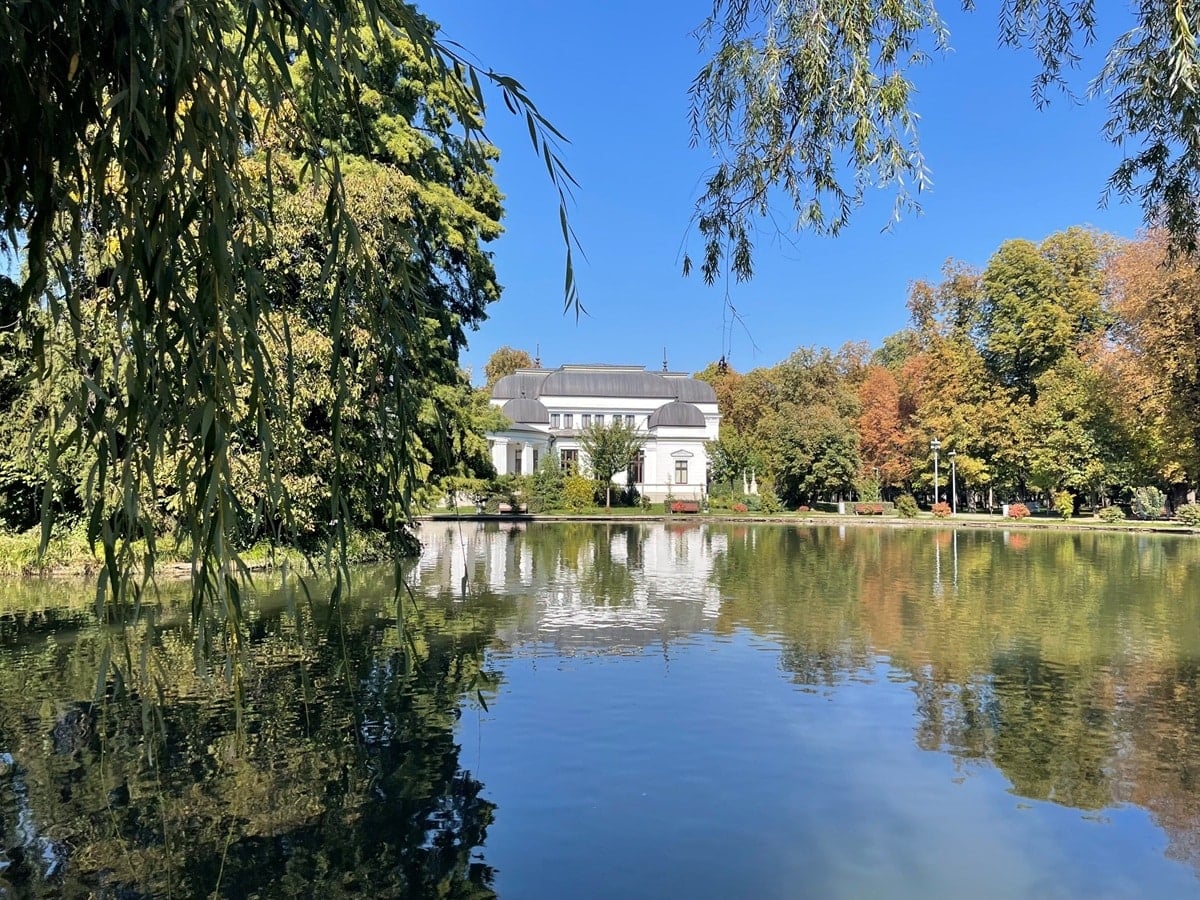
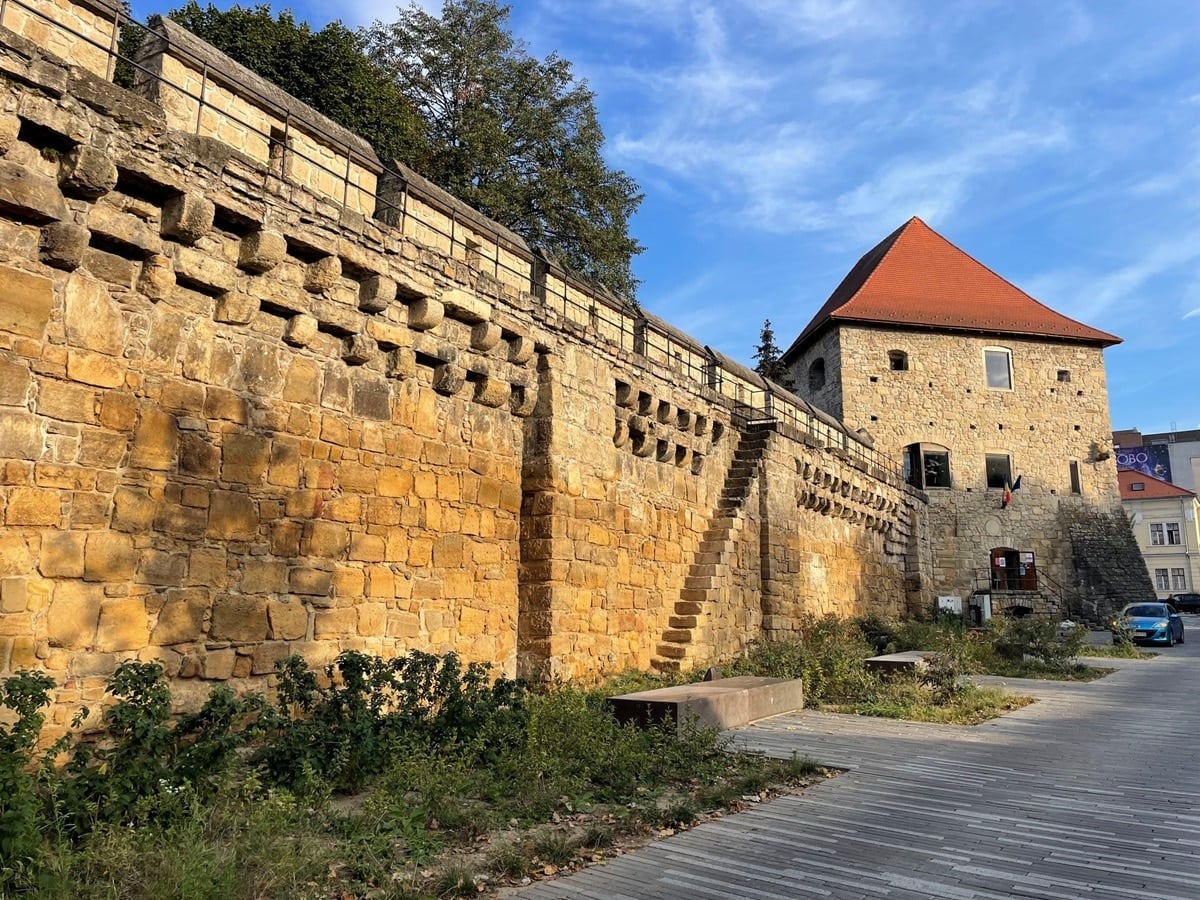
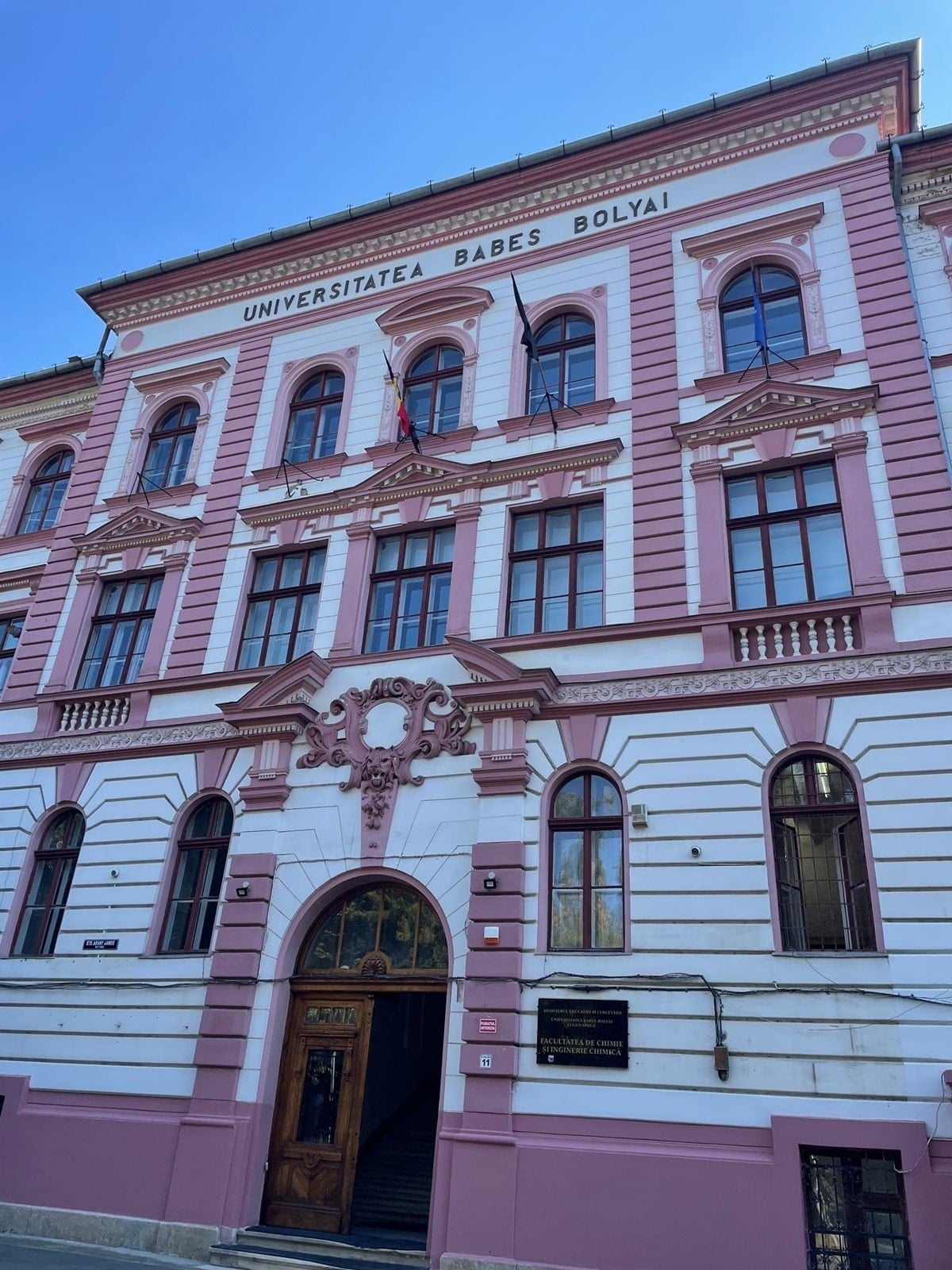
Cluj is Timi’s hometown and her first recommendation. The city has an international airport with connections to other European destinations, making it a practical starting point. She loves the historic center, especially the beautiful plaza around St. Michael’s Church. It’s the kind of place where you can spend an afternoon wandering, stopping at cafés and soaking up the atmosphere. Cluj also offers restaurants, festivals and nightlife, making it an appealing destination beyond its historic attractions.
2. Brașov
Timi’s parents recommend Brașov, one of Transylvania’s best-known historic cities. It’s famous for its picturesque old town and proximity to the Carpathian Mountains. It’s also a logical base for travelers interested in visiting Bran Castle, which is about 30 kilometers away.
3. Sibiu
Sibiu is another city her parents recommend, known for its historic architecture and access to the surrounding countryside. Timi says her parents and cousins spent plenty of time hiking, backpacking and even exploring caves when they were younger. “It’s a great place for people who love the outdoors.”
That’s something I hadn’t really associated with Transylvania before talking to her. I always pictured castles and dark forests, not a destination for hiking and outdoor adventures.
Don’t overlook the countryside around Baia Mare
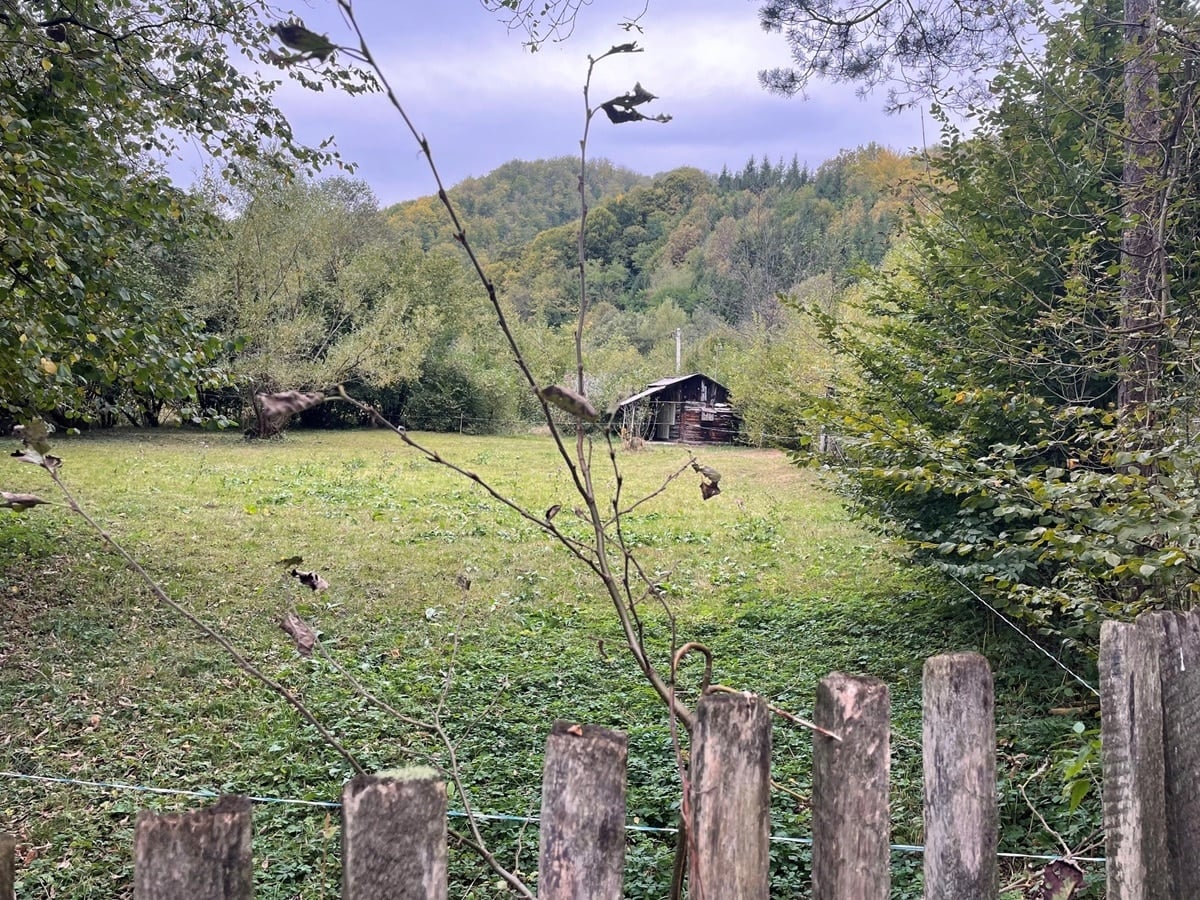
Timi was born in Baia Mare, a city in northern Romania where her maternal grandparents lived. She recommends exploring the surrounding hills and countryside, which have inspired artists for generations. In fact, a well-known artists’ colony developed around Baia Mare in the late 19th century, with painters drawn to the area’s natural beauty.
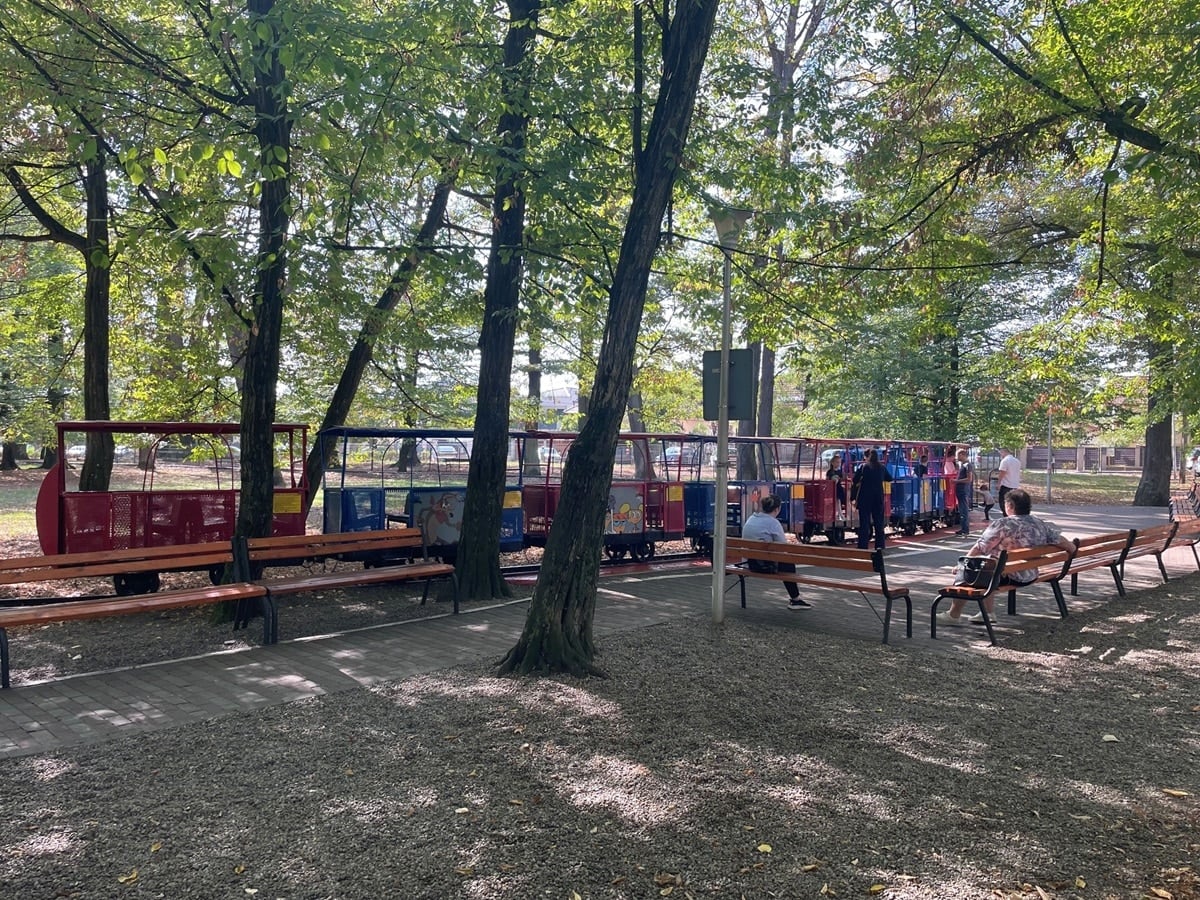
It’s a good reminder that some of the most memorable travel experiences happen outside the major tourist attractions. Timi also encourages visitors to explore Transylvania’s villages, where they can discover traditional rural life and a slower pace that contrasts with the region’s growing cities.
What should you eat in Transylvania?
I always like asking locals what visitors should eat because food is one of the best ways to experience a destination. Timi admits that Eastern European cooking can be pretty meat-heavy, which isn’t ideal for her because she doesn’t particularly like meat. But she has fond memories of one traditional dish: mititei, small grilled sausages typically eaten with mustard.
On her last trip to Cluj, she and her mother found a vegetarian restaurant they enjoyed, and she says fish is also available on many restaurant menus. Her other recommendation is particularly appropriate for fall: “In the fall, look for roasted chestnuts on the sidewalks. And as in any European country, pastries and coffee are amazing.”
When is the best time to visit Transylvania?
According to Timi, spring and fall are the best seasons. Summers can be hot, while winters can get quite cold. Fall seems especially appealing if you’re interested in colorful scenery, historic towns and a Halloween-season trip.
However, there’s an important distinction between visiting Transylvania during Halloween and expecting an American-style Halloween celebration. As Timi explained, the traditions she remembers from childhood were very different. Personally, I’d love to experience the region in October, when the cooler weather and autumn scenery would add to the atmosphere.
Is Transylvania safe, and how easy is it to get around?
Timi says that, based on her visits and conversations with family, she considers Transylvania a safe destination for tourists. She also points out that many people speak English, something she partly attributes to the fact that English-language television shows and movies have often been broadcast with subtitles rather than dubbed into Romanian.
Within Cluj, she says it’s easy to get around on foot or by public transportation. For traveling between cities, renting a car may offer more flexibility, especially if you want to explore villages and rural areas. Timi says her parents, who are visiting Romania now, report that the roads have improved significantly compared with what they remember. She has heard mixed things about train conditions, so travelers should research current routes and schedules before deciding how to travel between cities.
What surprised me most about the real Transylvania
One of the most interesting things I learned from Timi is how much history and cultural diversity there is in Transylvania. Her family is ethnically Hungarian, and she explained that the region has a long, complicated history involving different rulers, borders, languages and communities.
Transylvania was part of the Kingdom of Hungary for centuries and later part of Austria-Hungary before becoming part of Romania after World War I. A substantial Hungarian minority still lives in the region today. Timi says she hopes the ethnic tensions that existed between some Romanian and Hungarian communities have diminished over time.
But she also believes the mixture of cultures is part of what makes Transylvania special. “When people visit, they will understand that the place has a deep history where different cultures mingled across the centuries and left their mark.”
She also had particularly high praise for the hospitality. “The nature is gorgeous and the people very hospitable. The only other place I experienced the type of warm hospitality is southern Spain.” That’s quite an endorsement.
Would I take my kids to Transylvania?
Absolutely. Although Timi couldn’t speak specifically to activities for young children, what she described sounds like the foundation for a memorable family trip. We could explore medieval towns, visit castles, enjoy the countryside, sample local food and introduce our kids to a part of Europe they currently know only from an animated movie.
And while we might not encounter any vampires, I suspect we’d discover something much more interesting.
The biggest takeaway from my conversation with Timi is that Transylvania isn’t defined by Dracula. It’s a place where people have lived, worked, raised families and passed down traditions for generations.
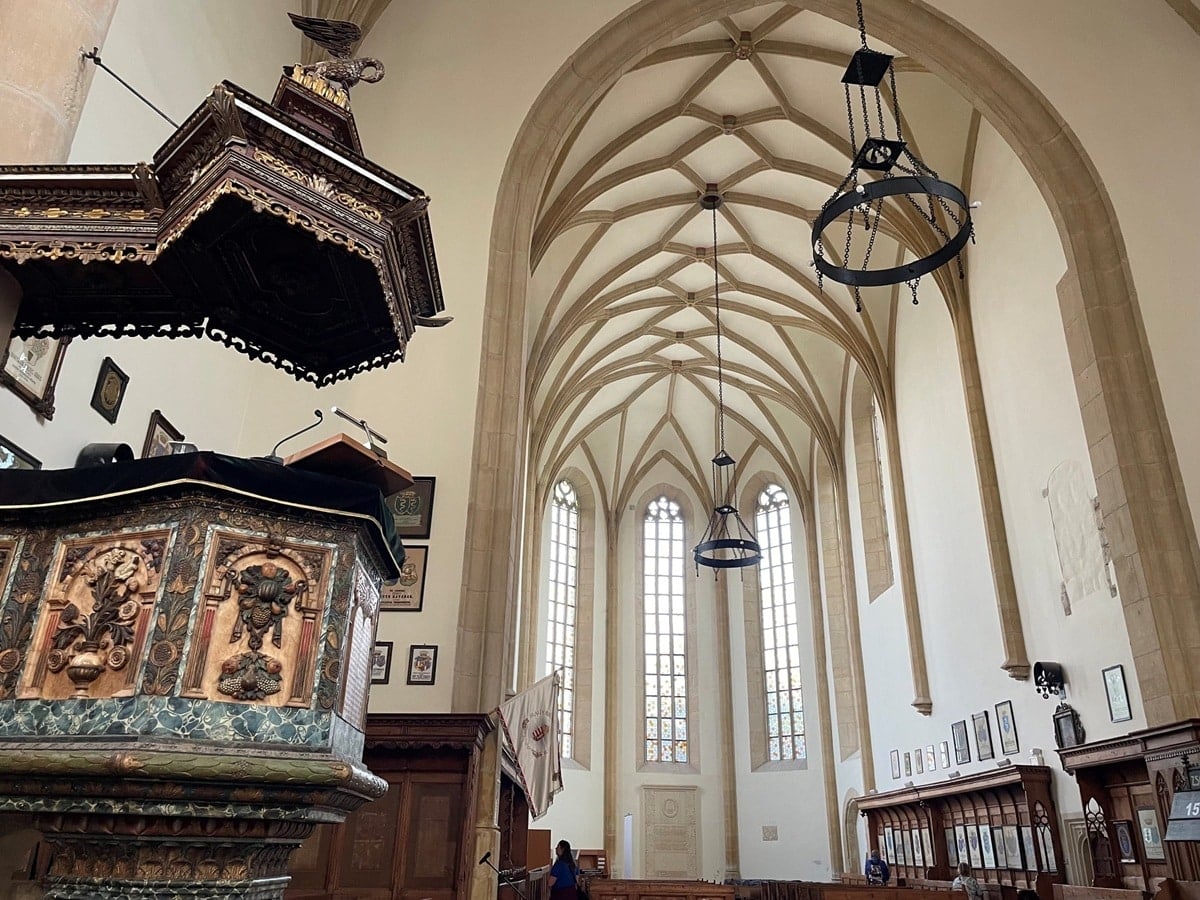
For Timi, the memories that matter most aren’t of haunted castles or monsters. They’re of her grandmother’s songs, her great-grandparents’ garden, time spent with family and the beautiful places she still remembers from childhood. That’s the real Transylvania, and it’s a story worth telling.
Happy Halloween!