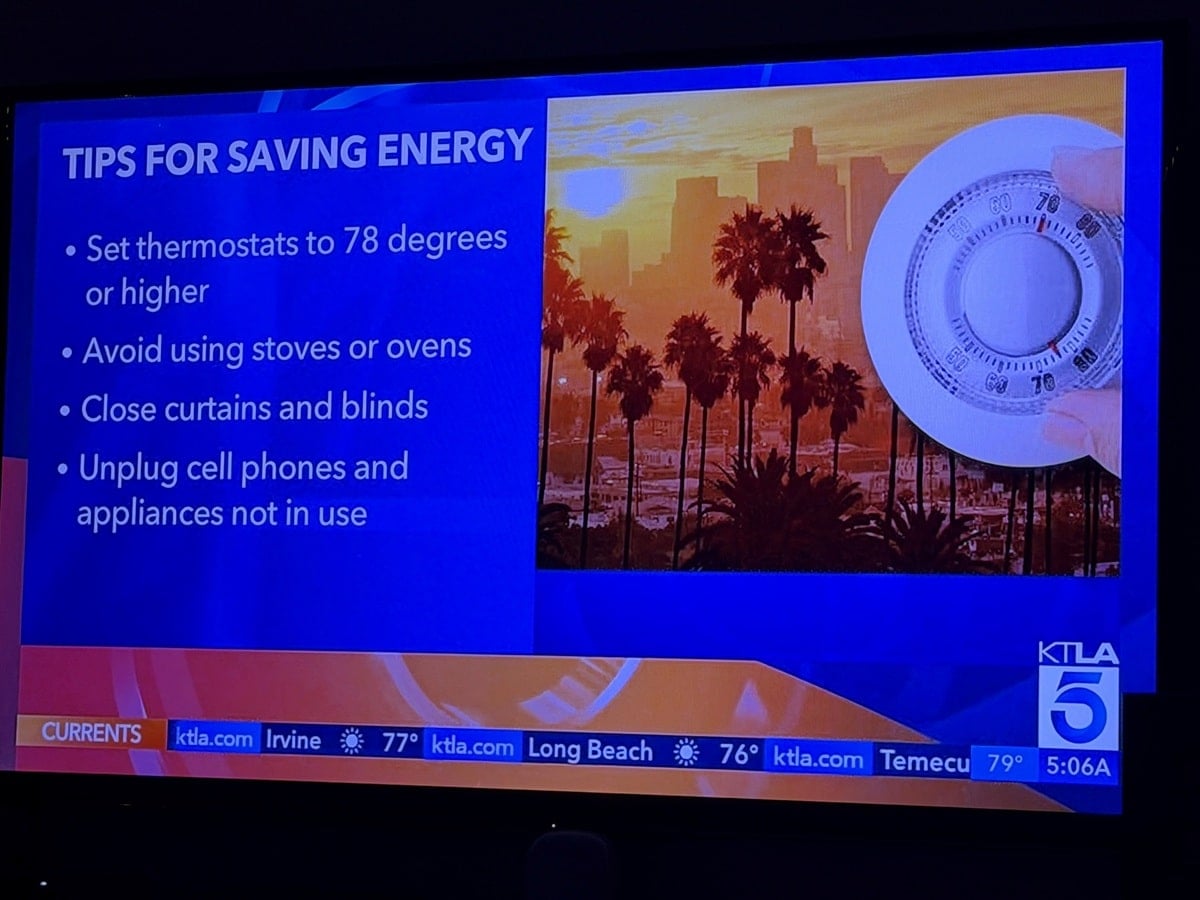
If you live in Southern California, you know October doesn’t necessarily mean fall weather. I was watching KTLA this morning at 5 AM when they shared the below graphic with some simple tips for saving energy during hot weather. Their recommendations included setting your thermostat to 78 degrees or higher, avoiding the stove and oven, closing curtains and blinds and unplugging cell phones and appliances when they’re not being used.
 Those are all great reminders, but I thought I’d expand on them with some easy, actionable things you can do to keep your home cooler and hopefully keep your electric bill from skyrocketing.
Set your thermostat to 78 degrees or higher
Air conditioning can be one of the largest electricity users in a home, especially during a Southern California heat wave. KTLA recommends setting your thermostat to 78 degrees or higher. If 78 feels too warm, use ceiling or portable fans to make the room feel more comfortable rather than immediately lowering the thermostat several degrees.
And remember: A fan cools people, not rooms, so turn it off when you leave.
If you have a programmable or smart thermostat, set it so you’re not blasting the A/C when nobody is home. However, don’t turn the system completely off on an extremely hot day and expect it to quickly cool down a baking-hot house when you return.
Close your blinds before the sun heats up the room
If you have windows that get direct sunlight, close the blinds or curtains in the morning before the sun starts heating the room. Blackout curtains or thermal shades can make an even bigger difference. This is particularly important for west-facing windows, which can get hammered by the afternoon sun.
Skip the oven on really hot days
KTLA also recommends avoiding stoves and ovens, which makes sense. There’s no reason to heat your kitchen to 400 degrees while you’re paying to cool the rest of the house. Hot days are perfect for salads, sandwiches, grilling outside or using smaller appliances such as an air fryer, toaster oven or microwave when appropriate. They generally put far less heat into your kitchen than a full-size oven. If you do need to use the oven, consider cooking early in the morning or later in the evening when temperatures are cooler.
Unplug devices you’re not using
Many electronics continue drawing a small amount of electricity even when they’re turned off or sitting in standby mode. This is often called “phantom” or “vampire” power. You don’t need to run around your house unplugging everything every morning. An easier solution is to plug groups of electronics into a power strip and switch the whole strip off when they’re not needed.
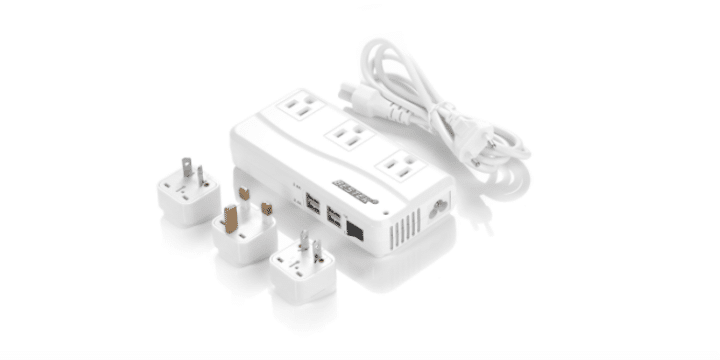
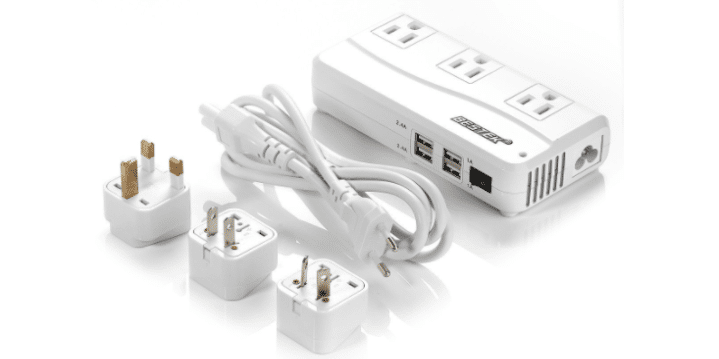
We use this TESSAN Power Strip Surge Protector, which works particularly well for this because it turns one wall outlet into eight AC outlets plus three USB ports, including one USB-C port. It also has a six-foot extension cord and a slim, flat plug, which is especially helpful when you travel and your hotel’s best outlet isn’t anywhere near where you actually want to charge your devices.
One clarification about KTLA’s graphic: you don’t need to unplug a cell phone simply because you’re trying to conserve energy if it’s actively charging. The bigger opportunity is unplugging chargers and devices that are sitting around unused, although the savings from an individual modern phone charger will be pretty small.
Run major appliances during off-peak hours if your rate plan rewards it
Your dishwasher, washing machine and clothes dryer can use a significant amount of electricity. If your utility has a time-of-use electricity plan, check when your rates are lowest and, when practical, run those appliances during cheaper periods. Our peak hours are from 4 p.m. to 9 p.m., when electricity costs about 1.6 times more, so we avoid doing laundry or running the dishwasher during that window.
There’s another benefit to waiting until evening: dryers and dishwashers can add heat to your home, exactly what you don’t want during the hottest part of the day.
Don’t make your A/C work harder than necessary
Before a heat wave, check your HVAC filter. A dirty filter can restrict airflow and make your system work harder. Also make sure vents aren’t blocked by furniture, rugs or boxes. If you have a ceiling fan, make sure it’s rotating in the direction recommended for summer use so that you feel a cooling breeze beneath it.
Keep doors and windows closed when the A/C is running
It sounds obvious, but it’s especially easy to forget when you have kids going in and out of the house. If it’s considerably hotter outside than inside, keep windows and exterior doors closed while the air conditioner is running. Once the outside temperature drops below the indoor temperature in the evening or early morning, opening windows can help flush hot air out of the house, assuming outdoor air quality is good.
Use your utility company’s tools
One of the easiest ways to figure out where you’re using the most electricity is to log in to your utility account. Many utilities provide hourly or near-hourly usage information, so you can see how much electricity you’re using throughout the day and potentially spot the impact of running your A/C, dryer or other major appliances. If you’re on a time-of-use plan, check your exact peak hours and rates, too. Don’t assume they’re the same for everyone since they vary by utility and rate plan. As I mentioned above, our peak hours are from 4 p.m. to 9 p.m., so that’s when we try especially hard to avoid running energy-hungry appliances.
A few small changes can make a difference
No single trick is going to dramatically lower your electric bill, especially when Southern California temperatures soar. But combining several of these strategies can help.