

UNESCO just added 25 new World Heritage Sites to its prestigious list, bringing the global total to 1,273. As soon as I saw the announcement, I started dreaming about visiting every one of them.
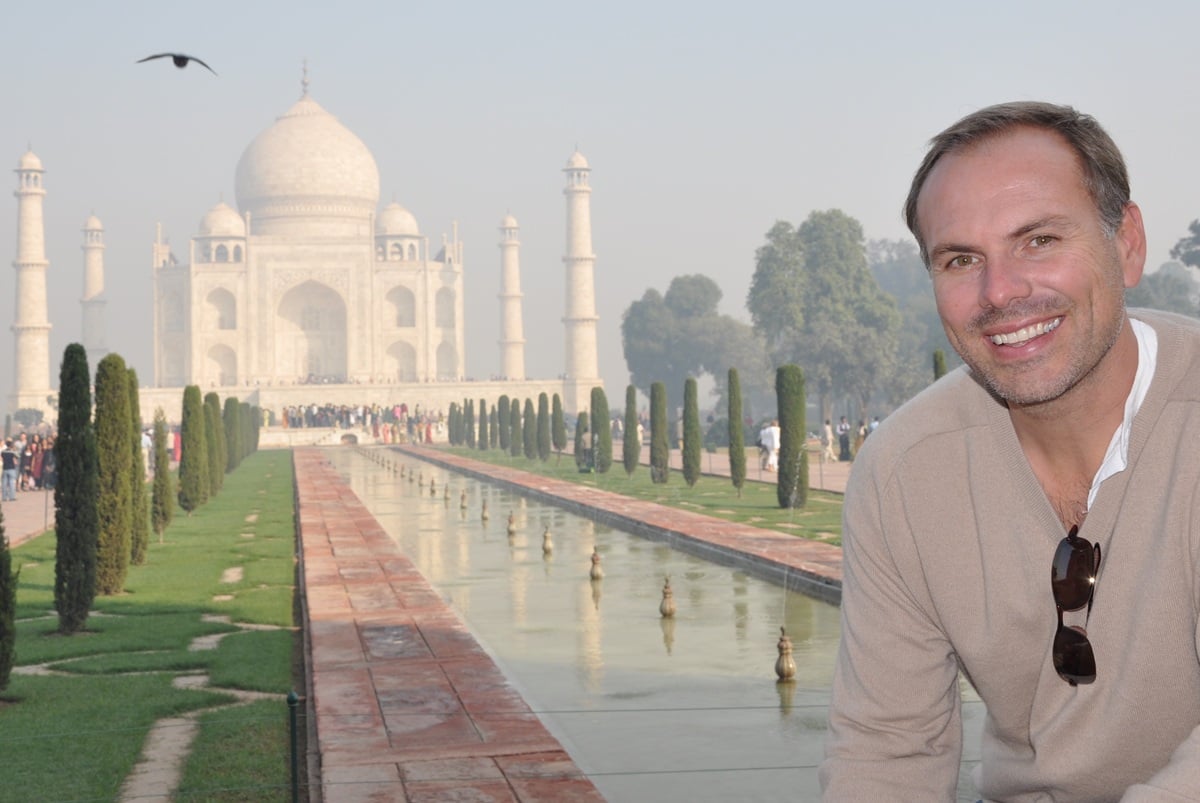
I’ve always been fascinated by UNESCO World Heritage Sites because they represent the world’s most extraordinary cultural and natural treasures. Over the years, I’ve been fortunate enough to visit at least 73 UNESCO World Heritage Sites across six continents. Some of the most memorable include the Great Barrier Reef in Australia, the Taj Mahal in India, Stonehenge in England, the Historic Centre of Saint Petersburg in Russia, the Serengeti National Park in Tanzania, Iguazú National Park in Argentina (and Brazil) and the Historic Town of St. George in Bermuda. Each one has given me a deeper appreciation for the history, culture and natural beauty that make our world so remarkable.
That’s why I’m especially excited about this year’s additions. While I’ve already been fortunate enough to visit the Beaches of the D-Day Landings in Normandy, the other newly inscribed sites include ancient archaeological treasures, fascinating historic cities, spectacular natural landscapes and places that preserve some of humanity’s most important stories. Many have instantly earned a spot on my travel bucket list.
Here are a few that caught my eye:
 Beaches of the D-Day Landings, Normandy, France
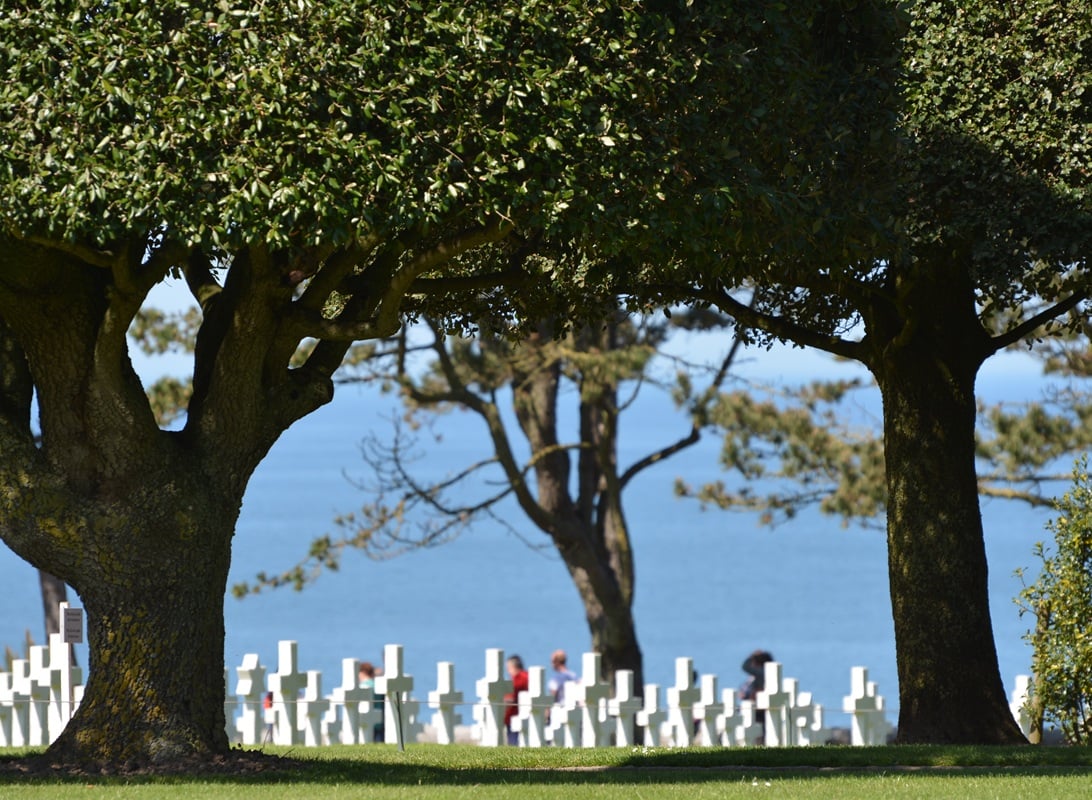 Beaches of the D-Day Landings, Normandy, France
I had the privilege of visiting Normandy a couple of times, including once with my father. This place stays with you long after you leave. Walking along Omaha Beach and seeing the memorials firsthand was a powerful reminder of the sacrifices made on June 6, 1944, when Allied forces launched the invasion that helped liberate Western Europe during World War II. I’m thrilled UNESCO has recognized these historic beaches, which include Utah, Omaha, Gold, Juno and Sword, along with Pointe du Hoc and other significant sites. They deserve to be preserved for generations to come, and I’m quite surprised they weren’t already on UNESCO’s World Heritage List.
Ancient Buddhist Site of Sarnath, India
Sarnath is one of Buddhism’s holiest places. According to tradition, this is where the Buddha delivered his first sermon after attaining enlightenment. The archaeological site contains ancient stupas, monasteries and temples that have drawn pilgrims for centuries.
Amazonia Theaters, Brazil
These magnificent theaters were built during the Amazon rubber boom in the late 19th century. The famed Teatro Amazonas in Manaus and Theatro da Paz in Belém showcase European-inspired architecture in the heart of the Amazon, reflecting a fascinating period when enormous wealth transformed the region.
Ancient Capitals of Asuka and Fujiwara, Japan
These archaeological sites preserve the birthplace of Japan’s centralized imperial government. Dating from the 6th through 8th centuries, the ruins include palaces, temples and royal tombs that helped shape Japanese civilization.
Mount Olympus, Greece
It’s hard to think of a mountain with a more legendary reputation. According to Greek mythology, Mount Olympus was home to Zeus and the twelve Olympian gods. Beyond its mythology, UNESCO recognized the area for its extraordinary biodiversity, dramatic landscapes and exceptional natural beauty.
Okefenokee National Wildlife Refuge, Georgia and Florida
One of North America’s largest intact freshwater wetlands, the Okefenokee Swamp protects an incredible diversity of wildlife, including alligators, black bears, hundreds of bird species and endangered longleaf pine ecosystems.
UNESCO’s 25 newly inscribed World Heritage Sites
Cultural (19)
- Alamūt Castle and Related Fortifications (Iran)
- Amazonia Theaters (Brazil)
- Ancient Buddhist Site of Sarnath (India)
- Ancient Capitals of Asuka and Fujiwara (Japan)
- Beaches of the D-Day Landings, Normandy, 1944 (France)
- Gdynia Modernist City Centre (Poland)
- Jingdezhen Handicraft Porcelain Industry Sites (China)
- Mount Amel Castles (Lebanon)
- Rock Mosques and Associated Sacred Sites of Mangystau (Kazakhstan)
- Royal Capetian Fortresses of Languedoc (France)
- Sebastia (State of Palestine)
- Tashkent Modernist Architecture: Modernity and Tradition in Central Asia (Uzbekistan)
- Cemetery Complexes of the Xiongnu Nobility (Mongolia)
- Medinas of the Historic Sultanates of the Comoros (Comoros)
- Roças of São Tomé and Príncipe: Colonial Agricultural System and Forced Migration (São Tomé and Príncipe)
- Italian-Style Condominio Theatres of the 18th and 19th Centuries in Central Italy (Italy)
- Village of Sidi Bou Saïd (Tunisia)
- Wat Phra Mahathat Woramahawihan (Thailand)
- Xixia Imperial Tombs (China) (if included in UNESCO’s final 25 announcement)
Natural (5)
- Aqaba Marine Reserve (Jordan)
- Boma-Badingilo Migratory Landscape (South Sudan)
- Okefenokee National Wildlife Refuge (United States)
- Bony Fish Fossils of the Western Limfjord (Denmark)
- Wadi Wurayah (United Arab Emirates)
Mixed (1)
- The Wider Area of Mount Olympus (Greece)
If you’re one of those travelers who dreams of visiting every UNESCO World Heritage Site, these newest additions are just one more reason to dust off your passport and head to the airport. Even after visiting more than 70 World Heritage Sites, my bucket list just got a little longer. Hopefully, I’ll be able to cross a few more of these off in the years ahead.
How many UNESCO World Heritage Sites have you visited? Which one would you recommend I add to my travel plans next? Let me know in the comments below.
There were 1248 before these were added
Doh! Thanks for letting me know. Will edit now.