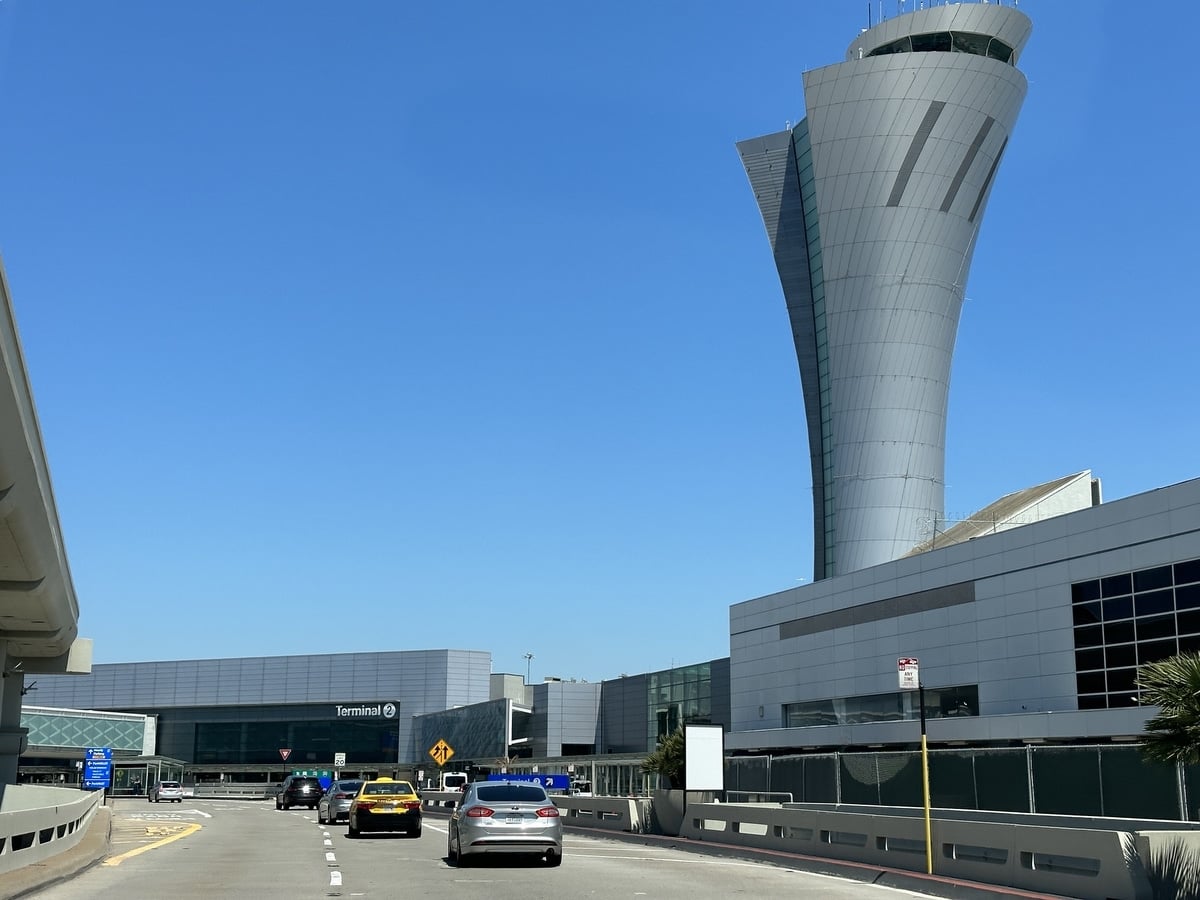
If you’ve flown into San Francisco International Airport (SFO) lately, you’ve probably noticed something interesting at the taxi stand. It’s almost too easy. You walk out of baggage claim, follow the signs and there’s a line of taxis ready to go. No surge pricing, no app wait times, no “your driver canceled.”
For a lot of travelers, that convenience has made taxis feel like the “old school but reliable” option again.
But a recent viral post on Reddit is a reminder that even simple travel choices can come with a few traps you want to watch for.
A traveler shared their experience after taking a taxi from SFO and paying through the
Curb app, which allows riders to link payment digitally while riding. Everything seemed normal until the end of the trip, when the driver reportedly claimed the app “didn’t go through” and asked for cash instead. The passenger paid again, only to later discover the original app payment had gone through just fine. In other words, a double charge.
What makes this more concerning is that it is not an isolated story. Other travelers in the same discussion described similar experiences: drivers saying the app failed, requesting a second payment, or ending trips in ways that made the fare higher than expected. In one case, a rider even noted the driver kept the app running longer than the actual drop off point.
The frustrating part is not just the money. It is the confusion. When you land after a long flight, you are tired, you just want to get home or to your hotel, and you are not necessarily in “fraud detection mode.” That is exactly what makes these situations so effective when they do happen.
To be fair, most taxi drivers are doing things correctly. But the pattern travelers are describing at SFO is worth paying attention to, especially if you also travel through other major airports like New York JFK, Los Angeles LAX, or Miami MIA. Any place where taxis still operate alongside app-based payments creates room for misunderstandings or, in some cases, intentional manipulation.
One common thread in these reports is confusion around digital payment systems like Curb. Unlike Uber or Lyft, where payment is fully handled in-app and automated, taxi systems often involve a mix of in-car terminals, driver confirmation and external apps. If something “fails,” it is not always clear whether it actually failed or whether it is being used as a reason to request another payment method.
Another issue travelers mention is routing. Some riders report longer-than-expected routes, often justified as “GPS instructions,” which can quietly increase the fare. While this is not unique to taxis, it is harder to verify in real time when you are not actively watching the route.
This kind of situation is not limited to San Francisco. Similar complaints show up in other major cities where taxis and app-based systems overlap, including New York, Chicago, and international airports in Europe and Asia. The details vary, but the pattern is familiar: confusion at payment time is where problems tend to happen.
So what can travelers actually do about it?
1. Ask before getting in
Before getting into any taxi that uses an app-based system like Curb, confirm how payment will work. Ask directly if the ride will be charged through the app only, and whether cash is ever needed. If the answer is unclear, that is a signal to reconsider or at least proceed cautiously.
2. Get your receipt
Most apps will show when a ride starts, what is being charged, and when it ends. If the driver says the app “didn’t work,” check your phone before agreeing to anything else.
3. Avoid double payment situations
If you have already paid through an app, do not pay again in cash unless you have confirmed a full refund or cancellation in writing or on-screen. It is much easier to dispute a charge later than to recover cash handed over in the moment. You should also sign up to get text/email alerts from your credit card company the moment there’s a charge so you know.
4. Use GPS on your own phone
Even if you trust the driver, it helps to have your own route tracking so you can see if something is off in real time.
5. Report issues immediately
Airports like SFO have complaint systems, and services like Curb and PayPal often allow disputes. Even if it feels like a hassle, reporting helps build a record when patterns start to emerge.
Taxis are not going away anytime soon and in many cases they are still a convenient option right outside the terminal. But as this recent story shows, convenience should not come at the cost of a scam. A few simple checks can make the difference between a smooth ride and a travel headache.



This is precisely why Uber, Lyft etc are doing so great. People are fed up with unscrupulous and overcharging taxi drivers. When I’m in Miami, LA etc. I now take Waymo and that way I don’t have to deal with any drivers at all.
Simply tell them that you have no cash. Let them call a cop.
Perhaps I’m missing something, but I don’t quite understand the appeal of “Curb.” Every taxi I’ve taken in the last few years (including to /from Bay Area and La Guardia) accepts and is set up
to easily take credit card payments.
Why not pay via credit card, directly to the driver?