A mere 1.5-hour flight from Madrid whisks you to Menorca, a Balearic gem that feels worlds apart—both geographically and spiritually—from the bustling Spanish capital. Though it shares the archipelago with its more famous siblings, Mallorca and Ibiza, Menorca stands alone in its understated charm. Here, life unfolds at a gentler pace, unhurried and unpretentious. Absent are the super yachts that crowd Mallorca’s marinas or the boisterous mega-clubs of Ibiza, where A-list DJs reign over throngs of revelers until dawn. Instead, Menorca exudes a quiet magic—a blend of community spirit, reverence for its land, and an independent streak forged by a history as rich and layered as its rugged landscapes.

Menorca’s past reads like a tapestry of conquest and culture. While the Phoenicians and Ancient Greeks—calling it Nura and Meloussa, respectively—saw it as a trading hub, the Carthaginians arrived with military ambitions. The Romans, who christened it “Minorica” (meaning “the smaller one,” in contrast to Mallorca), left their mark before yielding to Vandals, Byzantines, and a three-century stretch of Arab rule. Later, the French and British vied for control, each ruling for nearly a century and imprinting their influence on the island’s architecture, cuisine, and identity. This storied history—remarkable for an island of just 270 square miles—sets Menorca apart, not only from its Balearic neighbors but from any preconceived notion of a sleepy Mediterranean outpost.

This legacy is tangible at every turn. In the twin towns of Ciutadella and Mahón, architectural styles collide in the most wonderful way—British Georgian windows, Moorish arches, and Spanish colonial facades coexist as if curated by time itself. Beyond the towns, the island is a living museum of antiquity. Scattered across its rolling hills are over 1,500 Talayotic stone structures—megalithic monuments like taulas, talayots, and navetas—dating back over 3,000 years. These enigmatic relics, unique to Menorca, predate even Stonehenge and offer a revealing glimpse into a prehistoric civilization that thrived here long before recorded history. Add to this the Roman ruins, medieval fortresses, and remnants of Arab irrigation systems, and Menorca becomes a destination that invites exploration as much as relaxation.

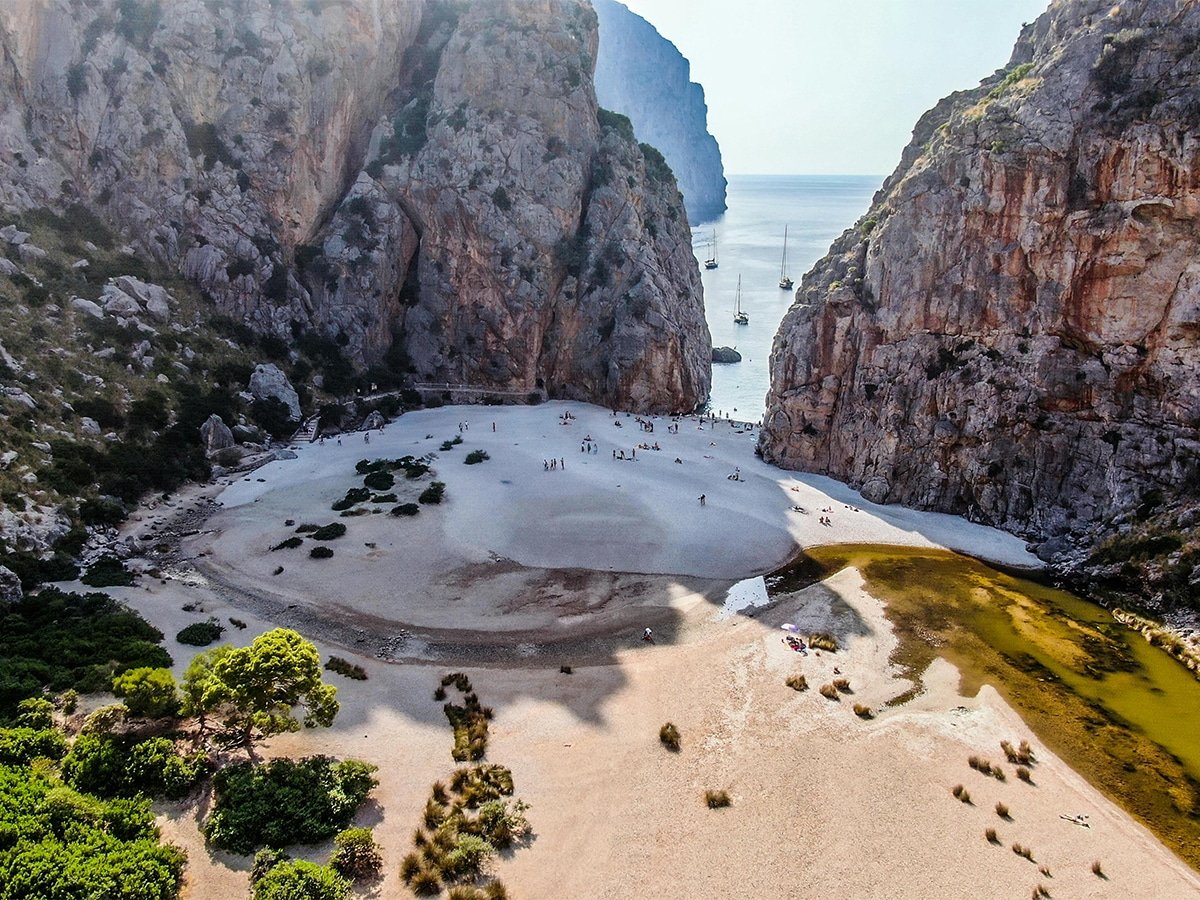
Yet Menorca’s allure isn’t confined to its past. In this serene corner of the world, Mother Nature has sculpted an island of breathtaking beauty, with over 100 beaches that range from secluded coves like Cala Macarella—accessible only by foot or boat—to the expansive, powdery sands of Son Bou, stretching nearly two miles. Unlike the commercialized shores of other Mediterranean hotspots, these beaches remain pristine, shaped solely by wind and wave. The result? Waters so clear and turquoise they seem to glow, drawing snorkelers and divers to explore underwater caves and vibrant marine life, including octopus, barracuda, and even the occasional loggerhead turtle.

Beyond the coast, the Camí de Cavalls, a 115-mile ancient bridle path encircling the island, beckons adventurers. Once used to patrol Menorca’s shores on horseback, it now offers unparalleled hiking, cycling, and riding routes through pine forests, cliffs, and wetlands. Along the way, you might stumble upon the Lithica quarries—former sandstone pits transformed into a surreal cultural space, where labyrinthine gardens, modern sculptures, and open-air concerts breathe new life into the stone.

Accommodation here is as enchanting as the landscape. In Mahón and Ciutadella, boutique hotels like the chic Christine Bedfor and the rustic-chic Ses Bruixes blend seamlessly into their surroundings. Venture into the countryside, and you’ll find former farmhouses and manor homes reborn as luxurious retreats. Take Torralbenc, a restored 19th-century estate where whitewashed walls frame a spa, a gourmet restaurant, and an on-site winery—all set against vineyard-draped hills.

Speaking of wine, Menorca’s viticulture is a hidden treasure. The island’s limestone-rich terroir and Mediterranean climate produce crisp whites and robust reds, best savored at Binifadet Winery, the largest of Menorca’s producers, where tours end with tastings under the shade of olive trees.

The culinary scene is equally captivating. Menorca’s cuisine is a celebration of its land and sea—fresh, inventive, and rooted in tradition. Mahón cheese, a tangy, semi-cured delight made from the milk of Menorcan cows, is a local icon, the production of which is regulated by a Denomination of Origin.

Then there’s Xoriguer gin, a vestige of British rule, distilled with local botanicals and often paired with lemonade in the island’s signature pomada cocktail. From lobster stew (caldereta de langosta), a fisherman’s classic, to ensaimadas—flaky, spiral pastries dusted with powdered sugar—Menorcan food strikes a balance of sophistication and simplicity that mirrors the island itself.
For art lovers, the Hauser & Wirth Gallery on Illa del Rei, a tiny islet in Mahón’s harbor, showcases world-class contemporary works amid restored naval buildings. History buffs can lose themselves in Ciutadella’s old quarter, where cobblestone streets lead to Gothic cathedrals, bustling markets, and boutiques tucked into ancient caves. And in summer, the Festa de Sant Joan transforms Ciutadella into a spectacle of prancing horses and medieval pageantry—a tradition dating back to the 14th century.
In sum, Menorca is far more than its splendid beaches, though they alone would suffice. It’s an island of soul and surprises, where ancient history whispers through the stones, nature unfurls in vivid hues, and every meal feels like a gift. Whether you seek serenity, adventure, or a brush with the past, Menorca delivers an idyllic escape—one that lingers long after the sun dips below its horizon.