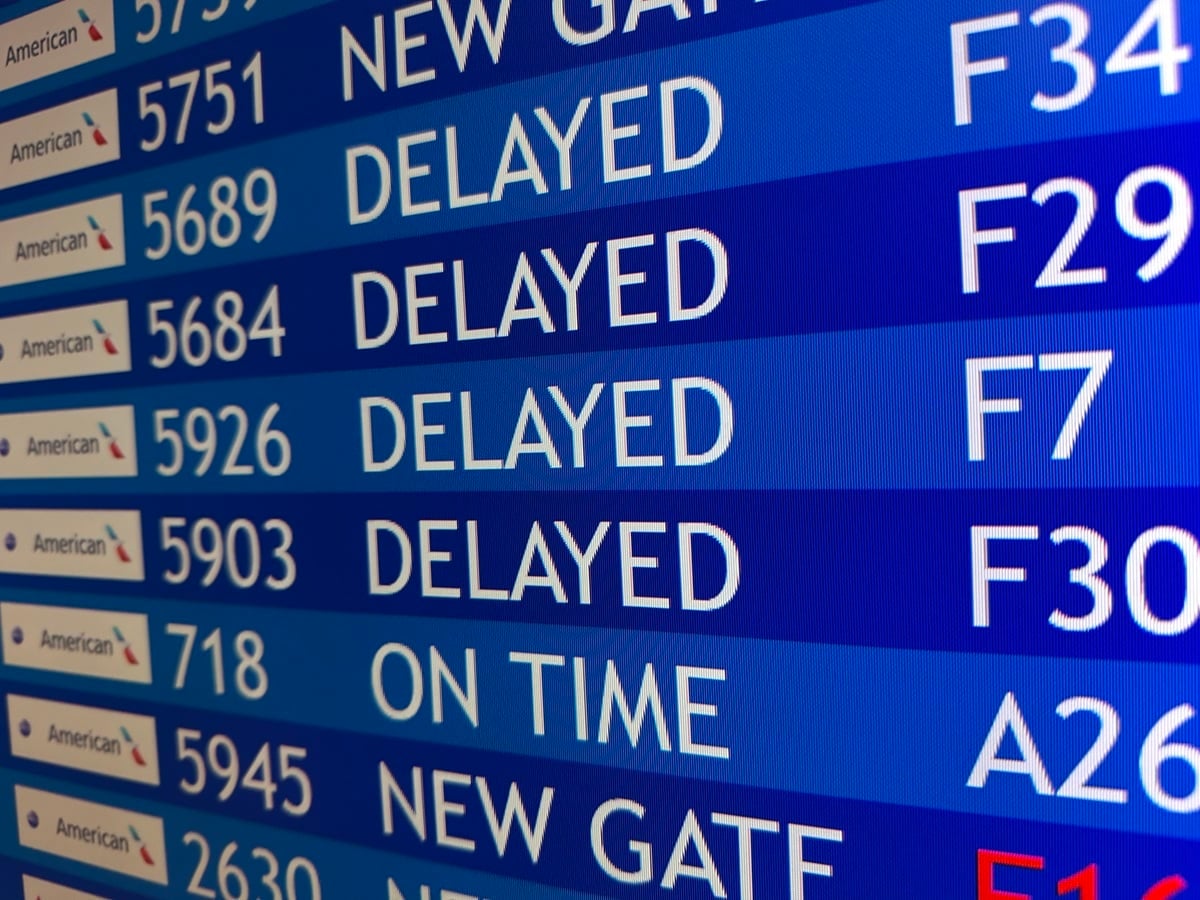
If you’ve filled up your gas tank or turned on the news lately, then you know fuel prices are soaring. Airlines around the world have very small margins so they’re starting to quietly cut flights and trim routes as a jet fuel crunch begins to take hold just weeks before peak summer travel.
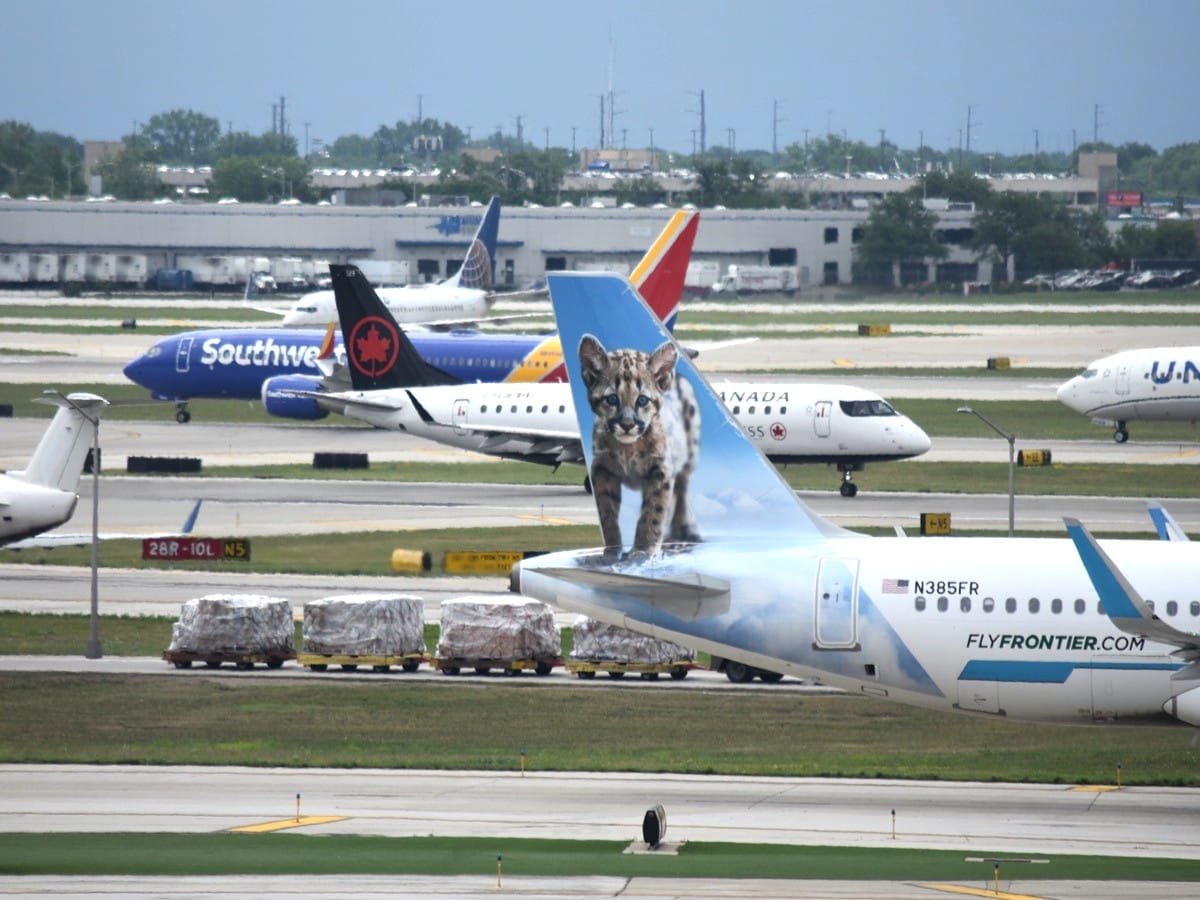 Unlike past disruptions that triggered mass cancellations overnight, this shift is more subtle. Flights aren’t disappearing all at once. Instead, airlines are reducing frequencies, dropping weaker routes and swapping in smaller aircraft to burn less fuel. Air Canada used to fly 777 and 787’s between LAX and Toronto and now they’re flying 737-MAX’s and A220s!
The result for travelers is higher prices, fewer options and smaller aircrafts.
U.S. Airlines Pull Back Quietly
In the United States, the changes are already underway, even if they haven’t made major headlines yet. United Airlines has begun reducing lower-demand flying, including scaling back red-eye routes between Los Angeles and the New York area and trimming midweek service on routes like Chicago to Phoenix and Denver to Las Vegas. The airline is also quietly cutting about 5 percent of its planned summer capacity, focusing on routes that are less profitable when fuel prices spike. According to Reuters: United Airlines CEO, Scott Kirby, said today “ticket prices may need to rise by as much as 15% to 20% to offset a surge in jet fuel costs, signaling a significant test of consumers’ willingness to absorb higher fares as the industry grapples with volatile oil prices.”
Delta Air Lines has avoided major cancellations so far, thanks in part to its fuel strategy, but it has started pulling back on smaller routes that don’t pass through its major hubs. Here are some of the notable routes that are being paused this summer: JFK to Houston, Memphis, and St. Louis (June 7–Sept. 8), RDU to Las Vegas (June 2–Sept. 8), and DTW to Sacramento (through March 2027), while BOS–Nassau service is limited and DTW–Florida is delayed until 2027.
American Airlines is taking a similar approach, tightening schedules on short-haul leisure routes and some international service while protecting its most profitable flights.
Air Canada Makes Early Route Cuts
The cuts are more visible in Canada, where Air Canada has already suspended several routes outright. Flights from Toronto and Montreal to New York’s JFK airport will be paused through the summer, along with service between Toronto and Salt Lake City. Instead of maintaining those routes at a loss, the airline is consolidating passengers through other airports and reducing overall capacity.
Europe Sees the Deepest Reductions
In Europe, the situation is really noticeable, with airlines making aggressive cuts ahead of the busy summer season.
Lufthansa Slashes Short-Haul Flights
Germany’s Lufthansa has announced plans to cut roughly 20,000 flights between May and October, focusing primarily on short-haul routes across Europe. Rather than eliminating routes entirely, the airline is reducing frequency, turning routes that once operated five times a day into just two or three.
KLM Trims Amsterdam Routes
KLM is making similar adjustments, canceling more than 150 flights and scaling back service on key European routes from Amsterdam. Some routes are being reduced because they are no longer financially viable at current fuel prices.
SAS Cuts Nordic Frequencies
Scandinavian Airlines has also reduced its schedule, cutting around 1,000 flights, mostly within the Nordic region. Like others, it is focusing on reducing frequency rather than fully abandoning routes.
Low-Cost and Long-Haul Carriers Feel the Most Pressure
Long-haul and low-cost carriers are among the hardest hit. Norse Atlantic Airways has begun pulling back on transatlantic routes, particularly from the U.S. West Coast, where long distances make fuel costs especially challenging. Swiss leisure airline Edelweiss is also scaling back U.S. service, reducing flights to destinations like Las Vegas and Seattle.
Asia-Pacific Airlines Brace for Bigger Cuts
In Asia, airlines are preparing for deeper reductions if fuel prices remain elevated. Vietnam Airlines has already cut some domestic routes and warned it may reduce capacity by as much as 20 percent. Other regional carriers are trimming schedules and adjusting routes, with some even planning additional fuel stops to manage costs.
What It Means for Travelers This Summer
Expect higher prices, fewer departure options and some nonstop routes disappearing. Be sure to keep track of your already booked flights because the schedule you booked last month may not look exactly the same by the time you depart.