Greetings from Toronto! When I stepped outside on Wednesday morning, I thought I was back in India during crop-burning season or in Los Angeles during the Malibu fires. The air smelled like smoke and a thick orange haze blanketed the city. I immediately texted my wife to ask what was going on since we hadn’t watched the news in a couple of days.
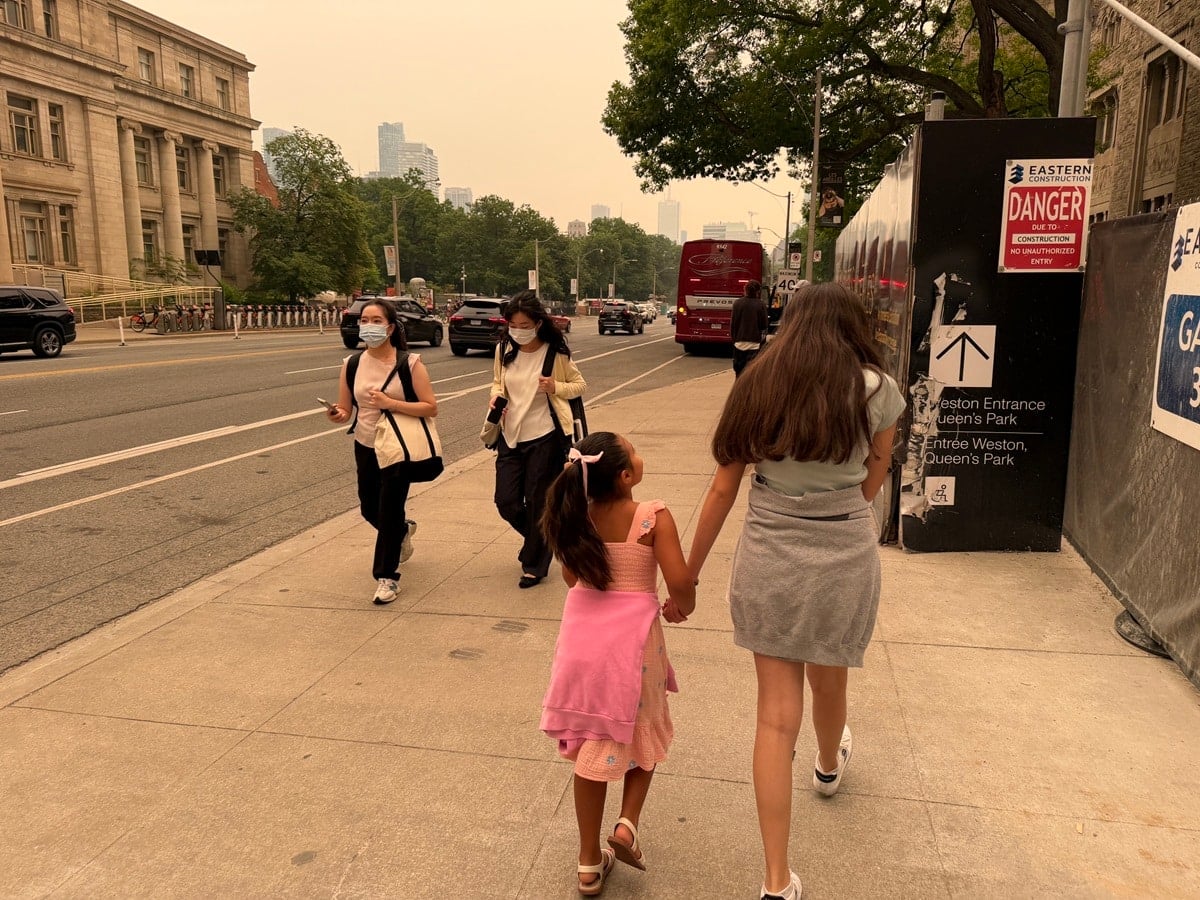
It turns out there are massive wildfires burning across northwestern Ontario and have sent smoke hundreds of miles south, creating dangerous air quality across much of Ontario and into the Midwest and Northeast United States.
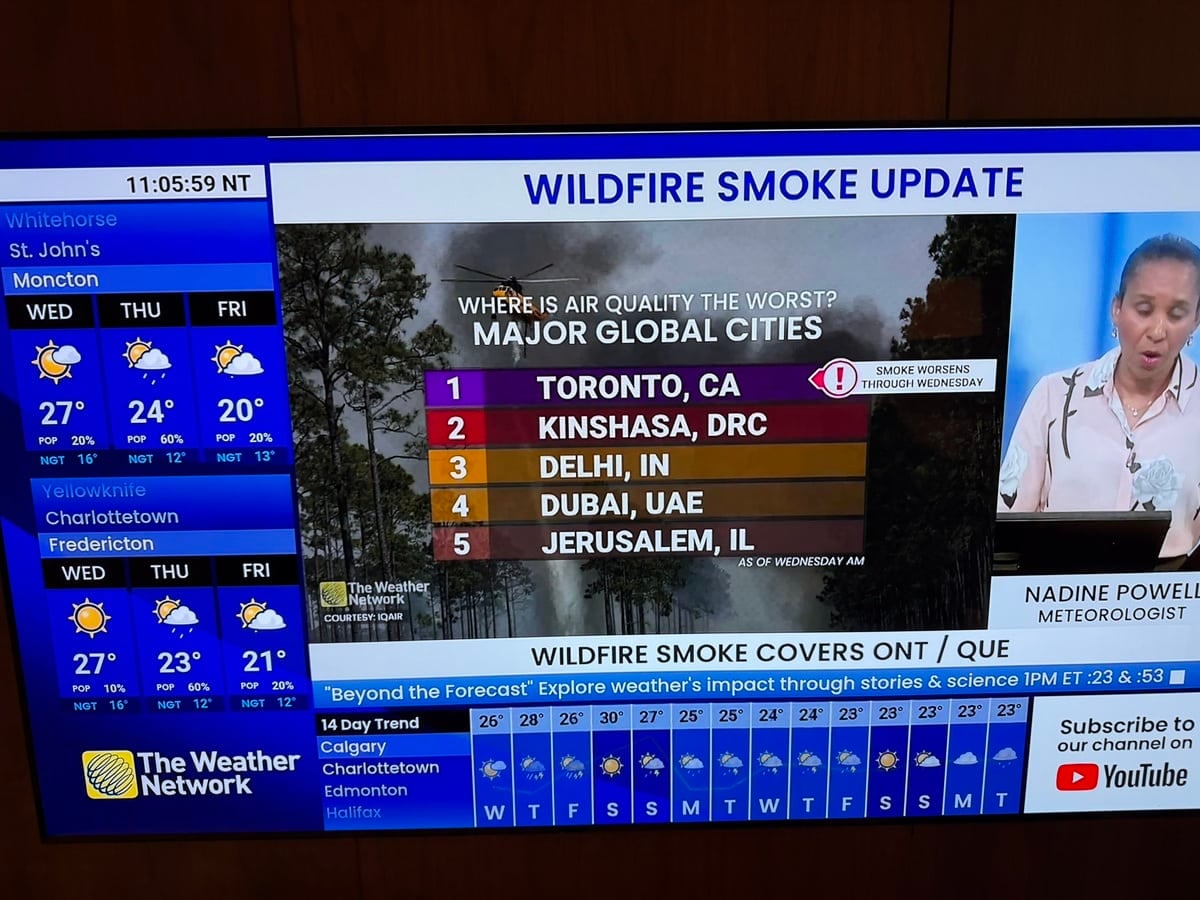
At one point, Toronto had the worst air quality of any major city in the world, according to air quality monitoring services, while Environment Canada issued “very high risk” air quality warnings.
Unfortunately, it’s not just residents who are being affected. Travelers are too.
Airlines are issuing travel waivers
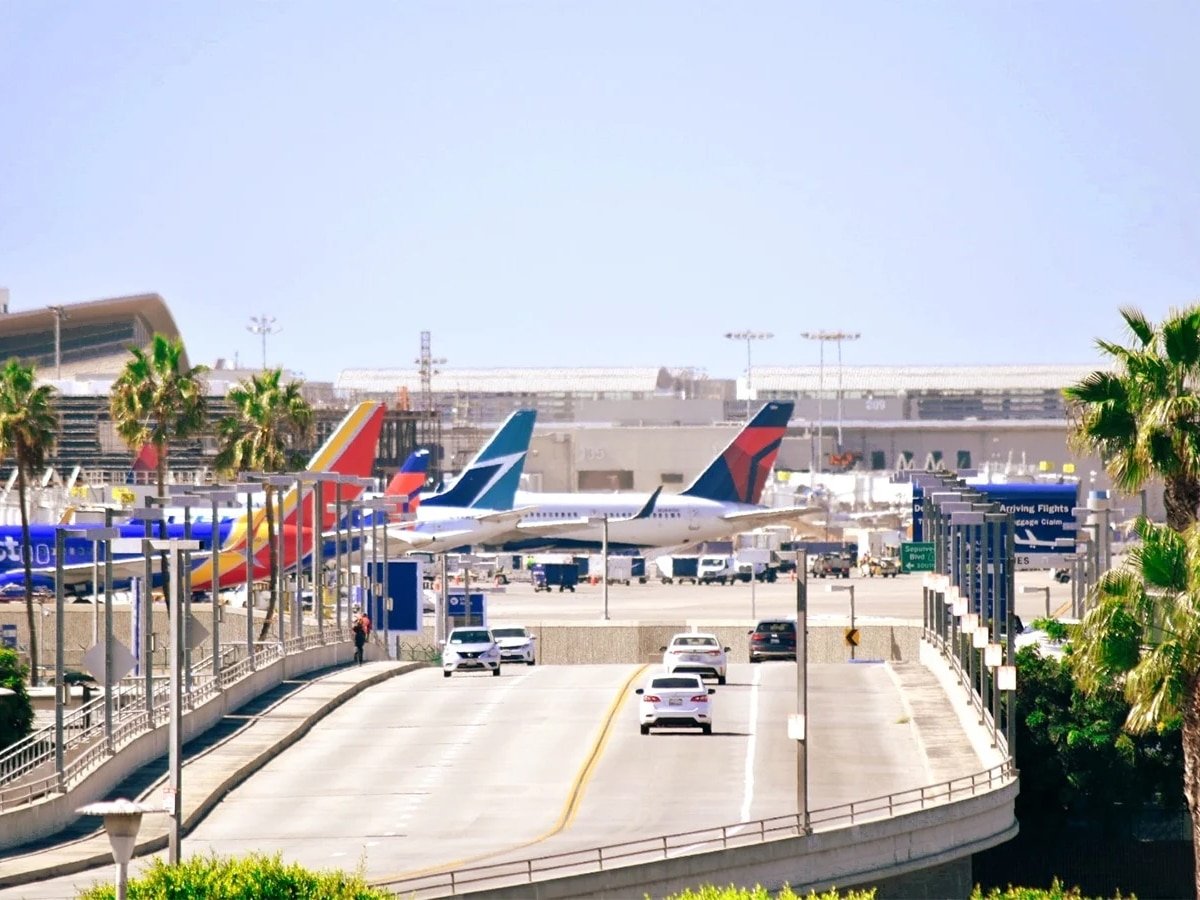
The smoke has reduced visibility and created poor air quality at airports across Canada and the U.S. While the smoke itself doesn’t necessarily ground aircraft, it can impact airport operations and, more importantly, create unhealthy conditions for passengers and airport employees spending extended periods outdoors.
Several major U.S. airlines have now issued travel waivers, allowing eligible passengers to change their flights without paying change fees.
American Airlines
American Airlines is waiving change fees for eligible customers traveling between July 16-18 through 18 affected airports across Wisconsin, Michigan, Minnesota, Indiana and Ohio, including Detroit (DTW), Minneapolis (MSP), Milwaukee (MKE), Cleveland (CLE) and Grand Rapids (GRR).
To qualify, you must have:
- Purchased your ticket by July 15
- Be traveling on American Airlines
- Rebook by July 18
- Complete travel by July 21 (or within one year of the original ticket date, fare difference may apply)
Basic Economy tickets are included, which is welcome news since those fares normally come with strict change restrictions.
Delta Air Lines
Delta has issued a similar waiver for travel between July 16-18 covering airports including Detroit (DTW), Minneapolis-St. Paul (MSP), Milwaukee (MKE), Green Bay (GRB), Grand Rapids (GRR), Madison (MSN) and several others throughout Michigan and Wisconsin. Customers have until July 21 to reissue their tickets and begin their rescheduled travel.
United Airlines
United’s waiver includes one Canadian airport: Toronto Pearson (YYZ), along with Buffalo, Syracuse, Rochester, Detroit, Traverse City, Green Bay, Duluth and other affected cities.
Passengers traveling July 17-18 whose tickets were purchased on or before July 16 can change to another United flight departing between July 16-20 without paying change fees or fare differences, provided they stay in the same cabin and travel between the same cities.
Southwest Airlines
Southwest’s advisory currently covers Cleveland (CLE), Detroit (DTW), Grand Rapids (GRR), Milwaukee (MKE) and Minneapolis/St. Paul (MSP) for travel July 17-18.
If your flight is affected, Southwest is allowing customers to:
- Rebook within 14 days without paying a fare difference
- Travel standby
- Request a refund if Southwest cancels or significantly delays the flight
What travelers should do
Even if your flight isn’t delayed, poor air quality can make travel uncomfortable, especially if you have asthma, heart disease or other respiratory conditions.
Here are a few tips:
- Check your airline’s travel alerts before heading to the airport.
- Monitor your flight status throughout the day since conditions can change quickly.
- Wear a high-quality mask (N95 or KN95) if you’ll be spending time outdoors or walking between terminals, parking lots or transit stations.
- Stay hydrated, since smoky air can irritate your throat and lungs.
- Limit unnecessary time outside, particularly if local air quality indexes are in the high or very high-risk range.
Environment Canada warns that during heavy smoke conditions, everyone can experience health effects, including coughing, irritated eyes and throat or headaches. Children, older adults, pregnant people and anyone with heart or lung conditions are at greater risk.
If you’re traveling through the Great Lakes region, southern Ontario or parts of the Midwest over the next few days, it’s worth checking your airline’s website before leaving home. Even if your flight operates on time, your airline may allow you to switch to another day free of charge.
Most importantly, my thoughts are with the communities in northwestern Ontario that have lost homes and been forced to evacuate. While many of us are dealing with hazy skies and altered travel plans, thousands of people are facing the devastating reality of these fires firsthand.