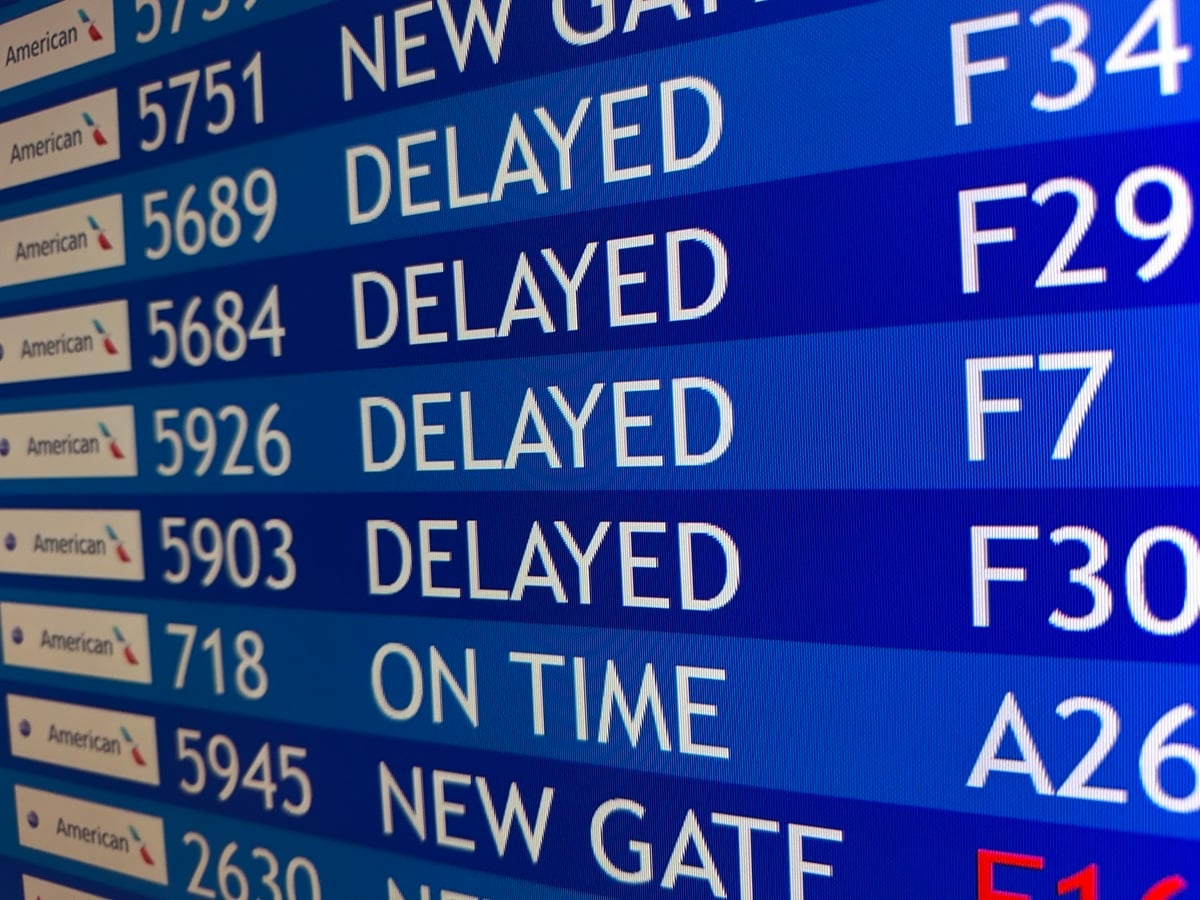
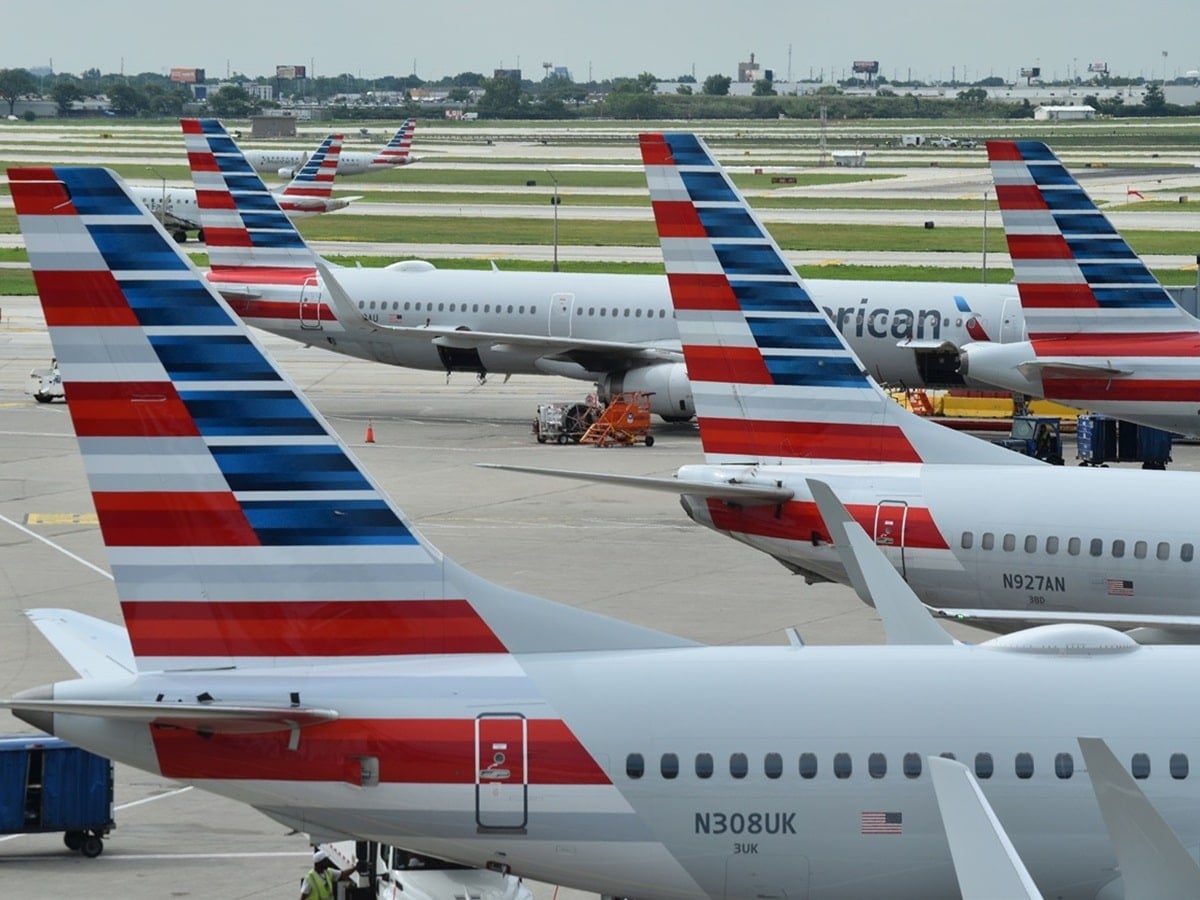
Friday’s nationwide FAA ground stop caused travel chaos across the country, leaving thousands of flights canceled and countless passengers scrambling to get home, attend important events or salvage their vacations. And while airlines have been working to get their operations back on track, many travelers are still dealing with the financial fallout.
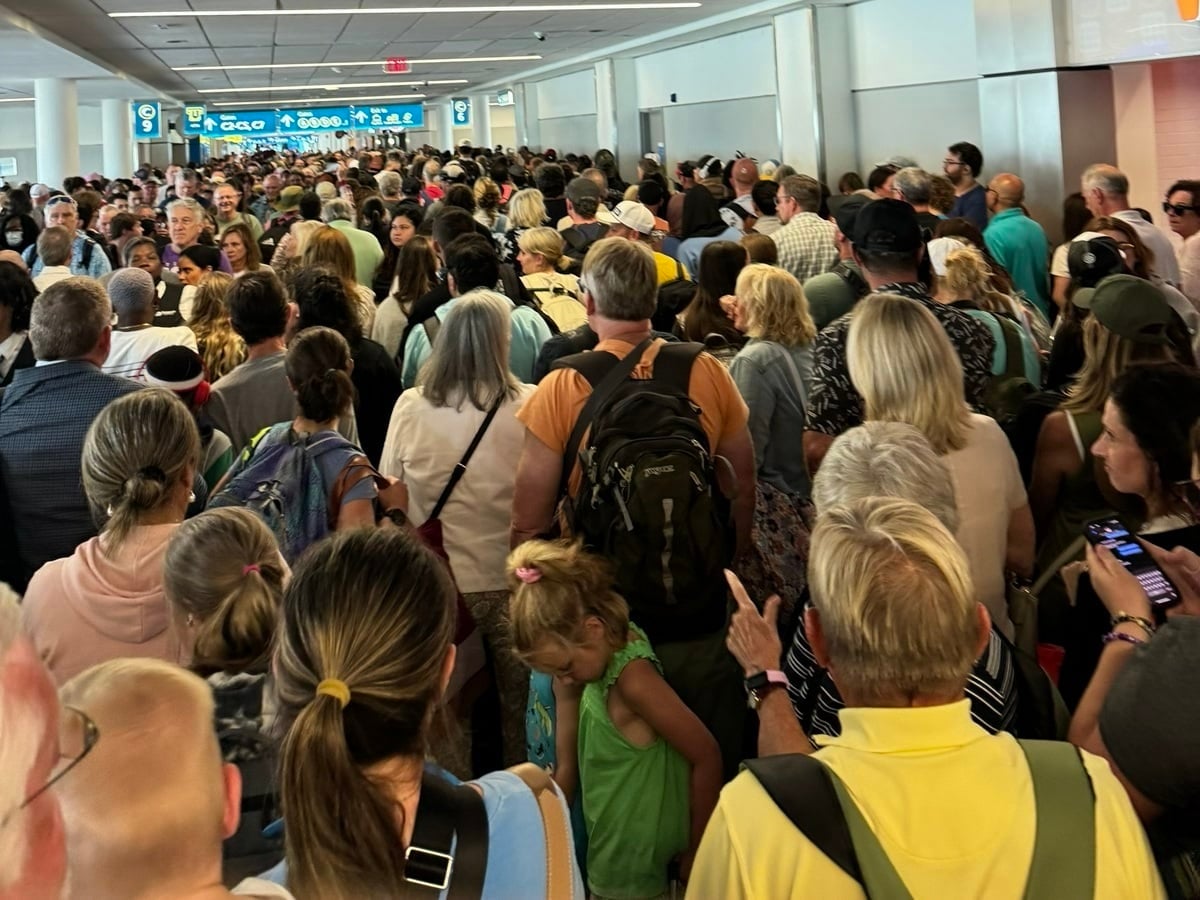
I’ve been covering the disruption all weekend, including the travel waivers issued by American, Delta and United. But one of the biggest questions travelers have is: If my flight was canceled because of the FAA outage, who’s responsible for paying for my hotel, meals and other unexpected expenses?
Unfortunately, the answer isn’t as straightforward as most people would like.
1. If Your Flight Was Canceled, You’re Entitled to a Refund
Let’s start with the good news. Under U.S. Department of Transportation rules, if an airline cancels your flight and you decide not to travel or accept the airline’s alternative arrangements, you’re generally entitled to a refund, even if you purchased a nonrefundable ticket. It doesn’t matter whether the cancellation was caused by bad weather, an airline mechanical issue or Friday’s FAA ground stop.
Something many travelers don’t realize is you don’t have to accept an airline voucher or future travel credit instead of a refund. However, if you accept the airline’s rebooking and take the flight, you generally aren’t entitled to a refund simply because you arrived late.
2. Will the Airline Pay for Your Hotel and Meals?
When a flight is canceled because of a problem within the airline’s control, such as certain mechanical issues or staffing problems, many airlines have committed to providing hotel accommodations, meal vouchers and ground transportation. But Friday’s FAA outage was different.
Because the ground stop originated with the federal air traffic control system, airlines may classify the disruption as outside their control. That generally means they aren’t obligated to cover hotels, meals or other expenses under their customer service commitments.
That doesn’t mean you shouldn’t ask. In fact, if you’re stranded overnight, politely ask an airline representative whether hotel accommodations or meal vouchers are available. Some airlines may provide assistance as a goodwill gesture, particularly for passengers facing lengthy delays.
Here’s what I would do: I wouldn’t wait around for the airline to find me a hotel. The moment I realized I was going to be stranded overnight, I’d pull out my phone and book a room as quickly as possible before nearby hotels filled up and prices skyrocketed. Then I’d ask the airline if they would reimburse me. However, don’t assume you’ll get your money back, especially if you book an expensive hotel on your own. If possible, get confirmation from the airline in writing before spending your own money. And always save your receipts.
One more tip: Before paying for a hotel, check whether the credit card you used to purchase your ticket includes trip delay insurance. Depending on the card, the reason for the disruption and the length of your delay, you might be eligible for reimbursement for a hotel, meals and other necessary expenses. Just be sure to read the fine print because not every type of delay is covered.
3. What About Rebooking on Another Flight?
American, Delta and United have issued travel waivers allowing eligible passengers to change their flights without the usual change fees, subject to specific conditions. But a travel waiver doesn’t necessarily mean you can book any flight you want without paying more.
Airlines often require passengers to rebook within a specified travel window, travel between the same cities and remain in the same cabin. If you choose a flight outside those conditions, you could face a fare difference.
My advice is to check your airline’s waiver before making changes. And if your flight was canceled, ask about available rebooking options before purchasing an entirely new ticket.
4. Can Travel Insurance Cover Your Hotel, Meals and Missed Vacation?
This is where having the right travel insurance policy can make a big difference. Some travel insurance policies include trip delay coverage that reimburses reasonable expenses such as meals, hotels and local transportation when a covered disruption leaves you stranded.
For example, imagine you were supposed to fly from Los Angeles to Miami on Friday but your flight was canceled and you couldn’t leave until Sunday. If your travel insurance policy covers the reason for the delay and you’ve met its minimum waiting period, you might be eligible for reimbursement for two nights in a hotel and meals.
But not all travel insurance policies cover FAA system outages. Some policies cover delays caused by mechanical breakdowns, severe weather or other specified transportation disruptions. Others may have broader coverage for common carrier delays.
That’s why it’s so important to read the actual policy rather than assume you’re covered simply because you purchased travel insurance. Related: Do I Have Travel Insurance and Which Policy Company Do I Use?
5. What If You Missed a Cruise, Hotel Stay or Special Event?
This is one of the most heartbreaking parts of a major travel disruption. Imagine saving for a dream cruise, only to miss the ship because your flight was canceled. Or paying for a nonrefundable hotel, tour or special event that you couldn’t attend. Unfortunately, airlines generally aren’t responsible for reimbursing those consequential losses simply because they canceled your flight.
This is exactly why I always recommend flying in at least two days before a cruise. In fact, it’s a rule I follow myself when traveling with my family. Flying in the day your ship departs is just asking for trouble, especially when one canceled flight, mechanical issue or weather delay could cause you to miss the entire cruise. Arriving at least two days early gives you a much-needed buffer if something goes wrong. Plus, it gives you time to relax, adjust to the time zone and explore the departure city before boarding.
However, some travel insurance policies include trip interruption, missed connection or other benefits that may cover certain prepaid, nonrefundable expenses or additional transportation costs when the disruption qualifies.
Cruise passengers should pay attention to missed connection coverage, which may help with the cost of catching up to a ship at its next port. Again, coverage depends on the policy, the reason for the disruption and any minimum delay requirements. And remember, not every port allows passengers to join a cruise after departure, so don’t assume you can simply fly to the next stop.
6. Don’t Forget About Your Credit Card’s Travel Insurance
Here’s another reason I always recommend paying for travel with a credit card that offers useful travel protections. Certain premium travel credit cards include trip delay insurance that can reimburse eligible expenses when a covered disruption delays your trip.
Depending on the card, benefits may include meals, lodging and other necessary expenses up to a specified limit. But don’t assume every flight cancellation qualifies.
Some credit cards only cover specific events, such as severe weather, equipment failure involving the common carrier or other listed circumstances. A failure involving FAA telecommunications equipment may not fall into those categories.
You’ll also want to check whether you needed to purchase the entire ticket with the card or whether a partial payment qualifies. Before filing a claim, contact your card’s benefits administrator and ask whether this particular FAA disruption is covered.
7. What About Cancel For Any Reason Travel Insurance?
Some travelers purchase Cancel For Any Reason (CFAR) coverage because they want extra flexibility. However, CFAR insurance generally isn’t designed for situations where you’re already at the airport and your flight suddenly gets canceled.
Most CFAR policies require you to cancel at least 48 hours before your scheduled departure, although terms vary. They also typically reimburse only a portion of eligible prepaid, nonrefundable expenses. If you were already traveling when Friday’s ground stop occurred, CFAR probably won’t be the solution.
8. Save Every Receipt and Document Everything
If there’s one thing travelers should do following a major disruption like this, it’s document everything. Save your original flight confirmation, cancellation notices, screenshots of airline communications and receipts for hotels, meals, transportation and replacement flights.
One thing I always do is photograph every receipt immediately. It’s a habit I’ve developed after years of traveling because paper receipts are easy to lose, especially when you’re stressed, exhausted or rushing to catch another flight. Some receipts also fade over time. By taking a quick photo with my phone, I know I have a digital copy if I need to file a claim later. I also recommend keeping everything organized in one folder on your phone so you aren’t scrambling to find documents weeks or months later.
It’s also a good idea to request written confirmation from the airline explaining why your flight was canceled or delayed. If you can’t get one, take screenshots of any notifications or explanations provided in the airline’s app or website.
This documentation could make the difference between a successful insurance claim and a denied one. And remember, you generally can’t receive duplicate reimbursement for the same expense. If an airline refunds your ticket, your travel insurance company typically won’t reimburse you for that same ticket.
My Advice for Travelers
After three decades of flying professionally, I’ve learned that even the best-planned trip can unravel because of something completely outside your control. Friday’s FAA ground stop was a perfect example.
The most important thing is to understand the difference between what airlines are legally required to provide and what they might offer voluntarily.
If your flight was canceled and you decided not to travel, request the refund you’re entitled to. If you’re stranded, ask about hotel and meal assistance. If you purchased travel insurance or used a credit card with travel protections, review your benefits and contact the provider about filing a claim.
And with Thanksgiving just around the corner, I’d strongly recommend allowing extra time for connections, monitoring your flight closely and avoiding tight schedules whenever possible.