France is the most visited country in the world, welcoming a staggering 102 million international visitors in 2025, according to the French government. Paris is one of the world’s most popular cities, attracting millions of travelers who come to see the Eiffel Tower, Louvre Museum, Notre-Dame Cathedral and countless other famous attractions.
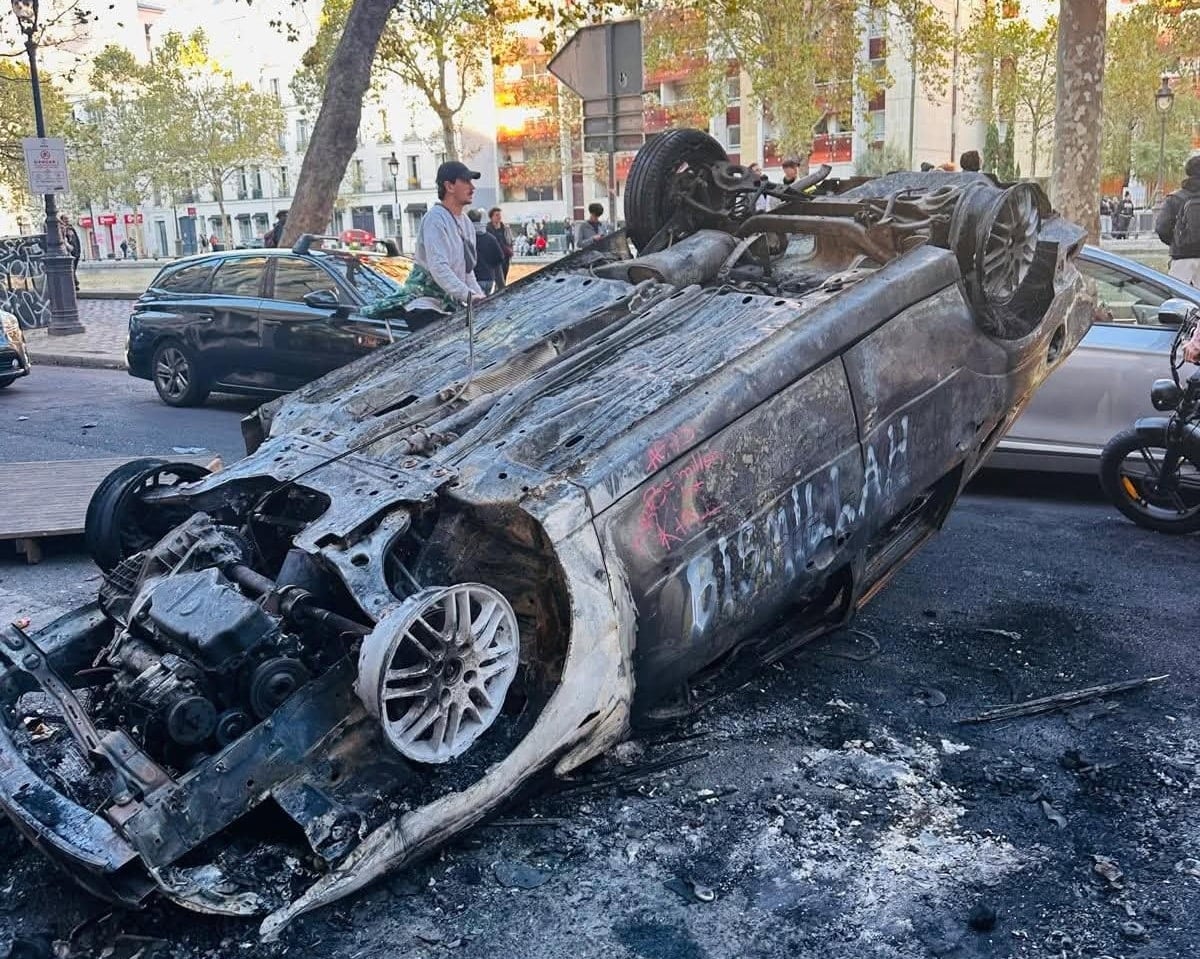
 My family and I were just in Paris this summer as part of our four-week trip through Europe, and we had a wonderful time. But if you’re planning a trip to France in the coming days or weeks, you might be wondering whether it’s safe to go. That’s certainly a fair question considering the disturbing images coming out of Paris and other French cities following a weekend of violent protests, looting and clashes with police. See video below.
Tens of thousands protested across French cities, including Paris, Marseille and Toulouse, over rising living costs and public services, with clashes leading to at least 272 arrests https://t.co/89VygTAwsk https://t.co/mQqoc4REcr
— Reuters (@Reuters) October 17, 2026
To get a better sense of what’s happening on the ground, I spoke with my friend Sabine Engelbrecht, who happens to be vacationing in Paris right now. She found herself caught in the demonstrations, witnessed fires and looting and has had to change her sightseeing plans. Yet she says she still feels comfortable visiting the city, as long as travelers remain alert and flexible.
The French government has imposed localized curfews in several cities, thousands of businesses have been affected and even the world-famous Louvre Museum was forced to close on Monday.
So, should you cancel your trip to France? Here’s what travelers need to know, what governments are advising and why I wouldn’t necessarily cancel my plans just yet.
What’s happening in France?
France experienced some of its worst civil unrest in years over the weekend of October 17 and 18, 2026. What began as demonstrations over school conditions, the rising cost of living and other grievances escalated into violence in several cities, including Paris, Lyon and Marseille.
According to the Associated Press, more than 2,400 people were arrested and approximately 3,000 businesses were damaged or affected by the unrest. French Prime Minister Sébastien Lecornu called for localized curfews to help restore order, while President Emmanuel Macron rejected Interior Minister Laurent Nuñez’s offer to resign over the authorities’ handling of the violence.
In Paris, police imposed overnight curfews in areas around Place de la République and Les Halles, two popular parts of the city. Other municipalities have introduced restrictions, including curfews targeting minors and limitations on demonstrations.
The situation remains fluid. Today (October 20), Reuters reported that the French government was preparing additional security deployments ahead of more expected protests. Although the curfews appear to have helped reduce some of the violence, authorities are not ruling out further unrest.
The disturbances have also affected tourism. The Louvre Museum was closed on Monday, October 19, following demonstrations. Travelers should check the museum’s official website for the latest opening information before visiting. The same advice applies to other museums, attractions, restaurants and transportation providers, since conditions can change quickly.
My friend is in Paris right now. Here’s what she’s experiencing.
I reached out to my friend Sabine Engelbrecht, who lives in Los Angeles and works as the National Account Manager, USA for Air New Zealand. She happens to be vacationing in Paris right now, and her firsthand account provides an interesting perspective on what travelers are actually experiencing.
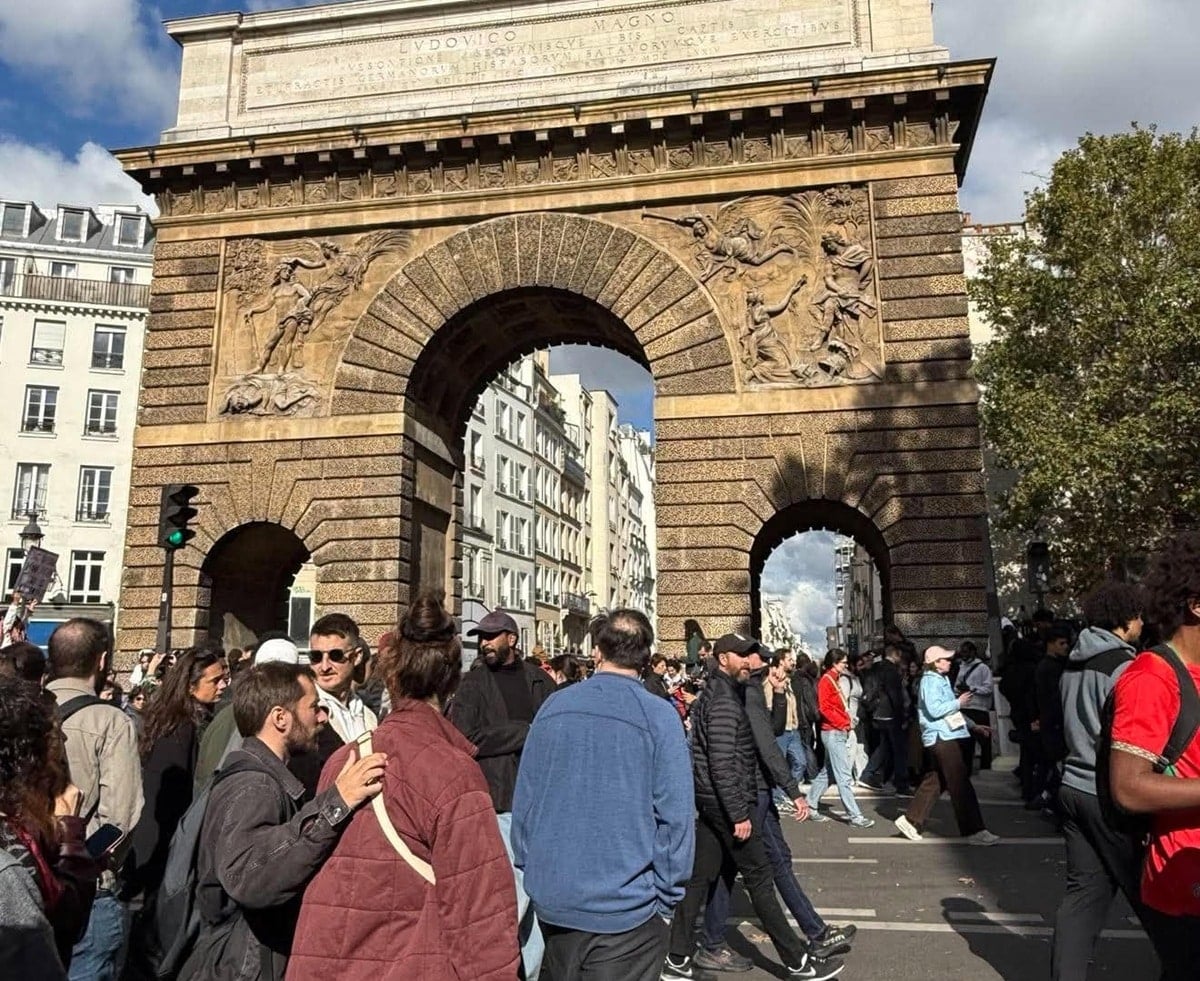
Sabine arrived in Paris on Saturday, October 17, and almost immediately found herself in the middle of the demonstrations while trying to walk to Sacré-Cœur. “That was still the peaceful demonstrations,” she told me. “We eventually had to turn around, as we were going against the flow of people and pivoted to other areas.”
But things changed dramatically that afternoon. Sabine said protesters began setting fires in the streets, and while she and her companions were having a late lunch, someone set a trash bin and bicycles on fire nearby. The smoke became so unbearable that they had to move inside the restaurant.
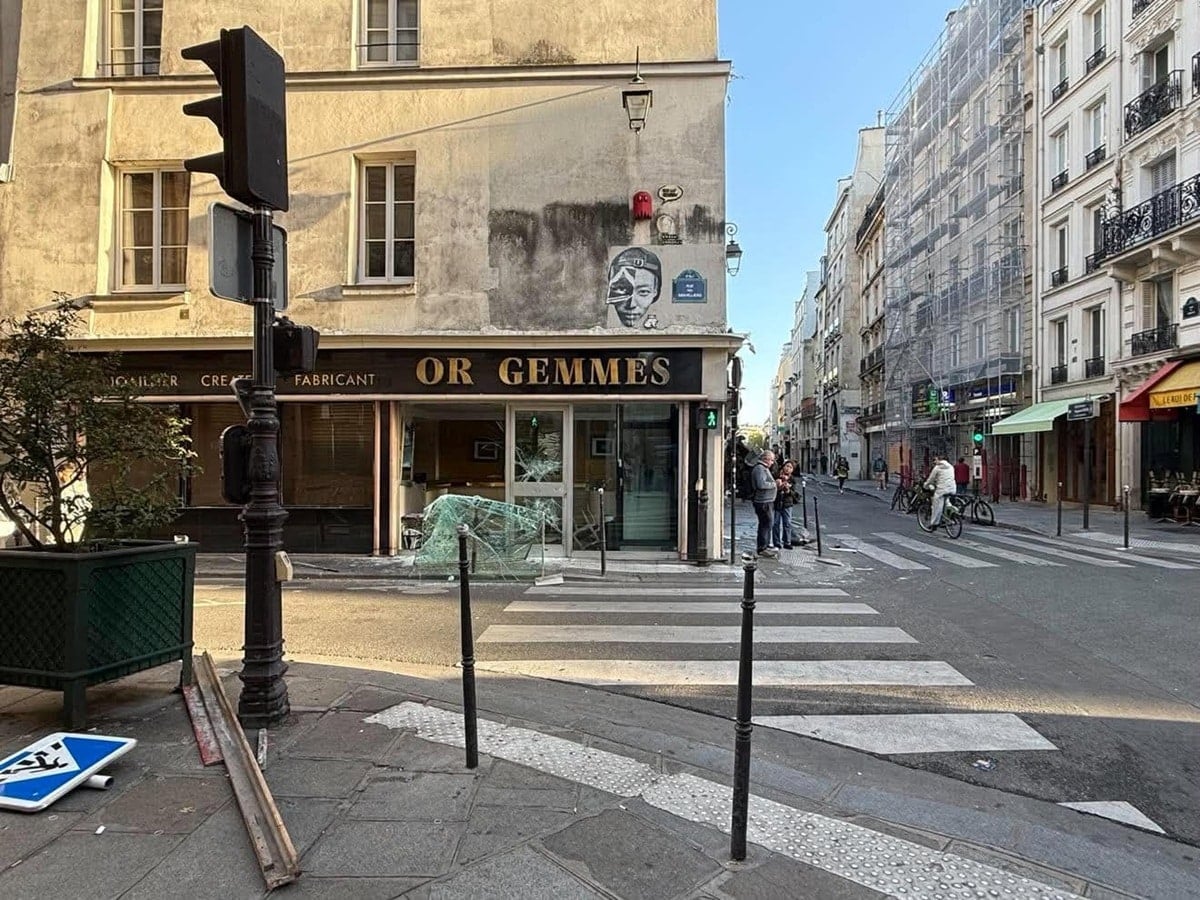
They continued sightseeing but avoided certain areas because of police activity and tear gas. When they returned to their accommodations, they discovered that nearby stores had been looted. “Jewelers and high-end stores completely destroyed right down the street from us,” she said.
Despite everything she witnessed, Sabine said she didn’t feel particularly frightened. Instead, she focused on staying aware of her surroundings and adjusting plans as necessary. “Were we afraid? Not really,” she told me. “Just paying close attention where we go and our surroundings.”
What’s especially interesting is how quickly the experience can change depending on where you are in Paris. The following day, Sabine took a food tour that wasn’t affected by the unrest. She said that aside from the heightened police presence, some neighborhoods and streets seemed largely unaffected.
However, getting around has been a major challenge. Sabine said demonstrations made it difficult to use Uber, Bolt and taxis on Saturday. On Tuesday, October 20, she nearly missed a tour at the Musée d’Orsay because drivers couldn’t reach her accommodations. Streets were blocked while sanitation crews cleaned up debris from the fires.
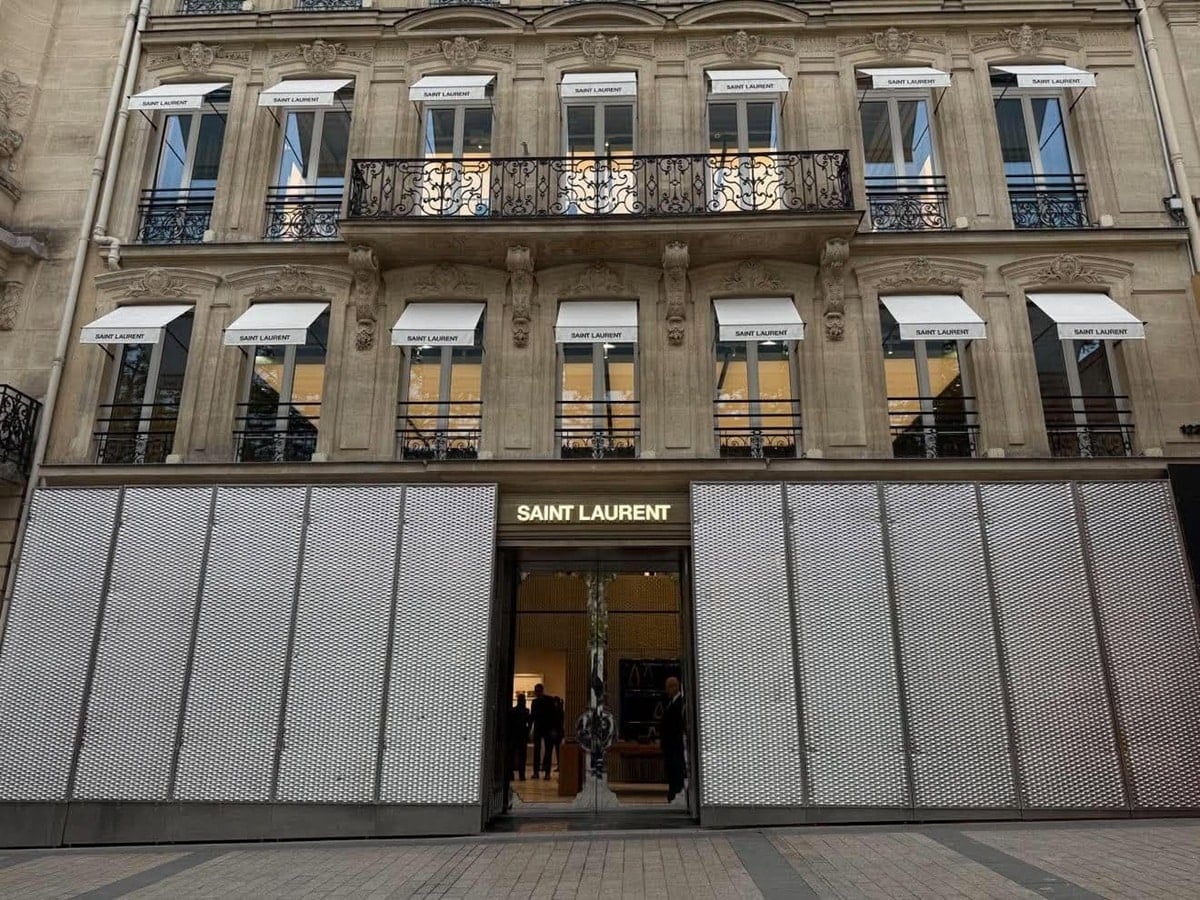
She also noticed that many businesses along the Champs-Élysées had installed metal barriers and protective enclosures over their storefronts. The Louvre was unexpectedly closed on Monday, and Sabine said an 11 p.m. curfew had been introduced, although she wasn’t sure how strictly it was being enforced.
So, does she think people should cancel their upcoming trips to Paris? “If travelers have booked Paris I would say no reason to cancel – at this stage,” she told me. However, she added that travelers who are easily frightened or uncomfortable with uncertainty might be better off postponing.
I think Sabine’s experience illustrates the point I’ve been making about civil unrest. You can have a perfectly enjoyable food tour in one neighborhood while another part of the city is dealing with fires, looting and police activity. The key is knowing where to go, where not to go and being prepared to change your plans at a moment’s notice.
What is the U.S. government advising travelers?
As of October 20, the U.S. State Department has not announced a new nationwide travel warning specifically in response to this weekend’s riots. France remains at Level 2: Exercise Increased Caution, which is the same advisory level that was in place before the latest unrest.
That’s an important distinction. The U.S. government isn’t telling Americans to cancel all travel to France, but that doesn’t mean travelers should ignore what’s happening on the ground.
The State Department advises Americans to remain alert in public places, avoid demonstrations and follow instructions from local authorities. Travelers should also be aware that demonstrations and strikes can disrupt transportation and other services.
You can check the latest information on the U.S. State Department’s France travel advisory page.
What are Canada, the UK and Australia saying?
Whenever I’m traveling internationally, I like to check travel advisories from several governments, not just the United States. Sometimes another country’s foreign affairs department provides more specific information about what’s happening on the ground.
Canada: The Canadian government advises travelers to exercise a high degree of caution in France. Its October 19 update specifically addresses the recent demonstrations and warns that protests have resulted in looting, vandalism, fires and violent clashes with police. It also notes that local curfews are in effect in some municipalities and advises travelers to avoid demonstrations, monitor local news and follow authorities’ instructions.
United Kingdom: The UK Foreign, Commonwealth & Development Office warns that demonstrations and political gatherings can occur with little warning, especially in cities. Even peaceful protests can become dangerous, and industrial action can disrupt roads and public transportation. British travelers are advised to remain vigilant and follow local police instructions.
Australia: Australia’s Smartraveller website was updated on October 20 and continues to recommend exercising a high degree of caution. It specifically mentions the October 17 protests, warns that demonstrations may continue and advises travelers to avoid areas with significant police activity. It also notes that authorities may introduce localized curfews and other public safety measures.
The common message from all four governments is clear: Be cautious, stay informed and avoid demonstrations.
I was just in Paris this summer
My wife, our two children and I spent time in Paris this summer, and we loved it. But even when there aren’t riots, traveling in France requires some advance planning, especially when it comes to transportation and popular attractions.
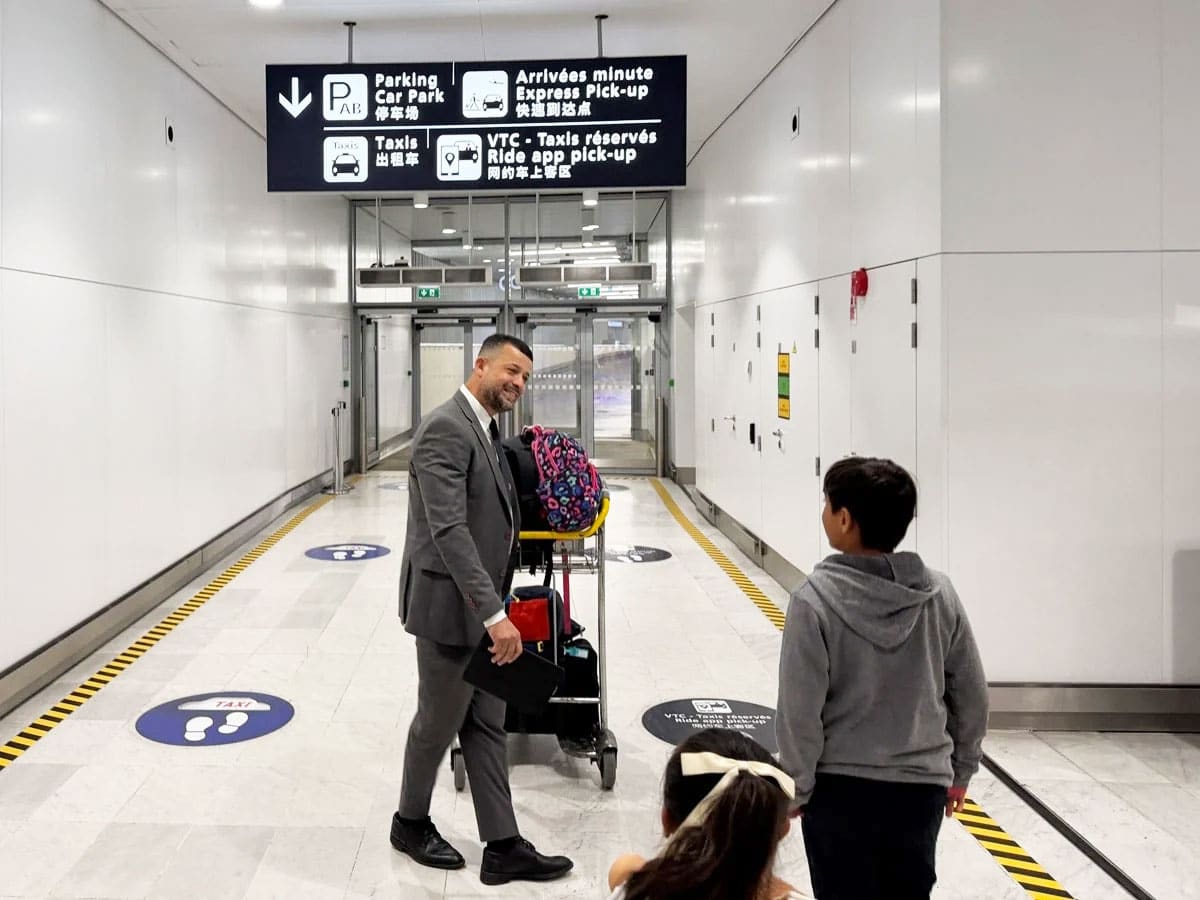
In fact, I wrote about some of these challenges in my 10 things to know about visiting Paris in 2026 post. During our visit, a major rail strike was scheduled for the day we needed to get to Charles de Gaulle Airport for an early flight to Vienna. Rather than risk getting stranded, I arranged a private taxi in advance for €115. It wasn’t cheap, but it gave me peace of mind knowing we had a ride.
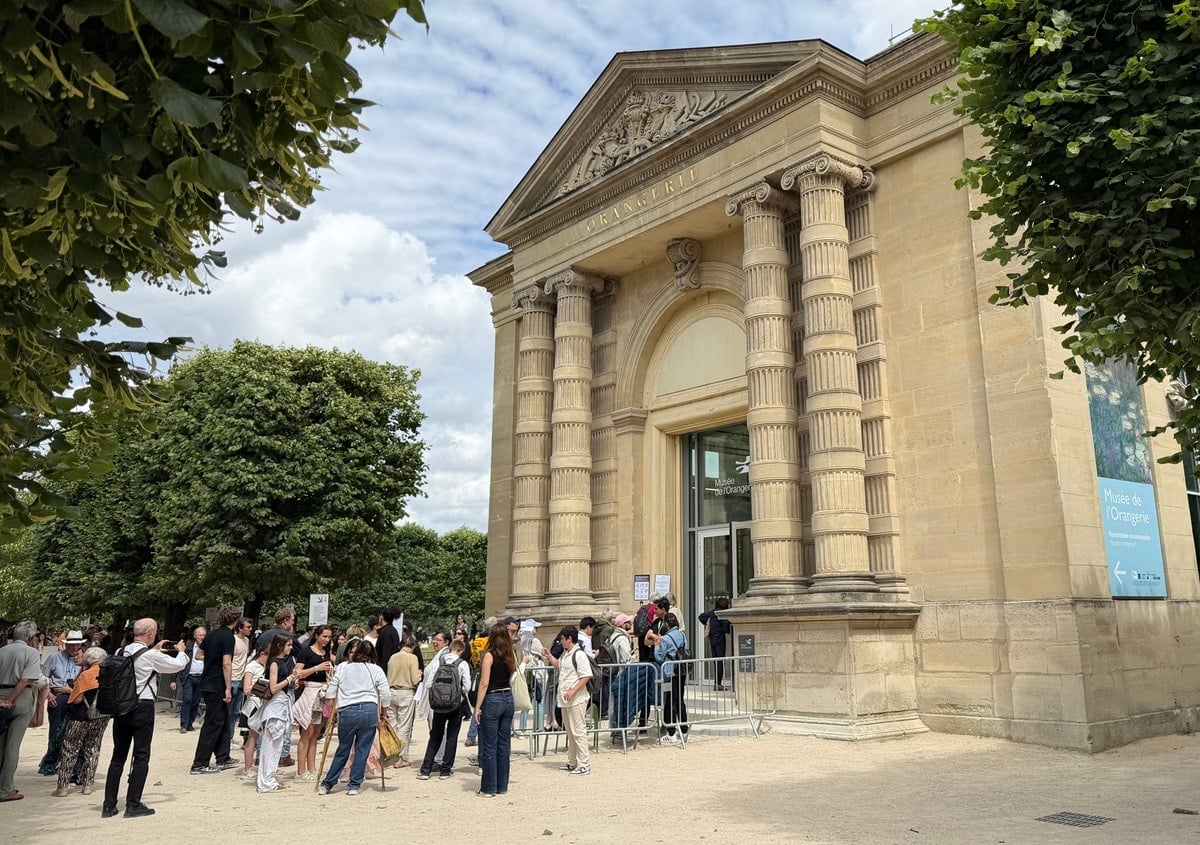
We also nearly missed visiting the Louvre because tickets were sold out. Fortunately, my wife managed to snag the final timed-entry tickets of the day. While waiting in line, I overheard other visitors being turned away because the museum was fully booked. We encountered similar problems at the Musée de l’Orangerie.
That’s why I always recommend checking attractions in advance, even under normal circumstances. With the current unrest, it’s even more important.
I share these experiences because France is an incredible destination, but things don’t always go according to plan. Whether it’s a transportation strike, a museum closure or civil unrest, having a backup plan can make all the difference.
I’ve experienced riots while traveling. Here’s what I’ve learned.
Unfortunately, I know what it’s like to be in a city experiencing civil unrest. I’ve encountered riots or major demonstrations during my travels in Europe and Asia, including Bangkok, Thailand, and I’ve also lived through unrest here at home in Los Angeles.
I was in Los Angeles during the 1992 riots, which were far scarier than the protests and unrest we experienced more recently in June 2025. And one thing I’ve learned over the years is that watching the news can sometimes make it seem as though an entire city is burning down when the violence is concentrated in particular neighborhoods.
During the more recent unrest in Los Angeles, I had friends and family calling and texting because they were so worried about us. From what they were seeing on television, you would have thought the entire city was engulfed in chaos.
But where we live near the beach, life was going on as normal. If we hadn’t been following the news, we might not have known what was happening elsewhere in the city.
That doesn’t mean the violence wasn’t real or that people in the affected neighborhoods weren’t suffering. They absolutely were. My point is that a city as large as Los Angeles, Paris or Bangkok can have serious problems in one area while other neighborhoods remain relatively unaffected.
I remember being in Bangkok during a period of unrest and making sure I stayed far away from the demonstrations. I didn’t go looking for trouble, I didn’t try to get close enough to take photos and I certainly didn’t get involved.
That’s the same advice I would give anyone visiting France right now.
Stay away from protests, large political gatherings and areas where police are responding to disturbances. Even if a demonstration looks peaceful, situations can deteriorate quickly. You don’t want to find yourself caught between protesters and police, especially in a foreign country where you might not understand what’s being shouted or how authorities are directing crowds.
Could this actually be a good time to visit France?
Believe it or not, some travelers see situations like this as opportunities. I’ve already seen people suggesting that now might be a great time to fly to Paris because flights appear to have plenty of empty seats.
One friend recently posted on Facebook that flights between Los Angeles International Airport (LAX) and Paris Charles de Gaulle Airport (CDG) had wide-open availability in every cabin, suggesting it was an excellent time to travel.
For airline employees and other travelers flying standby, lighter passenger loads can make a big difference. And for frequent flyers hoping to score an upgrade, fewer passengers competing for premium seats can sometimes improve their chances.
There could also be opportunities at hotels if cancellations increase and properties begin lowering rates or offering upgrades. Popular restaurants might have more availability and tourist attractions could be less crowded, assuming they’re open.
However, I wouldn’t count on any of those things. One person’s observation about empty seats doesn’t necessarily reflect overall demand, and there are no guarantees that airfares or hotel prices will fall. Similarly, fewer visitors won’t help if an attraction is closed because of protests.
In fact, the Louvre’s temporary closure is a perfect example of why travelers should think carefully before making last-minute plans based solely on the possibility of smaller crowds.
If you’re flexible, comfortable with some uncertainty and willing to change your plans, you might find opportunities. But I certainly wouldn’t recommend traveling into an active trouble spot just to save money or get an upgrade.
My tips for anyone traveling to France right now
If I had a trip to Paris scheduled this week, here’s what I would do before leaving and while on the ground.
1. Check travel advisories every day
Don’t just look at the U.S. State Department’s advisory. Check Canada’s, the UK’s and Australia’s guidance too. Conditions can change overnight, and one government may publish information before another.
2. Stay away from demonstrations
This is my number one piece of advice. Don’t join a crowd to see what’s happening, don’t stop to film confrontations and don’t assume a peaceful gathering will remain peaceful. If you see a large police presence or people gathering for a protest, turn around and take another route.
3. Ask your hotel concierge which areas to avoid
Hotel employees can be excellent sources of local information. Before heading out for sightseeing or dinner, ask whether there are any planned demonstrations, curfews or transportation disruptions near your destination.
4. Check attractions before visiting
The Louvre’s closure shows how quickly sightseeing plans can change. Check official websites and social media accounts for museums, monuments and other attractions before leaving your hotel. If you have prepaid tickets, find out whether refunds or rescheduling are available.
5. Keep an eye on public transportation
Demonstrations can disrupt buses, Metro services, trains and roads, even if your particular neighborhood is calm. Give yourself extra time, especially when heading to the airport or train station. As I learned during our summer visit, having a backup plan is essential. You can read more about that experience in my Paris-to-Vienna flight report.
6. Download your airline’s app and enable notifications
If flights are disrupted, having the airline’s app can make it easier to receive updates and potentially rebook without standing in a long line. I also recommend saving your airline’s official customer service number in your phone before traveling so you don’t end up calling a scam number from a search result. Do the same for your hotel and rental car company.
7. Enroll in STEP and have a backup plan
American travelers should consider enrolling in the State Department’s free Smart Traveler Enrollment Program to receive important information from the U.S. Embassy. I would also make sure my travel insurance covers the situations I’m concerned about, since civil unrest and cancellations due to fear of traveling aren’t necessarily covered.
8. Follow local curfews and police instructions
Don’t assume that because you’re a tourist, the rules don’t apply to you. Curfews can vary by neighborhood and municipality, so ask your hotel or local authorities about any restrictions that might affect your plans.
9. Keep your phone charged and stay connected
Having a working phone is especially important when conditions are changing quickly. Make sure you have international data, whether through your carrier or an eSIM, and carry a portable power bank. During our Paris trip this summer, I used an eSIM to supplement my T-Mobile coverage. I also recommend traveling with a reliable power bank, like the ones from TESSAN, which makes a variety of useful travel charging accessories. You don’t want to be stuck with a dead phone when you need directions, transportation or emergency information, especially if you’re trying to avoid an area where demonstrations are taking place.
10. Have a flexible itinerary
Don’t schedule every minute of your trip, and have alternative activities planned in case a museum closes or a neighborhood becomes difficult to access. If you’re traveling to Europe soon, Natalie also put together a helpful guide on 10 things to do before leaving home for a European trip.
Should you cancel your trip to Paris or France?
If I already had a trip booked to Paris, I wouldn’t automatically cancel just because of the headlines. I would look carefully at where the unrest is happening, whether my hotel is in an affected area, what attractions are open and whether I could safely get around.
There’s a big difference between visiting a city experiencing localized demonstrations and finding yourself in the middle of an active riot. But that distinction can change quickly, which is why monitoring the situation is so important.
I would also take into account who I’m traveling with. If I were traveling alone or with another experienced traveler, I might be more comfortable dealing with unexpected disruptions. If I were traveling with my wife and young children, I would be more cautious, particularly if our plans involved neighborhoods experiencing repeated disturbances.
For travelers who haven’t booked yet, I would think twice before making expensive, nonrefundable reservations until there’s more clarity about how the situation develops.
And if you’re already booked, check your airline’s change policies, hotel cancellation deadlines and travel insurance coverage before making any decisions. Don’t assume that an airline will issue a travel waiver or that your insurance will reimburse you simply because you’re uncomfortable traveling.
The bottom line
France is one of my favorite countries to visit, and after spending time there with my family this summer, I certainly wouldn’t write off Paris or the rest of the country because of these riots. It’s an extraordinary destination with so much to offer, and millions of people visit safely every year.
But the violence is serious, and travelers shouldn’t minimize it simply because some neighborhoods appear calm or flights might be less crowded.
My advice is to be informed, be flexible and use common sense. Avoid demonstrations, listen to local authorities and don’t put yourself in a potentially dangerous situation for the sake of a photo, a sightseeing stop or a good deal.
If you’re planning to visit France in the coming days, keep monitoring the situation closely. You may still have a wonderful trip, but this is definitely a time to pay extra attention to what’s happening around you.