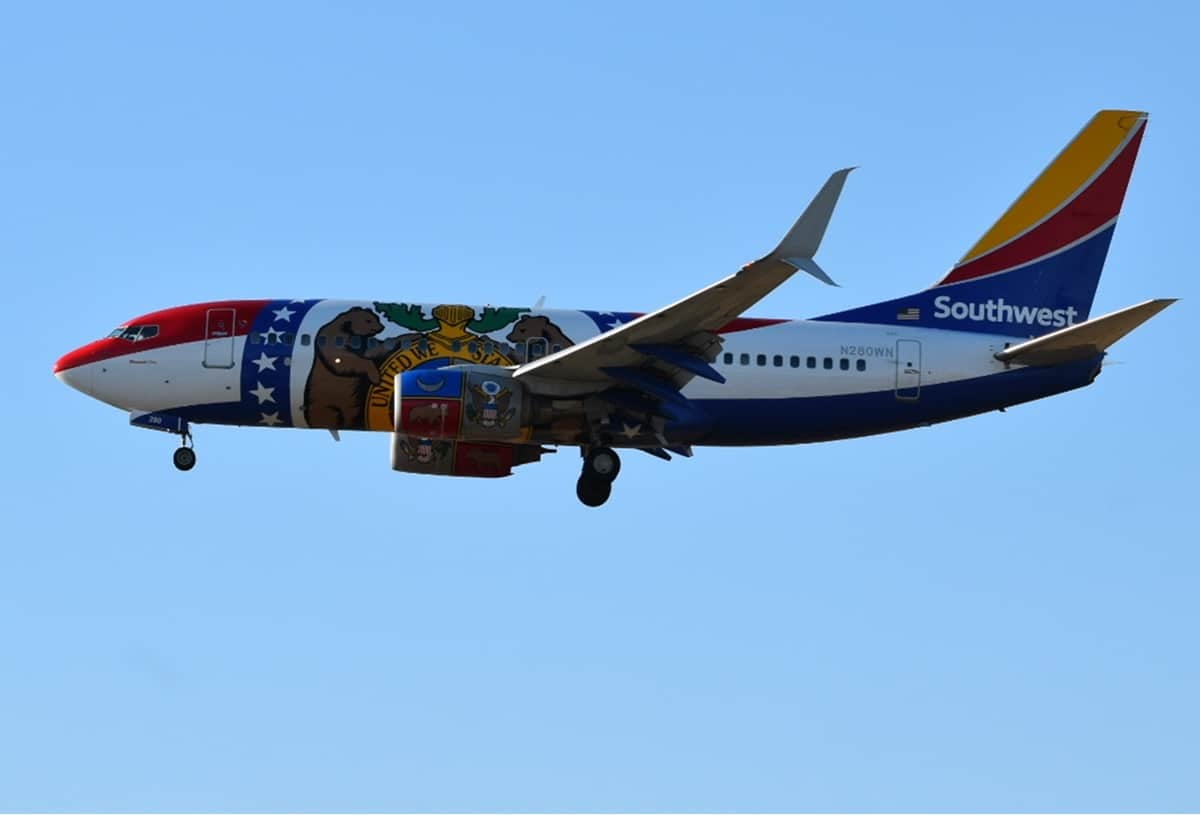
My buddy Mike recently flew Finnair, and I asked him how he liked the airline since my family and I flew Finnair twice over the summer (photo below) and had a good experience.
 His response surprised me. He said he thought they were borderline a low-cost carrier because they charged him €90 ($100 USD) for his checked bag being just three kilograms (about 6.6 pounds) over the weight limit. Ouch.
But I told him that, as painful as the fee was, this one was avoidable. Airline baggage rules can be confusing and vary dramatically from one carrier to another, especially when you’re traveling internationally. That’s why it pays to know the rules before you leave for the airport.
I’ve learned this lesson myself over decades of travel. Here are five things I do to avoid getting hit with overweight baggage fees.
 1. Research the airline’s baggage policies
 1. Research the airline’s baggage policies
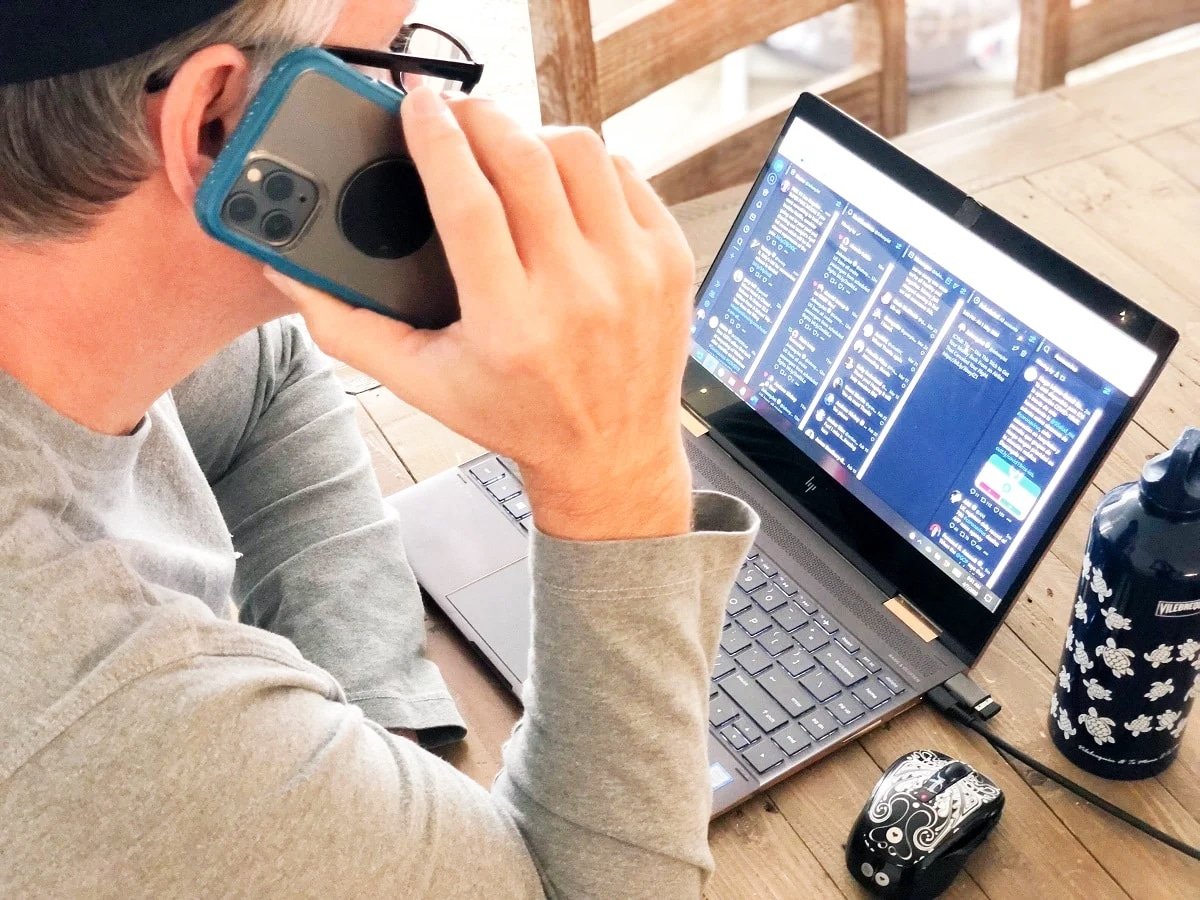
Before you start packing, find out exactly what your airline allows. Don’t assume the rules will be the same as the airline you flew last time. Baggage allowances can vary by airline, route, fare type and cabin, and the limits for carry-on bags can be especially different when flying international carriers.
Check both the size and weight limits for your checked and carry-on bags. And if you’re connecting between different airlines, make sure you understand which carrier’s baggage rules apply to your itinerary. A few minutes of research at home can save you an expensive surprise at the airport.
2. Weigh your bags before leaving home
 2. Weigh your bags before leaving home
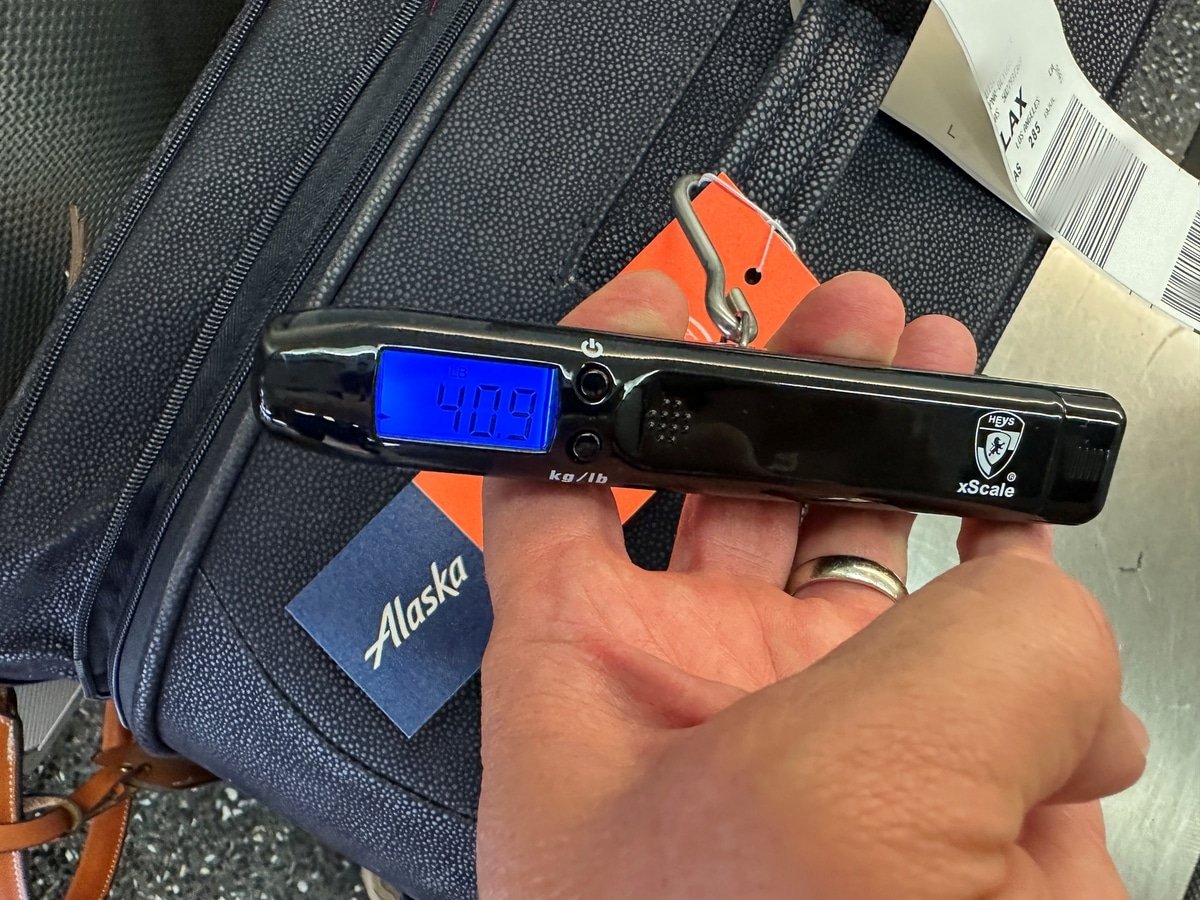
I always weigh our checked bags before heading to the airport. You can use a regular bathroom scale. Weigh yourself first, then step back on while holding your suitcase and subtract the difference.
But an even easier solution is a small handheld luggage scale. They cost around $10, weigh almost nothing and can potentially save you a lot more than they cost.
When I’m traveling with my family, I keep one in my carry-on because the bigger problem often isn’t the flight to our destination. It’s the flight home after we’ve accumulated souvenirs, clothes and other purchases. When I’m traveling alone, I rarely check a bag, so it’s usually not an issue.
 3. Pack a collapsible bag
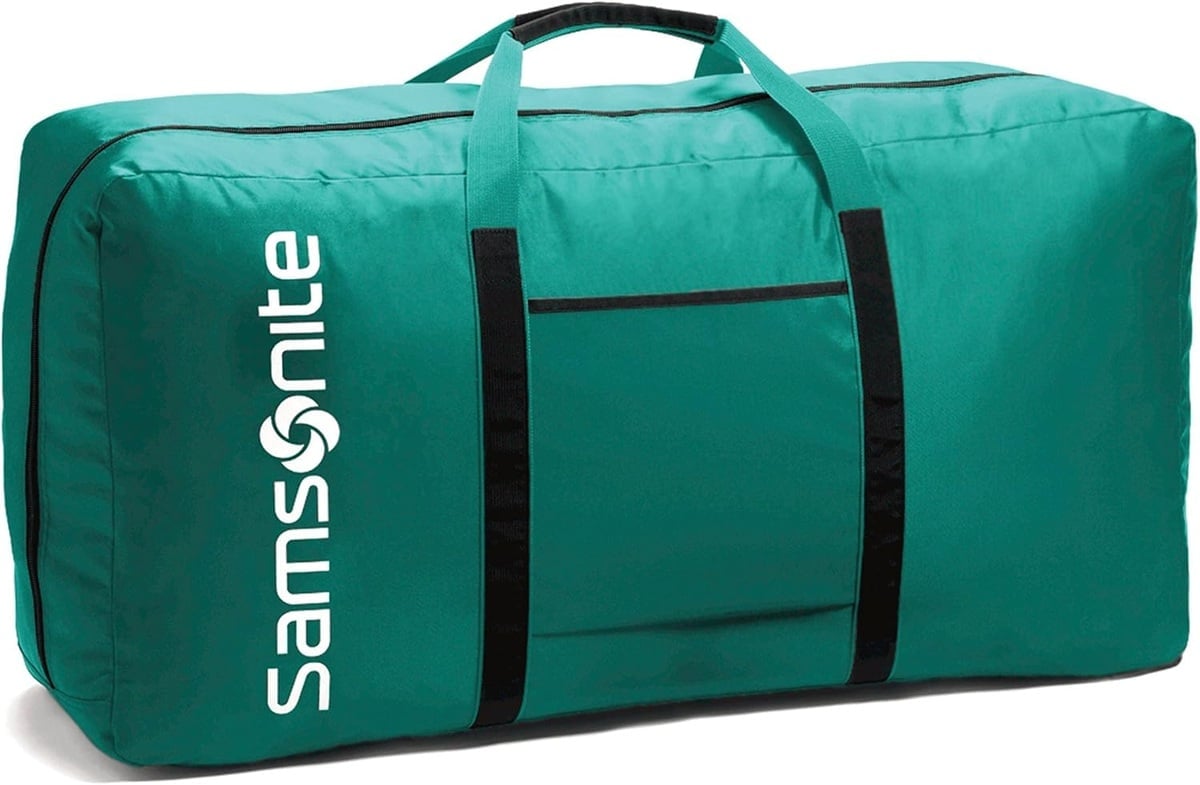
If there’s any chance you’re going to shop on your trip or bring home more than you left with, pack an extra collapsible bag. You can put it inside your checked suitcase on the outbound trip and pull it out if you need additional space coming home.
One inexpensive option is the Samsonite Tote-A-Ton 32.5-Inch Duffel Bag. At the time of writing, it’s 56% off and costs just $19.61.
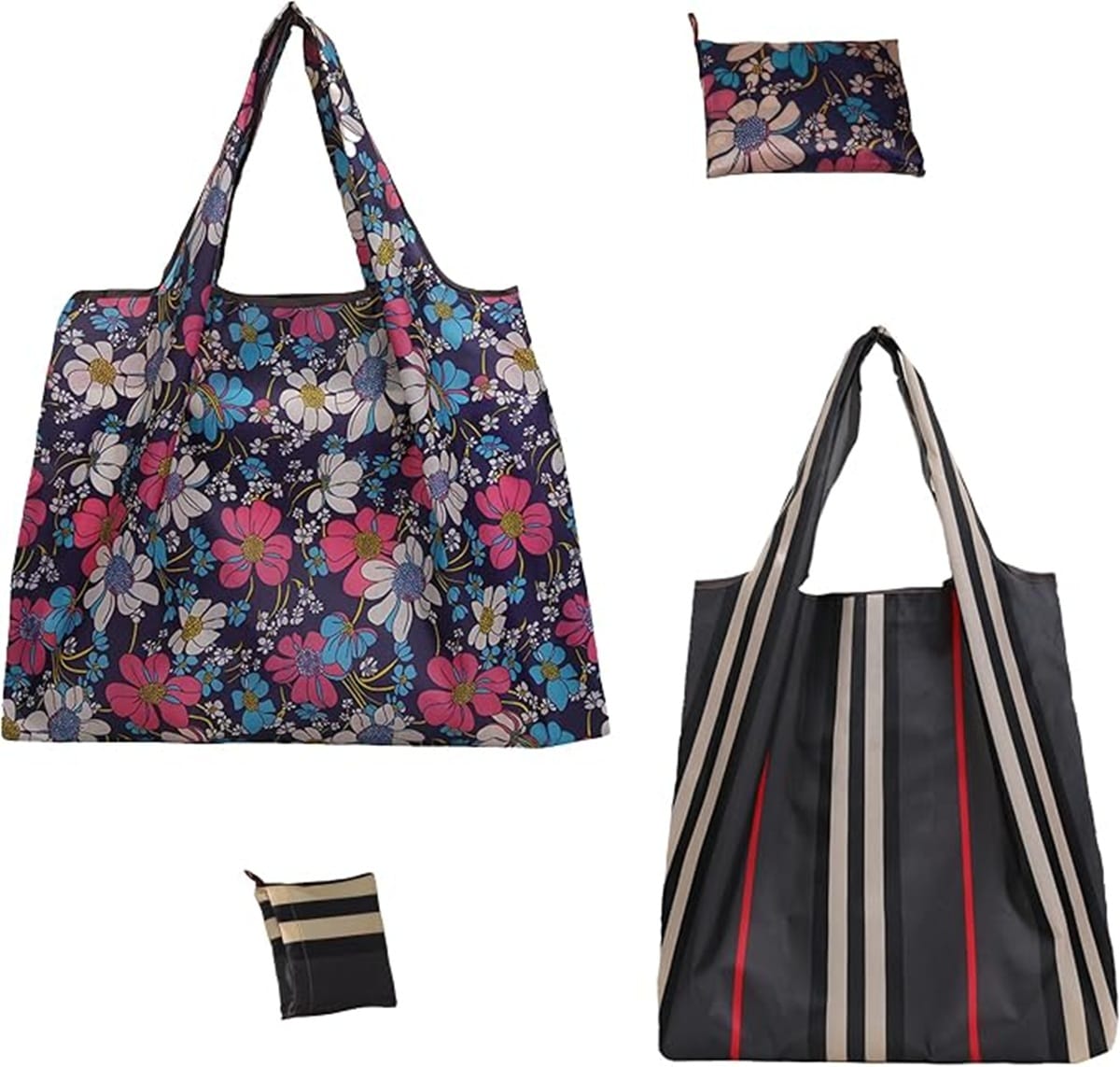 I also carry a much smaller pocket-size reusable bag in my carry-on. I primarily use it when shopping at grocery stores while traveling, but it can also come in handy if I need to take a few heavy items out of a checked suitcase at the airport and carry it on.
 4. Use packing cubes to stay organized
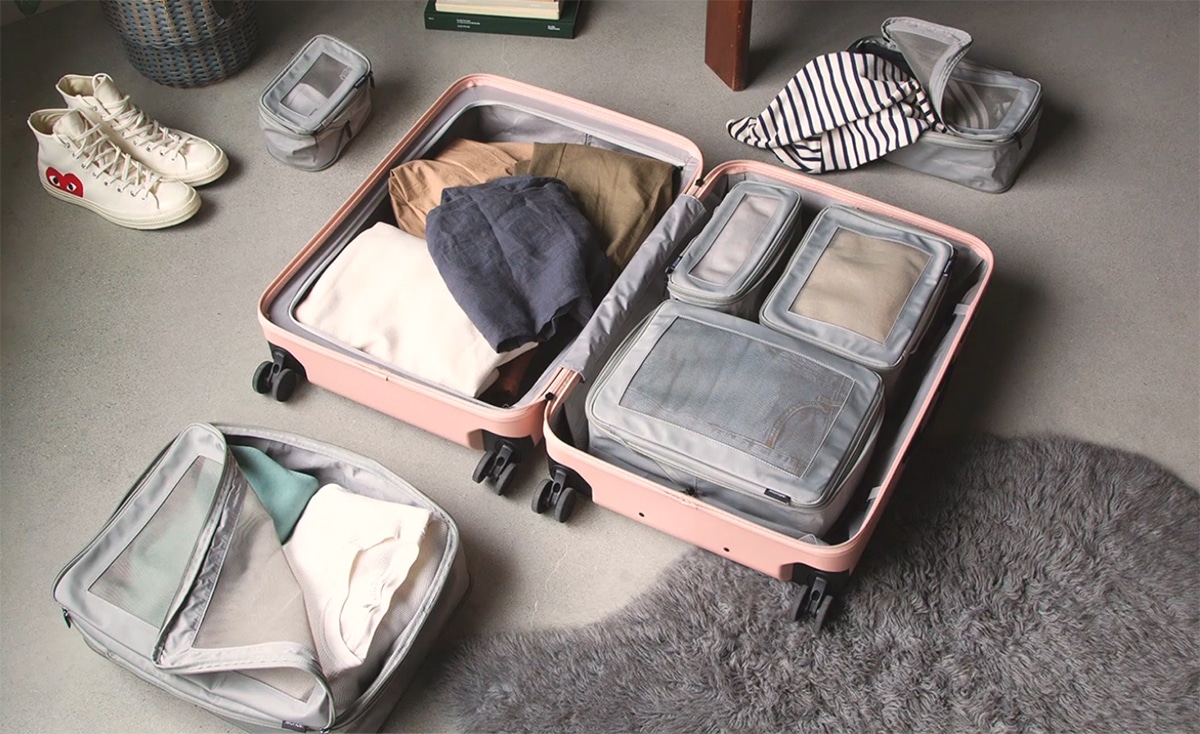 4. Use packing cubes to stay organized
My wife turned me on to packing cubes, and they’re especially useful when you’re traveling with multiple people or carrying a lot of stuff.
When I’m traveling carry-on only, I don’t usually bother with them. But when we’re traveling as a family, which is often, packing cubes are key. Our young kids have already traveled to more than 30 countries, so we’ve had plenty of practice figuring out what works. Each person has their own packing cube, and my wife usually has two, including one for shoes.
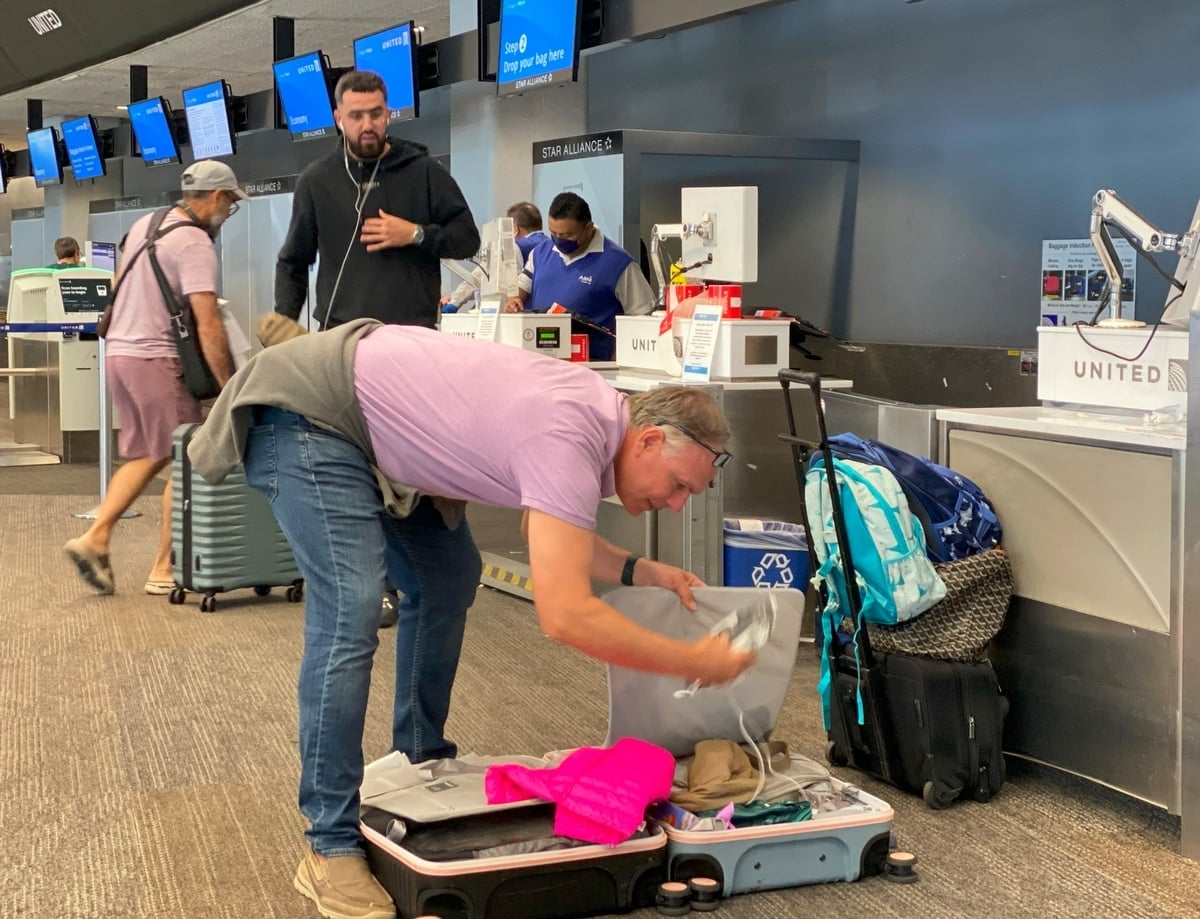
Packing cubes don’t magically make your suitcase lighter, of course, but they make it much easier to organize and redistribute items between bags if one suitcase is approaching the airline’s weight limit. That’s a lot better than opening your suitcase on the airport floor and digging through underwear while everyone in the check-in line watches.
 5. Wear a jacket or vest with lots of pockets
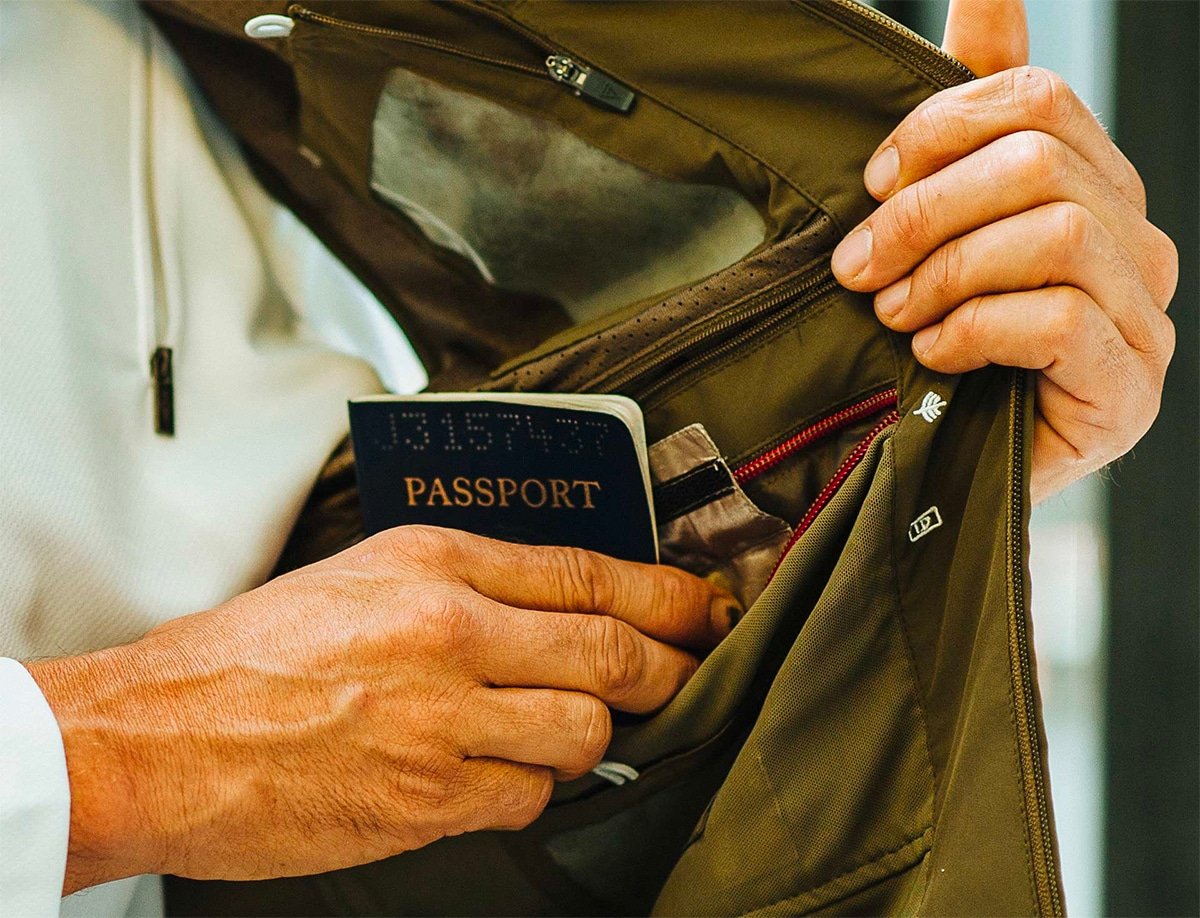 5. Wear a jacket or vest with lots of pockets
This is one of my favorite tricks when flying airlines with strict carry-on weight limits. I often travel with a Scottevest because its numerous pockets allow me to carry heavier items like electronics, chargers, a water bottle and other gear on my body instead of stuffing everything into my carry-on.
This can be particularly helpful when flying an airline that weighs carry-on bags at check-in or again at the gate. You don’t necessarily need an expensive travel vest, either. A basic fishing or utility vest with multiple pockets for a fraction of the price can accomplish the same thing.
Obviously, use common sense and don’t turn yourself into a walking suitcase. But moving a few of your heaviest small items from your bag to your pockets can make the difference between being under or over an airline’s carry-on weight limit.
 I’ve learned this lesson the embarrassing way
 I’ve learned this lesson the embarrassing way
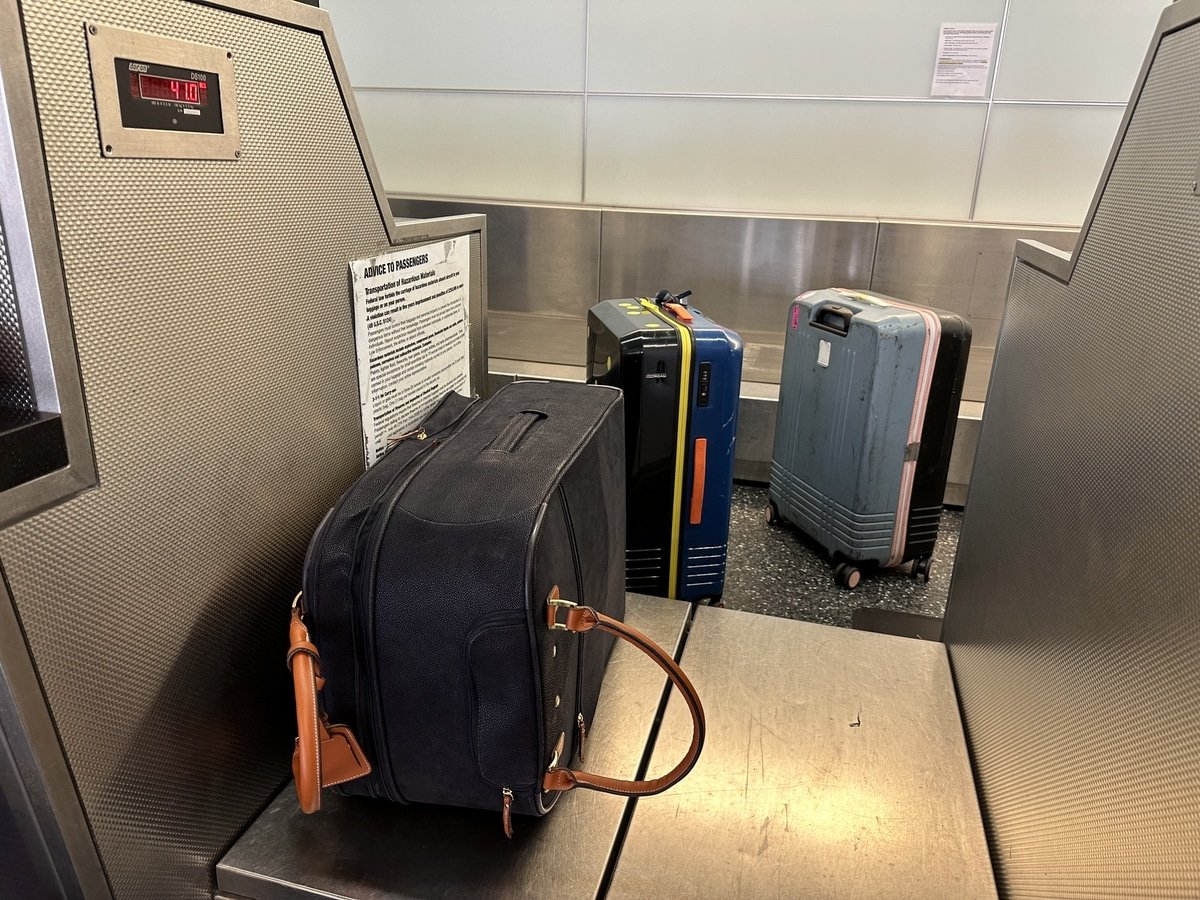
Believe me, I know how frustrating baggage weight limits can be. I’ve had to open our suitcases and reorganize everything right at the check-in counter more times than I’d like to admit. Here are photos of us doing exactly that at San Francisco International Airport (above) and Toronto Pearson (below).
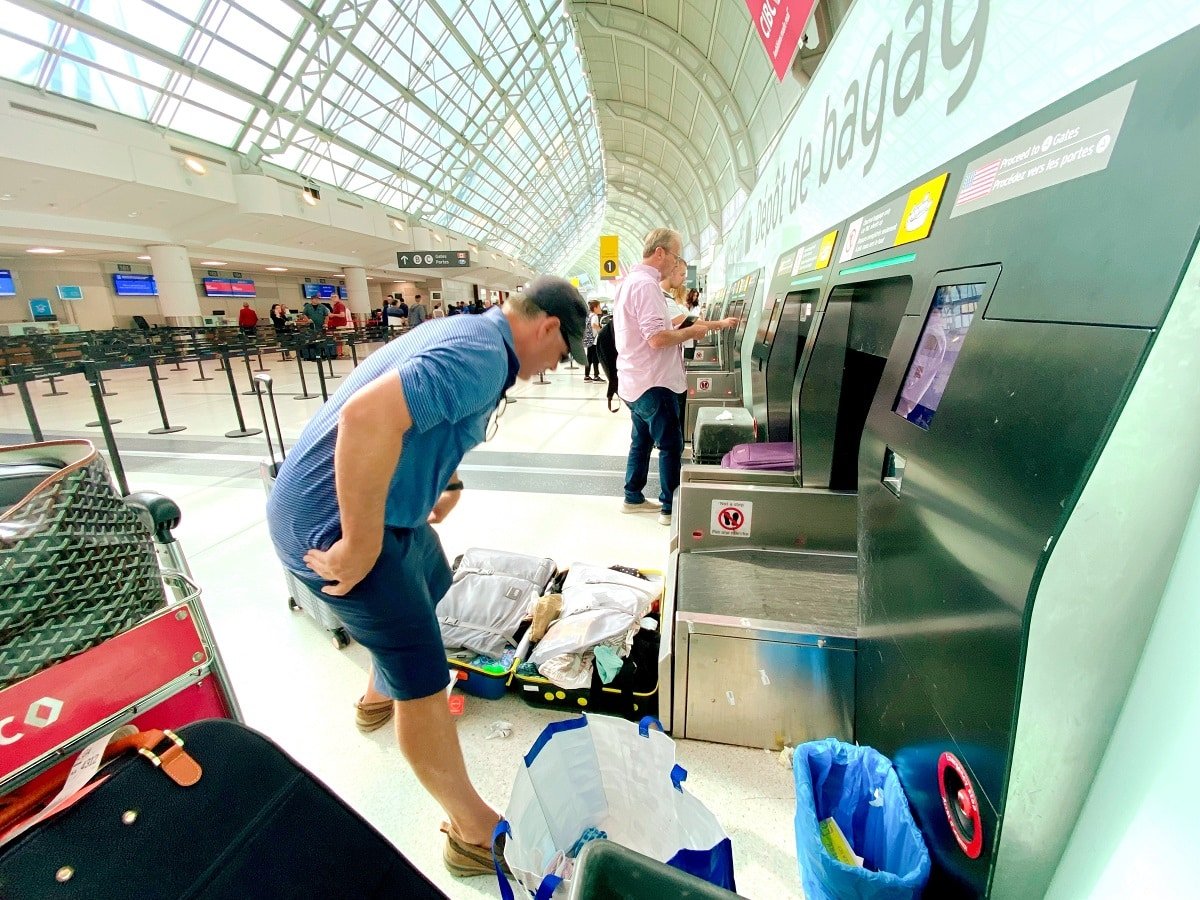 After a couple of those embarrassing encounters, I learned my lesson.
Know your airline’s rules, weigh your bags before leaving, leave yourself a little cushion and have a backup plan in case your luggage is heavier on the way home.
If my buddy Mike had done just one or two of these things before his Finnair flight, he might have saved himself $100.