This article was produced in partnership with TESSAN and contains affiliate links. We may receive compensation if you click on or make purchases through those links.
After a long travel day, sometimes the first thing you want to do when you walk into your hotel room is drop your bags, sit down and relax. But as tempting as that is, I’ve learned that spending about 15 minutes getting acquainted with the room and getting organized can save a lot of time and frustration later.

Because inevitably, if I don’t do it, I’ll be searching for a laptop charger when I’m trying to get some work done, digging through a suitcase for my e-reader at bedtime or realizing the kids’ tablets are at 4% just as we’re heading to the airport.
So before I fully unpack and settle in, I take a few minutes to get the lay of the land and create a temporary home base for the next few days. I check the important things first, connect to the Wi-Fi, figure out where everything is and then give the things we’ll use regularly a designated spot. Chargers get plugged in, devices get set up and essentials are put somewhere easy to find. It doesn’t take long and it makes the whole stay run more smoothly — not just for me, but for my family, too.
First, do a quick safety check
First things first: Safety. Take a minute to look at the emergency evacuation map, which is typically posted on or near the hotel room door. Figure out where the nearest emergency exit and stairwell are so you know which direction to go if you ever need them.
It’s one of those things you hopefully never have to think about again, but it’s worth doing when you arrive rather than trying to figure it out during an actual emergency.
Then, do a quick sweep of the room. Make sure the door closes and locks properly, check that any windows or balcony doors are secure and locate the in-room safe. This is also a good time to spot anything that needs to be addressed right away — a broken lock, a safe that doesn’t work, a maintenance issue or anything else you’d rather have the hotel take care of before everyone unpacks and settles in.
Connect to Wi-Fi now, not when you desperately need it
Next, get your phone, laptop and other devices connected to the hotel Wi-Fi. This might sound obvious but I can’t tell you how many times I’ve skipped this step and then tried to jump onto my computer later for a meeting or to send something quickly, only to discover that I don’t know what the hotel Wi-Fi password is. Get it out of the way when you arrive and don’t forget to connect on all your devices and your kids’ devices at the same time.
Set up the things you’ll use every day
Rather than leaving my electronics scattered throughout my carry-on and suitcase, I pull out the things I know I’ll want during the stay: my laptop, iPad, headphones and e-reader, along with any other everyday tech.
I put my bedtime essentials on or near the nightstand and set up my laptop wherever I’m most likely to work. I’ll unpack my toiletries in the bathroom so I’m not rummaging through my bag late at night looking for my toothbrush and toothpaste. The point isn’t to completely unpack every item you brought. It’s to eliminate the annoying little searches that happen repeatedly during a trip.
The same principle works beyond electronics. Pick one place for your room key, sunglasses and other small essentials. If you’re traveling internationally, you can designate a safe spot for passports and other important documents. The fewer random places you put things, the less likely you are to spend 10 minutes tearing apart the room looking for them.
Create a nightstand charging station
Hotel room outlets can be unpredictable. Sometimes there are plenty. Other times, the only conveniently located outlet is hiding behind a nightstand. That’s why one of the first things I do is set up charging next to the bed.
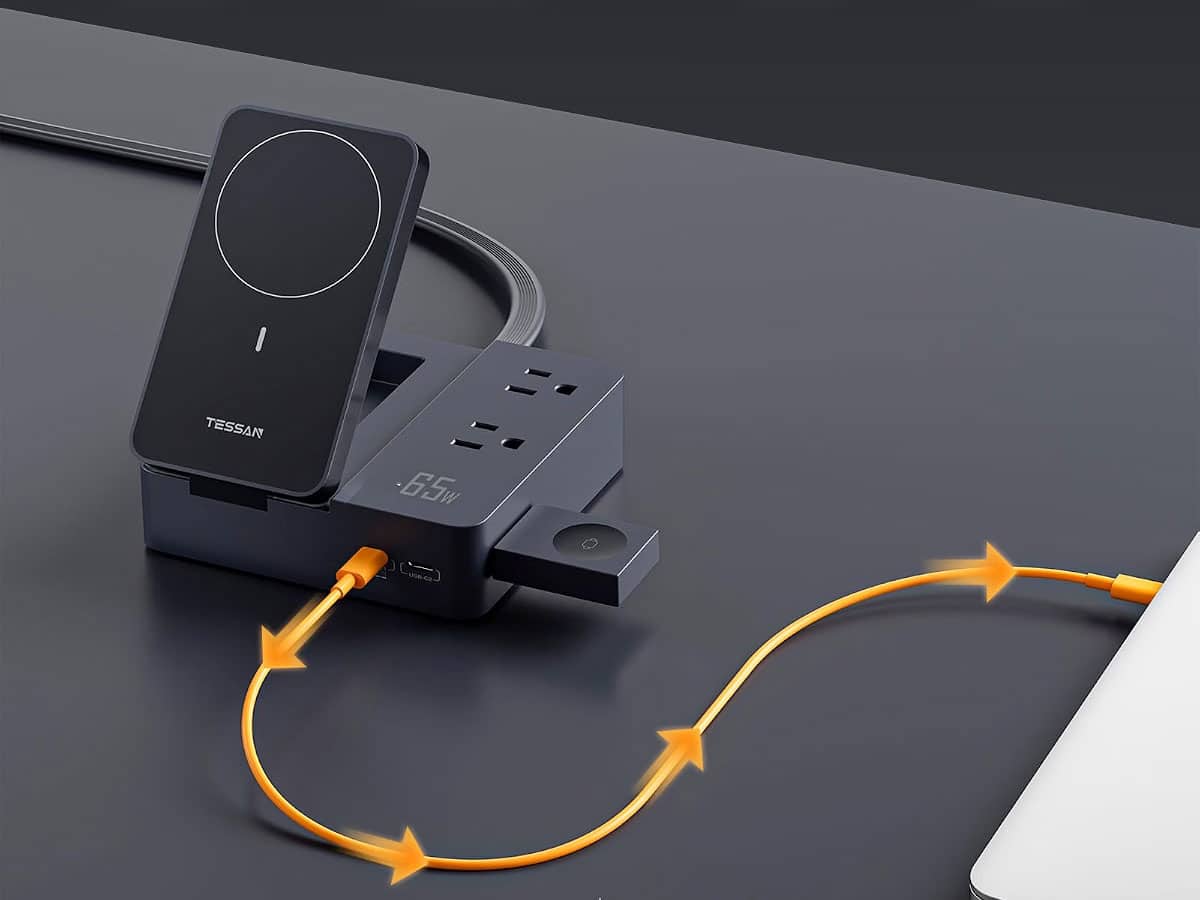 The TESSAN 65W Charging Station is especially useful for a hotel nightstand because it combines multiple charging options in one compact setup. It has two AC outlets, two USB-C ports and a USB-A port, along with a magnetic wireless phone charging stand and an Apple Watch charger. The USB-C1 port can deliver up to 65W when used on its own, which makes it useful for larger devices like a laptop or iPad as well as a phone.
Instead of having cables running to outlets all over the room, I can keep the things I use at night right where I want them. My phone can charge beside me, my e-reader can be plugged in and my headphones can be ready for the next day. There’s another benefit: When most of your electronics live in one designated area, you’re less likely to leave one behind.
Designate a family charging hub
When you’re traveling as a family, the number of devices that need charging multiplies fast. Phones are just the beginning. There are tablets, headphones, smartwatches, e-readers, portable fans and whatever else everyone has brought along.
Instead of letting each person claim an outlet somewhere around the hotel room, I like creating one central charging hub.
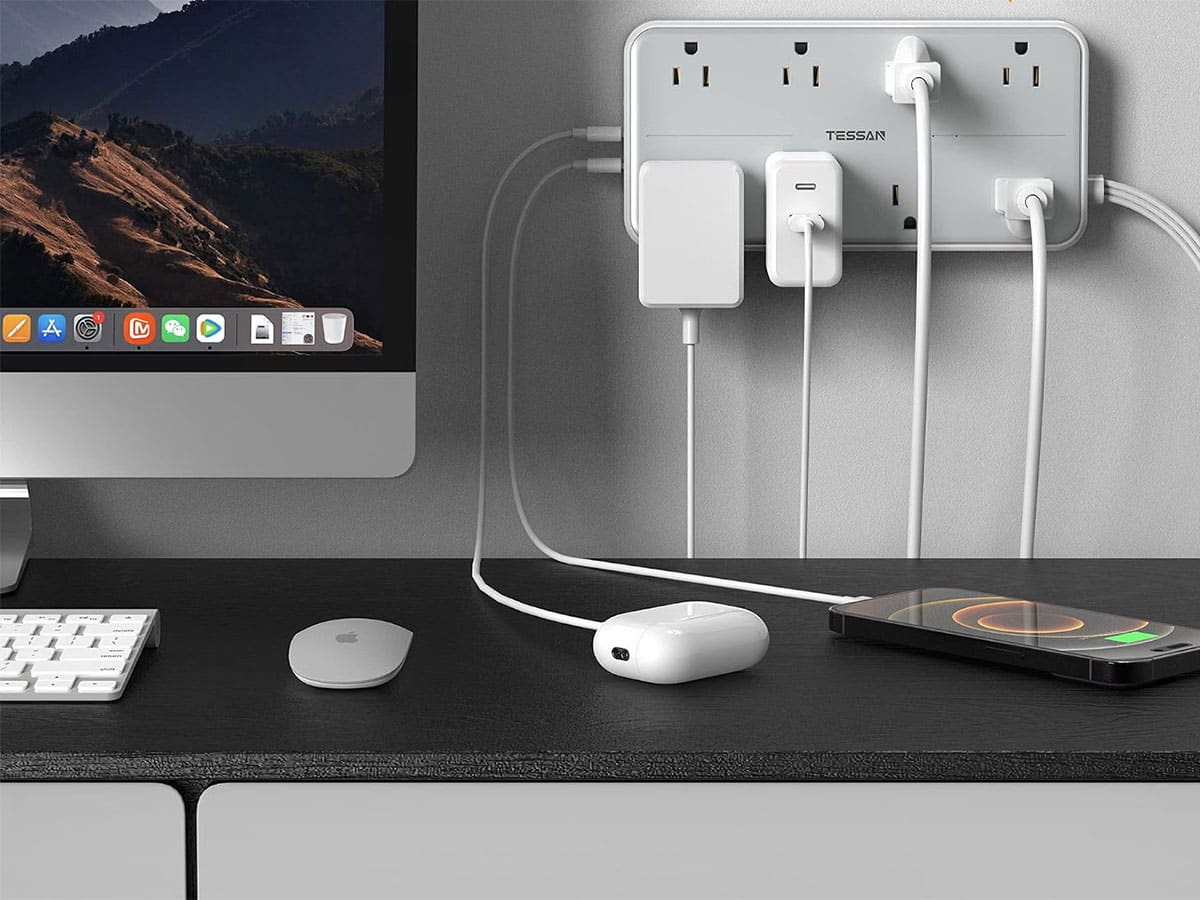 The TESSAN Power Strip Surge Protector works particularly well for this because it turns one wall socket into eight AC outlets plus three USB ports, including one USB-C port. It also has a six-foot extension cord and a slim flat plug, which is helpful when the hotel’s best outlet isn’t anywhere near where you actually want your devices.
Set it up on a desk or another convenient surface and you’ve got a dedicated place for everyone to plug in.
There’s also a nice side benefit in the morning: instead of asking, “Where’s your tablet?” or “Did you charge your headphones?” everything is sitting together in one spot.
Label everyone’s chargers
This is such a simple travel trick, but it’s something I started doing about five years ago and it’s worked so well: label your charging cables.
You don’t need anything fancy. A label maker works of course, but a small piece of a Post-it note secured with clear tape does the job, too. Write each person’s name on their chargers before the trip. I like to use neon-colored Post-it notes in different colors because it’s easier to see them quickly.
This is especially helpful when traveling with kids because identical white USB-C cables quickly become impossible to distinguish. But the biggest payoff comes when you’re packing to leave.
Instead of staring at a pile of mystery cables and wondering whether everything is accounted for, you can quickly see: Mom, Dad, Kid No. 1, Kid No. 2. If someone’s charger isn’t there, you know exactly what you’re looking for before you check out.
Keep your international adapter accessible
If you’re traveling internationally, don’t bury your travel adapter at the bottom of your suitcase. Pull yours out during your initial room set-up so you know exactly where it is. In fact, it can be worth traveling with more than one, particularly for a family. There are just too many things that need power these days to spend a trip passing one adapter back and forth.
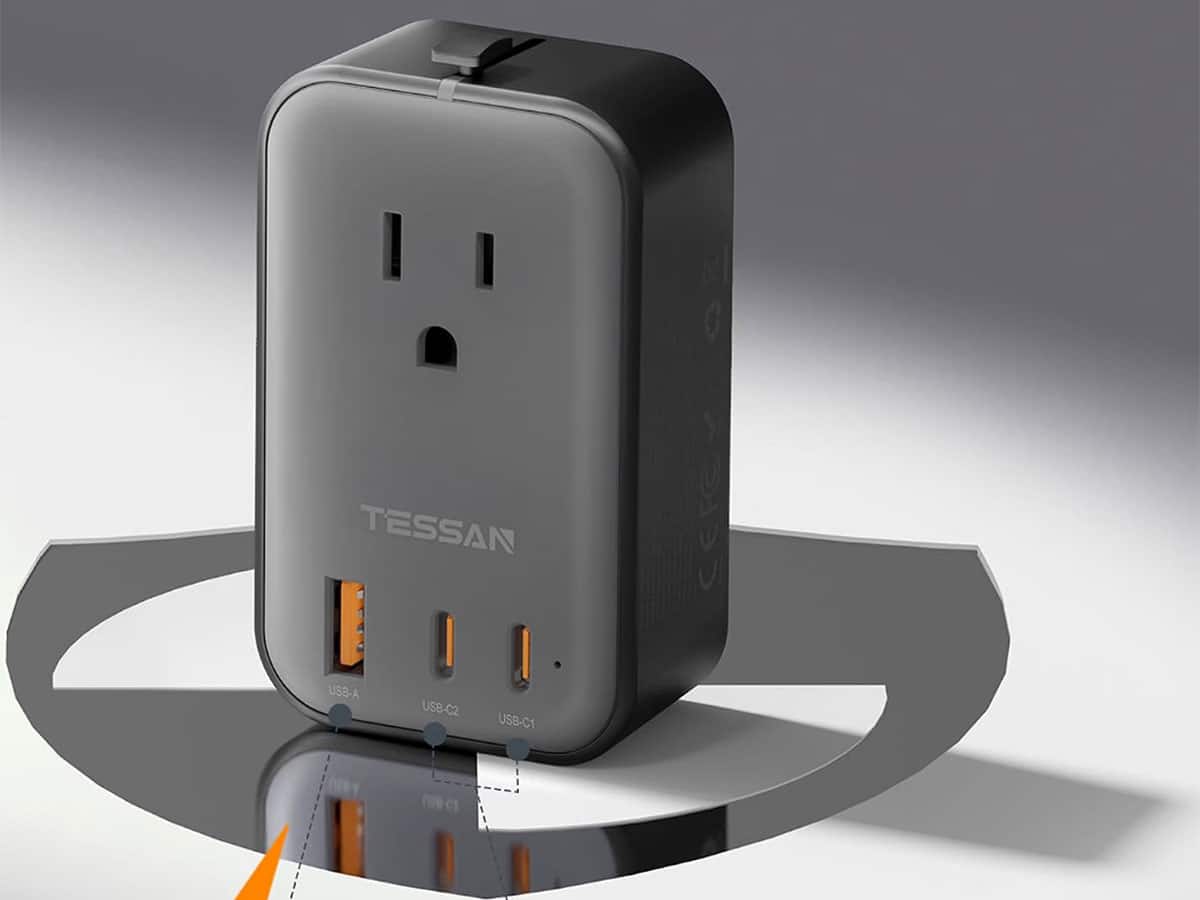 The compact TESSAN Universal Travel Adapter works in more than 150 countries and incorporates Type A, C, G and I plugs. It has one AC outlet, two USB-C ports and one USB-A port, allowing you to charge up to four compatible devices at once.
One important thing to remember: a plug adapter is not the same thing as a voltage converter. This TESSAN adapter does not convert voltage, so always check that whatever you’re plugging into it supports the voltage at your destination, especially appliances such as hair dryers, straighteners and curling irons.
Make checkout easier
While you’re getting settled, it’s also worth thinking about the other end of your stay: checkout. Hotel rooms have a funny way of swallowing things, especially once everyone has unpacked and made themselves at home.
Try to keep easy-to-forget items in predictable places rather than scattering them around the room. Passports should have one secure home, shoes should remain by the door, not kicked under a bed, and souvenirs and new purchases are better put straight into your suitcase, rather than tucked into drawers and closets.
In fact, as tempting as hotel drawers may be, I try not to use them for small items at all. Out of sight really can mean out of mind and every drawer you use becomes one more place you have to remember to check when you’re trying to get everyone out the door.
A few minutes now makes the whole stay easier
That’s really the point of this 15-minute routine. You’re not trying to perfectly organize a hotel room or spend the beginning of your vacation setting up elaborate systems. Just try to make the room work better for you and your family from the start.
Spend those few minutes getting settled intentionally and then forget about it. Hopefully, when checkout day rolls around, you’ll spend a lot less time searching under beds, opening every drawer and asking, “Has anyone seen my charger?”