The Truth About Social Media Screening
One of the most talked-about developments in recent weeks has been the government’s proposal to require travelers from Visa Waiver Program countries to submit their social media handles. According to Hansen, the media narrative has outpaced the actual policy. The change applies only to the 42 countries in the Visa Waiver Program and simply makes mandatory a field that already exists on the ESTA application. “They’re just going to take what is an optional portion of the application today, providing your social media accounts, and make that mandatory,” he said.
Crucially, Hansen stressed that this is not about reviewing posts, opinions or personal content. “It’s not going to be CBP going back through your posts, seeing what you’ve liked, or looking at your baby pictures,” he said. Instead, social media functions as an identifier, much like a phone number or email address, used to cross-reference existing intelligence databases. Still, Hansen acknowledged that the optics are damaging. “The perception of this policy is going to be worse than the policy itself,” he said, particularly when applied to close allies such as the UK, France and Germany. “The message it sends is the most concerning thing.”
When Perception Becomes Policy
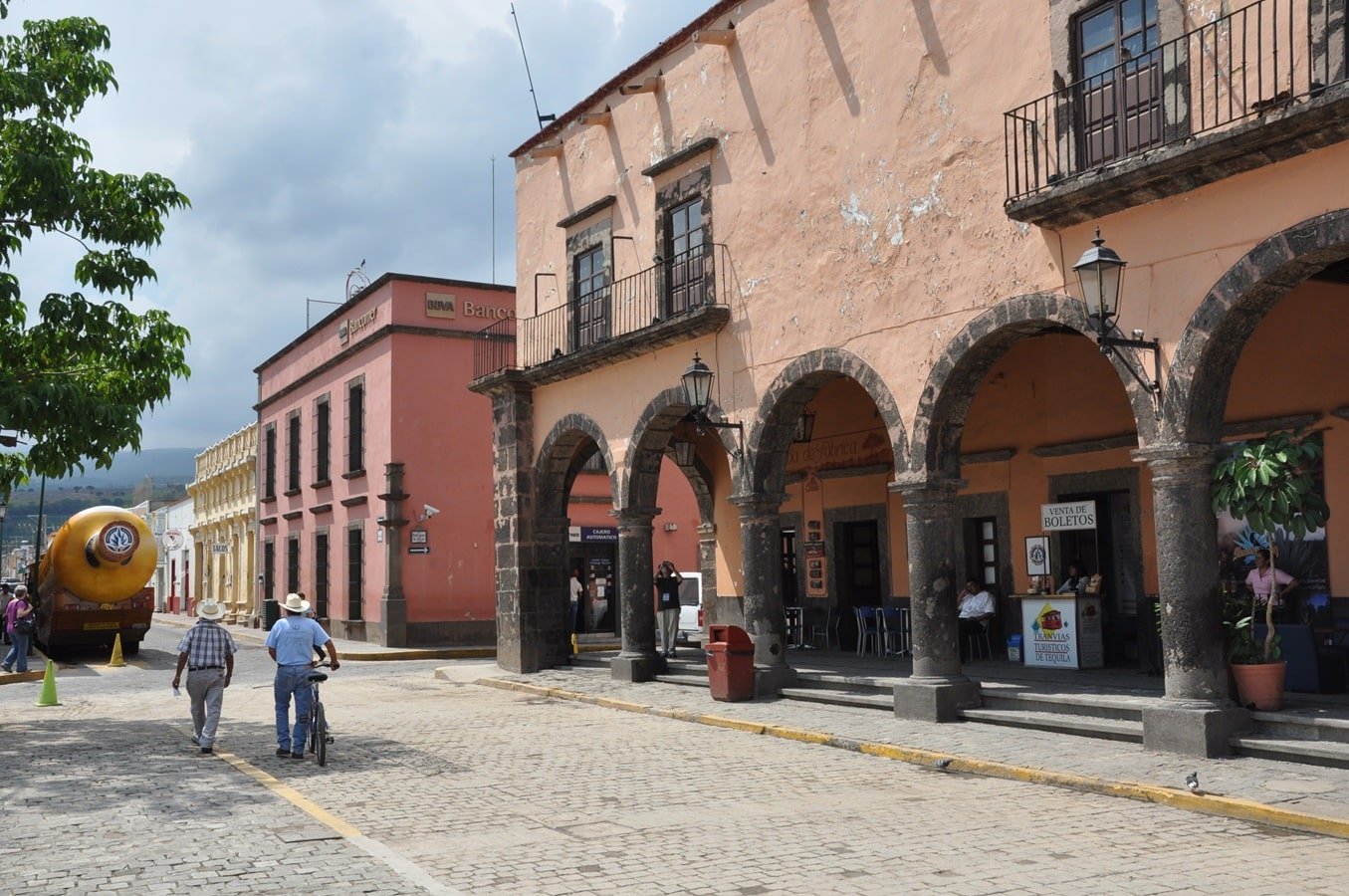
That issue of perception and how profoundly it affects travel behavior, came up repeatedly during our conversation. While some international markets are holding steady or even growing, one country stands out for the wrong reasons: Canada. Despite being the United States’ largest inbound travel market, Canadian visitation has fallen sharply. “If you took Canada out of the data, international travel to the United States would actually be up about 1.2 percent,” Hansen said. “The decline from Canada…has been absolutely devastating.”
The economic implications are enormous. Canadians visiting the U.S. and spending money in hotels, restaurants, and retail stores represent one of America’s most valuable exports. “It’s our sixth-largest export to Canada,” Hansen noted. What began as a trade dispute has evolved into something more corrosive; a widespread sense among Canadians that they are no longer welcome. “This isn’t a policy problem,” Hansen said. “It’s a perception problem. And perception is much harder to change.”
Why Winning Back Canada Matters So Much
Reversing that damage, Hansen believes, will require a sustained effort far beyond a single policy fix. “It’s going to take a welcome campaign from the highest levels of government down to the businesses serving Canadians when they’re here,” he said. Without it, the U.S. travel industry risks losing one of its most essential and reliable customer bases. “This industry can’t survive and prosper without our Canadian friends,” Hansen added.
TSA Is Improving But the Clock Is Ticking
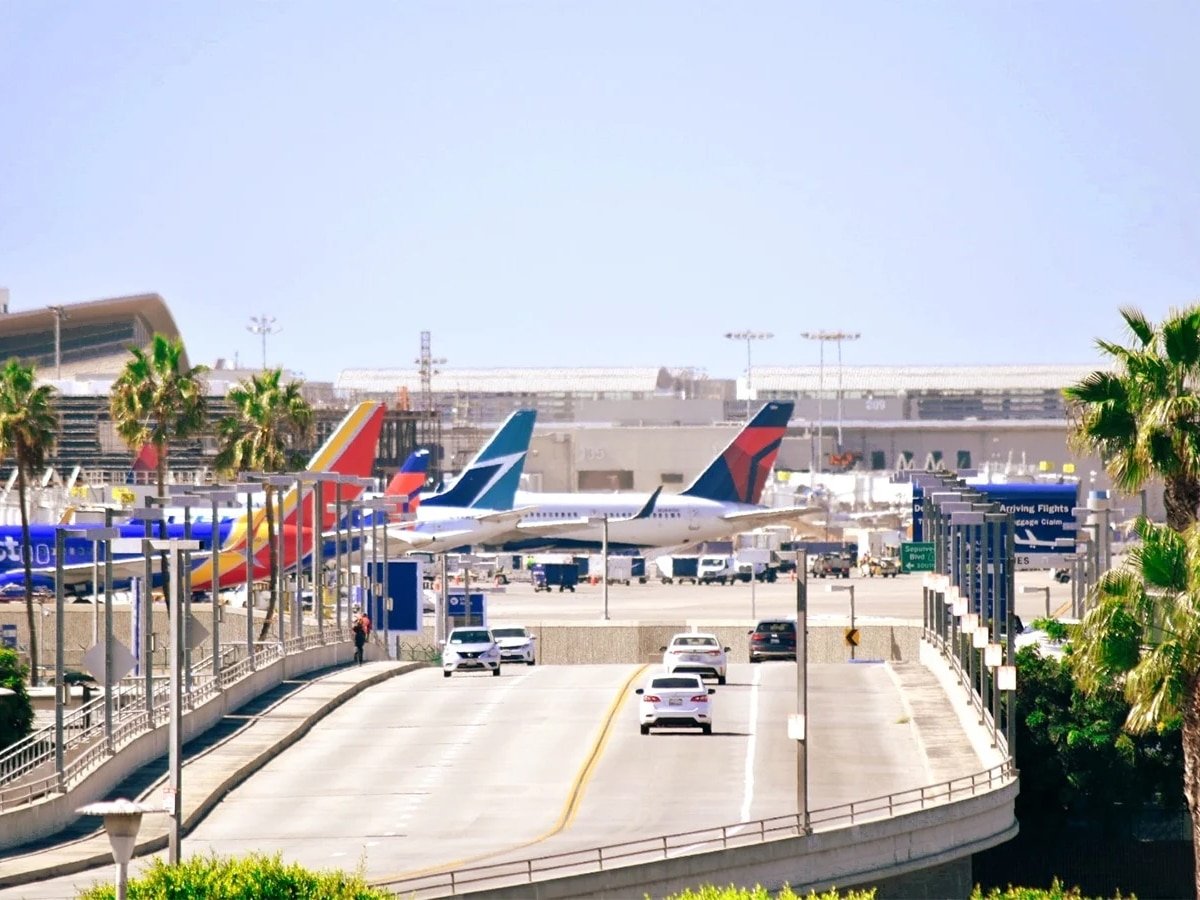
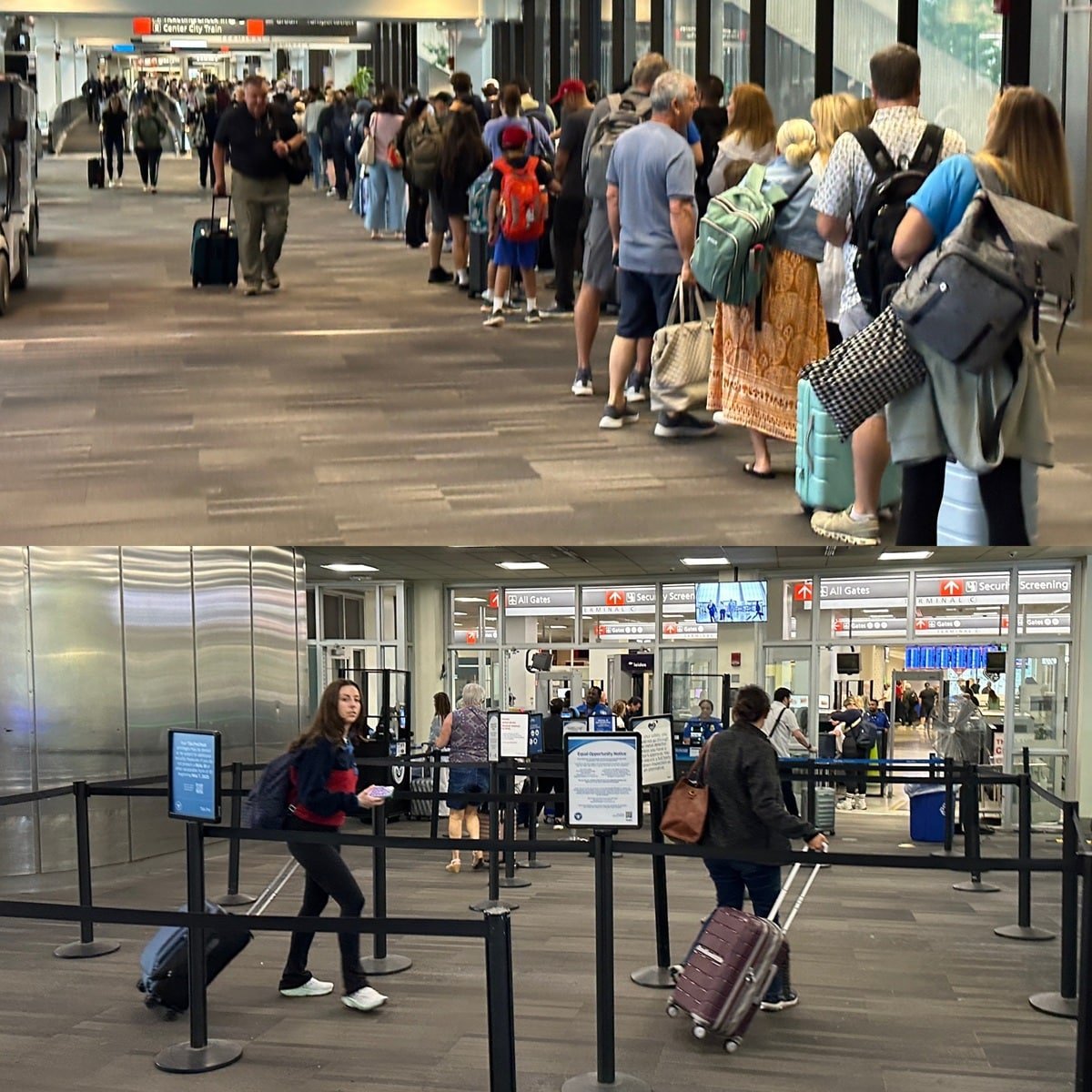
Domestically, travel demand remains strong, but frustrations around airport security continue to erode the experience. Hansen praised recent steps by the Department of Homeland Security, including family screening lanes and eliminating the long-standing requirement to remove shoes at TSA checkpoints. “We probably should have done that years ago,” he said, calling it one of the most effective changes for travelers.
Yet some of the most meaningful improvements, particularly lifting liquid restrictions, remain stalled by underinvestment. While the technology already exists to safely allow full-size liquids, Hansen said the U.S. is acquiring it at a painfully slow pace. “At the rate we’re buying these scanners today, we won’t have them in every airport until 2049,” he said. Meanwhile, Europe is moving ahead. “They’re going to do this next year,” Hansen added. “We’re falling behind.”
 Border Bottlenecks and the Global Entry Advantage
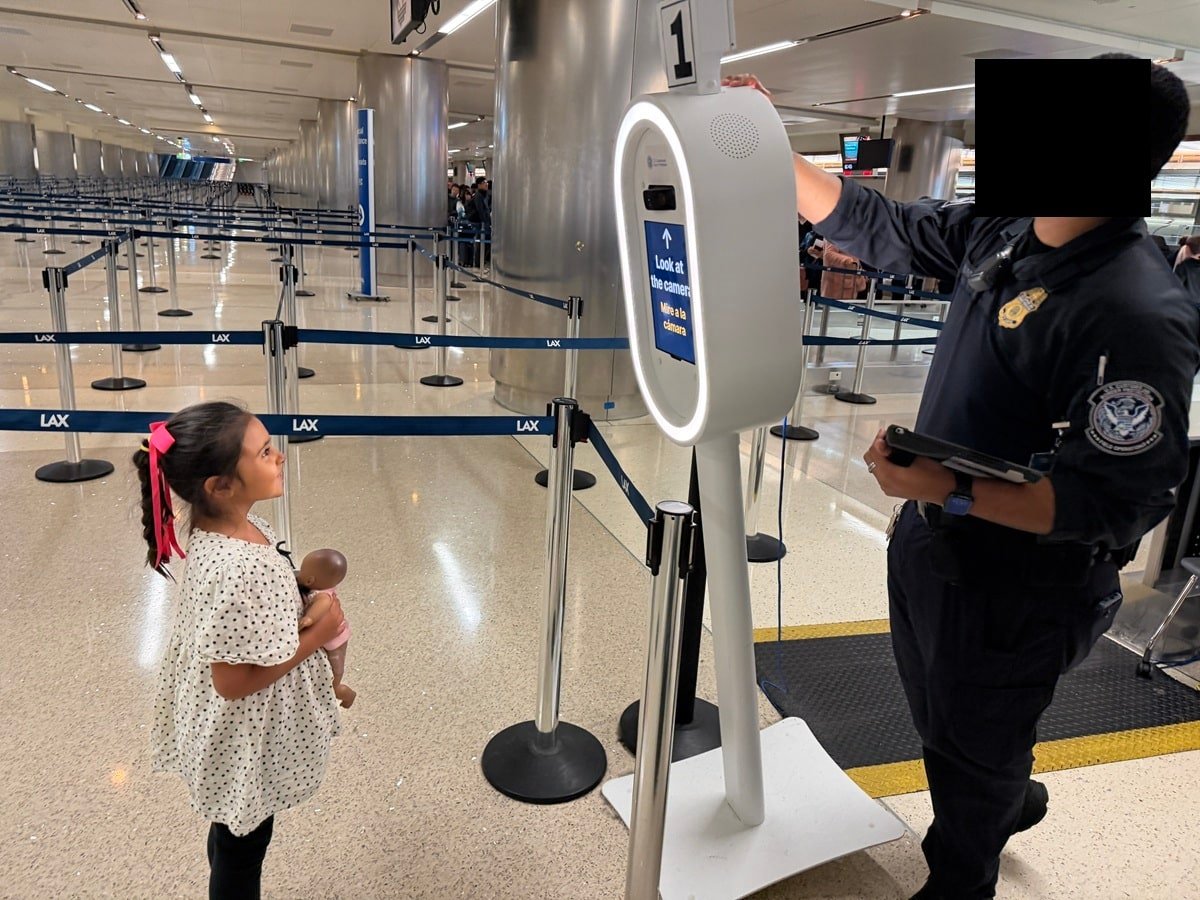
The gap between what’s possible and what’s common is perhaps most visible at U.S. borders. Long immigration lines — sometimes stretching one to two hours — remain a reality for many travelers. Hansen pointed to Global Entry as proof that a better system is already within reach. “If you’ve traveled before, we already have your biometrics,” he said. “There’s no reason you should wait in line with everyone else to re-enter your own country.”
Looking ahead, Hansen described a future that feels almost seamless. “You’ll just walk down a hallway. You probably won’t see the cameras. It’ll confirm your identity and you’ll keep walking,” he said. Customs and Border Protection has begun piloting this technology, but broader rollout will be essential as travel volumes surge.
A Coming Travel Surge the System Isn’t Ready For
That urgency is underscored by a sobering statistic. “In the past two years, we’ve had three million flyers on a single day just five or six times,” Hansen said. “Within five years, that’s going to be a weekly occurrence.” In other words, today’s holiday-level congestion could soon become routine. “If we don’t invest now,” Hansen warned, “the travel system in the United States is going to be an absolute mess.”
The Fee Travelers Pay and Where It Really Goes
One of the most surprising revelations involved funding that already exists but isn’t being used as intended. Every airline ticket includes a passenger security fee designed to support TSA screening and technology. “Five years ago, Congress took 80 percent of that funding and put it into programs that have nothing to do with travel,” Hansen said.
Restoring those funds could dramatically accelerate modernization. “We could have biometric screening and liquid-friendly scanners within five to six years,” he explained. “That’s a small policy change.”
What Travelers Can Do Now
For travelers wondering how to help drive change, Hansen’s message was clear: pay attention and speak up. “Travelers need to know about this and reach out to their members of Congress,” he said. “Ask them to support common-sense policies that improve your experience.” The solutions, he emphasized, are not futuristic. “We’re not talking about the Jetsons,” Hansen said. “This can happen in the next couple of years.”
Travel isn’t just about flights and hotels. It’s about connection, commerce and how a country chooses to welcome the world. With smarter investments, clearer messaging, and a renewed focus on hospitality, the United States has an opportunity to modernize its travel system … and its image. The window to act is open but it won’t stay that way for long.