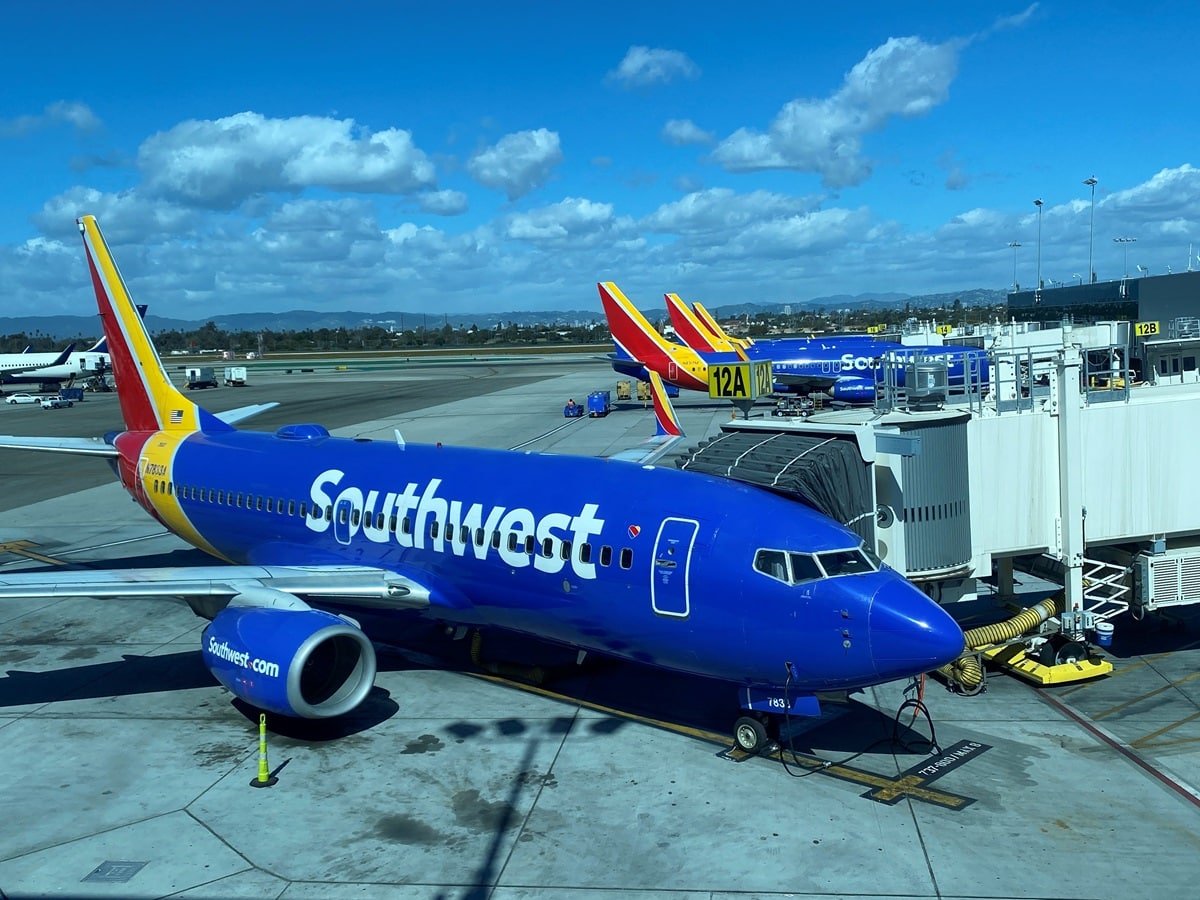

Southwest Airlines officially ended one of the most recognizable boarding systems in aviation two weeks ago, replacing its decades-old open seating model with assigned seats. But according to CBS News, the rollout hasn’t exactly been smooth.
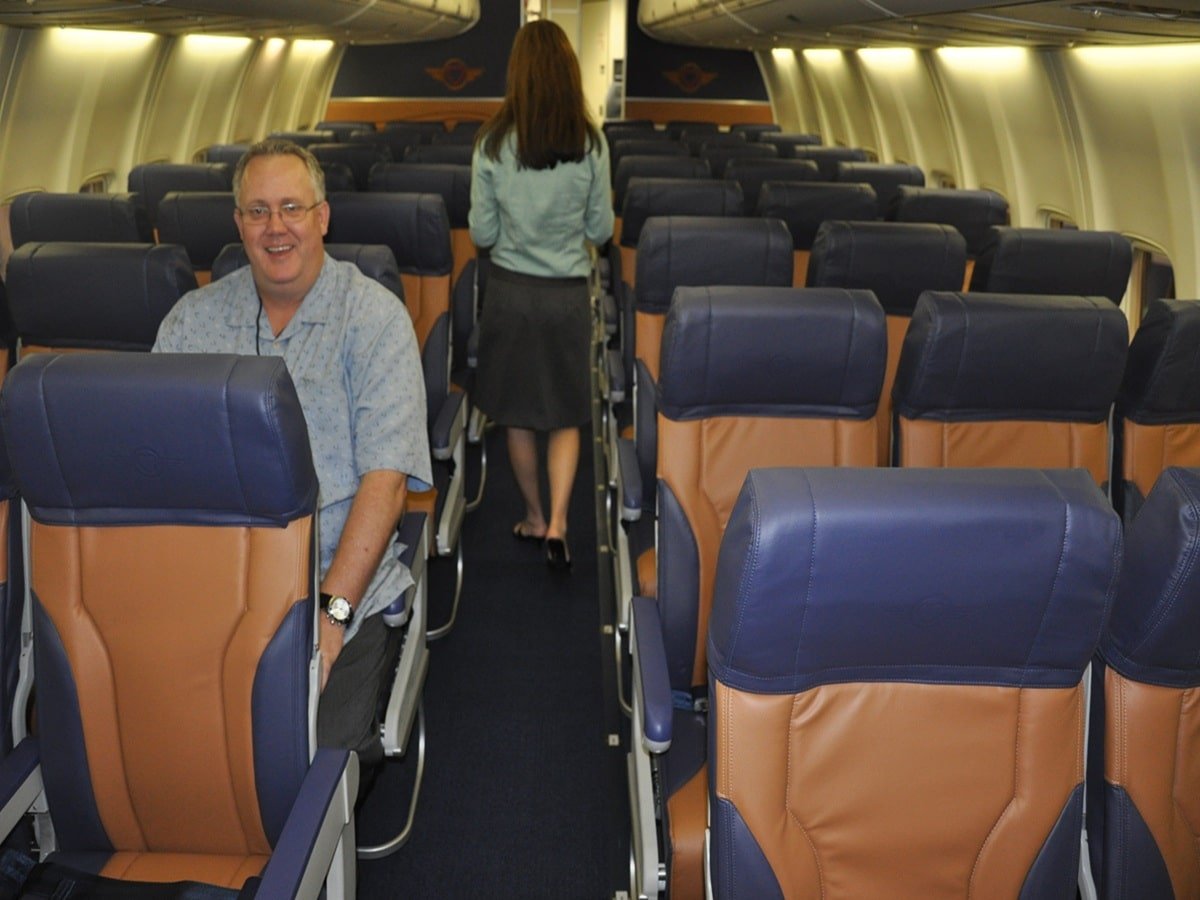 The airline told CBS it is still “working out kinks” in the new process, and one issue is standing out: overhead bin space.
Under the new system, passengers now receive assigned seats and can pay extra for premium options, including seats with more legroom. However, some frequent flyers and travelers who paid for those upgraded seats are finding that by the time they board, the overhead bins near their assigned rows are already full.
CBS reports that in some cases, customers are being forced to store their carry-ons several rows behind them because earlier boarding groups filled the front bins first.
And travelers are noticing.
One passenger posted on X that despite sitting in Row 4, he had to stow his bag around Row 20. Another frequent flyer said that on one recent trip, his carry-on ended up “10 rows behind” his seat. Several commenters suggested flight attendants should enforce using bin space above passengers’ assigned rows, while others argued that overhead storage should be assigned along with seats.
I will back up your claim after 4 flights last week, one in which my bag was 10 rows behind me. I sat on the plane and quizzed the flight attendant, who was hating life and the new policies.
— Jeff Murphy (@jeff_murphy23) February 11, 2026
There are also early reports of families being separated if they decline to pay for seat selection. One traveler wrote on social media that his two-year-old was auto-assigned to a different row from the rest of the family. That’s the kind of scenario that understandably raises stress levels before the plane even pushes back.
my wife and two kids (5 and 2) are flying @SouthwestAir today. and because i refuse to pay for seats, their seats were auto assigned.
my 2 year old in his own row without his mom or sister.
i sorta figured when the websites breaks out age 0-4, they’d factor this in but nah… pic.twitter.com/7D0M3OLhiq
— Cory Watilo (@watilo) February 12, 2026
Southwest told CBS that its internal research showed 80% of customers preferred assigned seating. The airline also spent years testing the concept through simulations and trial runs. Industry analyst Henry Harteveldt told CBS that some growing pains are inevitable when an airline abandons a 50-year-old business practice.
I’m actually one of those travelers who prefers having an assigned seat since I don’t love setting an alarm 24 hours in advance just to check in or paying extra for a Priority A boarding position. That said, there was always something uniquely entertaining about lining up with your group, finding your number, and then scanning the cabin for the perfect seat once onboard. It led to all kinds of passenger strategies and seat-saving tricks over the years, including one famously used by Taylor Swift and her mom when she was just starting out.
What This Means for You
If you’re flying Southwest in the coming months, here are a few smart moves:
1. Board as early as your group allows.
Even with assigned seating, earlier boarding appears to mean better access to overhead space.
2. Be realistic about carry-on space.
If having your bag directly above your seat matters, consider checking it — especially on fuller flights.
3. If traveling as a family, don’t assume auto-assignment will seat you together.
You may want to select seats in advance to avoid surprises.
4. Expect policy tweaks.
Southwest has indicated changes are coming, potentially including earlier boarding for elite and premium passengers.
Southwest built its brand around simplicity and customer-friendly policies. Assigned seating brings it in line with every other major U.S. airline — but it also changes the rhythm longtime Southwest flyers are used to.
If you’ve flown Southwest since the change, I’d love to hear how it went.