If you’re a longtime subscriber to my newsletter, you know I’ve written before about how dirty airplane water can be. But a new 2026 Airline Water Study from the Center for Food as Medicine and Longevity shows the problem is worse than many of us realized. Some airlines serve consistently clean water, while others provide water that could pose health risks, even when used for coffee, tea, or ice onboard.
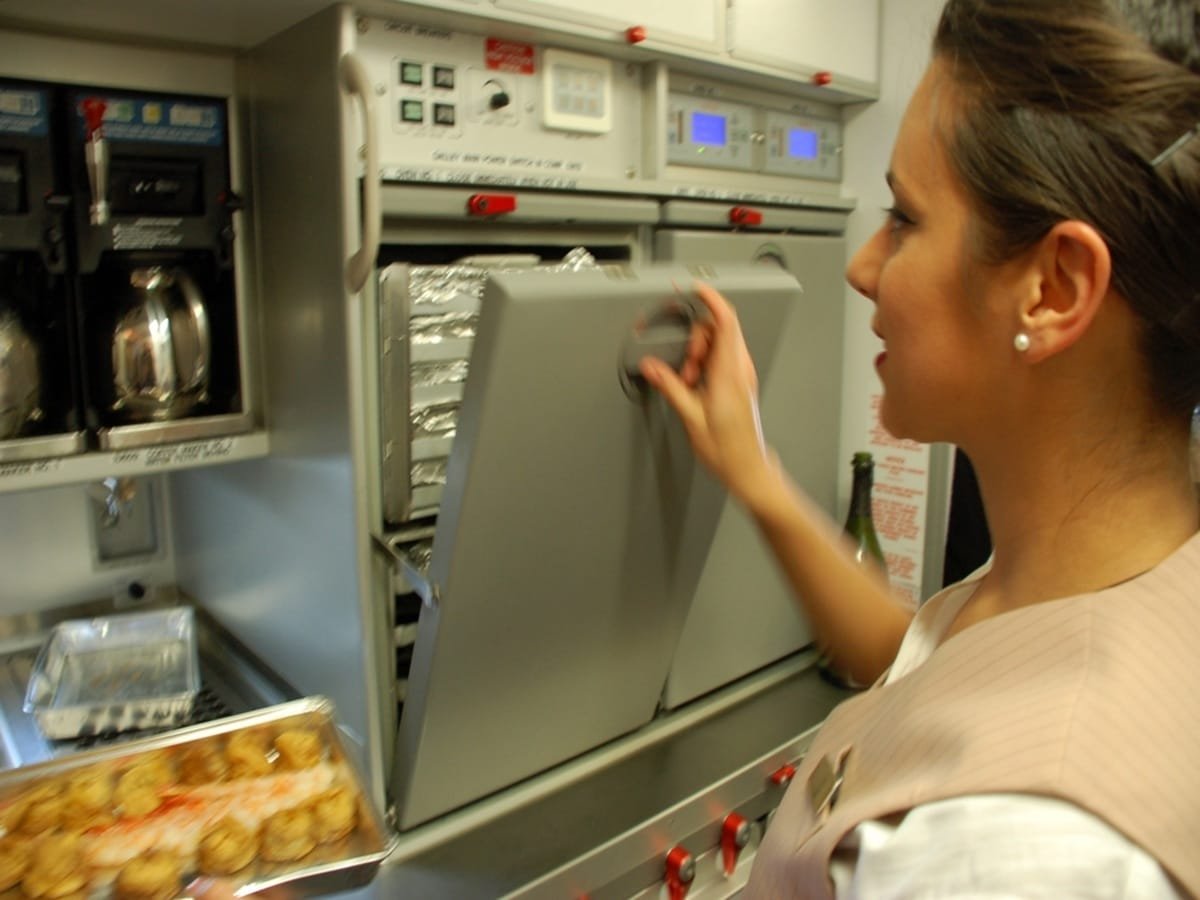 Even if you never drink tap water on a plane, airlines rely on onboard water systems to make coffee, tea and other hot beverages. Those systems are regulated under the federal Aircraft Drinking Water Rule, which has been in place since 2011 and requires airlines to provide safe drinking water to passengers and crew.
How the Study Was Conducted
The study analyzed 35,674 water samples collected over a three-year period from October 1, 2022 through September 30, 2025, ranking 10 major airlines and 11 regional carriers.
Each airline received a Water Safety Score ranging from 0.00 to 5.00, based on violations per aircraft, E. coli Maximum Contaminant Level violations, coliform indicator positives, public notices and the frequency of disinfecting and flushing water tanks. A score of 3.5 or higher earned a Grade A or B and indicates relatively safe water.
The Best and Worst Airlines for Water Safety
Top-rated major airlines
- Delta Air Lines: 5.00 (Grade A)
- Frontier Airlines: 4.80 (Grade A)
- Alaska Airlines: 3.85 (Grade B)
“Delta Air Lines and Frontier Airlines win the top spots with the safest water in the sky and Alaska Airlines finishes third,” said Charles Platkin, PhD, JD, MPH, director of the Center for Food as Medicine and Longevity.
Lowest-rated major airlines
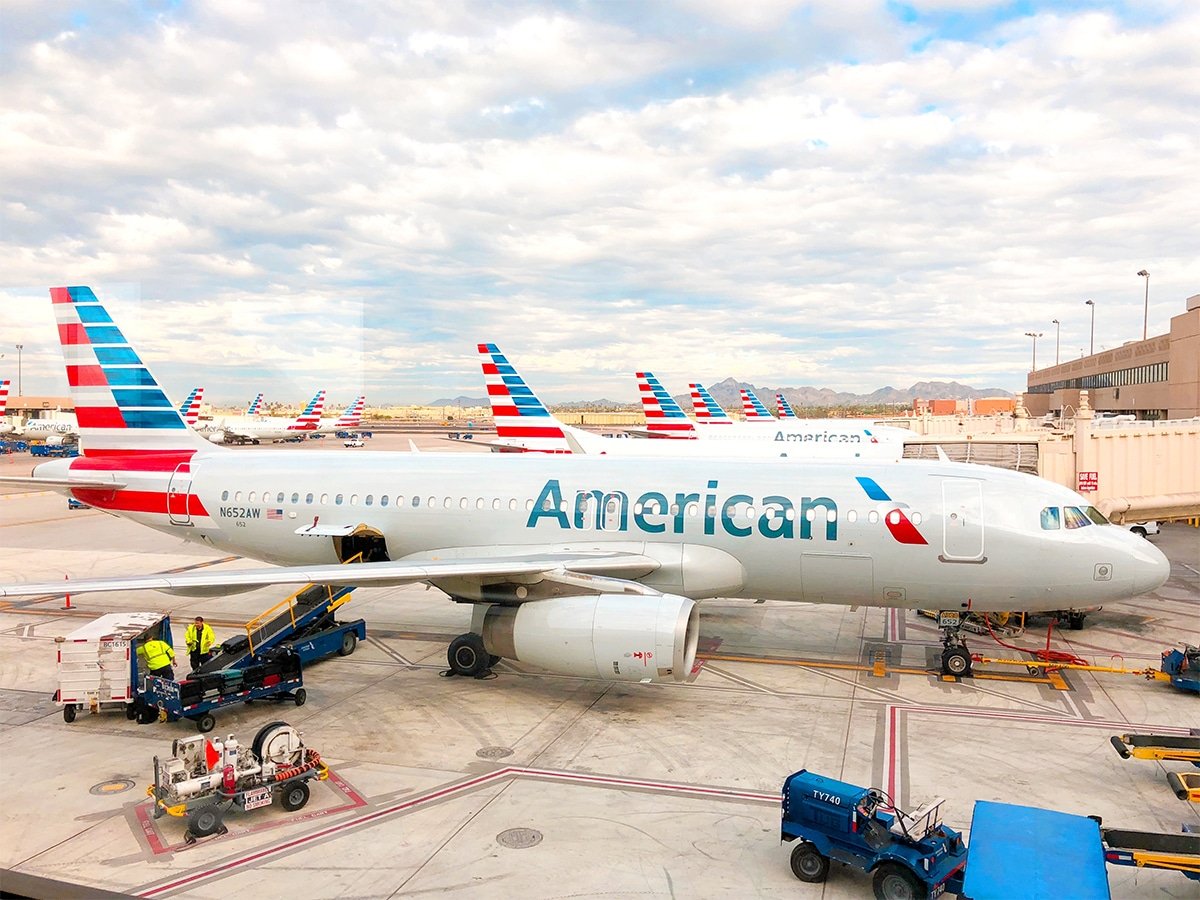
- American Airlines: 1.75 (Grade D)
- JetBlue: 1.80 (Grade D)
Among major carriers, American Airlines ranked last.
Regional airlines raise bigger concerns
- Best regional carrier: GoJet Airlines at 3.85 (Grade B)
- Worst overall: Mesa Airlines at 1.35 (Grade F)
Nearly all regional airlines earned poor grades. CommuteAir stood out with 33.33 percent of tested locations positive for total coliform bacteria.
What the Data Shows
Across all airlines studied, 2.66 percent of sample locations tested positive for total coliform bacteria. The study identified 32 E. coli violations, which were the strongest factor driving low scores. Regional airlines had more than double the contamination rate of major airlines.
E. coli violations are particularly concerning because they indicate possible fecal contamination and trigger immediate shutdown and disinfection requirements under federal rules.
Weak Enforcement Remains a Problem
The study also raises concerns about enforcement. The Environmental Protection Agency, which is responsible for overseeing the Aircraft Drinking Water Rule, rarely issues civil penalties even when violations occur.
The report gives the EPA a “Shame on You” designation, noting that limited enforcement reduces accountability and leaves passengers with little visibility into real-world water safety.
Airlines Respond
Several airlines responded to the findings in statements to CBS News.
American Airlines said it is closely reviewing the study. “American’s potable water program is fully in compliance with the Environmental Protection Agency’s Aircraft Drinking Water Rule,” the airline told CBS News. “A recent EPA audit showed there were no significant findings with our program and we have not received any violations for any potable water cabinets or trucks that we use.”
JetBlue said it follows processes outlined by the EPA, the Food and Drug Administration and the Federal Aviation Administration to ensure safe water and noted that it serves bottled drinking water onboard.
Spirit Airlines emphasized recent improvements. “The well-being and comfort of our guests is very important to us,” Spirit told CBS News. “Our data shows we have made progress in this area in recent years and we continue to evaluate and refine our procedures as necessary.”
Southwest Airlines, which received a Grade C, said it regularly inspects onboard water quality, complies with EPA standards and uses water sourced from local municipal public water systems that already meet standards for residents and businesses.
Bottom Line for Travelers
This study does not guarantee that water on any specific flight is unsafe. It does show clear differences between airlines and ongoing gaps in oversight.
To reduce risk when flying:
- Never drink onboard water unless it is in a sealed bottle
- Skip coffee and tea on flights
- Skip the ice in drinks since it is typically made from onboard water
- Avoid washing hands with airplane tap water and use alcohol-based hand sanitizer with at least 60 percent alcohol
- Bring sealed beverages or buy them after airport security
- Use extra caution on international flights where water sources and servicing standards can vary
Airline water safety is one of those travel risks most people never think about until they see the data. After reading this study, sticking with sealed bottles and no ice is the safest choice at 35,000 feet.