

One of the questions I get most often from readers after international trips is: “How do you bargain at local markets?” Obviously, in a department store or mall, prices are fixed. But in a Turkish rug shop in Istanbul or a bustling souk in Marrakesh, negotiation is expected. Haggling can feel daunting at first, but done respectfully, it can save money, support artisans and even lead to memorable interactions with locals.
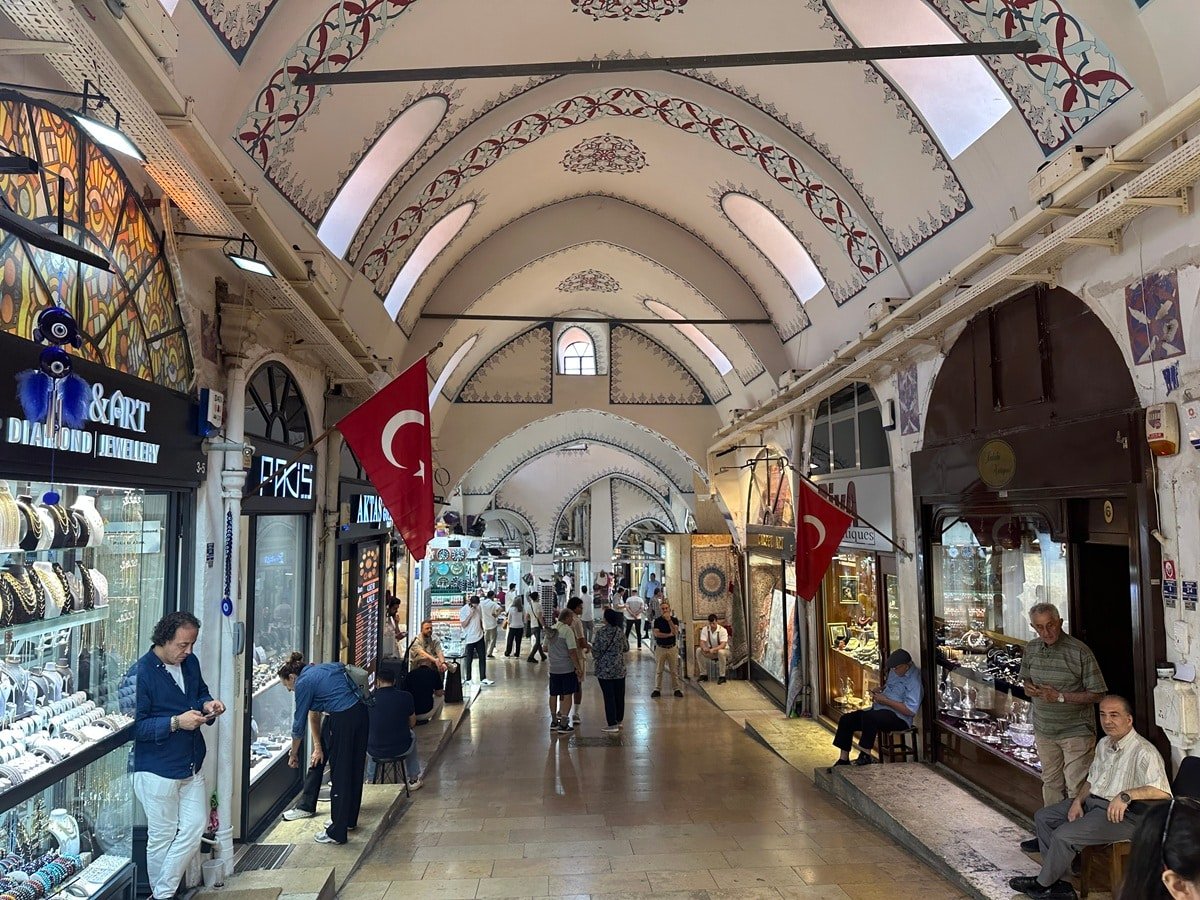 After reading the New York Times article, “How to Haggle When There’s No Set Price”, I realized it is an incredibly helpful resource for all travelers. What really makes it valuable is not just the article itself, it is the 240 plus comments from readers sharing personal experiences, clever strategies and lessons learned from markets around the world. I have put the key insights into this guide but be sure to read the original for the full depth of advice and the comments.
1. Do Your Homework
Before entering a market, ask hotel staff, local guides or even friendly locals about customary prices and bargaining norms. Observing how locals negotiate and what they pay is a great way to set expectations. Ozcan Kaya, a carpet seller in Istanbul, notes that merchants expect negotiation in outdoor markets and tourist districts. Learning a few local phrases for asking prices or requesting discounts shows respect and makes the process smoother.
2. Shop Around First
Never buy the first item you see. Compare stalls for quality and price. Bring small bills to make counteroffers easier and practice your bargaining on inexpensive items first. Side streets often offer better deals than prime tourist areas, which tend to have higher rents.
3. Set a Mental Limit
Decide how much you are willing to pay before negotiating. This prevents overpaying and keeps the process fair. Chris Solt of the Fair Trade Federation points out that handmade or culturally significant items often support local livelihoods, so a small saving for you could matter a lot to the seller.
4. Start the Negotiation Respectfully
Ask the seller’s price, then politely request a discount or suggest a lower number. A common approach is to counter somewhere between 25 and 75 percent of the initial price depending on context. Smile, keep the tone playful and avoid appearing confrontational. Haggling is meant to be fun, not aggressive.
5. Mind Your Strategy
Reader tips:
Chris from India: Start offers at roughly one-third of the asking price, settle below 50 percent, shop early in the morning and don’t haggle over food.
AB from Toronto: Use humor and mock shock at a “tourist price,” then offer slightly above local rates for a win-win deal.
Theresa from Washington DC: Don’t reveal your maximum price too early, it can offend sellers if you don’t buy.
Marmac from Seattle: Travelers often exaggerate their bargains among friends, but honesty and politeness matter in markets.
6. Consider Quantity and Context
Buying multiple items at once can help secure discounts. Merchants may reduce prices for bulk purchases whether it is three carpets or a dozen postcards. Conversely, don’t haggle over pennies. What seems small to you could be significant to the seller.
7. Be Ready to Walk Away
Polite refusal can be a strong bargaining tool. A courteous “No, thank you” often brings the seller back with a better offer.
8. Keep It Positive
Friendliness, small talk and building rapport work better than aggression. Merchants like Abdellah Elfirdaoui of Marrakesh stress that haggling is a game, both sides should leave satisfied.
Haggling is part art and part cultural ritual. By preparing ahead, observing local customs, setting limits, negotiating politely and keeping interactions positive, you can save money, support artisans and enjoy memorable cultural exchanges.

My tips especially for bargaining in Morocco, Tunisia, Egypt and Turkey. Know what you would pay where you live for the item. Is it a key chain, magnet, belt, scarf, postcard, cap, T-shirt? It’s more than in your country? Just walk away or gently talk the price down.
If it is furniture, a carpet, painting you might not have a clue what it’s worth. I’d only buy what I LIKE and if I have at least 2 days to negotiate. No impulse buying. Have tea. Discuss. If you are seriously interested and sincere, come back the next day and have tea again. Do your homework! Know your budget and stick to it.
If you love the item, have the bucks, yens, euros … go for it but after gently and sincerely talking with the shopkeeper.
If you simply can’t deal with buying items that have no price tag… order online. Otherwise, enjoy the whole experience of shopping where you haggle.