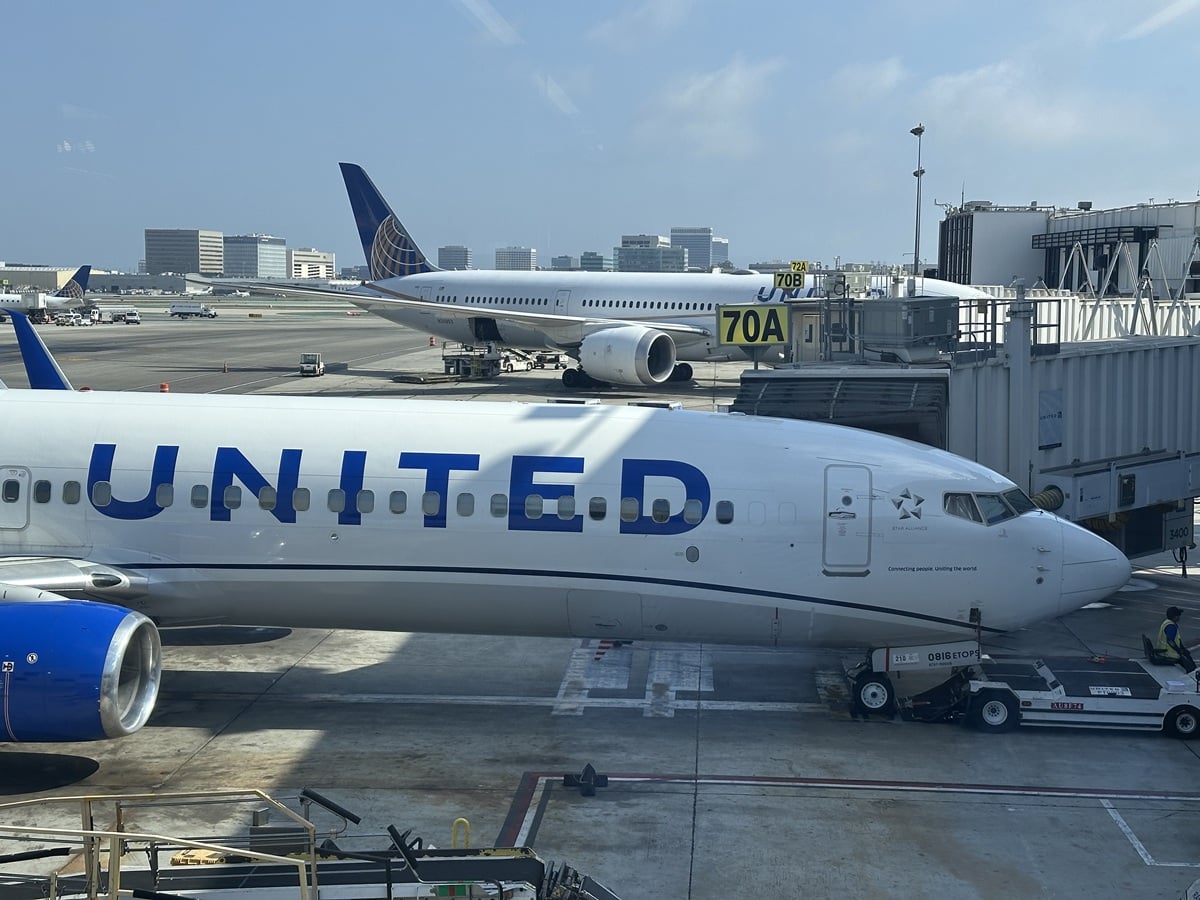
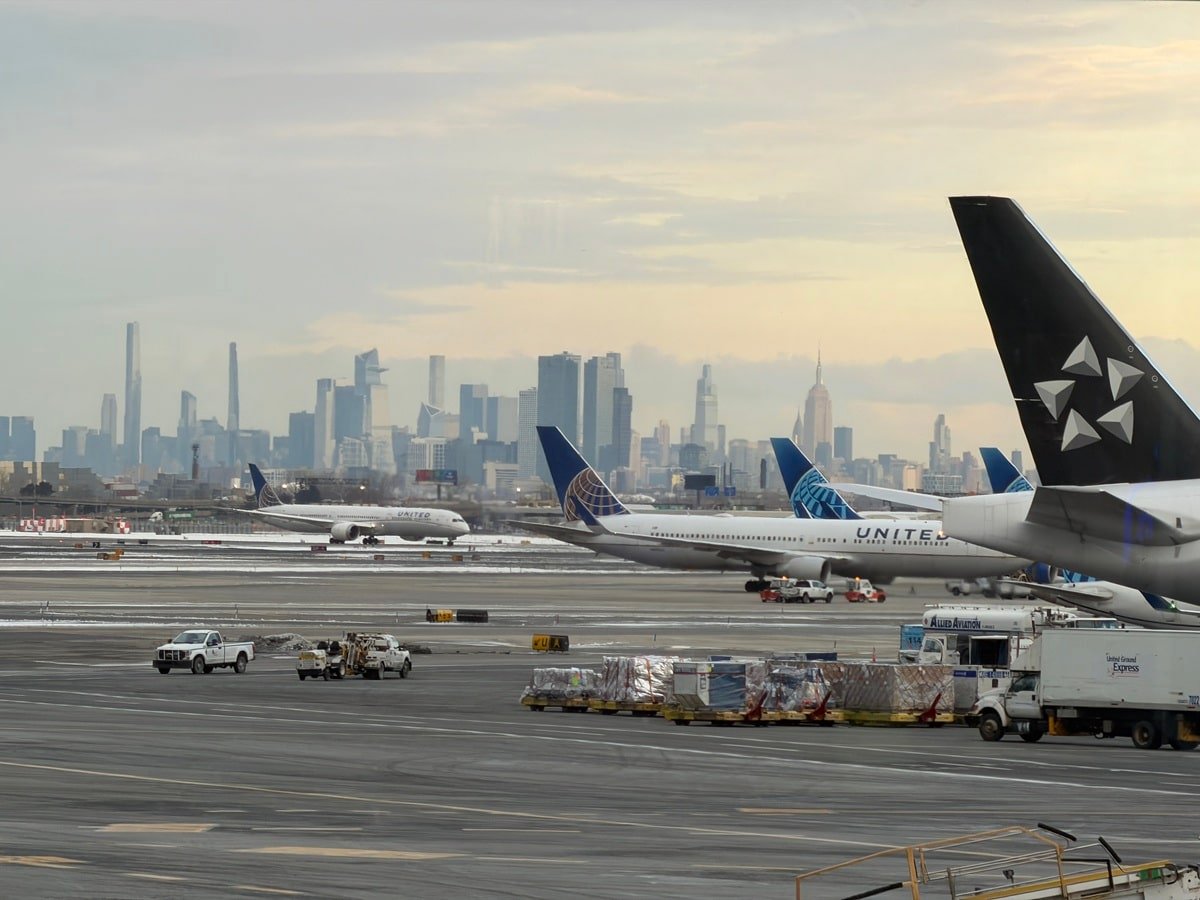
United Airlines held a Media Day yesterday inside one of its Los Angeles hangars, setting the stage for a big day of announcements. The backdrop alone was worth the trip, but the real headline was the airline is doubling down on premium travel, this time bringing long-haul luxury to some of the busiest domestic routes in the United States.
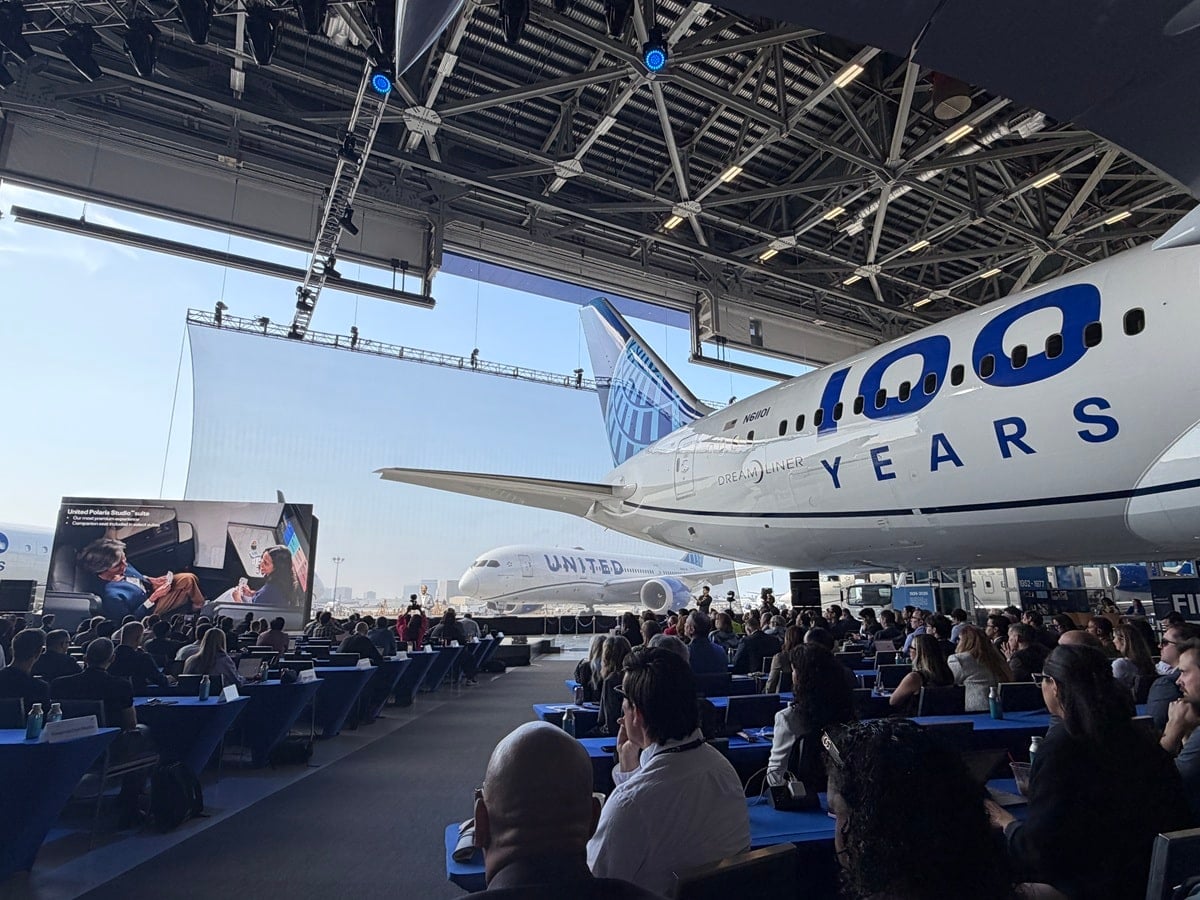 In a newly announced fleet expansion and product overhaul, United Airlines outlined plans that signal a major shift in how it competes for high-value travelers. The Chicago-based carrier with hubs in New York (EWR), San Francisco (SFO), Los Angeles (LAX), Houston (IAH), Washington DC (IAD) and Denver (DEN) expects to take delivery of more than 250 new aircraft by April 2028, one of the most aggressive fleet modernization efforts in aviation today. Beyond the sheer number of planes, it is what is inside them that has the industry buzzing.
 A New Era for Transcontinental Flying
 A New Era for Transcontinental Flying
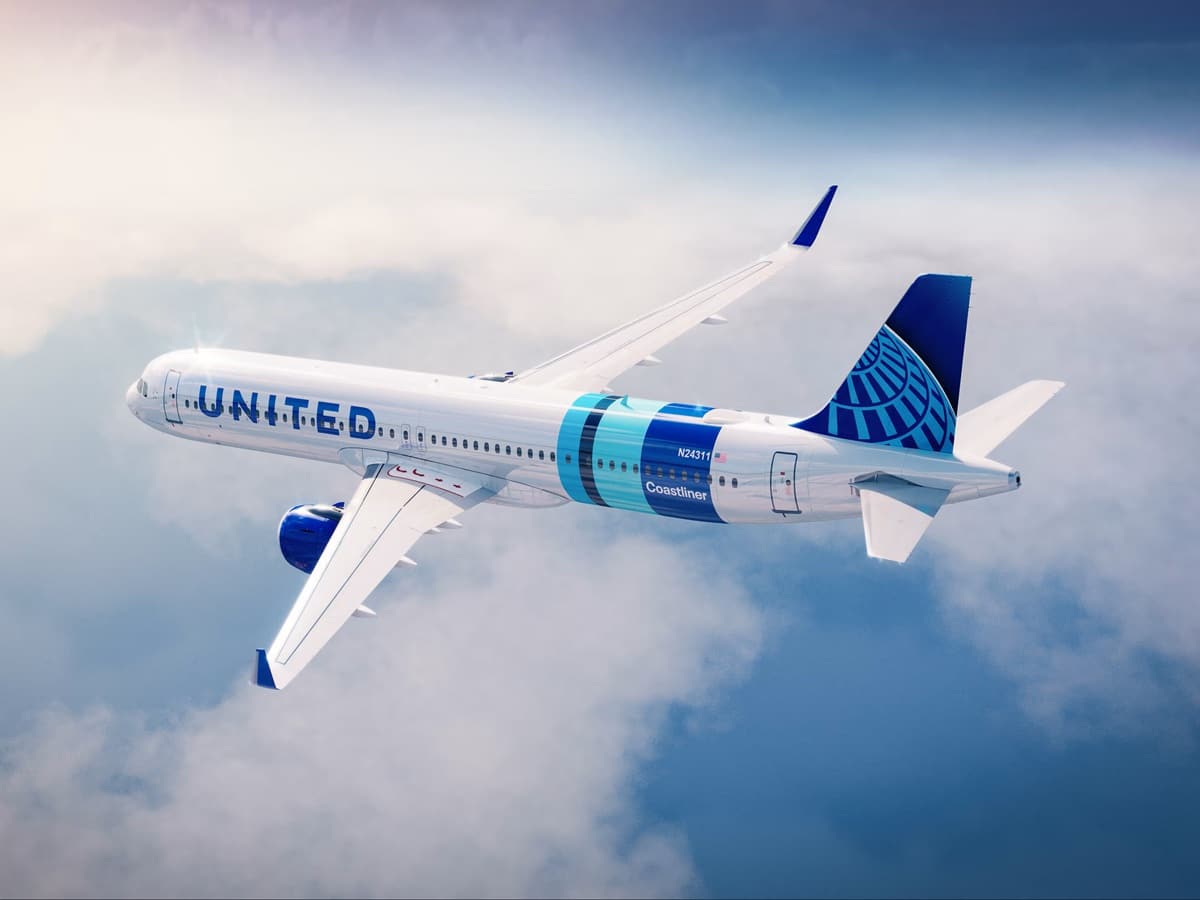
At the center of the announcement is a new subfleet of Airbus A321 aircraft dubbed the “Coastliner.” These Airbus A321neo Coastliner jets are purpose-built for premium transcontinental travel, specifically linking United’s West Coast hubs, LAX and SFO, with its EWR.
While narrowbody aircraft have traditionally been associated with shorter, less luxurious flights, United is trying to change that perception like American Airlines did when they replaced their 767’s with the A321T. Today both carriers have a mix of narrowbody and widebody aircrafts on their most premium route which doesn’t feel premium at all.
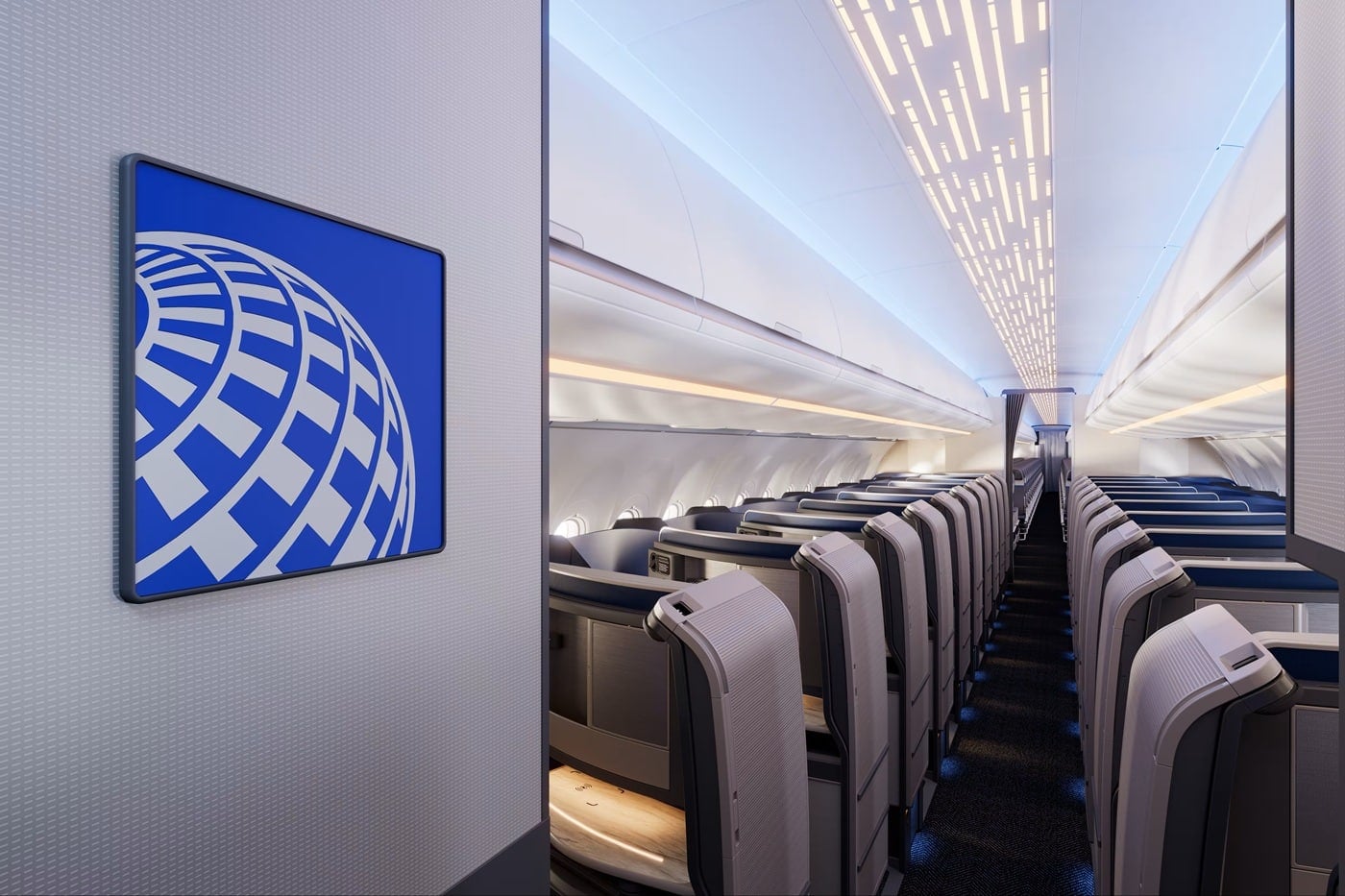
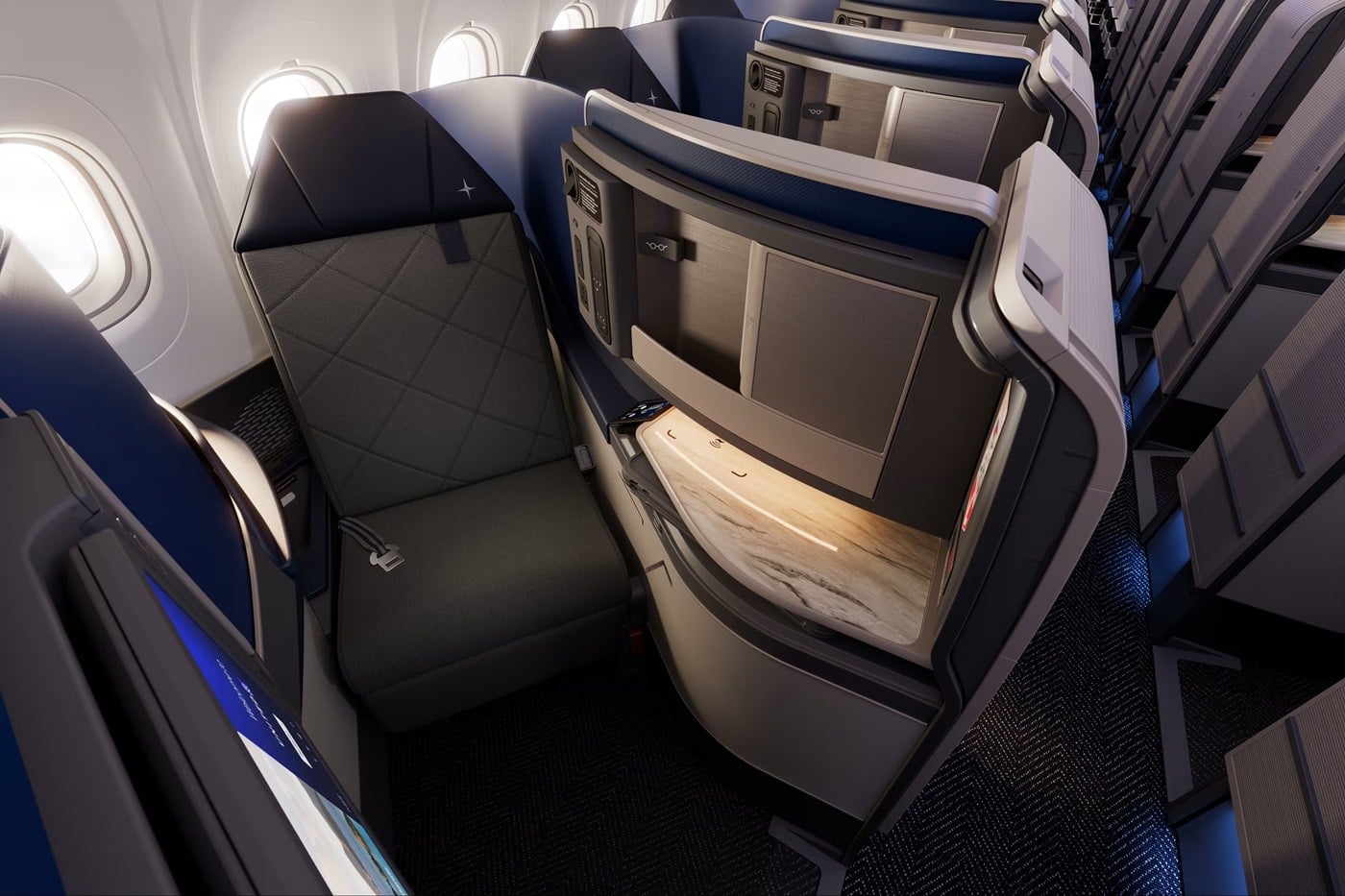
United’s Coastliner introduces a true long-haul style experience on domestic routes, anchored by 20 lie-flat Polaris business class suites arranged in an all-aisle-access configuration. These seats are designed with extra elbow room and semi-translucent privacy dividers, balancing openness with comfort.
For travelers accustomed to cross-country flights that feel like a step down from international service, this marks a significant upgrade. United is effectively bringing its flagship Polaris product, previously reserved for long-haul widebody jets, into the domestic market.
 Premium for More Passengers
 Premium for More Passengers
It is not just business class passengers who benefit. The Coastliner will also feature 12 Premium Plus seats, marking the first time United has offered a true premium economy cabin on narrowbody aircraft serving domestic routes. This creates a more flexible cabin structure, giving travelers additional comfort options between economy and business class.
Economy passengers will also see improvements. United has reduced the total seat count by removing three seats to make room for a self-service snack bar at the rear of the aircraft. This allows passengers to grab refreshments throughout the flight, a feature rarely seen on U.S. domestic service. Only their partner JetBlue does it that I’m aware of.
Lounge Access and Elevated Amenities
Possibly, one of the most notable perks is that travelers seated in Polaris on these domestic routes will now receive access to the exclusive Polaris lounges, which were previously reserved almost entirely for international premium passengers. That includes upgraded dining, more spacious seating areas and a quieter airport experience.
Onboard, the airline is standardizing its high-end amenities. Expect Saks Fifth Avenue bedding, Perricone MD skincare kits and premium headphones with Meridian technology, features typically associated with long-haul international flights. Polaris seats will feature 19-inch screens, Premium Plus comes with 16-inch displays and economy class passengers will have 13-inch screens.
A Strategic Fleet Shift
 A Strategic Fleet Shift
The Coastliner and its long-range sibling, the A321XLR, are part of a broader order of 100 new Airbus narrowbody aircraft. These jets will gradually replace aging Boeing 757s, which have long operated many of United’s transcontinental and select transatlantic routes but are outdated.
The A321XLR opens new possibilities. With its extended range, United plans to deploy it on long-haul routes to Europe and potentially deeper into South America. Its smaller size and improved efficiency make it well suited for destinations that cannot support larger widebody aircraft.
Branding Meets Experience
The Coastliner will feature a distinctive livery with bold blue accents wrapping around the rear of the aircraft, a visual nod to the coastal cities it connects. It will also have United’s name written on the bottom like Emirates does so aviation fans will know right away which airline is flying above them.
The Bigger Picture
United’s moves highlight an intensifying competition among U.S. airlines for premium travelers. With competitors also investing heavily in upgraded cabins and exclusive experiences, differentiation is increasingly happening at the high end of the market.
By bringing international-style luxury to domestic routes, United is betting that travelers, especially business and high-spending leisure passengers, will choose comfort and consistency over price alone.
A couple of months ago, I flew United’s 787 from Los Angeles to Newark and really enjoyed the experience—even from the back of the plane (here’s my trip report). I’m hoping these new A321neos can deliver the same level of comfort and style as United’s widebodies.