If you’re flying through San Francisco International Airport (SFO), build in extra time—because new federal safety restrictions combined with runway construction are significantly reducing the airport’s capacity and increasing the likelihood of delays.
 The Federal Aviation Administration has imposed new rules that prohibit “side-by-side” approaches to SFO’s parallel runways during clear weather (see embedded video below of what it was like). Instead of two aircraft landing simultaneously on adjacent runways with visual separation, planes must now use staggered approaches, meaning one aircraft is offset from the other. The FAA says this change is a safety measure designed to reduce risk in visual separation procedures, even though it had previously allowed side-by-side approaches in certain conditions.
SFO is famous for its closely spaced parallel runways. During good weather, aircraft can perform simultaneous parallel approaches to runways 28L and 28R, landing side-by-side just seconds apart to keep traffic flowing at one of the busiest airports in the U.S.
📹: nickflightx pic.twitter.com/of6wjd6lNa
— Aviation (@xAviation) March 10, 2026
At the same time, SFO is undergoing a major runway rehabilitation project. One of its runways has been closed for repaving and taxiway improvements for roughly six months, further limiting operations. Before these changes, the airport could handle up to 54 arrivals per hour. Under the combined impact of construction and the FAA’s new approach rules, that number has dropped to about 36 arrivals per hour.
For travelers, the impact is going to be significant. Airport officials estimate that while runway construction alone was expected to delay roughly 15% of flights, the new FAA restriction increases that figure to around 25% of arriving flights experiencing delays of at least 30 minutes. In practical terms, that means roughly one in four inbound flights to SFO could be delayed during peak conditions.
The timing of the restrictions is especially challenging because the runway closure alone already reduces operational flexibility. Even though capacity may return to about 45 arrivals per hour once construction is complete, the FAA’s new approach rule will remain in place, meaning SFO will not fully return to its previous maximum throughput of 54 hourly arrivals.
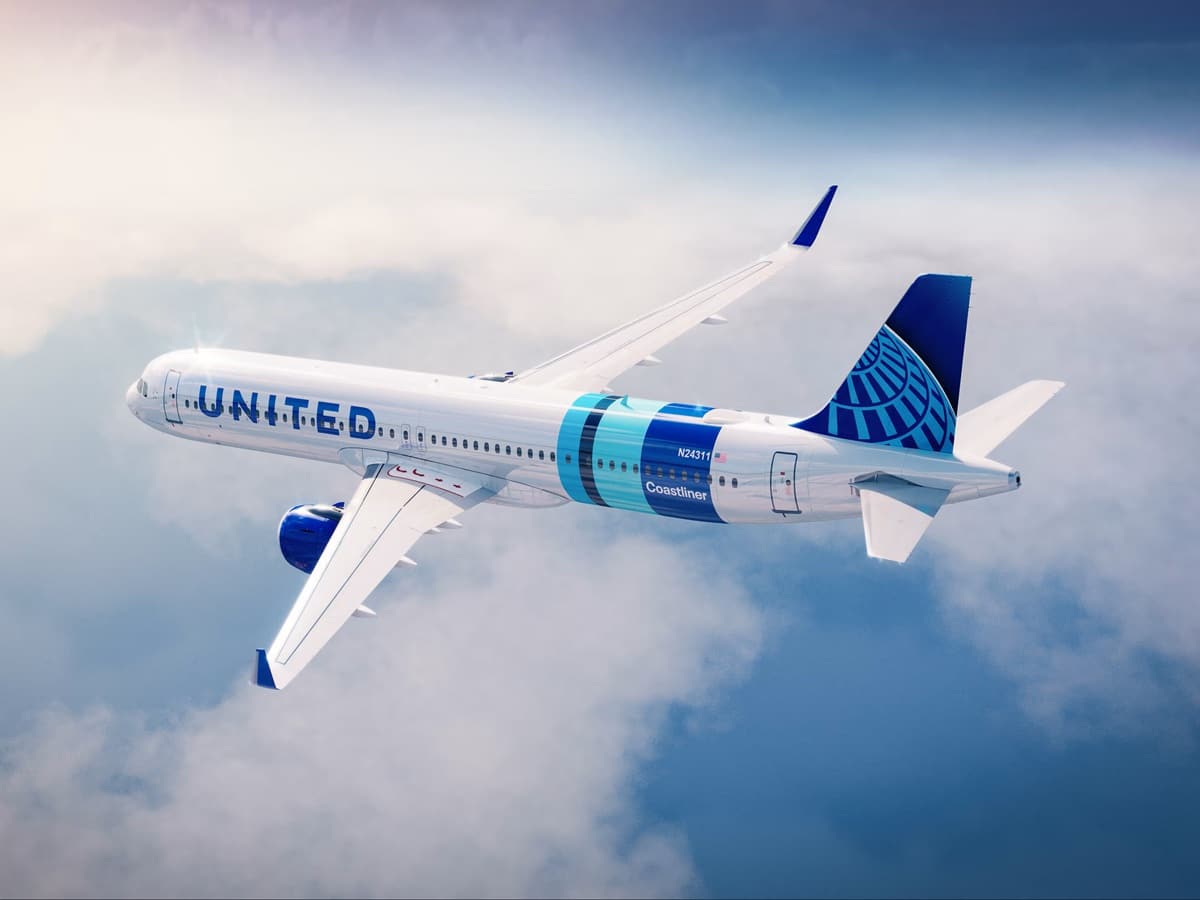
Airlines with major operations at SFO will most likely feel the effects. United Airlines, which handles roughly half of the airport’s passenger traffic, and Alaska Airlines, which accounts for about 10%, are expected to face scheduling pressure and potential knock-on delays across their networks.
The FAA has also pointed to broader safety concerns influencing its decision, referencing increased scrutiny of visual separation procedures following recent aviation incidents nationwide. Regulators have been reviewing operations near major airports and tightening rules in response to safety investigations.
If SFO is part of your itinerary, I would consider booking earlier flights in the day (though that’s usually when it’s foggy), avoid tight connections, and monitor your flight status closely in the days leading up to departure.