I don’t know about you, but I get scam texts and emails almost every day. Some are laughably bad, but others are so convincing that I have to stop and look twice. The scary part is that scammers have gotten really good at making a text, email or phone call look like it came from your bank, credit card company, airline, hotel, the DMV or even a government agency.
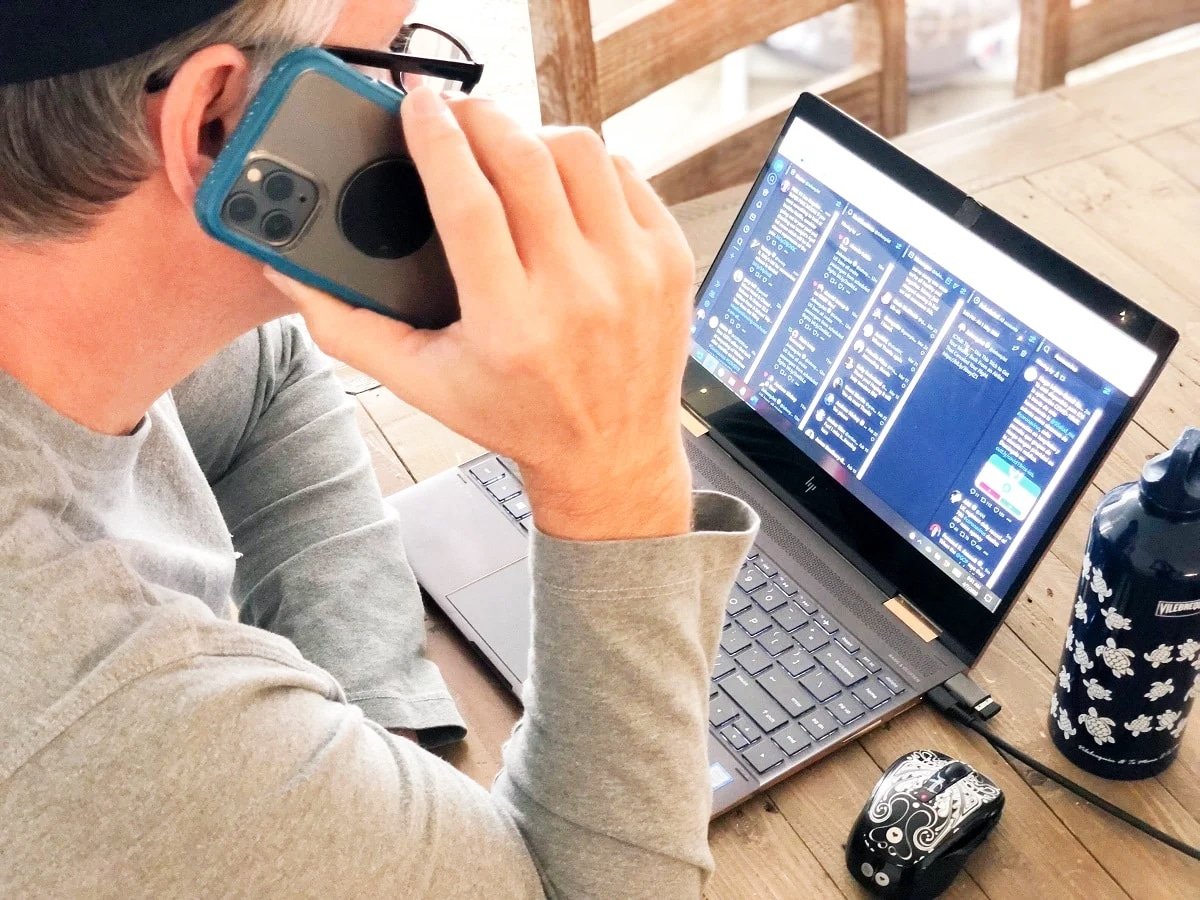 My sisters are always texting me asking, “Is this legit?” I’d say 99% of the time, it isn’t.
That’s why I have one simple rule: I never click a link or give out personal information from an unexpected text, email or phone call. If it’s supposedly from my bank or credit card company, I hang up and call the number on the back of my card.
If it’s an airline, hotel or another business, I either call the number I already have saved in my contacts or look up the official number on the company’s website. I don’t Google the phone number or ask on social media because scammers have gotten good at buying sponsored search results, creating fake websites and using bots to spread bogus customer service numbers. And remember, caller ID can be spoofed, so just because your phone says it’s your bank doesn’t mean it really is.
Another trick I use is to copy the text or email—or just take a screenshot—and ask ChatGPT, “Does this look like a scam?” It can’t tell you with absolute certainty whether something is legitimate, but it’s surprisingly good at pointing out red flags and explaining why something doesn’t look right. It’s become my go-to second opinion before I do anything.
I was glad to see the Manhattan Beach Police Department recently put out a reminder about scams, and American Express is saying much the same thing. The crooks are getting smarter. They spoof phone numbers, send realistic-looking texts and emails, and try to create a sense of urgency so you’ll react before you have time to think.
A few good reminders:
- Never share passwords, one-time verification codes or multi-factor authentication codes.
- Be suspicious of anyone creating panic or demanding immediate action.
- Legitimate banks, credit card companies and government agencies won’t ask you to pay with gift cards, cryptocurrency, wire transfers or payment apps.
- If an offer seems too good to be true, it probably is.
- When in doubt, slow down. Verify before you click, answer or pay.
A few extra minutes of caution can save you thousands of dollars and a lot of stress. These days, that’s probably the best travel tip and life tip I can give.