

Whether you have a few hours between shore excursions or several days to explore, Juneau invites you to create a unique Alaskan adventure. Nestled between towering mountains and the pristine waters of the Inside Passage, Alaska’s capital offers far more than a typical cruise stop. One moment you can be savoring fresh-caught seafood at a waterfront café, the next hiking rainforest trails that lead to breathtaking glacier views, or boarding a whale-watching cruise in search of humpbacks and orcas. History buffs can explore Gold Rush landmarks and fascinating museums, while nature lovers can wander colorful botanical gardens, spot bald eagles soaring overhead or venture onto the ice at the magnificent Mendenhall Glacier. Whether your perfect day is filled with outdoor adventure, local flavors, wildlife encounters or cultural discoveries, Juneau makes it easy to craft an unforgettable journey that may inspire you to stay long after your ship has sailed.
Unlike any other U.S. state capital, Juneau has no roads connecting it to other towns. The only way in is by boat or plane – a fitting introduction to a destination of untamed wilderness. Whether you glide into port through the scenic Gastineau Channel or descend by air over snowcapped peaks and lush old-growth vibrant green forests, arriving in Juneau feels like stepping into one of Alaska’s last great frontiers.
Eat Local
If you only have a few hours in Juneau, get a taste of the area (and its landmarks, restaurants and native history), with Juneau Food Tours. Begin by paying respects at the curved fishermen’s memorial, which is strategically angled to amplify sound. You won’t have to wait in line to sample Tracy’s King Crab Shack bisque and crab cakes, rockfish tacos at Deckhand Dave’s, or grilled salmon at the Smokehouse, owned and operated by the Tlingit and Haida Indian Tribes of Alaska. These are just some of the spots on the Tour with Taste Menu, which costs around $150, where your guide bypasses the lines to bring you a plethora of local bites and sips.
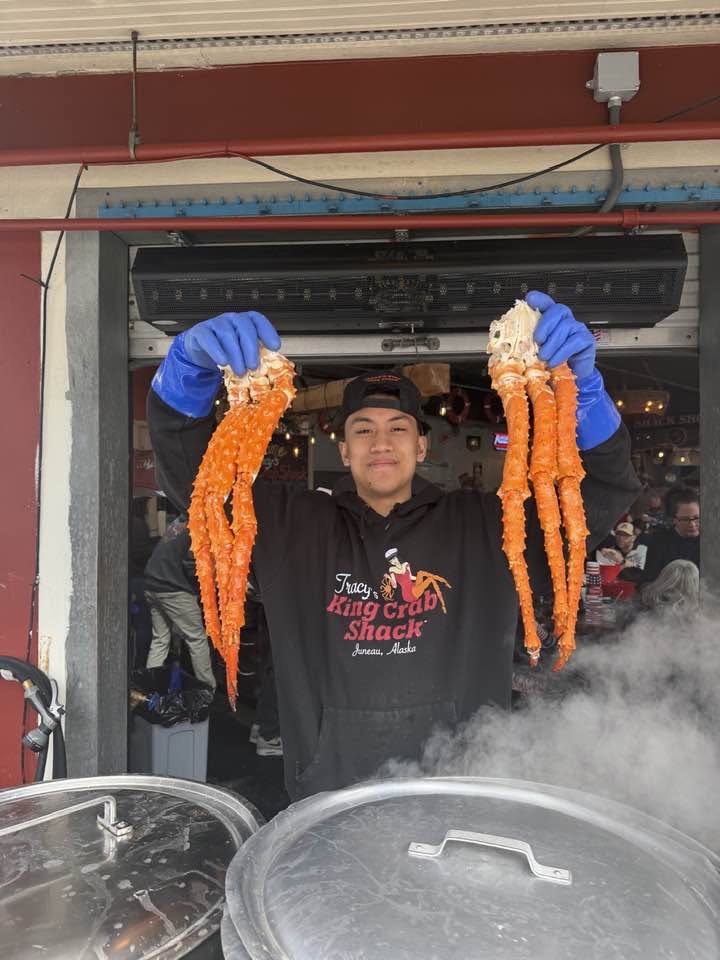
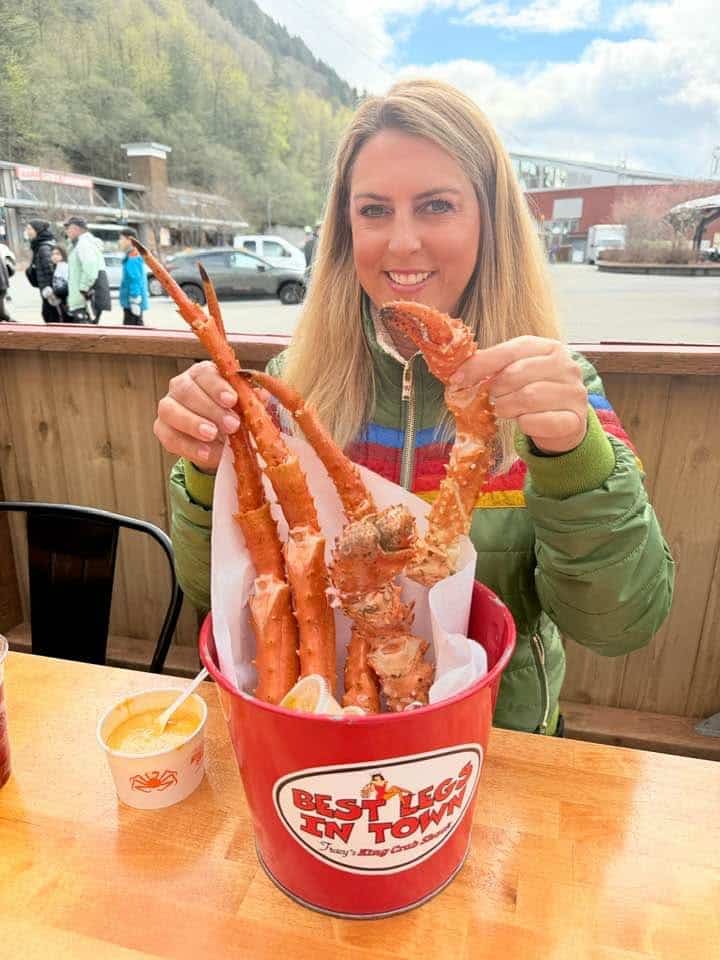
Before lines form on “cruise days,” make your way to Tracy’s King Crab Shack for an indulgent meal, but be prepared to spend $100-150 per person for the luscious cracked crab, crab bisque, and crab cakes. Did you know there are 4 species of Alaskan King Crab? Red King Crab is the most famous and prized – known for its large size and rich, buttery meat. Golden King Crab are much more abundant and affordable – with their smaller size yielding slightly sweeter, more tender meat. Blue King Crab is a very rare, premium, sweet variety; and Scarlet King Crab are so small and uncommon that the species is commercially undesirable.
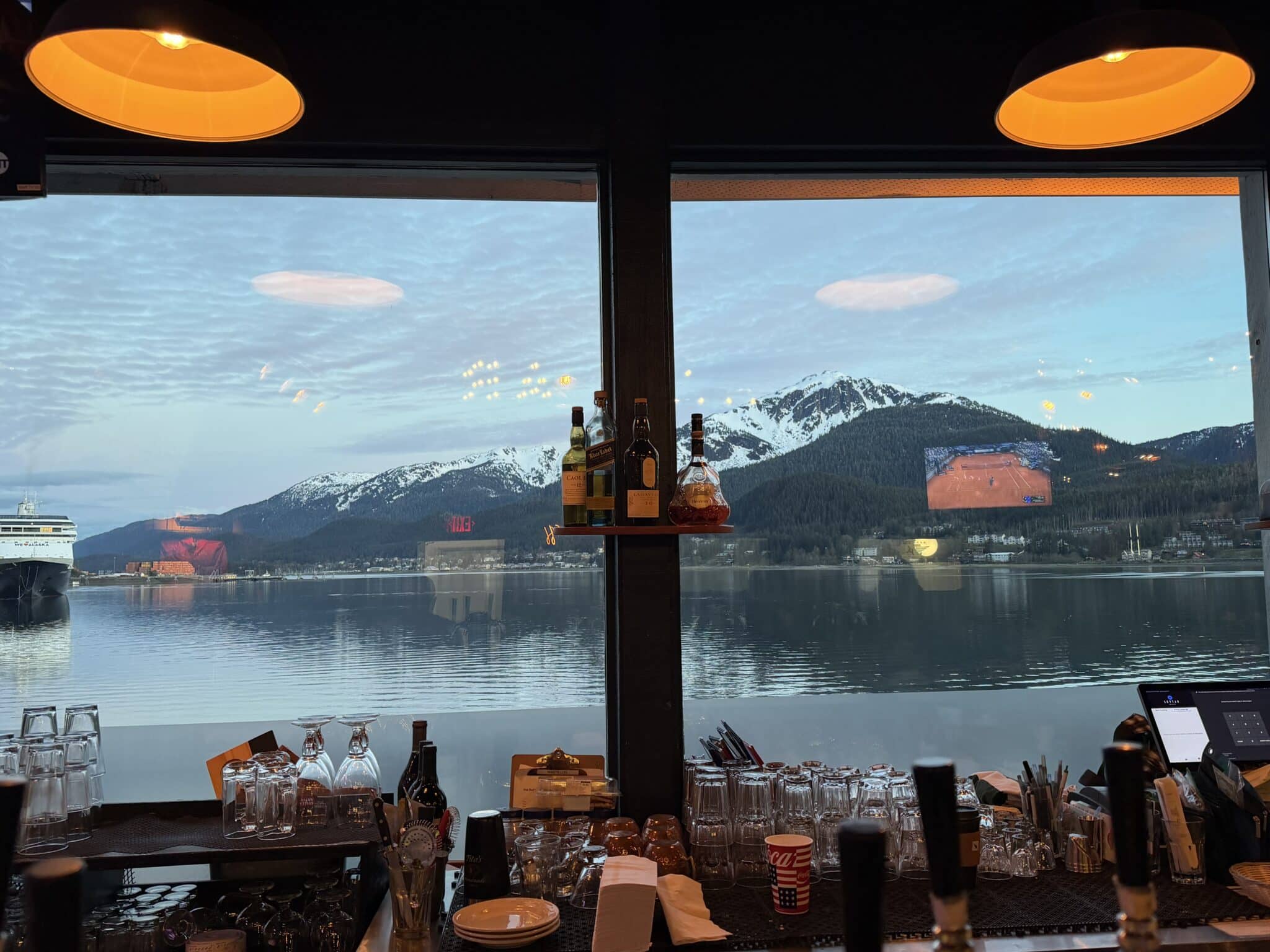
The Hangar on the Wharf offers postcard mountain-meets-water views from the bar and dining room, as the massive windows frame the sweeping panoramic view of the Gastineau Channel and Mount Jumbo. Order a local beer from one of their 100 options, paired with tempura-style halibut fish-and-chips or thick peppery halibut chowder served in a sourdough bread bowl. The lively, historic, waterfront restaurant is housed in an authentic 1932 airplane hangar – where you can watch the float planes take off and land in the water right from your table. If you’re lucky, you might just see a rainbow with dinner.
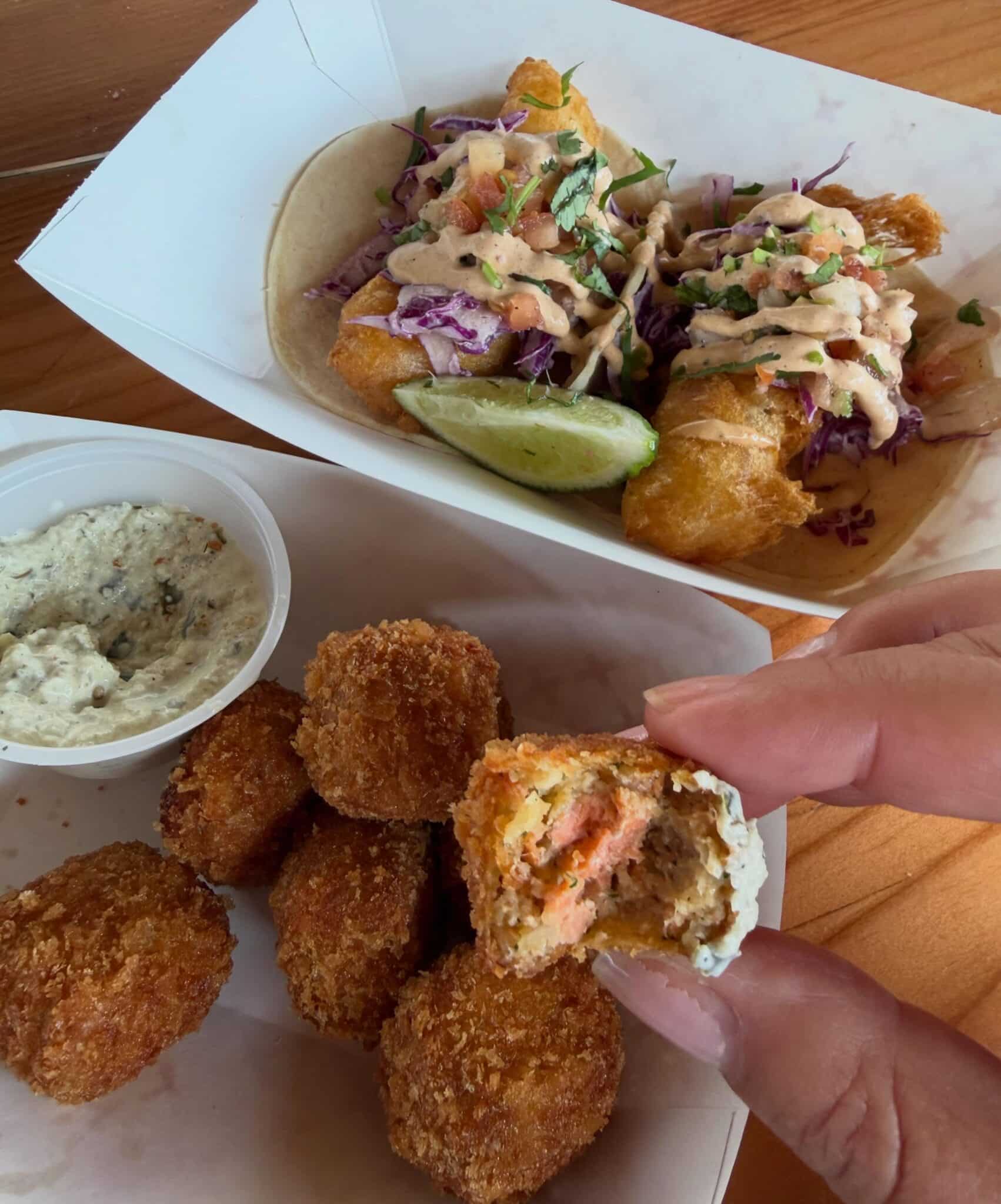
Take in the open air with mountain views and outdoor fire pits, in downtown’s original food truck park. Order up breaded salmon bites and Wild Alaskan fish tacos (halibut, rockfish, salmon) from Deckhand Dave’s Fish Tacos food truck, or check out their dedicated Oyster and Champagne Bar serving farm-to-table oysters and sparkling wine.
Drink Up
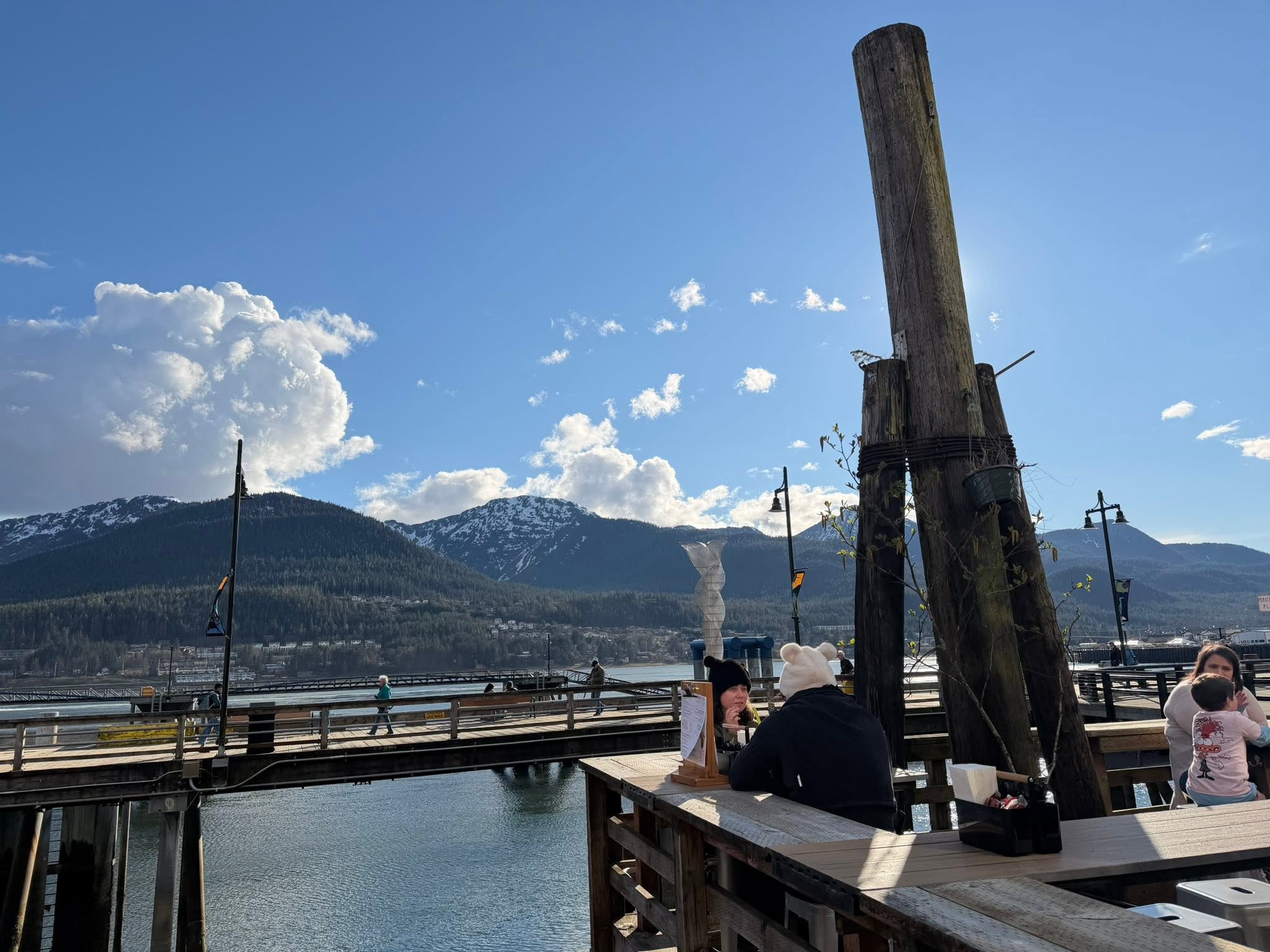
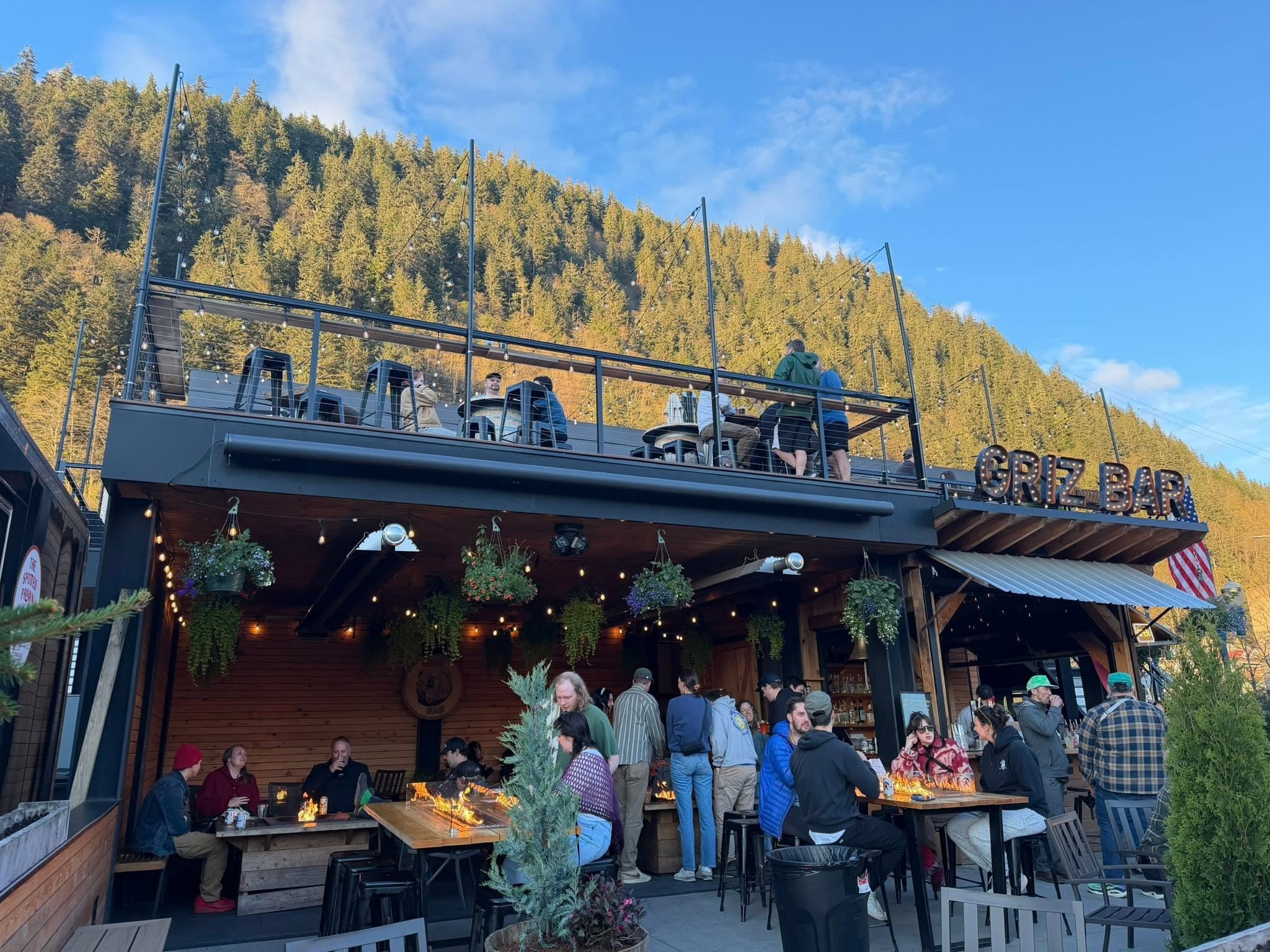
On the rare sunny days in Southeast Alaska, the locals are out and about in shorts – frequenting the open-air Griz Bar at the end of the cruise ship dock. Upstairs on the rooftop patio, ogle the scenic harbor and snowcapped mountain views while resting your legs over some local beer, local spirits, and specialty cinnamon whiskey cocktails. Bear Fart and Duck Fart shots are commonly advertised around town as a regional rite of passage. The layered whiskey and cream shots began originally with of Kahlúa, Baileys Irish Cream, and Crown Royal.
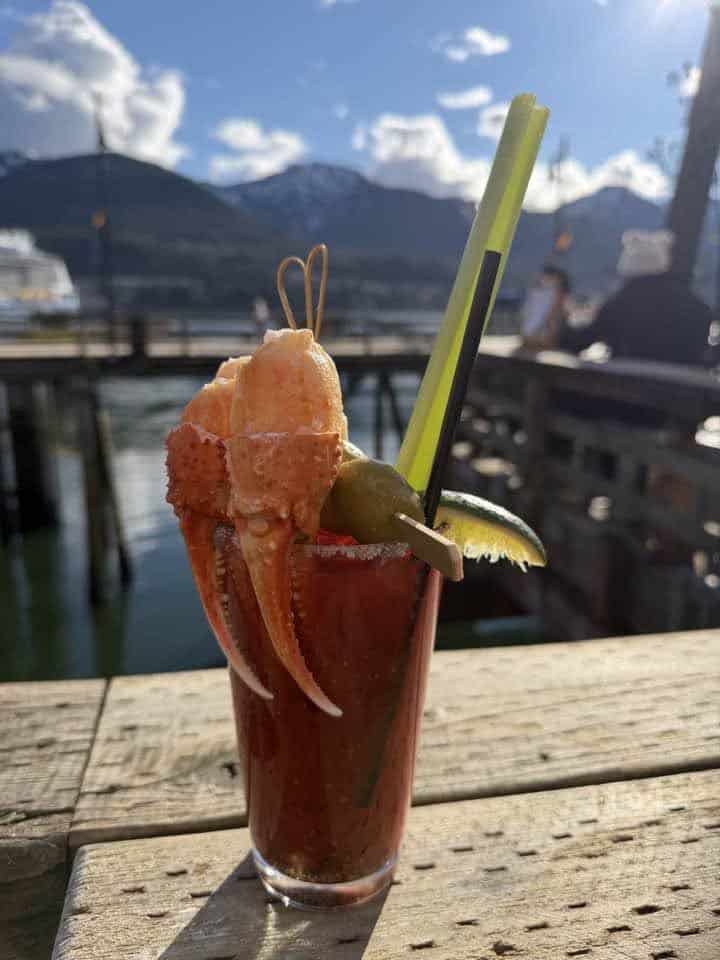
Founded in 1986, the Alaskan Brewing Co was the first brewery in the city since Prohibition. Stop in the Alaskan Brewing Public House and sit along the water, steps from the cruise ship docks, for craft beer flights or a memorable crab Bloody Mary. Don’t miss trying their spruce tip beer, Alaskan Amber, and Smoked Porter. If you’re lucky, a sunny day will make for a glorious afternoon. Other noteworthy brewery stops include Devils Club, Harbor Mountain, and Forbidden Peak.
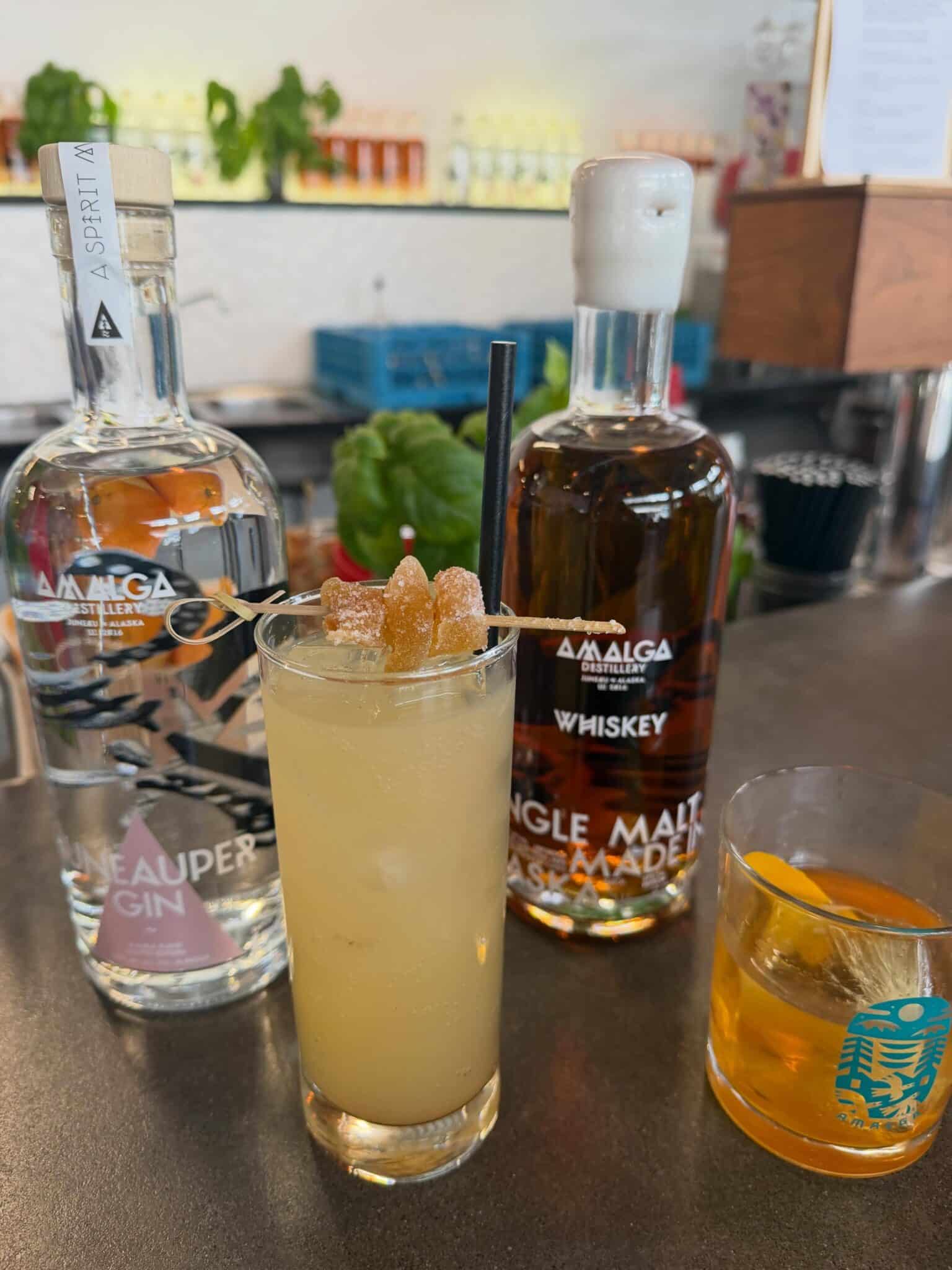
In town, visit Amalga Distillery for spruce tip cocktails. Celebrated for its Juneauper Gin and Single Malt Whiskey, the intimate light-filled taproom was a 2024 James Beard Award Semifinalist. Sit with a view of the large street-facing windows, to admire the trickling waterfall looming in the distance, and people-watch the visitors passing by on the street – often posing on the corner with the mountainous trickling waterfall background.
In downtown Juneau, historic saloons and dive bars abound. Step into the presumably haunted 1913 Victorian-style Alaskan Hotel with Gold Rush era charm, for a crisp pint of beer from regional favorite 49th Street Brewing, brave the tourist crowds at historic western-themed Red Dog Saloon, or disappear into one of the other many lowkey spots in the 3-block city center. The Triangle, Lucky Lady, and Imperial are divey local hangouts, The Narrows Bar serves up exquisite craft cocktails, and The Crystal Saloon features live music every week.
Explore the Great Outdoors
The Goldbelt Tram is usually a popular Juneau attraction – offering breathtaking views from 1,800 feet above the Gastineau Channel, eye-to-eye with steep rugged mountain tops. The Tram has been temporarily closed since April for repairs and recertification, and the timeline for reopening remains indefinite. Until then, there are many other ways to explore the vibrant downtown.
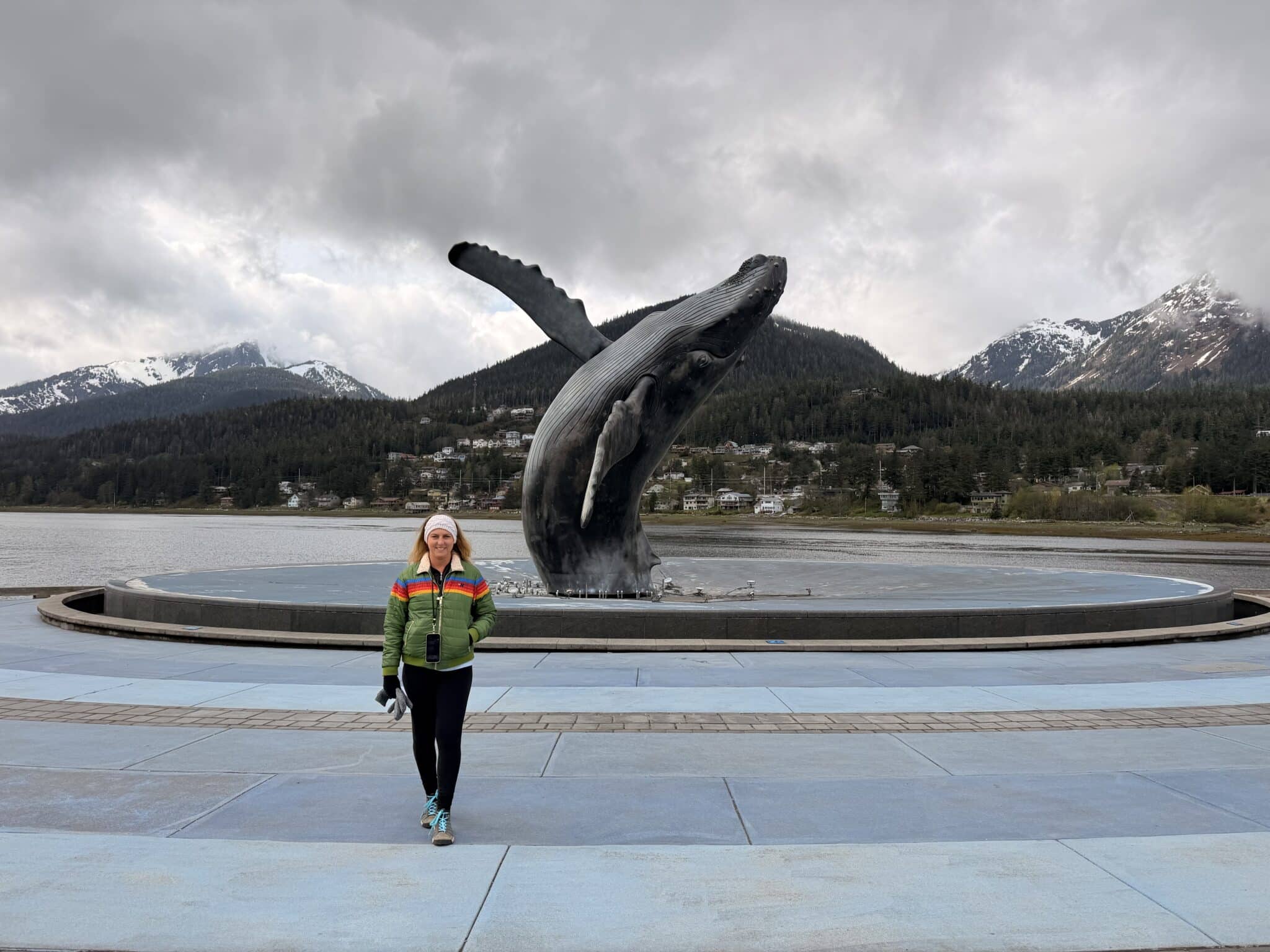
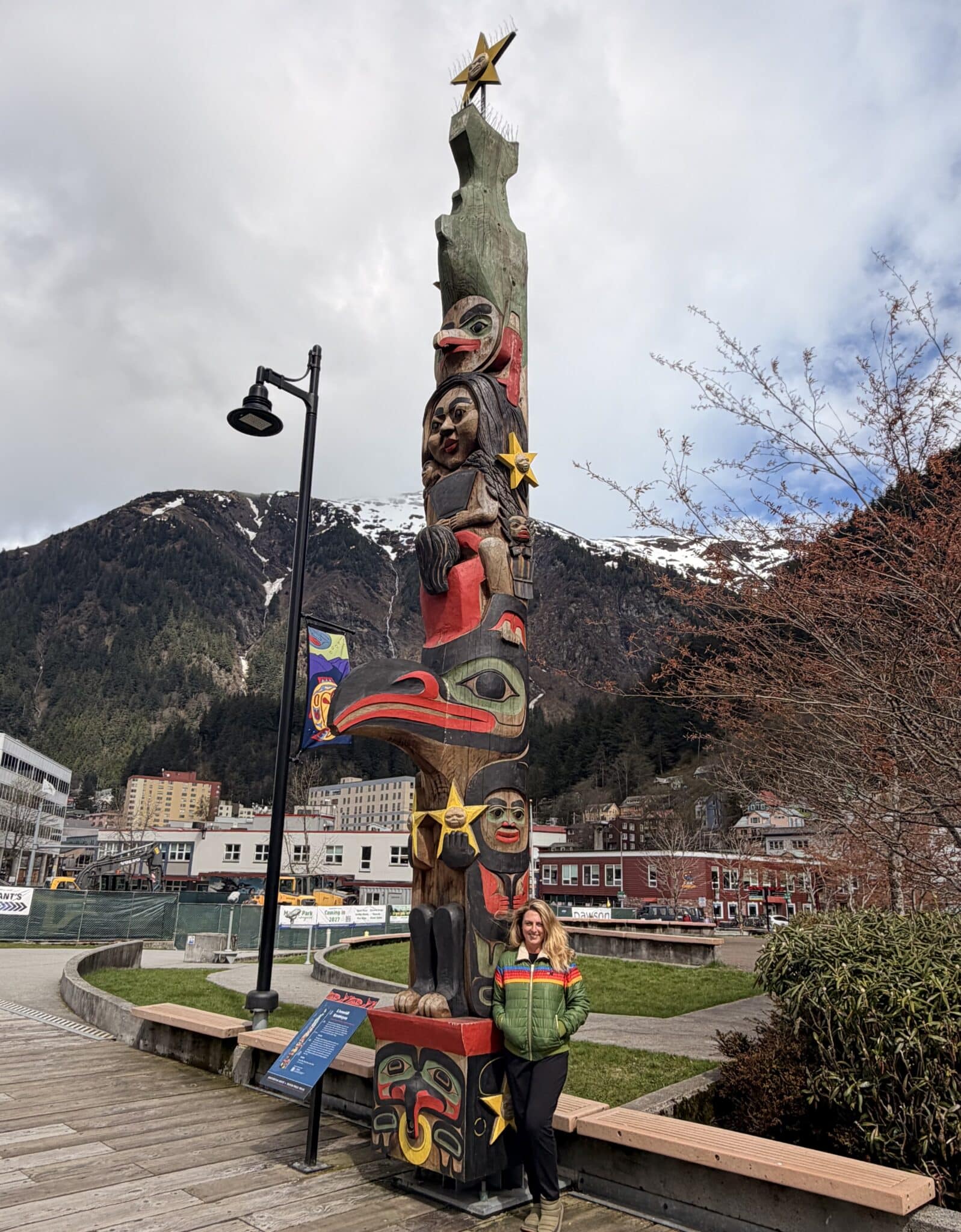
Enjoy a walk along the Gastineau on Sealaska Heritage Institute’s Kootéeyaa Deiyí (Totem Pole Trail), to admire dozens of towering hand-carved cedar poles representing the rich clan histories, crests, and oral traditions of the Tlingit, Haida, and Tsimshian people. The waterfront walk brings you all the way down to Bill Overstreet Park, culminating with a life-size sculpture of a breaching humpback. You might spot a slew of bald eagles soaring and diving for fish along the way.
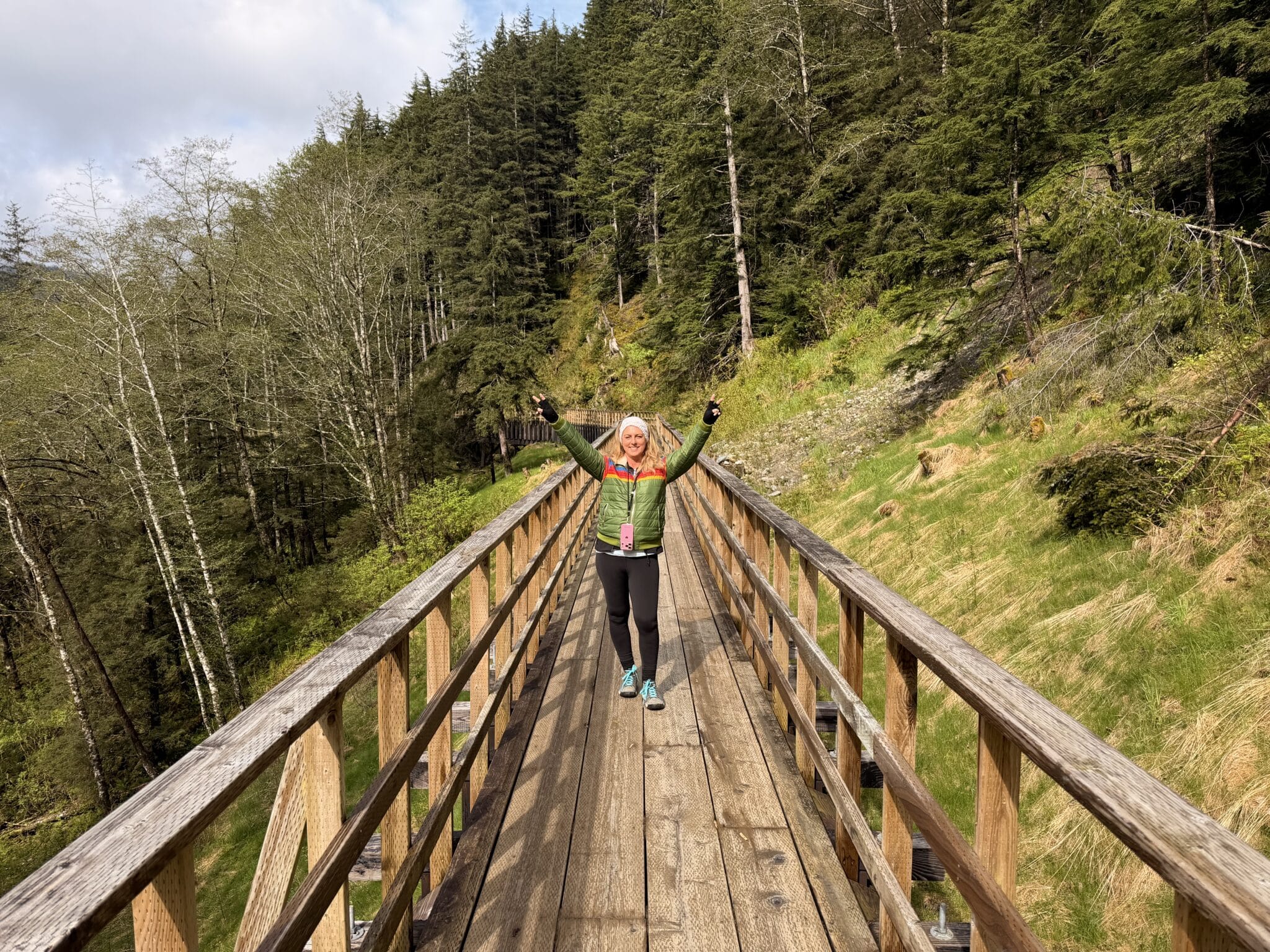
Wander up through the steep hilly town – by colorful, charming, historic homes (some red and purple) lined with contrasting colors of popping springtime tulips and vibrant flowers. Above downtown, access the Gold Creek Flume Trail, a 1.4 mile flat out-and-back trail that follows the wooded remains of an 1890s mining flume. The peaceful boardwalk path winds through waterfalls and lush forests of spruce, hemlock, and alder.
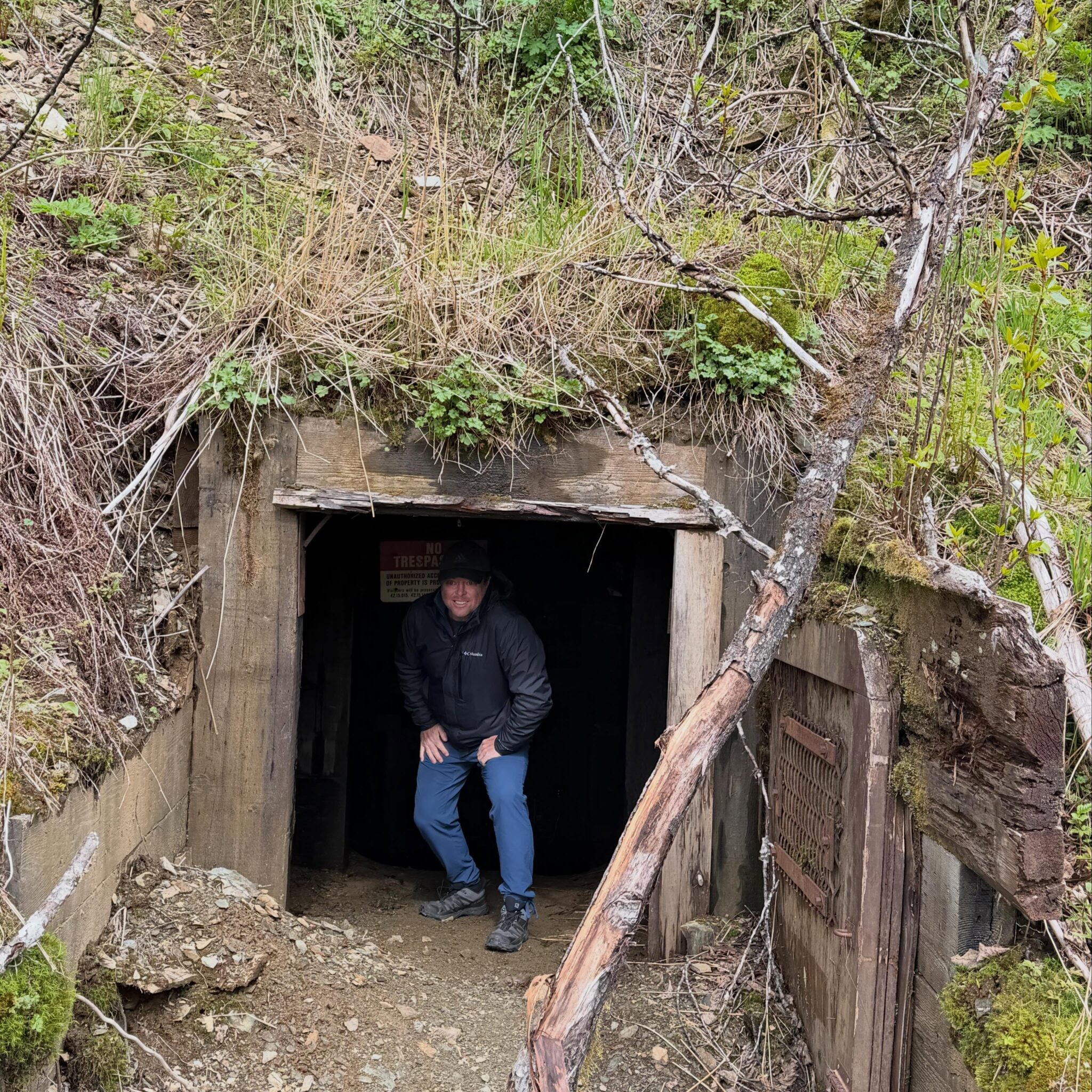
Past the Gold Creek Flume Trail, at the end of Basin Road, hike uphill past historic mine shafts to an old gold mine and the seasonal Last Chance Mining Museum – with many exhibits, machinery, and artifacts tucked under a massively tall waterfall and river below. The museum has a $5 cash-only entrance fee and provides a unique look at the remains of the historic Alaska-Juneau Gold Mining Company, including the world’s largest air compressor.
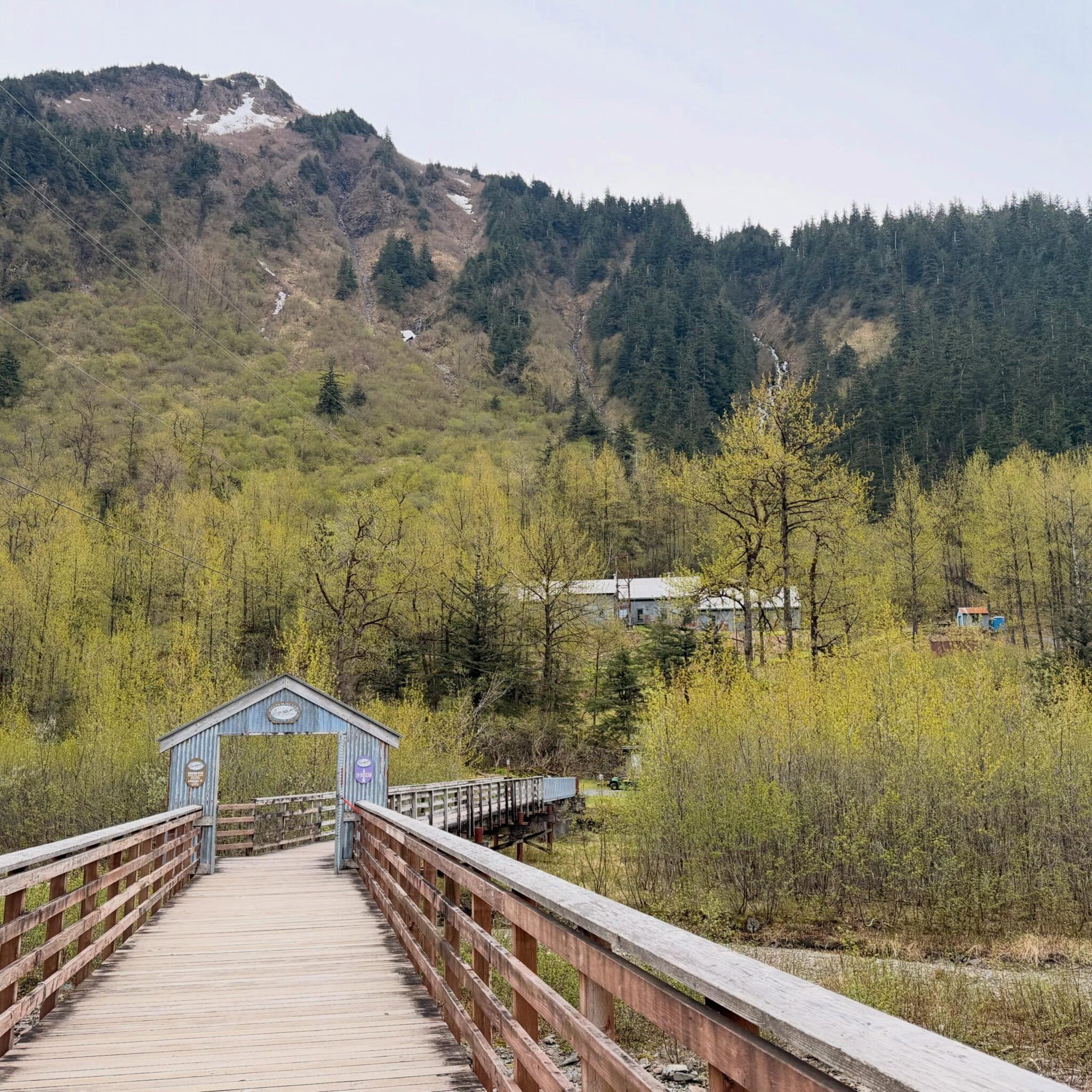
From here, you can access the Perseverance Trail, a 3-mile one-way hike winding through the glacier-carved Gold Creek valley to waterfalls. Just be mindful of bears while traversing their native habitat.
Discover Juneau’s Heritage
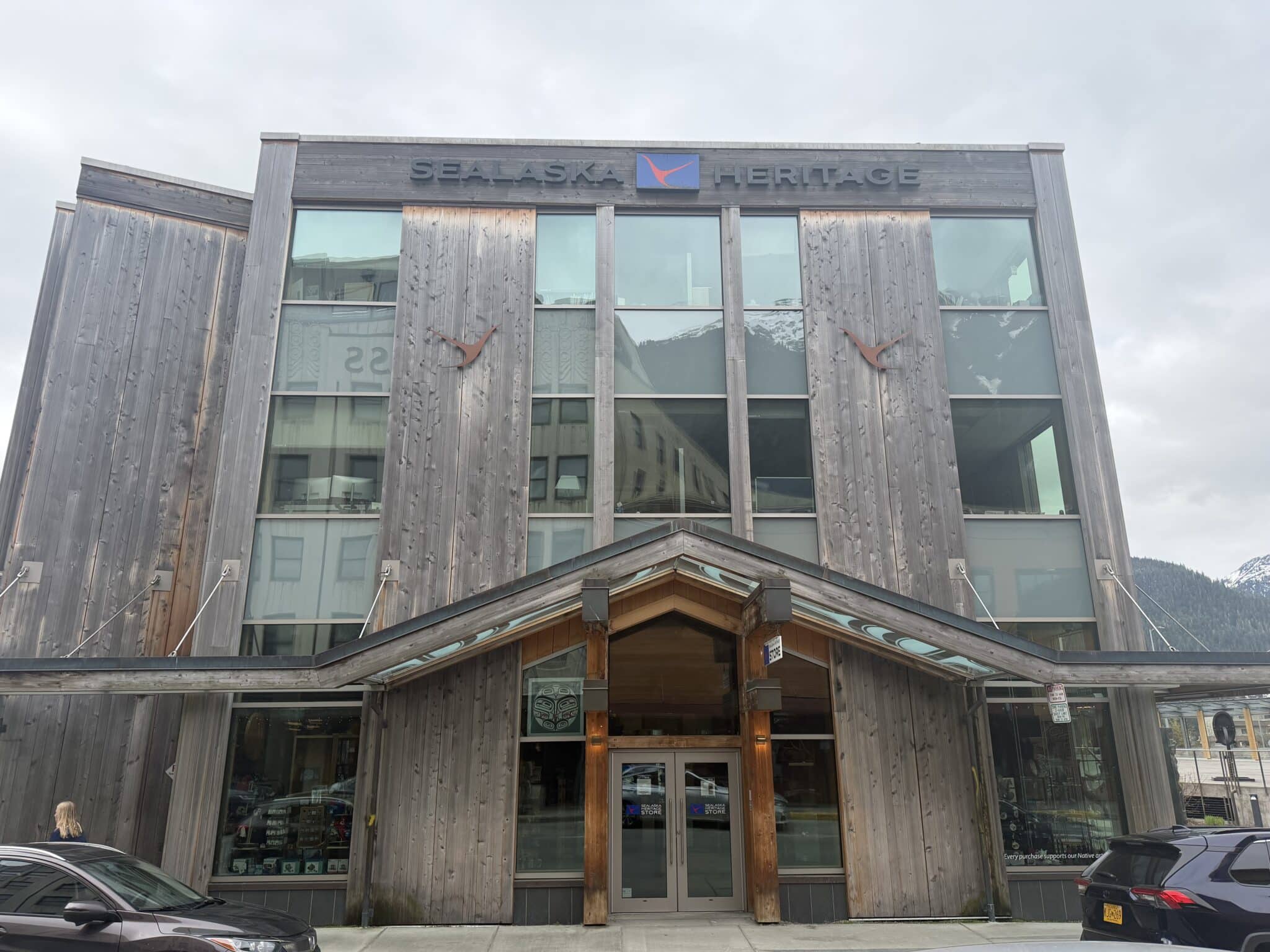
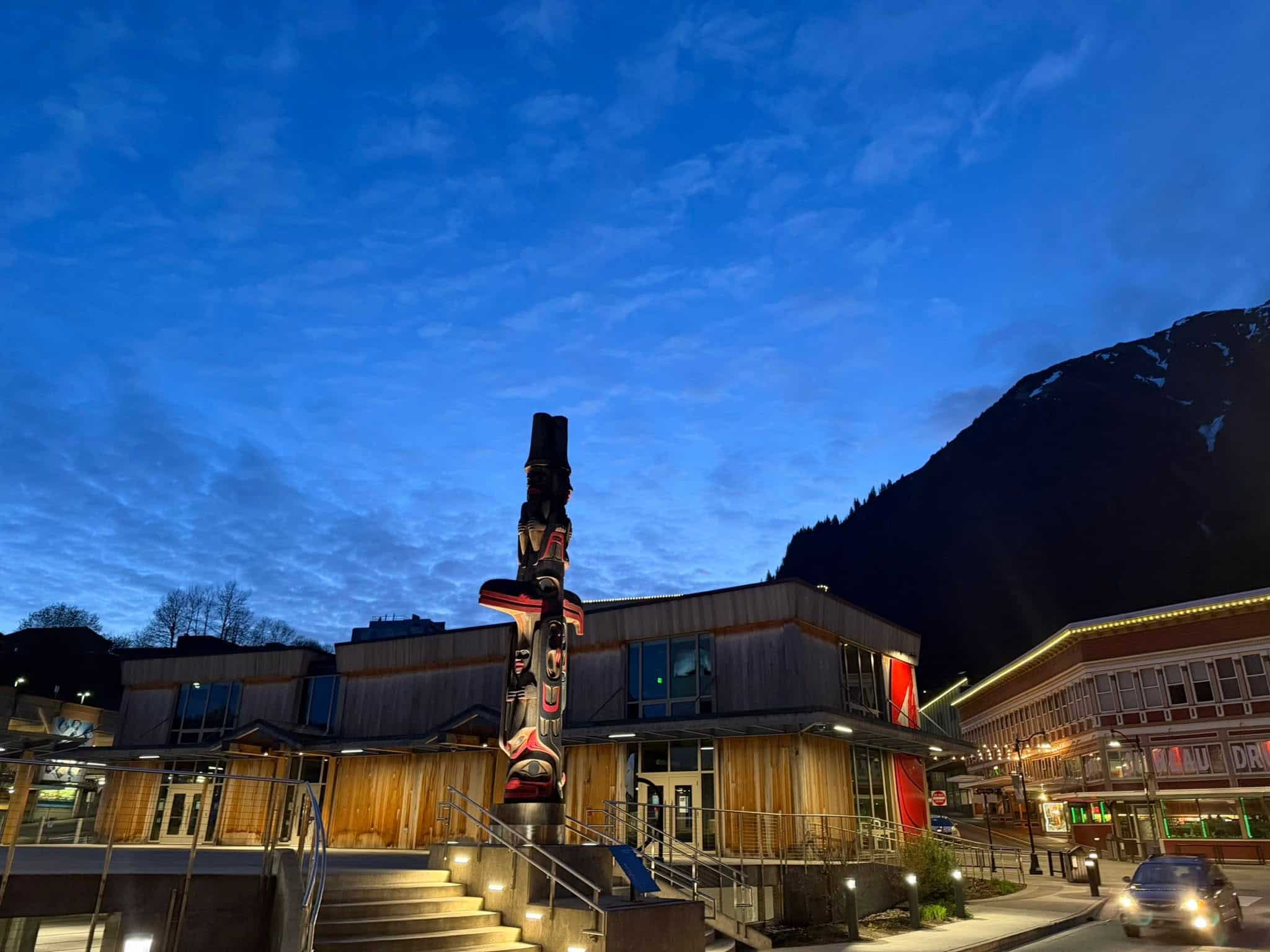
Visit the Walter Soboleff building, to explore a museum showcasing native traditions, experience a full-size clan house, and watch a short film about totem pole craftsmanship. Outside, marvel at the special 360-degree totem pole carved all the way around a 600-year-old cedar tree, the first of its kind in Alaska, honoring all three major indigenous groups of Southeast Alaska. Sealaska’s organization focuses on strengthening a living culture.
Pop in the Alaska State Capital to peruse their art collection. You may notice the building doesn’t have a dome, since it was built when Alaska was still a territory. Next door at the Juneau Douglas City Museum, browse artifacts and interactive exhibits to learn about Alaska’s path to statehood, how regional gold mining was responsible for the growth of the area, and the importance of the Tlingit heritage. View a centuries old fish trap and watch a 26-minute documentary called Juneau, City Built on Gold.
The new modern Alaska State Museum offers in-depth exhibits exploring Alaska’s native cultures, natural science, and rich historical heritage. It’s worth a visit if you have the time.
Venture Beyond Downtown
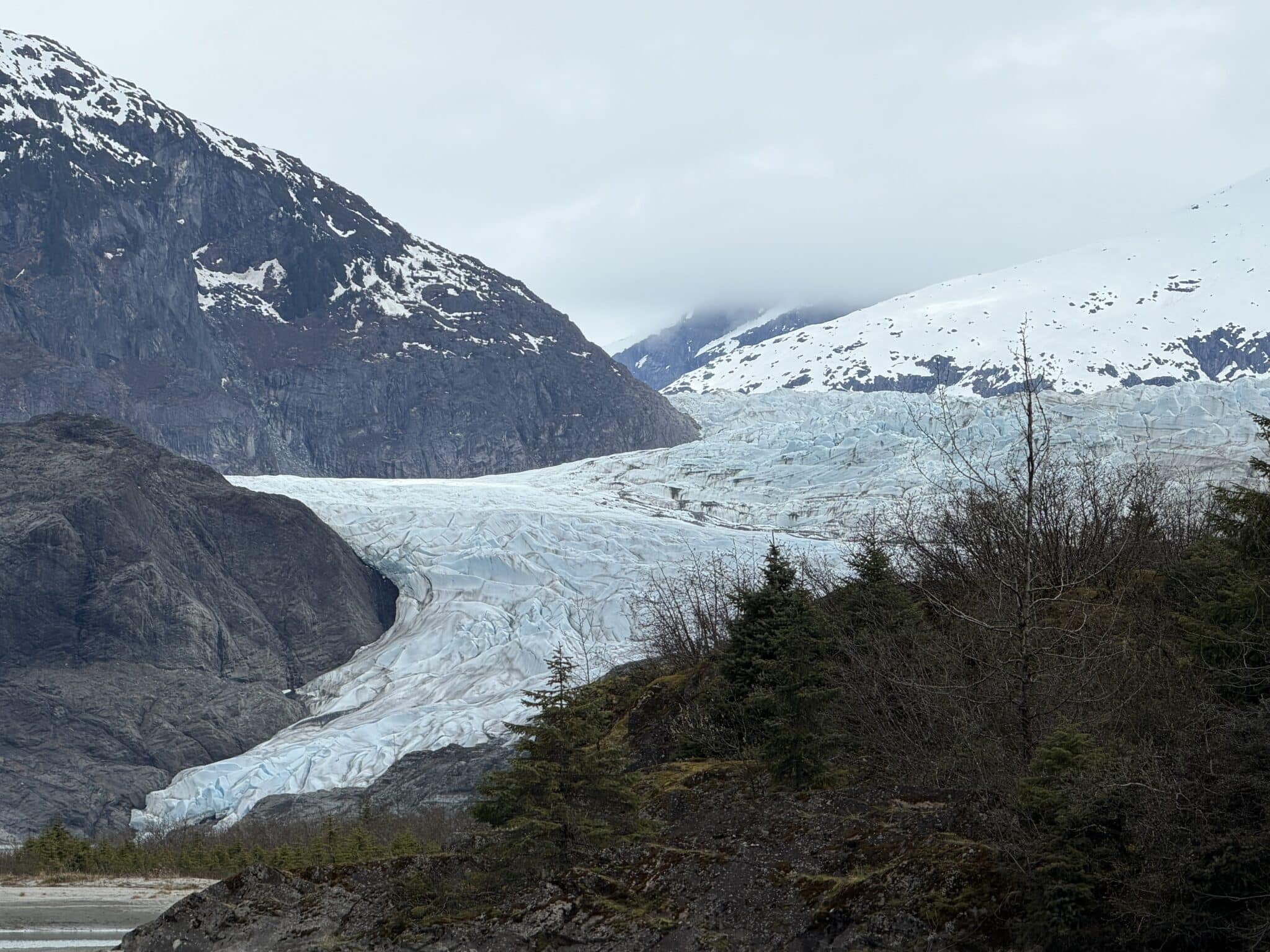
Board a bus or transport for a 12-mile drive outside downtown Juneau, to walk the half-mile trail out to the best viewpoint of the impressive Mendenhall Glacier. This 13-mile-long river of ice that flows into the Mendenhall Lake is one of the only glaciers in Southeast Alaska that is easily accessible by road. Roughly 1.5 miles wide, the glacier rises over 100 feet above the water. Walk the one-mile trail to Nugget Falls on the way, where bears are often seen trailside. For the ultimate peaceful experience away from the crowds, grab a paddle and kayak out to the base of the glacier. There are several companies that offer this option on GetYourGuide.
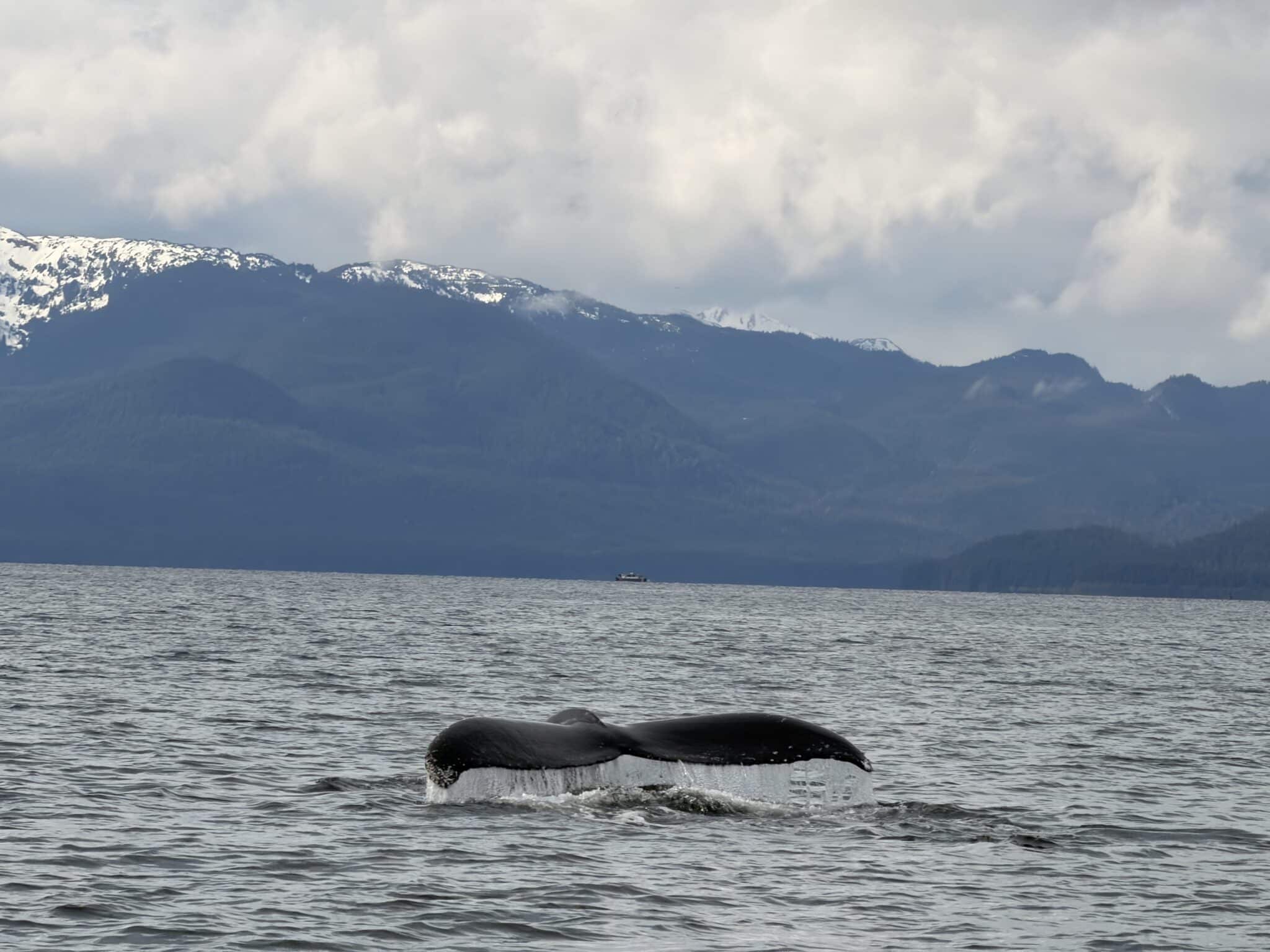
Book a Whale Watching tour with Harv and Marv’s Outback Alaska, a 3-hour voyage with less than 18 people, and be stunned by dozens of humpback whales making themselves known, as their mighty humps and tails surface all around the boat, some very close and some in the distance. Around $150 per person, the tour is worth the time on the water alone, leaving the stunning harbor surrounded by mountains and then witnessing the glacier in the distance – totally worth the price of admission.
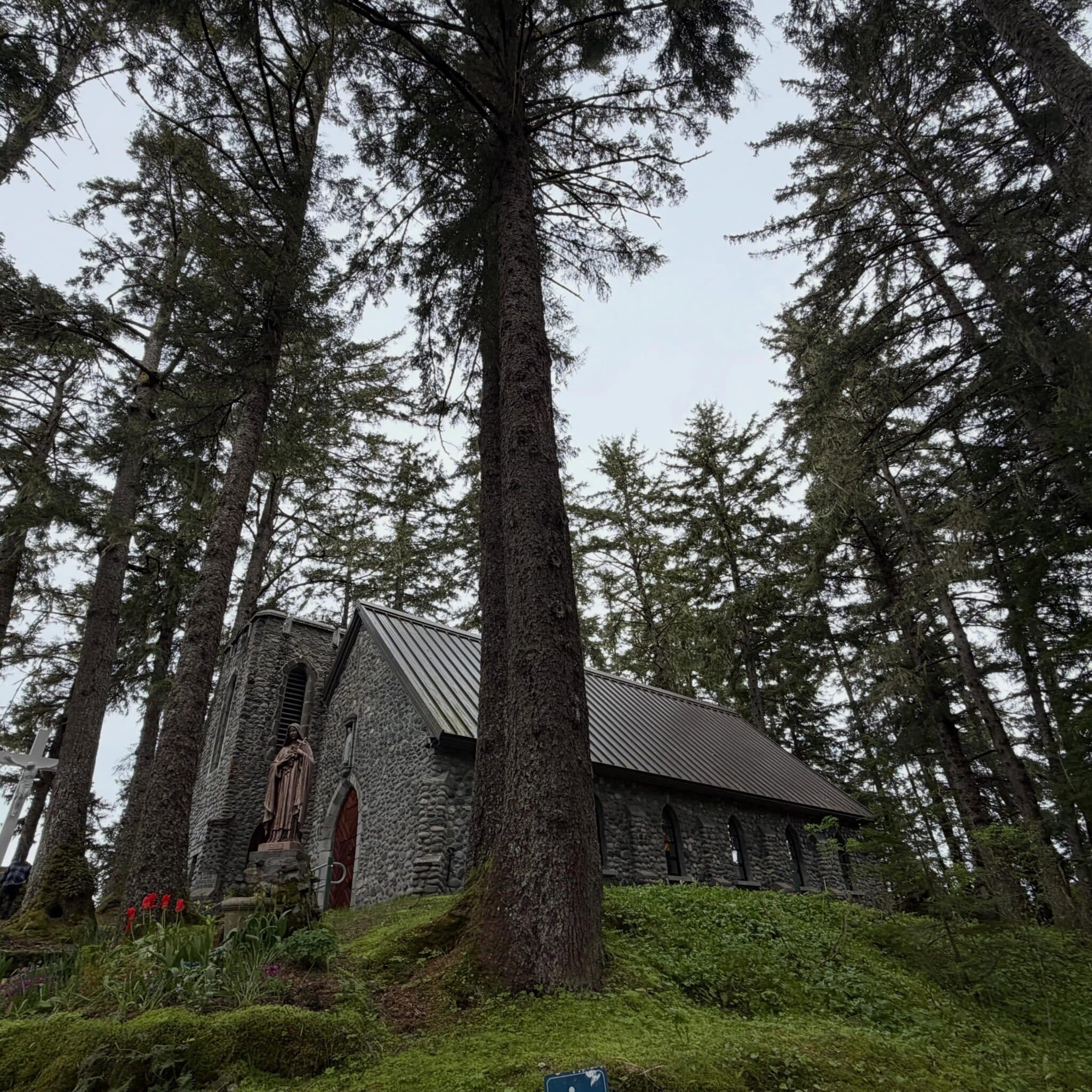
Rent a car to explore the Shrine of St. Terese, located on a peaceful 5-acre wooded tidal island sanctuary along the ocean. Overlooking the Lynn Canal against the Chilkat Mountains, you can wander the gardens, a labyrinth, a rosary trail, and visit the hand-built stone chapel. Surrounded by the Tongas National Forest, you never know what might appear – like the sweetest little storybook tree squirrels with white rings around their eyes. Benches are available along the waterfront for reflection. Admission is free.
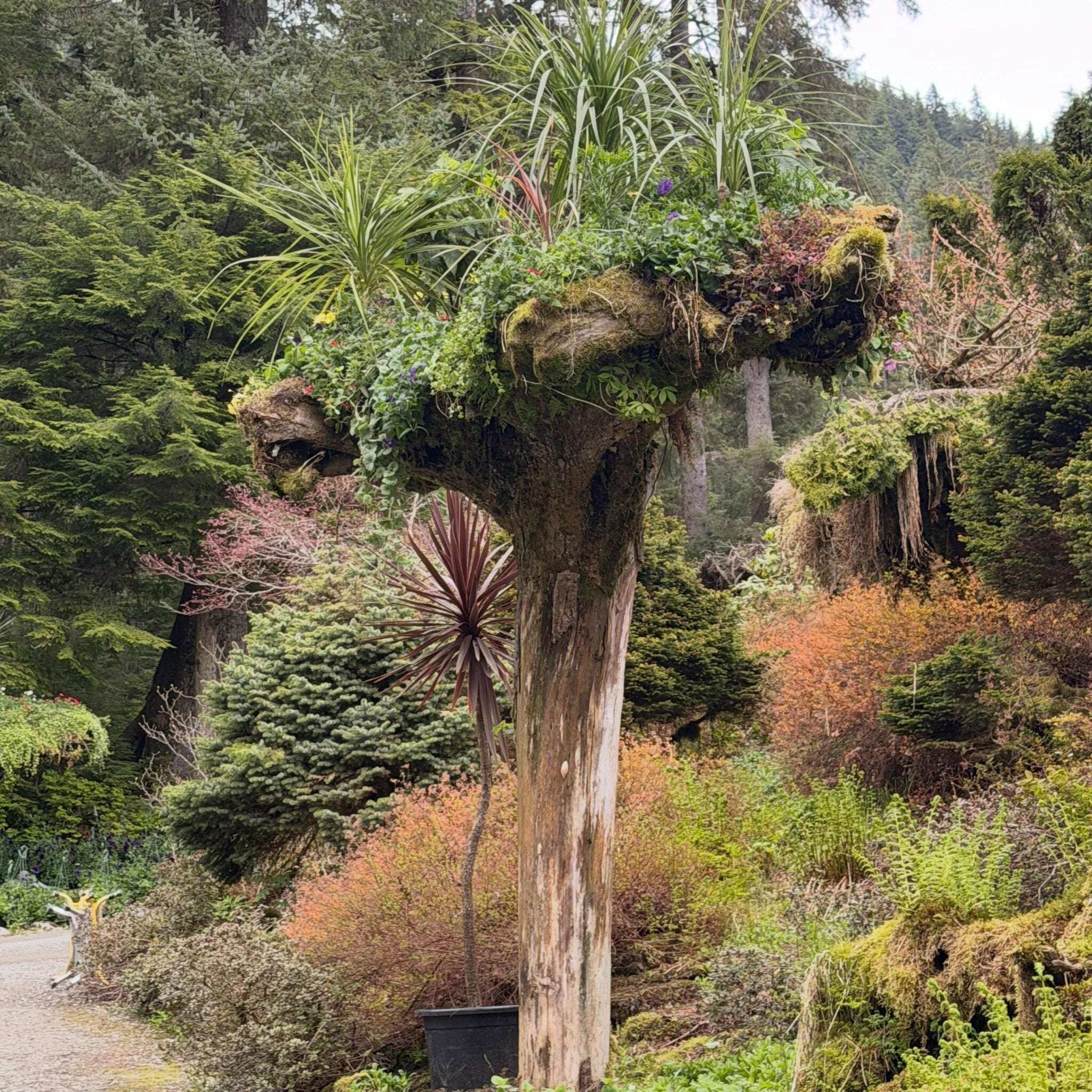
At Glacier Gardens in Tongass National Forest, $35 grants access to a private 50-acre botanical oasis through a lobby of hanging plants, to take a covered ride through the forest up Thunder Mountain. Stop for bird’s eye panoramic views of Juneau and the Gastineau, with planes taking off and landing at the airport below. Glacier Gardens is known for their unique “flower towers,” or dead trees flipped upside down, planted in the ground sprouting with flowers or local growth from their upright roots. Like a Dr. Seuss illustration, the first of these upside-down trees was created accidentally after a 1980s landslide. The one-hour tour winds guests through the temperate forest over 600 feet above sea level – to lush waterfalls, rock gardens, and a 350-year-old cedar tree.
Unique Shopping
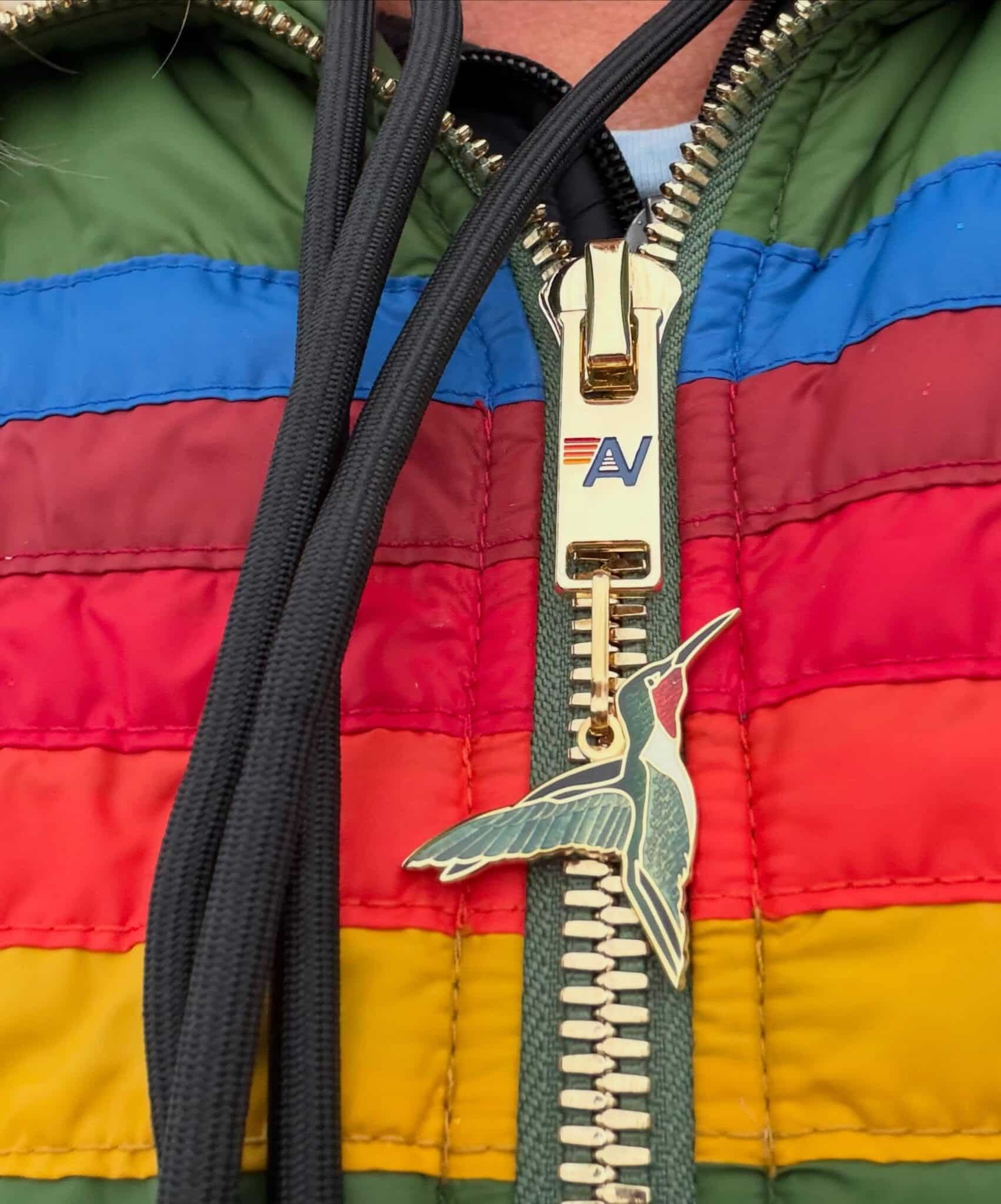
One of the most sought-after items to bring home from Juneau are locally-made metal enamel pins, earrings, and zipper pulls from William Spear Design, who has been creating the unique designs since the 1980s. From Alaskan birds, to bears, to sea life, to funny creations like a dumpster fire, there is an exciting gold-finished quality piece for your favorite jacket, hat, or bag.
Basic Accommodations
No luxury hotels exist in Juneau, but the newer Ramada Hotel and Four Points by Sheraton may be the best options – with a five-minute walk to town and mountain views from incredibly comfy beds. Large clean rooms come with showers that have stellar water pressure and water so clean you can drink from the tap. Several small boutique hotels offer a charming alternative to the more modern chains, but are often older and less consistently maintained.
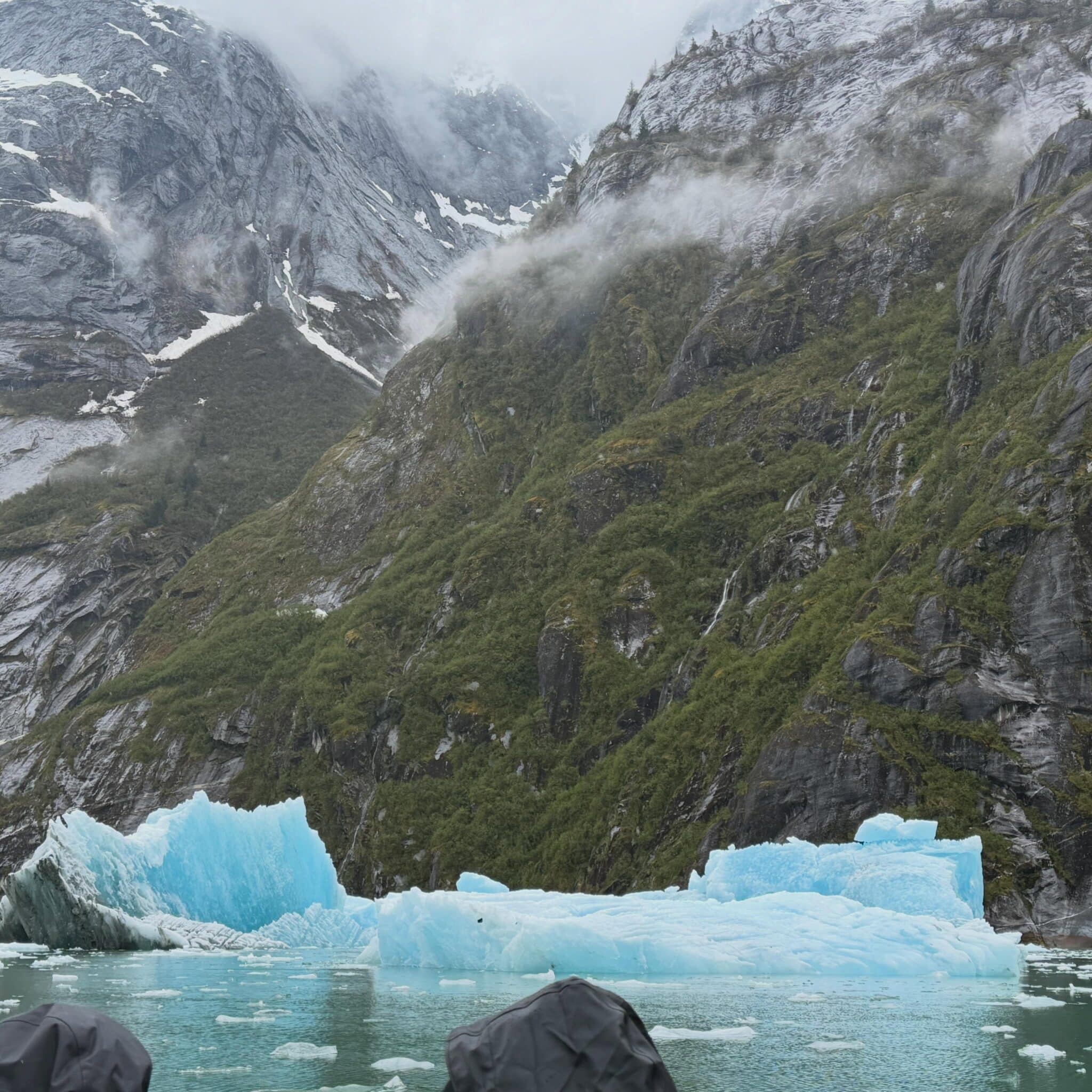
You can also use Juneau as a launching point for an adventure expedition – like Uncruise, an exciting wildlife voyage with less than 40 aboard, that anchors in remote coves overnight between daytime excursions, ending back in Juneau after a week or two of exploration.