This article was produced in partnership with the U.S. Travel Association (USTA).
In 2026, the United States turns 250, and the celebrations are expected to stretch from New England harbor towns to the National Mall. America250, the congressionally authorized initiative commemorating the nation’s semiquincentennial, is already inspiring special exhibitions, reenactments, festivals and historic programming across the country.
But the best way to experience America’s 250th birthday might just be the old-fashioned way: from behind the wheel.
This cross-country road trip traces the story of the United States from its Revolutionary beginnings in New England to the civic landmarks of the capital, then westward through battlefields, frontier towns, civil rights landmarks and national parks that collectively shaped the American story. Along the way, travelers can tap into America 250 events, scenic byways and some of the country’s most historic communities.
Here’s how to plan the ultimate America 250 road trip.
Stop 1: Boston
Where the Revolution Began
Start where American independence first caught fire. In 2025 and 2026, Boston is hosting a robust lineup of commemorative programming tied to the 250th anniversary of the American Revolution, including Freedom Trail events, reenactments, harbor celebrations and exhibitions across the city.
The essential experience remains the 2.5-mile Freedom Trail, which links 16 Revolutionary-era landmarks, including Boston Common, Old North Church, Faneuil Hall, and the site of the Boston Massacre.
Don’t miss:
- The Freedom Trail
- Boston Tea Party Ships & Museum
- Bunker Hill Monument
- Paul Revere House
- Charlestown Navy Yard
Boston’s commemorations focus heavily on the 250th anniversaries of Lexington and Concord, the Siege of Boston, and the Battle of Bunker Hill.
Stop 2: Lexington and Concord
The Shot Heard ’Round the World
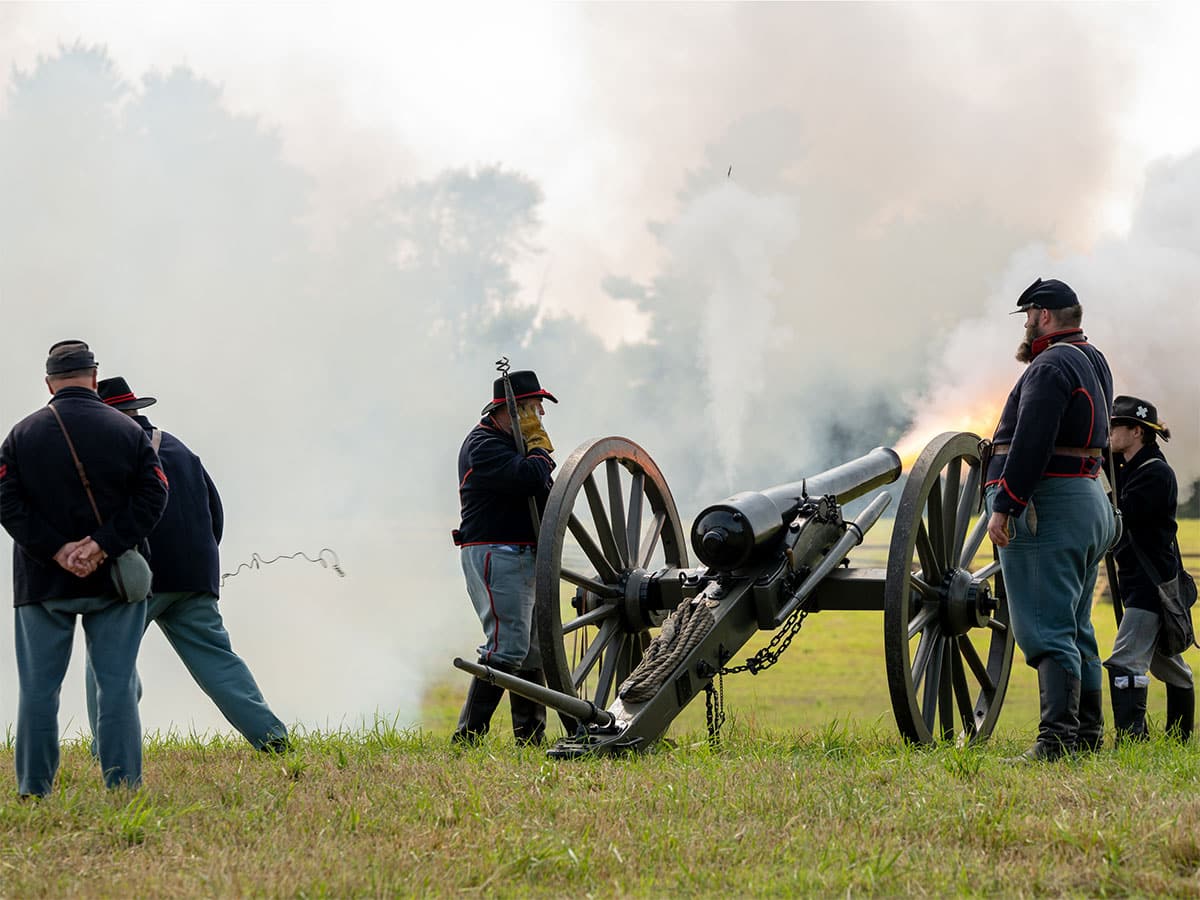
Just outside Boston, Lexington and Concord are indispensable detours for anyone tracing Revolutionary history. The battles fought here on April 19, 1775, marked the official beginning of the Revolutionary War.
Drive the scenic Battle Road through Minute Man National Historical Park and stop at the North Bridge, where colonial militia famously confronted British troops.
Don’t miss:
- Minute Man National Historical Park
- Buckman Tavern
- Old North Bridge
- Orchard House, home of Louisa May Alcott
Route tip: Take Massachusetts Route 2 westward for a classic New England drive lined with stone walls, forests and colonial villages.
Stop 3: Newport
A Colonial Port City with Gilded-Age Glamour
Newport layers multiple eras of American history into one compact seaside city. During the Revolutionary War, it served as a strategic port occupied by the British before becoming the site of a major French-American alliance effort.
Today, travelers can split their time between colonial streets and the city’s famously extravagant Gilded Age mansions.
Don’t miss:
- The Cliff Walk
- Touro Synagogue, the oldest synagogue building in the U.S.
- The Breakers
- Fort Adams State Park
Expect expanded heritage programming highlighting Newport’s Revolutionary-era maritime role.
Stop 4: New York City
From Revolution to Immigration
New York’s role in American history stretches far beyond Wall Street. The city briefly served as the nation’s first capital, and Federal Hall is where George Washington took the first presidential oath of office.
Downtown Manhattan offers an immersive timeline of American identity, from colonial governance to Ellis Island immigration stories and the rebuilding of Lower Manhattan after 9/11.
Don’t miss:
- Federal Hall
- Fraunces Tavern
- Statue of Liberty and Ellis Island
- The National September 11 Memorial & Museum
Route tip: Leave the car parked while exploring Manhattan. Traffic and parking costs make walking and public transit the better choice.
Stop 5: Philadelphia
The Birthplace of American Democracy
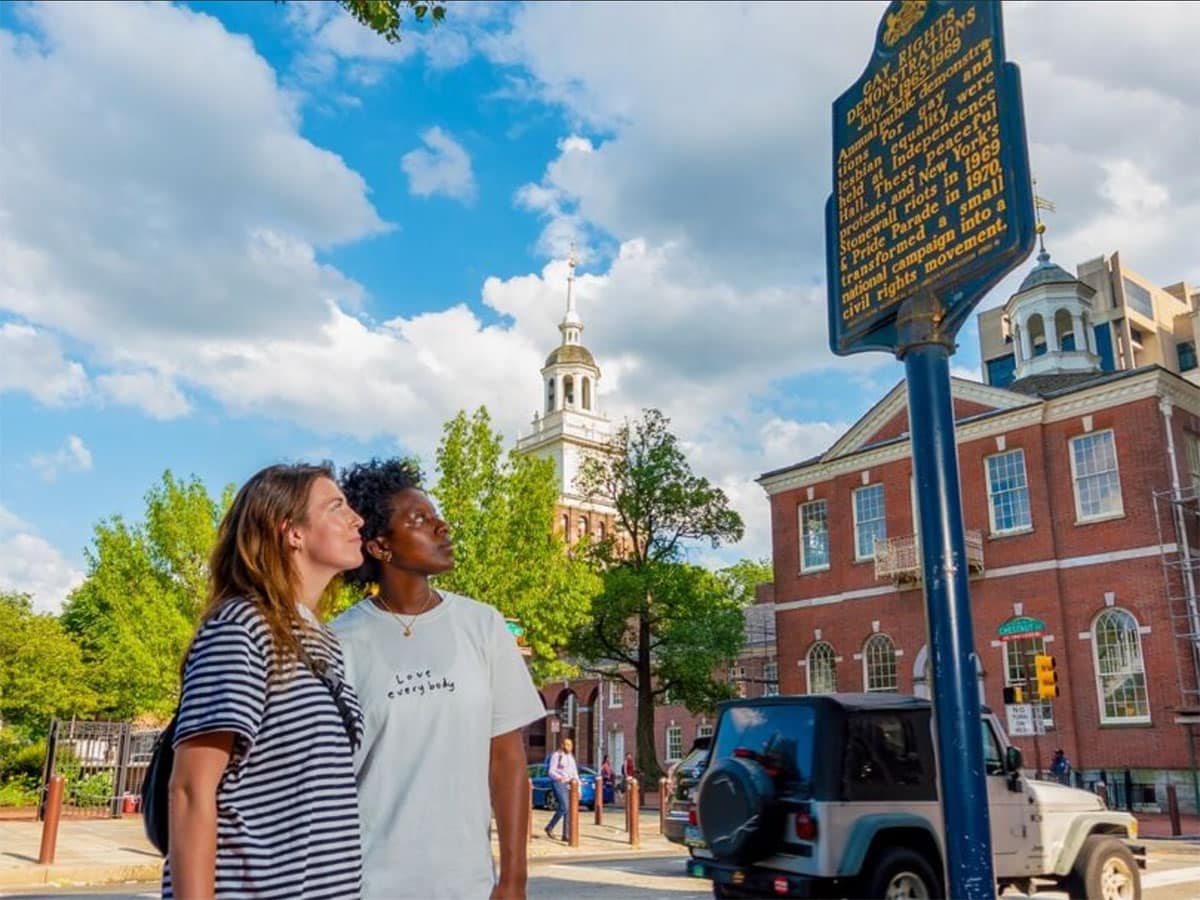
If Boston sparked the Revolution, Philadelphia formalized it. This is where the Declaration of Independence and Constitution were debated and signed, making Independence National Historical Park one of the most important historic sites in the country.
The city is expected to be one of the major hubs of America 250 celebrations in 2026.
Don’t miss:
- Independence Hall
- Liberty Bell
- Museum of the American Revolution
- Elfreth’s Alley
- Betsy Ross House
Philadelphia is planning extensive semiquincentennial programming centered around July 4, 2026.
Stop 6: Lancaster
An Underrated Revolutionary-Era Gem
Lancaster often gets overshadowed by Philadelphia and Gettysburg, but history lovers should carve out time here. The city briefly served as the U.S. capital for a single day in 1777 after the Continental Congress fled Philadelphia during the Revolutionary War.
Beyond its Revolutionary connections, Lancaster offers a fascinating mix of early American religious history, preserved farmland and one of the country’s oldest continuously operating public markets.
Don’t miss:
- Central Market
- Wheatland
- Ephrata Cloister
- Historic Rock Ford
Route tip: The back roads through Amish Country offer one of the most scenic drives in the Mid-Atlantic.
Stop 7: Gettysburg
The Civil War’s Defining Battlefield
America’s 250th anniversary is as much about reckoning with the nation’s complexities as celebrating its founding ideals and Gettysburg is central to that story.
The 1863 battle marked a turning point in the Civil War and Abraham Lincoln’s Gettysburg Address reframed the meaning of American democracy.
Don’t miss:
- Gettysburg National Military Park
- Little Round Top
- Gettysburg Museum and Visitor Center
- Soldiers’ National Cemetery
Expect expanded interpretive programming connecting the Revolutionary era to later struggles over freedom and equality.
Stop 8: Washington
The Nation’s Front Porch
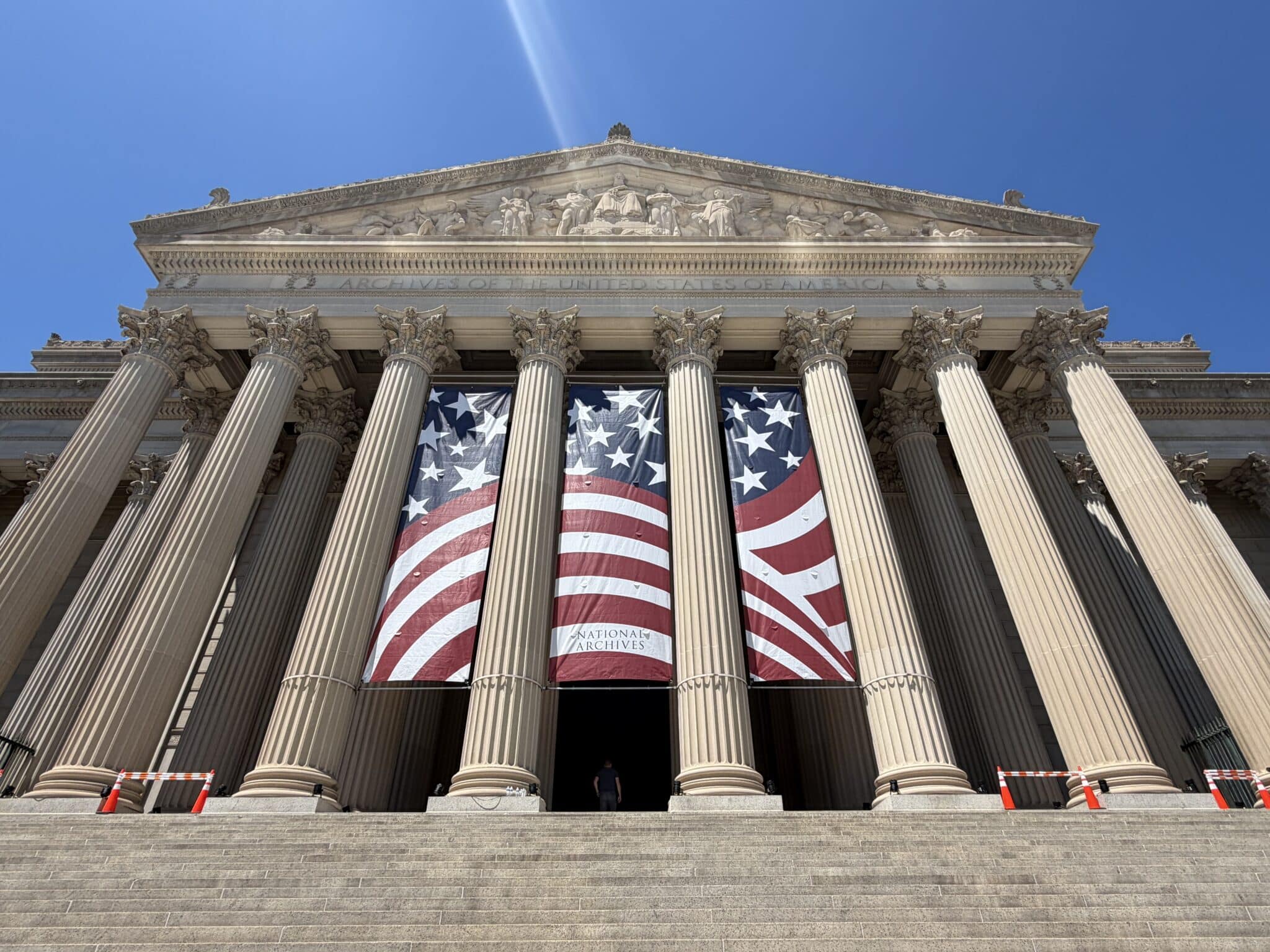
No America 250 road trip is complete without Washington, D.C., where the largest official commemorations are expected to unfold. The city has already established a dedicated DC250 commission in partnership with America 250.
Travelers could easily spend a week exploring the capital’s monuments, Smithsonian museums, and government landmarks.
Don’t miss:
- National Mall
- Smithsonian National Museum of American History
- U.S. Capitol
- Lincoln Memorial
- National Archives
Washington is expected to host major national events, exhibitions, concerts and public celebrations tied to the July 4, 2026 anniversary.
Stop 9: Williamsburg
Colonial America Brought to Life
From Washington, continue south along Interstate 95 before detouring into Virginia’s Historic Triangle: Williamsburg, Jamestown and Yorktown.
Colonial Williamsburg remains one of the country’s most immersive living-history museums, with costumed interpreters, working tradespeople and restored 18th-century buildings.
Don’t miss:
- Colonial Williamsburg
- Jamestown Settlement
- Yorktown Battlefield
- Governor’s Palace
Route tip: Drive the Colonial Parkway between Williamsburg, Jamestown, and Yorktown for a beautifully preserved scenic route free of commercial traffic.
Stop 10: Charleston
A City of Beauty and Complexity
Charleston’s cobblestone streets and pastel facades tell only part of its story. The city played a major role in the Revolutionary War and later became a focal point of the Civil War and the history of slavery in America.
Don’t miss:
- Fort Sumter
- Charleston Historic District
- International African American Museum
- Rainbow Row
Many Southern cities are using the anniversary to present broader interpretations of American history, including stories of enslaved communities and civil rights struggles.
Stop 11: New Orleans
The Cultural Crossroads of America
By the time you reach New Orleans, the road trip shifts from colonial origins to the layered cultural evolution of the United States.
French, Spanish, African, Caribbean and American influences collide here in ways found nowhere else in the country.
Don’t miss:
- French Quarter
- Preservation Hall
- National WWII Museum
- Jackson Square
Route tip: Take portions of the Great River Road for scenic Mississippi River views and historic plantation landscapes.
Stop 12: San Antonio
The Frontier Chapter of American History
The Alamo remains one of the country’s most recognizable historic sites, but San Antonio’s broader network of Spanish colonial missions offers a deeper understanding of the region’s layered history.
Don’t miss:
- The Alamo
- San Antonio Missions National Historical Park
- River Walk
- Market Square
Final Stop: San Francisco
The Journey West
End the trip where America’s westward expansion, Gold Rush ambition, immigration waves and countercultural movements all converged.
San Francisco offers a fitting finale for a coast-to-coast journey through American history.
Don’t miss:
- Alcatraz Island
- Golden Gate Bridge
- Presidio Tunnel Tops
- Chinatown
- Angel Island State Park
Many western cities are expected to spotlight stories of migration, innovation, Indigenous history and national park conservation during the anniversary year.
The Best Time to Take the Trip
Spring through fall 2026 will likely be the busiest period for America 250 travel, especially around Memorial Day and July 4. Travelers hoping to avoid peak crowds should consider shoulder-season departures in April, September or October.
Because many commemorative events are expected to draw unusually large crowds, booking hotels and timed-entry museum tickets several months in advance is wise. For travelers willing to commit to the miles, America’s 250th anniversary offers a once-in-a-generation excuse to see the country not just as a map, but as an unfolding story.