A recent incident (video embedded below) at the Northgate Station in Seattle is a good reminder that situational awareness can make all the difference when using public transit.
View this post on Instagram
Authorities say a 26-year-old man has been charged with attempted second-degree murder after allegedly trying to push a stranger onto the tracks as a train entered the station. According to KOMOO news and charging documents, the suspect approached the victim from behind and attempted to shove him into the path of the oncoming train. Surveillance footage reviewed by investigators suggests the timing of the attack was intentional, occurring just as the train was arriving in order to cause maximum harm.
The victim who was looking down at his phone, was pushed twice but somehow managed to regain his balance and avoid falling onto the tracks in front of the train. The suspect fled the scene immediately but authorities were later able to identify him through surveillance video and he was arrested several days later.
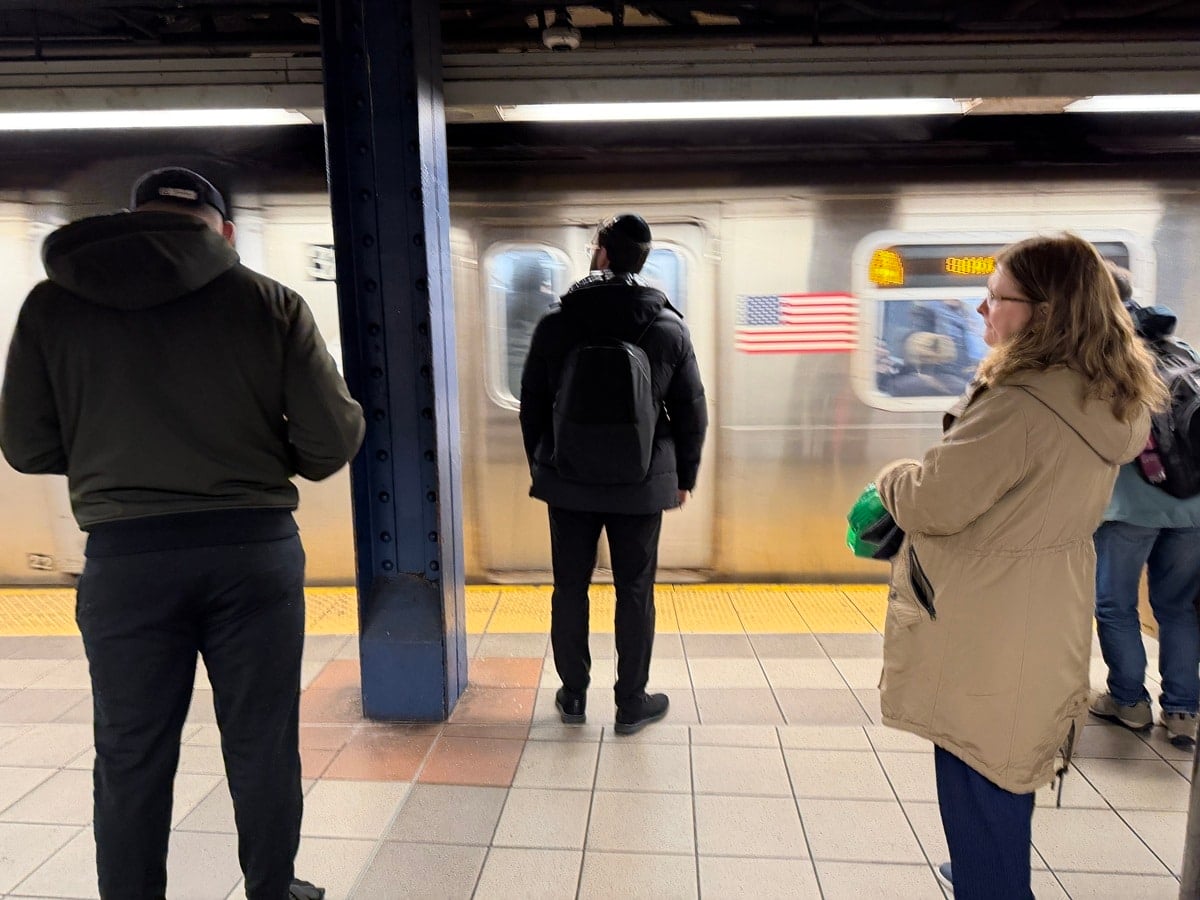 While incidents like this are still relatively rare, they do appear to be happening more frequently. This was the third reported case in the United States in the past six weeks, with the other two occurring in New York City. In one incident, “two New Yorkers were waiting for the subway on a Sunday morning when they were shoved onto the tracks, allegedly by Bairon Hernandez. He used such force that he killed Richard Williams, an 83-year-old veteran,” according to Alvin Bragg.
The other incident according to ABC7NY took place along the R line at 53rd Street and 4th Avenue in the Sunset Park neighborhood, where a man allegedly shoved a 51-year-old woman onto the tracks, then punched a 43-year-old woman in the face before fleeing the scene.
I’m not sure if it’s because there’s surveillance cameras all over the place and social media helps spread news quickly, but either way it highlights how quickly a routine moment can turn into a dangerous situation.
Public transit systems are used safely by millions of people every day, but maintaining awareness of your environment remains essential. By staying alert, limiting distractions, and positioning yourself strategically, you can better protect yourself and respond quickly if something unexpected occurs.
When waiting for a train, it’s a good idea to position yourself with your back against a wall, pillar, or another solid structure whenever possible so you can clearly see your surroundings. This simple adjustment helps eliminate blind spots and prevents someone from approaching you unnoticed from behind. Keep your head up and scan the area regularly, especially as trains are arriving or crowds begin to shift.
It is also important to maintain a safe distance from the platform edge. Standing too close to the tracks reduces your ability to react if something unexpected happens. Give yourself a buffer zone of several feet so you have time to step back or move away if needed. Just as critical is minimizing distractions. Avoid looking down at your phone, texting, or wearing both earbuds while waiting. These habits can make you less aware of your surroundings and more vulnerable. A distracted person is often the easiest target. Staying alert, even for a few minutes, can significantly reduce your risk.
I do this not only when on a train platform, but when I’m standing on a street corner waiting to cross, riding an elevator and even in restaurants.
I’m not alone according to some of the comments on social:
@lawgirl246: I do this in restaurants and bars as much as possible. When given a choice I sit with my back to the wall so I can see who or what is coming my way. Thanks for the video and tips!
@jessespeakstruth: Pro tip: GET OFF THE PHONES until you home safely. That text ain’t worth the risk nowadays.
Trust your instincts as well. If someone nearby is behaving erratically or makes you uncomfortable, move to a different part of the platform, preferably closer to other passengers or near a staffed area. Positioning yourself in well-lit, visible spaces adds another layer of safety. These small, proactive steps can make a meaningful difference in protecting yourself.